Artwork
Edmund G. Dutilh
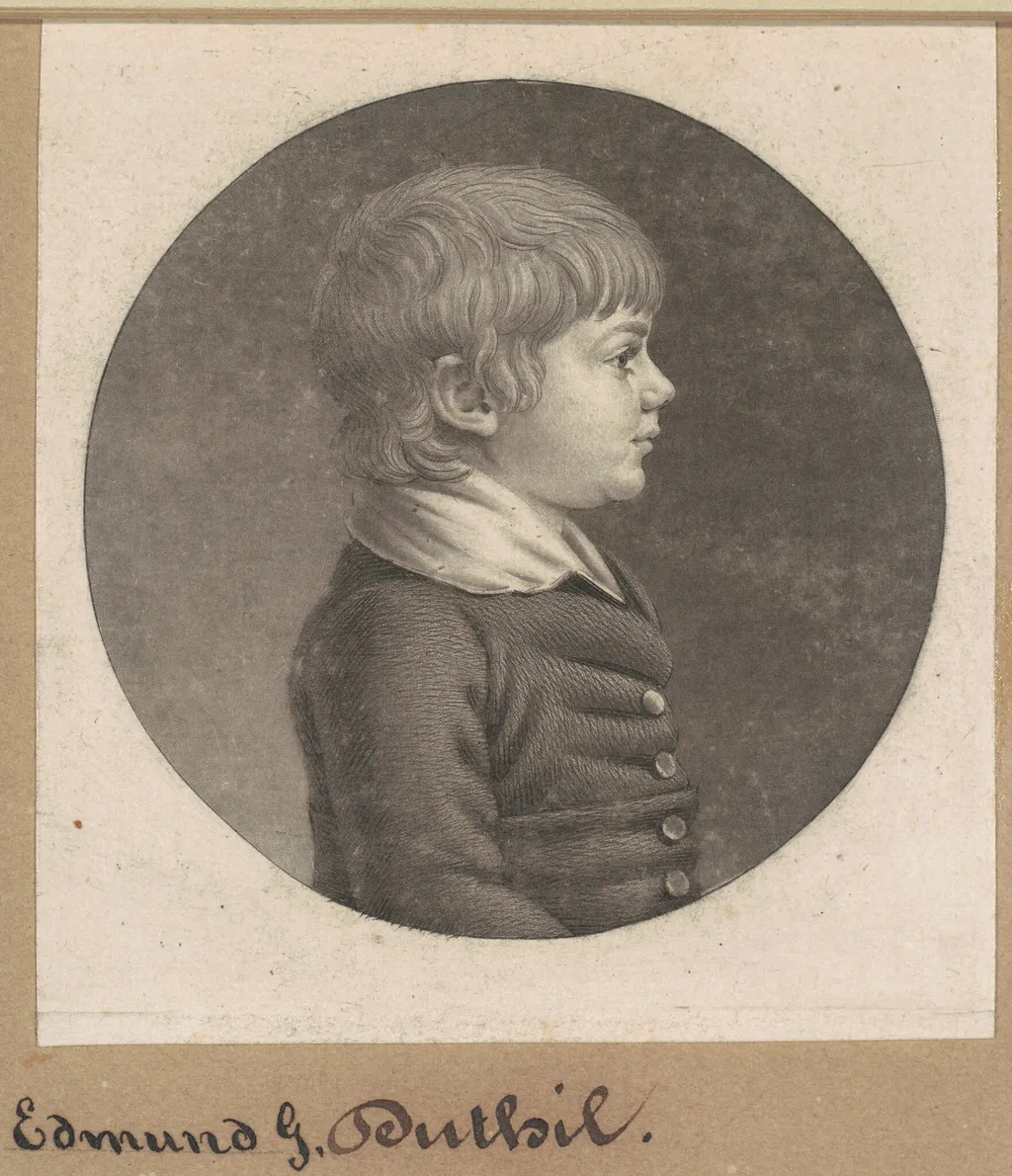
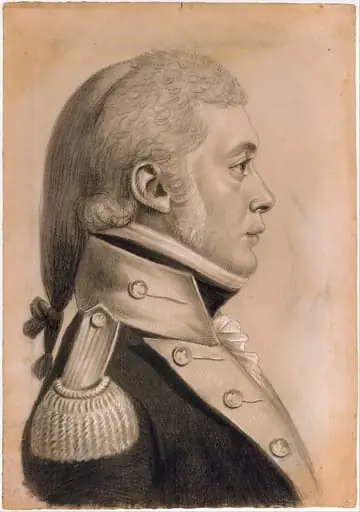
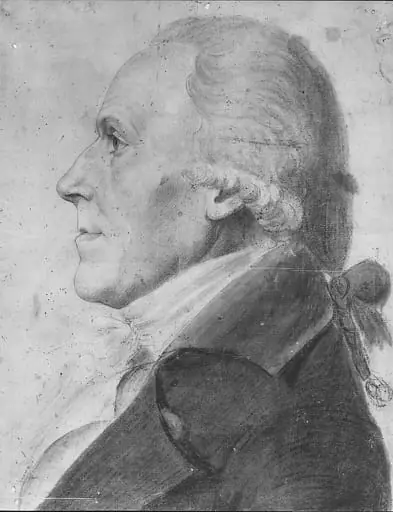
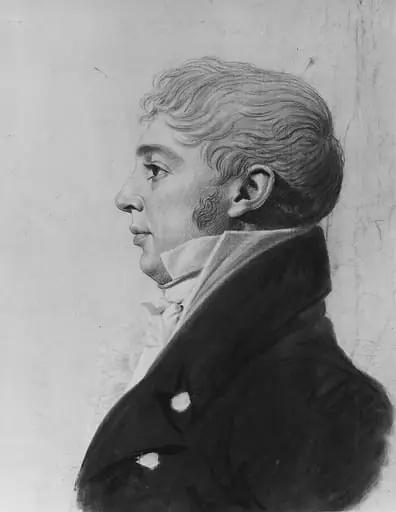
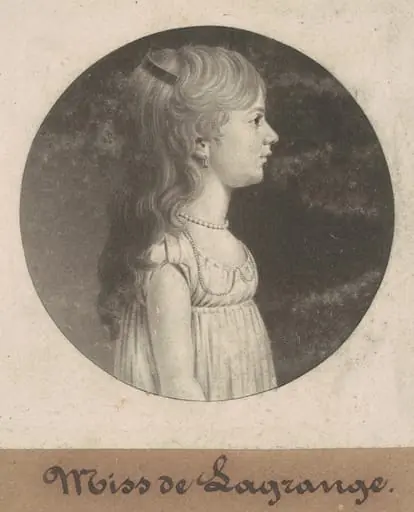
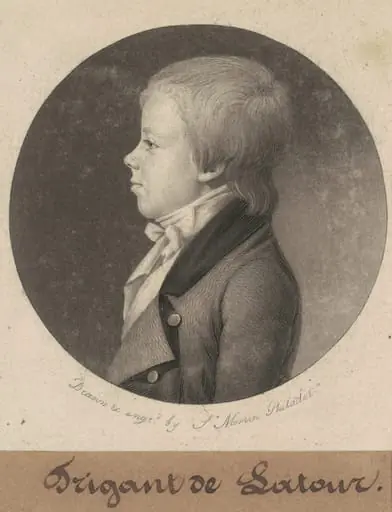
Edmund G. Dutilh is an ink print by the Romanticist artist Charles Balthazar Julien Févret de Saint-Mémin. It dates from 1802 and is held in the collection of the National Gallery of Art. Edmund G.
About this work
Overview
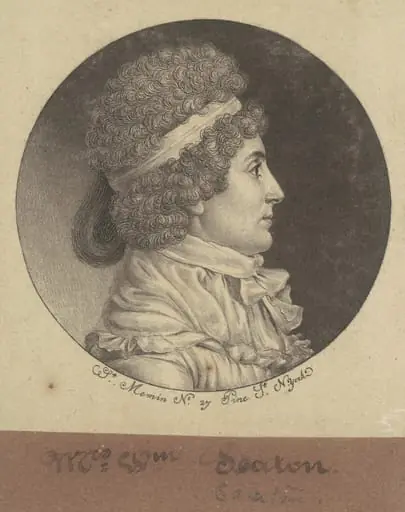
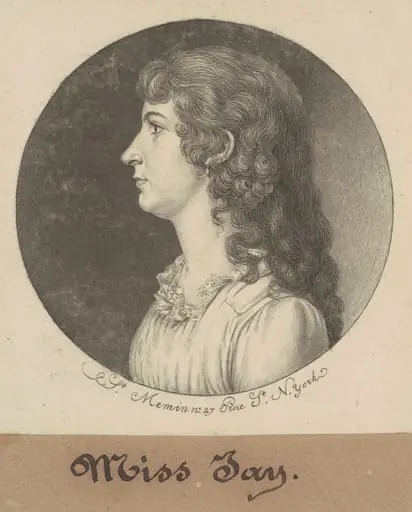
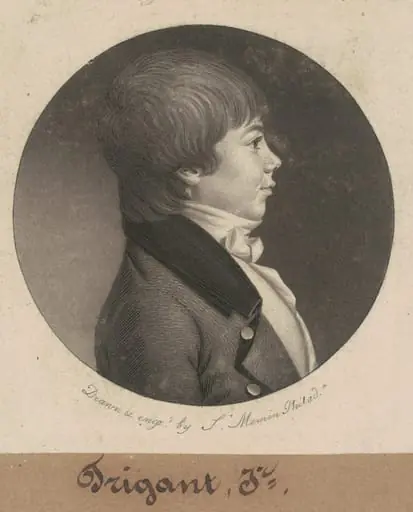
Edmund G. Dutilh is a small black‑and‑white print created in 1802 by French artist Charles‑Baptiste‑Jean Févret de Saint‑Mémin. Executed as a mezzotint and engraving on wove paper that has been mounted to a brown backing, the image measures roughly 5.6 cm on each side, just over two inches square. The work is held in the Corcoran Collection and is catalogued as a fine‑art print.
Subject & Meaning
The composition portrays a solitary man dressed in a dark coat, turned toward the left. A side light illuminates his cheek and the collar of his coat, while the surrounding space recedes into deep black. The figure’s expression is composed and introspective, suggesting a moment of quiet contemplation rather than overt narrative action.
Technique & Style
Saint‑Mémin employed the mezzotint process, a printmaking method that begins with a uniformly roughened plate and allows the artist to smooth areas to produce a range of tonal values. This technique yields velvety shadows and subtle gradations of gray, evident in the soft modeling of the subject’s face and the seamless transition from light to darkness in the background.
History & Provenance
The print was produced in the early nineteenth century, a period when mezzotint was prized for its capacity to render delicate chiaroscuro effects. It entered the Corcoran Collection, an American institution known for its extensive holdings of prints, where it remains part of the museum’s documented print archive.
Artist & collection

Artist
Charles Balthazar Julien Févret de Saint-Mémin
Charles Balthazar Julien Févret de Saint-Mémin (French pronunciation: ; 1770–1852) was a French portrait painter and museum director.