Artwork
Trigant de la Tour
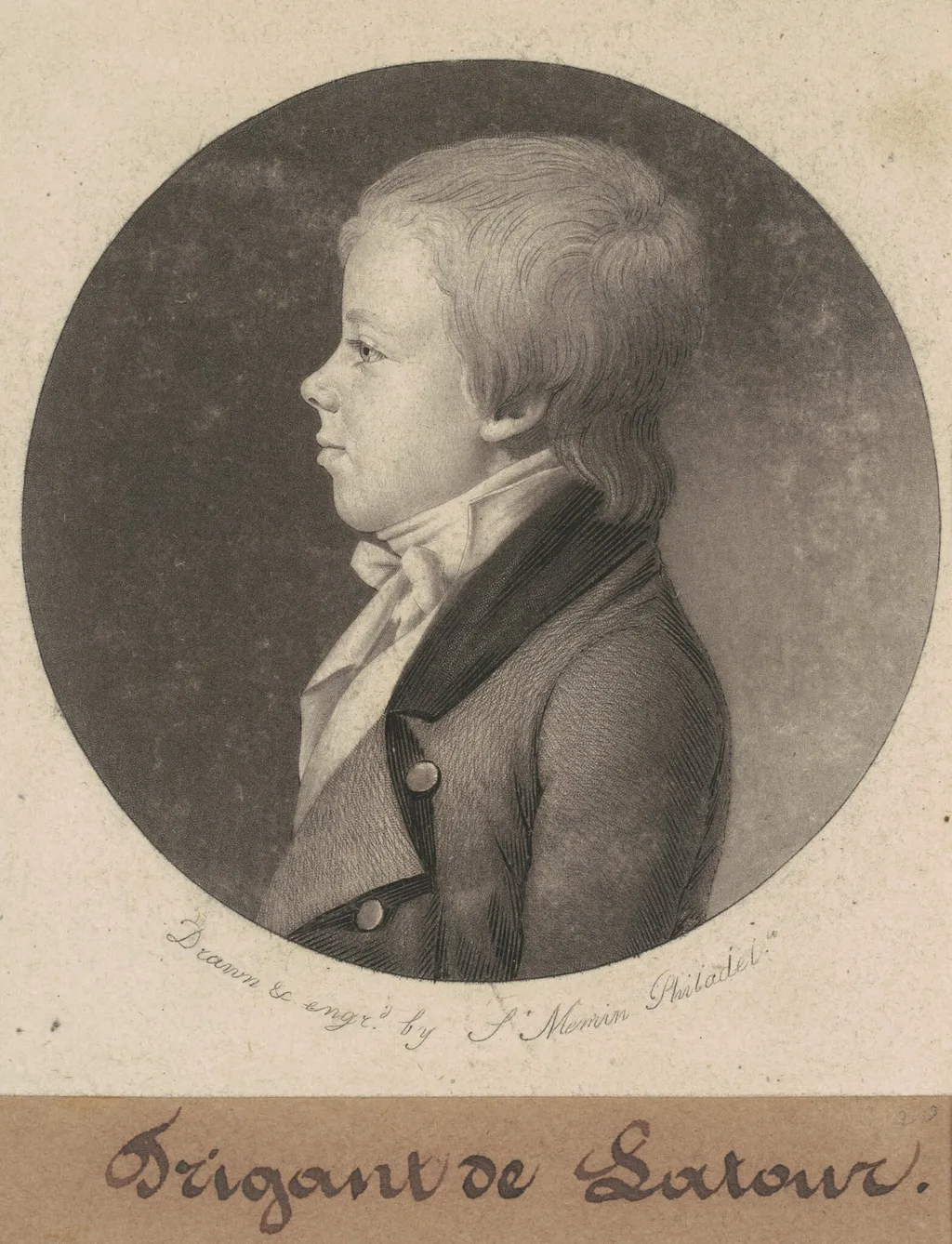
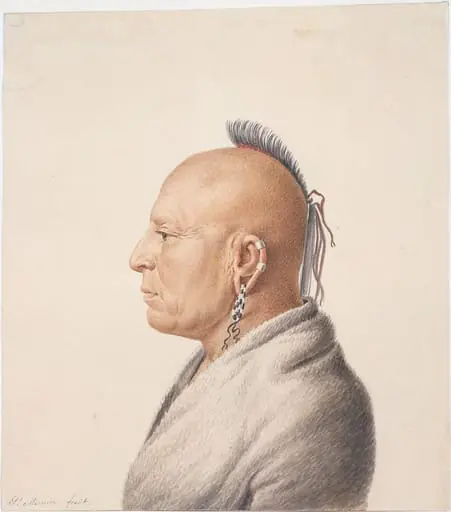
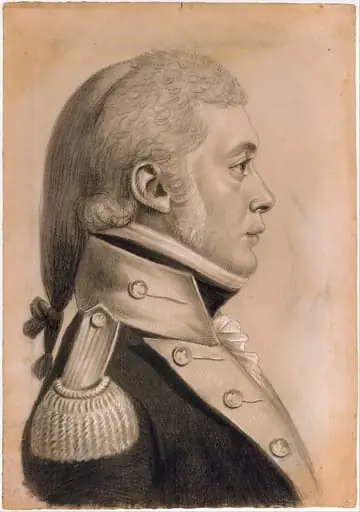
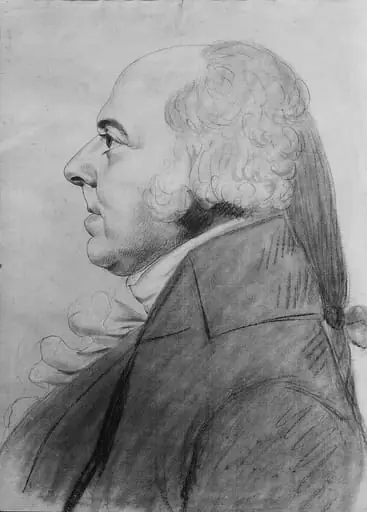
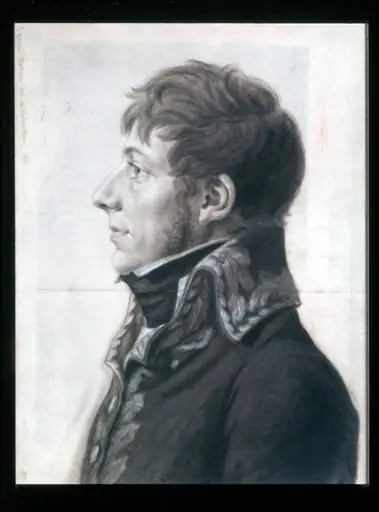
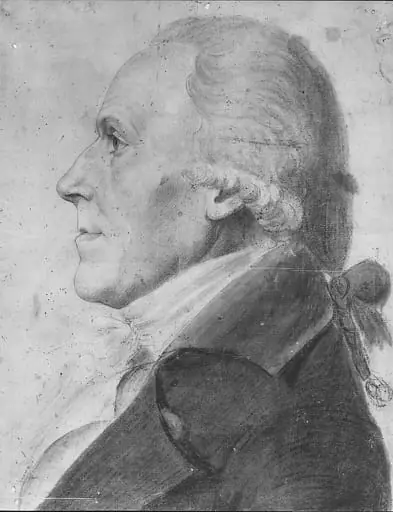
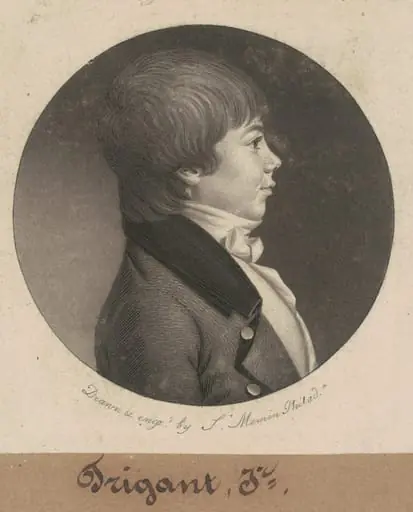
Trigant de la Tour is an ink print by the Romanticist artist Charles Balthazar Julien Févret de Saint-Mémin. It dates from 1801 and is held in the collection of the National Gallery of Art. This print, created by Charles B.
About this work
Overview
Executed in mezzotint and engraving on wove paper, it is mounted on a darker support to enhance tonal contrast.
This print, created by Charles B. J. Févret de Saint-Mémin, depicts Trigant de la Tour in a restrained, formal pose. Executed in mezzotint and engraving on wove paper, it is mounted on a darker support to enhance tonal contrast. The work belongs to the Smithsonian National Portrait Gallery’s collection and is held in the public domain, reflecting its historical status as a documented portrait from early American print culture.
Subject & Meaning
Trigant de la Tour is portrayed with quiet dignity, facing left with hands clasped over a walking stick. His neatly tied white hair and dark coat suggest age and composure, possibly indicating social standing or professional reserve. The portrait conveys no overt narrative, instead emphasizing stillness and self-possession, consistent with the era’s preference for dignified individual representation over dramatic expression.
Technique & Style
Saint-Mémin employed mezzotint and fine engraving to model subtle gradations of light and shadow, achieving a soft, sculptural effect. The surface is meticulously detailed, with controlled lines defining texture in fabric and hair. The composition avoids flourish, favoring clarity and precision—a hallmark of his academic training and the neoclassical aesthetic prevalent in early 19th-century American portraiture.
History & Provenance
Created during Saint-Mémin’s time in Philadelphia, this portrait is one of many he produced after relocating from Paris in the 1790s. He established a practice of making portrait engravings for American elites, often using the physiognotrace device to trace profiles before refining them by hand. This work entered the Smithsonian’s collection as part of its broader effort to document early national portraiture.
Context
Saint-Mémin’s work emerged in a period when portraiture in the United States was transitioning from painted likenesses to more accessible printed forms. His technique bridged European academic traditions and American demand for affordable, repeatable images. This print reflects the cultural aspiration toward refinement and record-keeping among the educated classes in post-revolutionary America.
Legacy
Saint-Mémin’s portraits, including this one, remain significant as early examples of American printmaking that combined technical precision with psychological restraint. His output helped establish engraving as a legitimate medium for portraiture in the U.S., influencing later generations of artists who sought to document national figures through reproducible imagery.
Artist & collection

Artist
Charles Balthazar Julien Févret de Saint-Mémin
Charles Balthazar Julien Févret de Saint-Mémin (French pronunciation: ; 1770–1852) was a French portrait painter and museum director.