Artwork
Freeman
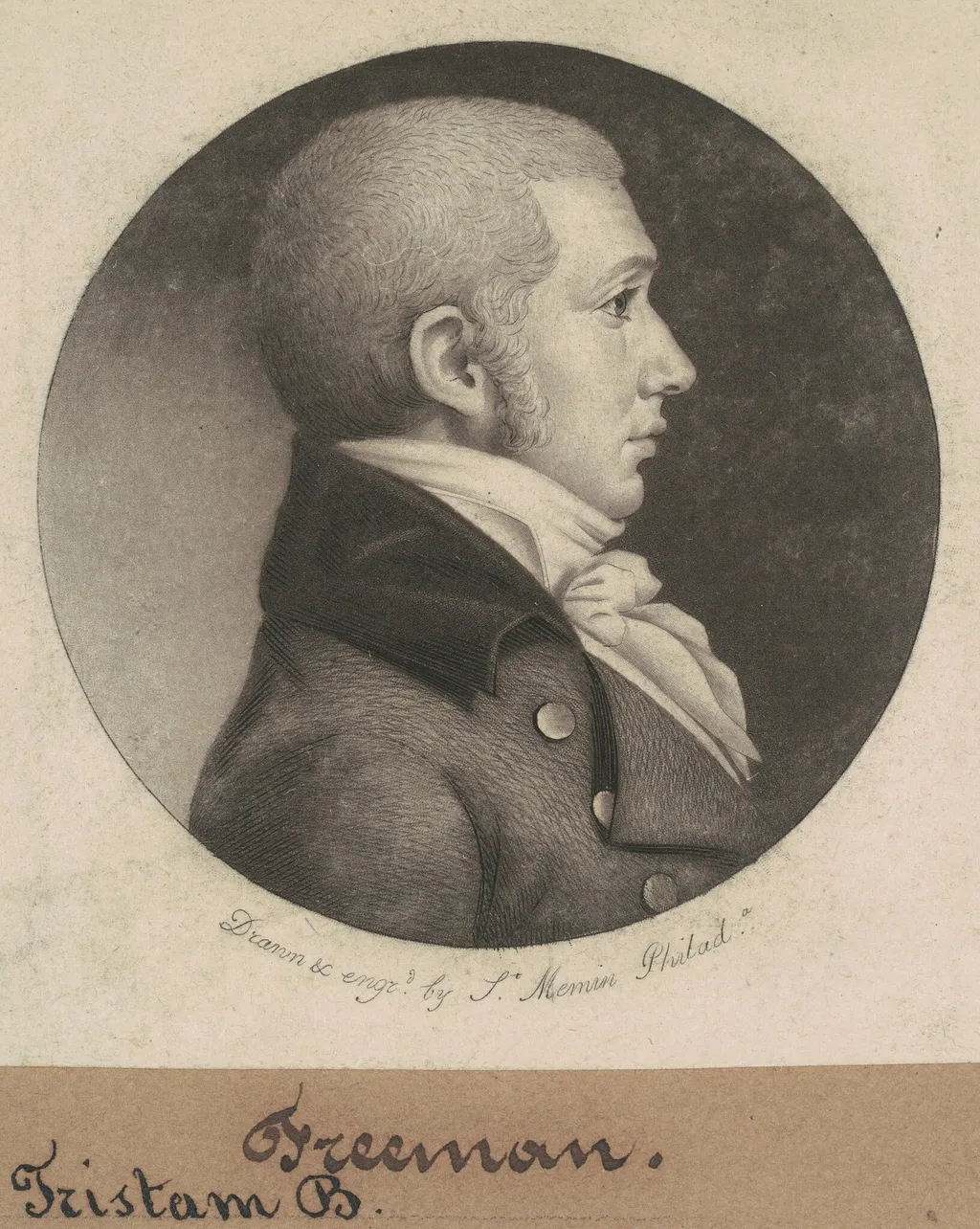
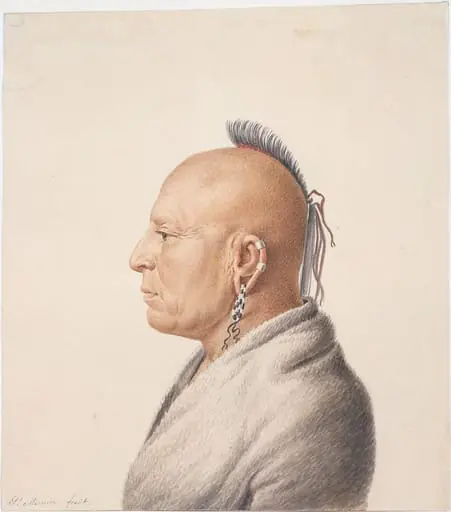
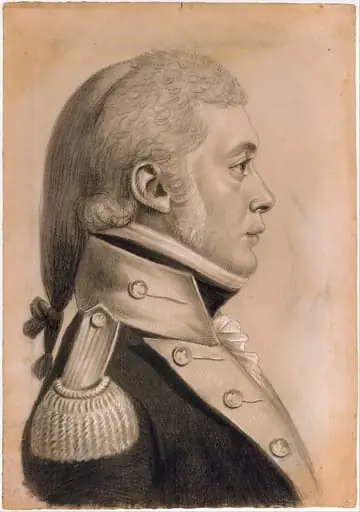
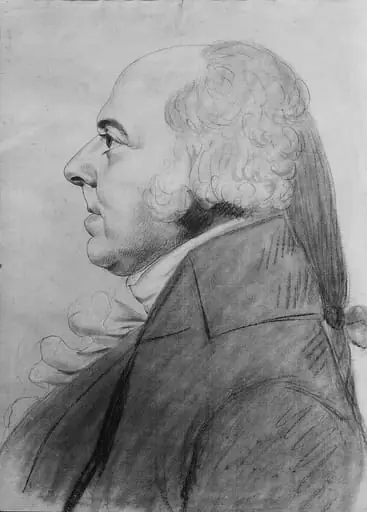
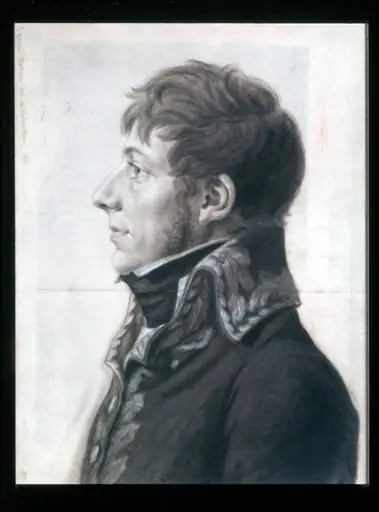
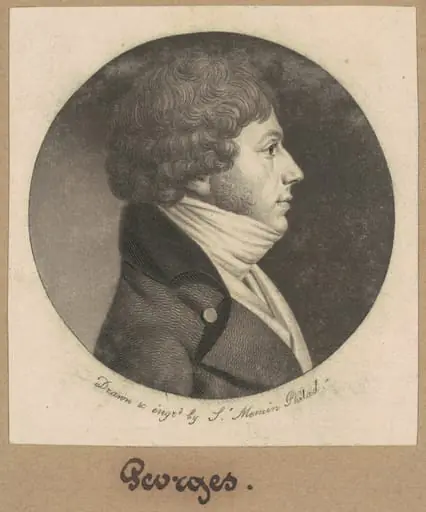
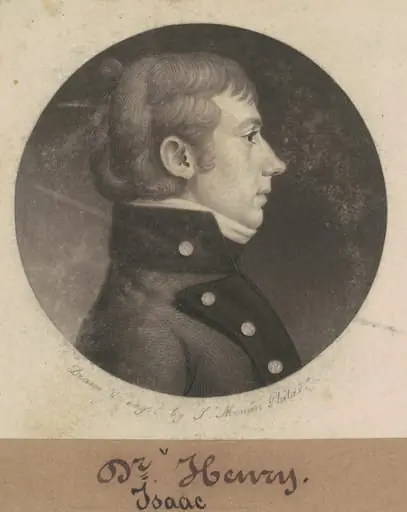
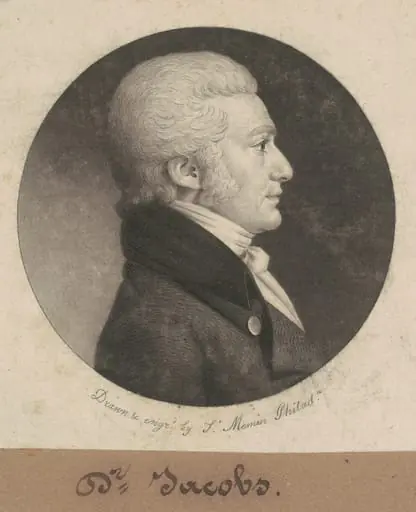
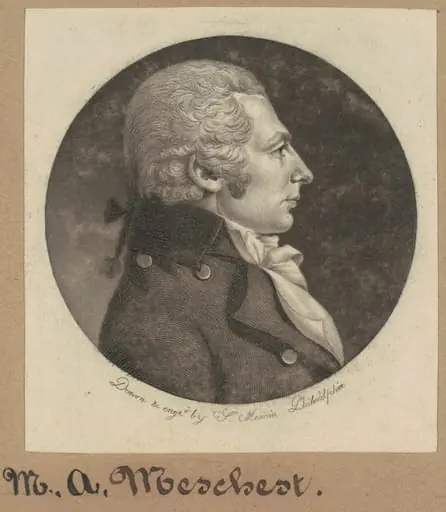
Freeman is an ink print by the Romanticist artist Charles Balthazar Julien Févret de Saint-Mémin. It dates from 1802 and is held in the collection of the National Gallery of Art. Created in 1802, this small mezzotint and engraving measures just under six centimeters on each side.
About this work
Overview
The piece belongs to the Corcoran Collection and exemplifies early nineteenth‑century printmaking aimed at disseminating likenesses of notable individuals.
Created in 1802, this small mezzotint and engraving measures just under six centimeters on each side. Executed on wove paper that has been mounted to a brown backing, the work presents a finely rendered portrait of a gentleman in period attire. The piece belongs to the Corcoran Collection and exemplifies early nineteenth‑century printmaking aimed at disseminating likenesses of notable individuals.
Subject & Meaning
The figure portrayed is William Henry Harrison, who would later assume the presidency of the United States. By capturing Harrison’s visage before his political ascent, the image serves as a visual record of a future national leader, reflecting contemporary interest in documenting the appearance of prominent public figures for both posterity and political recognition.
Technique & Style
The artist combined mezzotint—a tonal method that builds rich shadows through a roughened plate—with precise engraving lines to achieve a high degree of detail. This hybrid approach allows subtle gradations of dark and light across the subject’s face and clothing, while the engraved outlines preserve crisp definition, resulting in a balanced interplay of texture and clarity within the miniature format.
History & Provenance
Attributed to Charles B. J. Févret de Saint‑Mémin, a French émigré noted for his portrait prints of American personalities, the work entered the Corcoran Collection, a major repository of American art. Its acquisition reflects the institution’s commitment to preserving early visual documentation of the nation’s political figures, and the piece has remained in the collection since its addition.
Artist & collection

Artist
Charles Balthazar Julien Févret de Saint-Mémin
Charles Balthazar Julien Févret de Saint-Mémin (French pronunciation: ; 1770–1852) was a French portrait painter and museum director.