Artwork
James Asheton Bayard
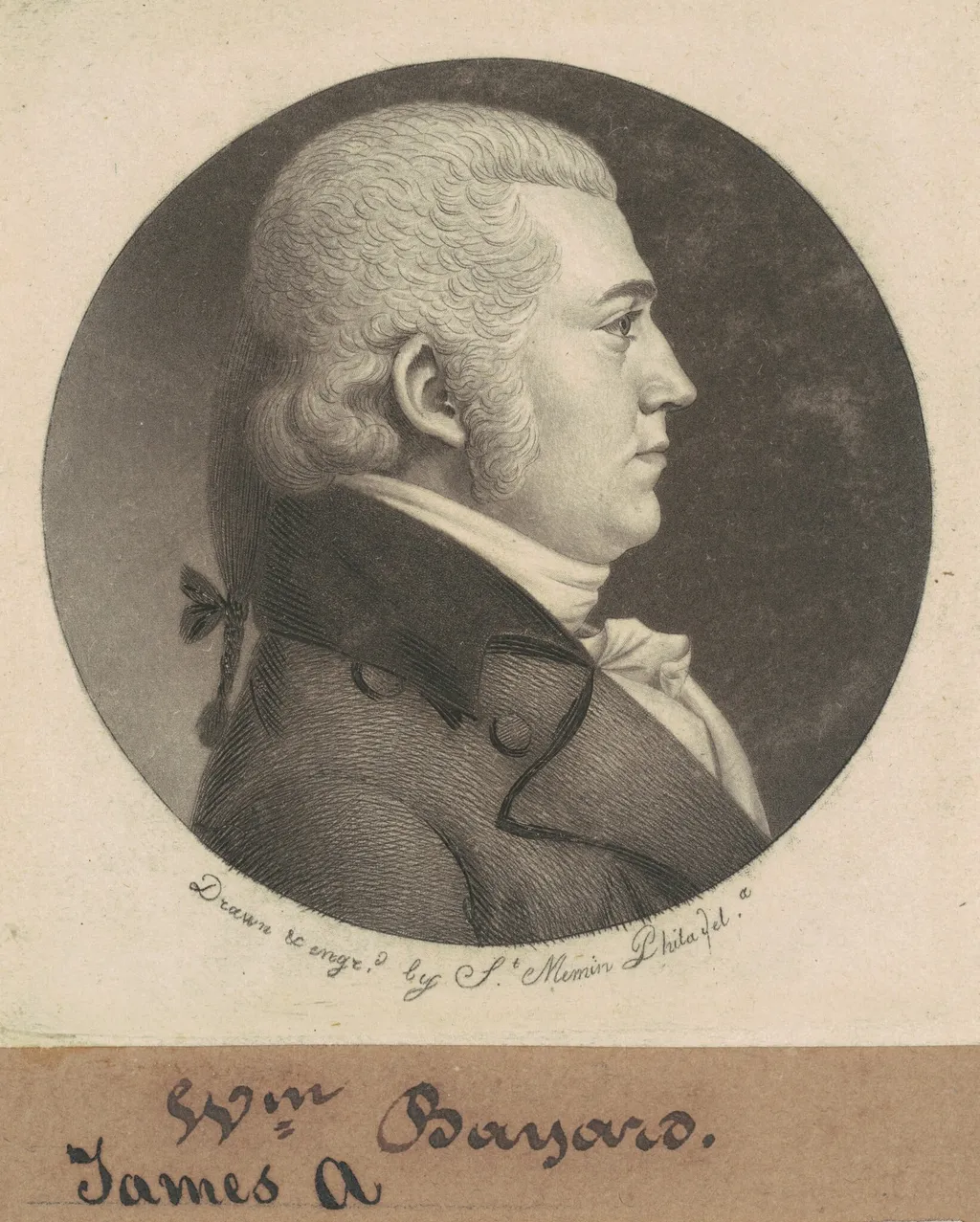
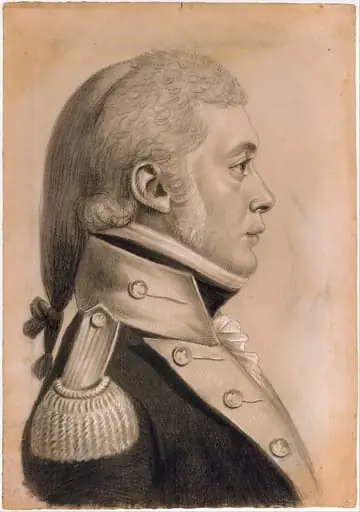
James Asheton Bayard is an ink print by the Romanticist artist Charles Balthazar Julien Févret de Saint-Mémin. It dates from 1801 and is held in the collection of the National Gallery of Art.
About this work
You can learn more about this technique by looking into the work of artist: Saint-Mémin, Charles B.
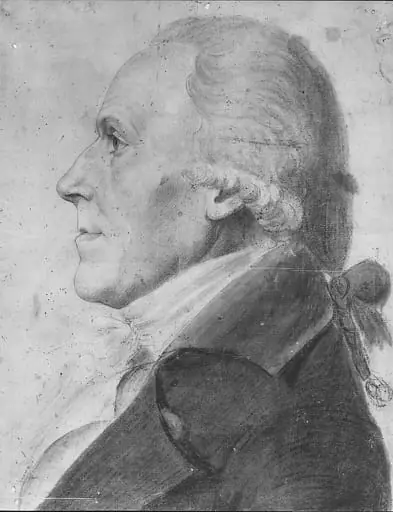
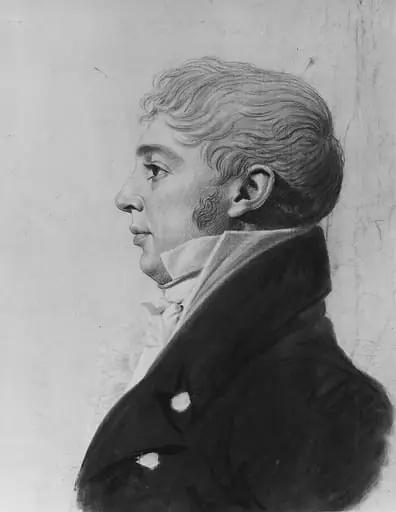
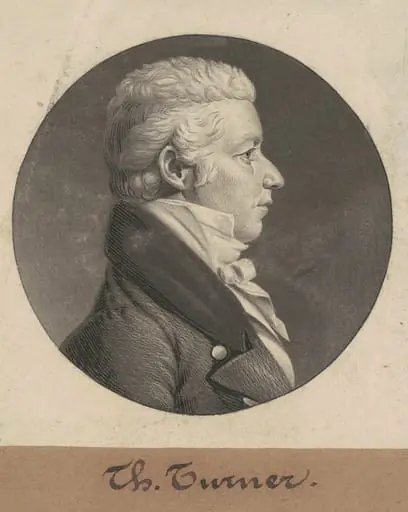
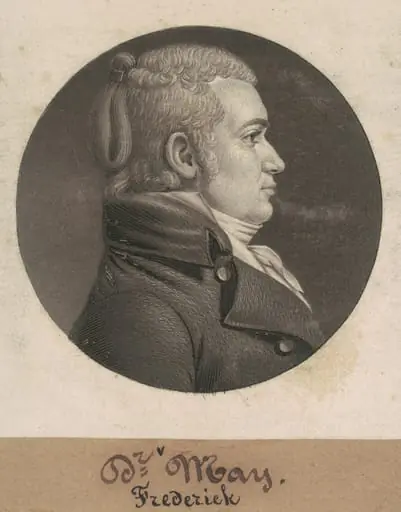
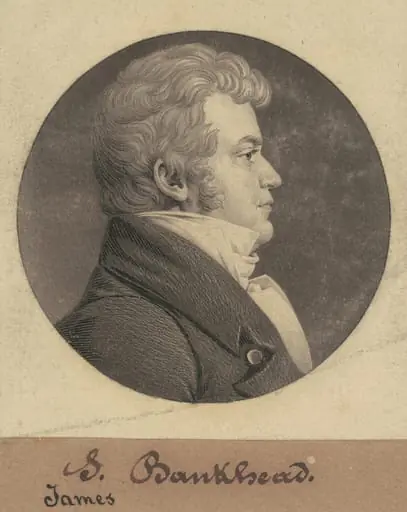
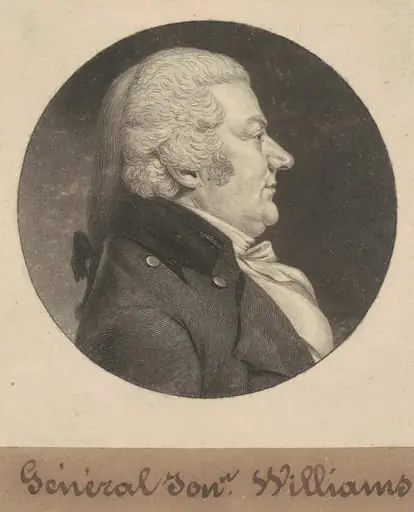
You see a portrait of James Asheton Bayard in formal attire.
He's dressed up and looks serious.
The artist made this portrait using a special process.
The portrait is small, only about 5.56 cm square.
It was made in 1801, and the artist was working in Philadelphia at the time.
This was a common way to make portraits back then.
You can learn more about this technique by looking into the work of artist: Saint-Mémin, Charles B. J. Févret de.
Overview
James Asheton Bayard is a portrait print created in 1801 by Charles B. J. Févret de Saint-Mémin. The work measures 5.56 × 5.56 cm and combines mezzotint and engraving techniques on black ink on wove paper, mounted to brown wove paper.
Subject & Meaning
The portrait depicts James Asheton Bayard in formal attire, conveying a sense of solemnity through his serious expression. The subject's formal dress suggests a representation of professional or social stature.
Technique & Style
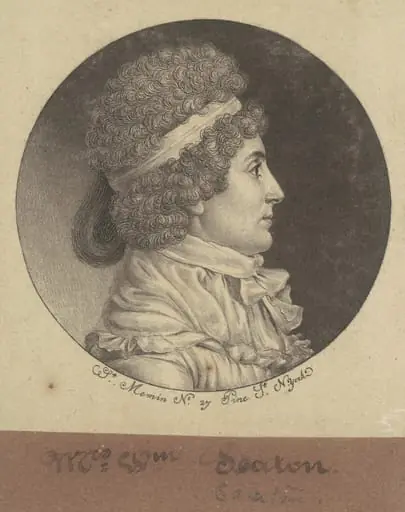
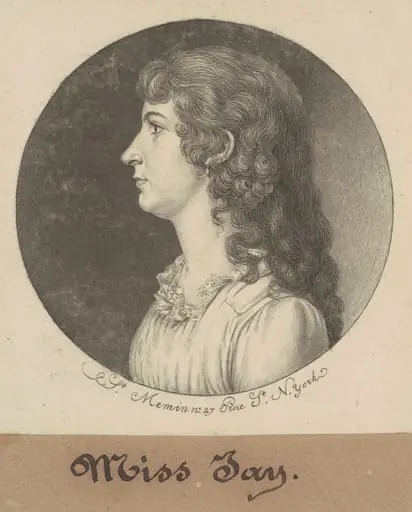
Executed in mezzotint and engraving, the portrait exemplifies a prevalent 18th-century technique for portrait reproduction. Saint-Mémin's use of these methods reflects the artistic conventions of his time, producing a detailed, high-contrast image.
History & Provenance
Created in 1801 while the artist was based in Philadelphia, the portrait is attributed to Saint-Mémin's American period. The small format was typical for such portraits, facilitating widespread reproduction and distribution.
Context
This work is part of a broader practice of portrait engraving common among artists like Saint-Mémin, who used these techniques to capture likenesses of notable figures for circulation. For deeper insight into this method, exploring Saint-Mémin's body of work provides context.
Legacy
As a representative example of early 19th-century portrait engraving, James Asheton Bayard contributes to the historical record of artistic techniques and societal portraiture practices during this era.
Artist & collection

Artist
Charles Balthazar Julien Févret de Saint-Mémin
Charles Balthazar Julien Févret de Saint-Mémin (French pronunciation: ; 1770–1852) was a French portrait painter and museum director.