Artwork
William Hill Wells
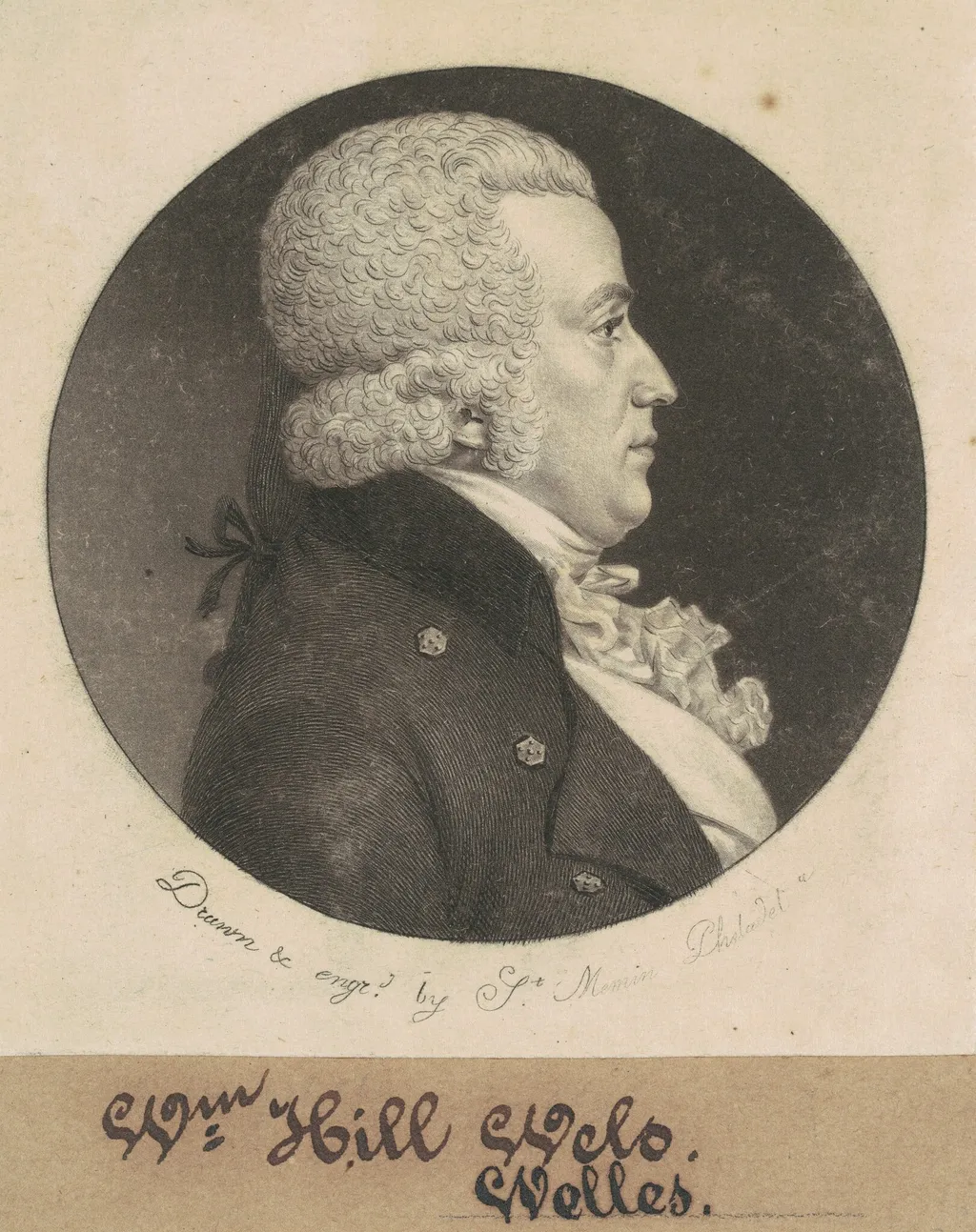
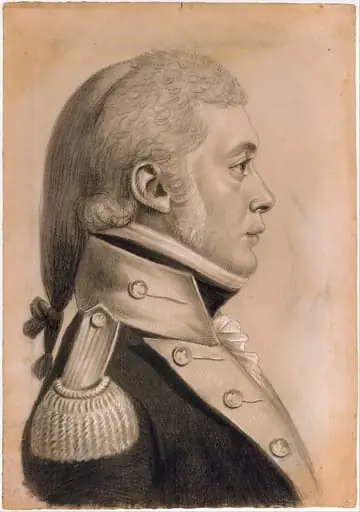
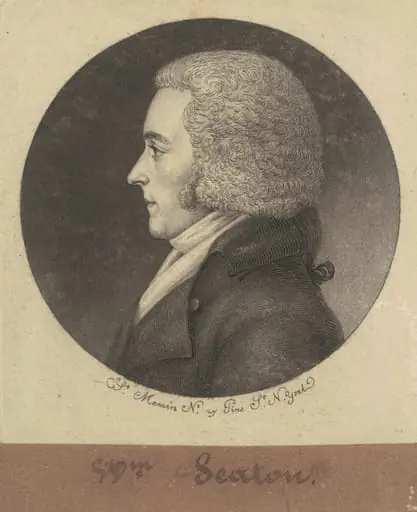
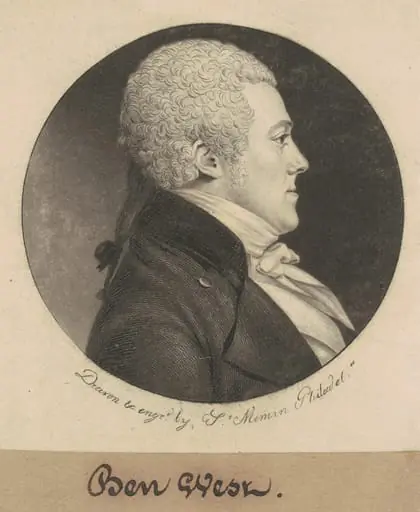
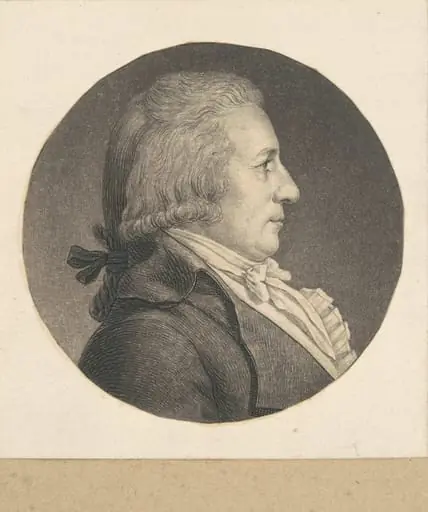
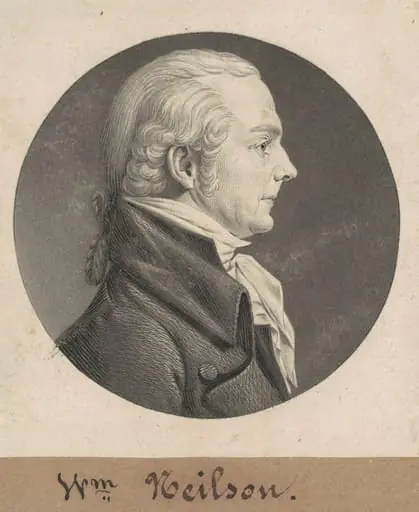
William Hill Wells is an ink print by the Romanticist artist Charles Balthazar Julien Févret de Saint-Mémin. It dates from 1798 and is held in the collection of the National Gallery of Art.
About this work
Overview
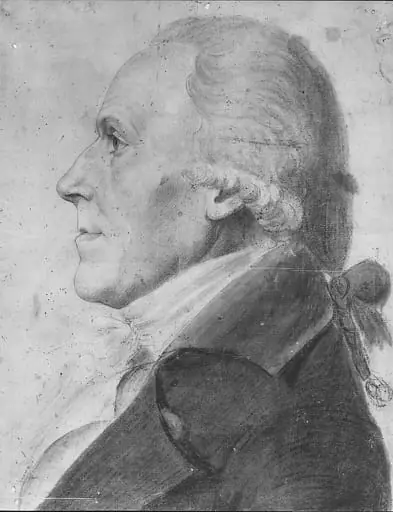
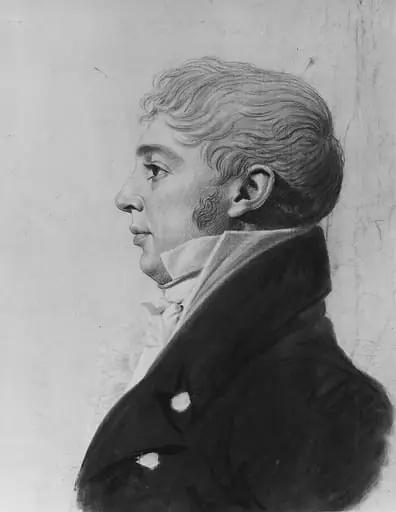
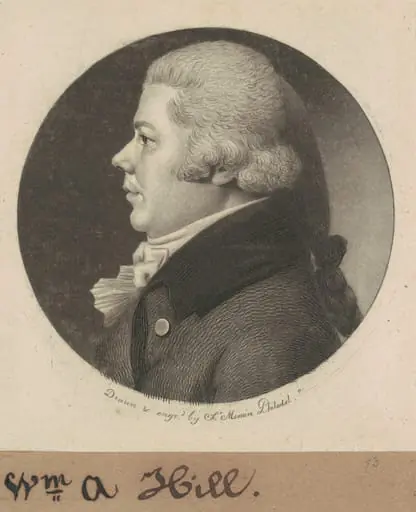
This print presents a profile portrait of William Hill Wells, rendered in stark black on wove paper that has been mounted to a brown backing sheet. The image captures the sitter’s forward‑gazing, solemn expression with a high degree of realism, emphasizing the contours of his face and the fine details of his attire.
Subject & Meaning
William Hill Wells, a noted figure of his era, is depicted in a dignified, forward‑looking stance that conveys a sense of gravitas and public presence. The portrait’s restrained composition and serious demeanor reflect the conventions of early‑19th‑century portraiture, where the subject’s character and status were communicated through compositional clarity rather than overt symbolism.
Technique & Style
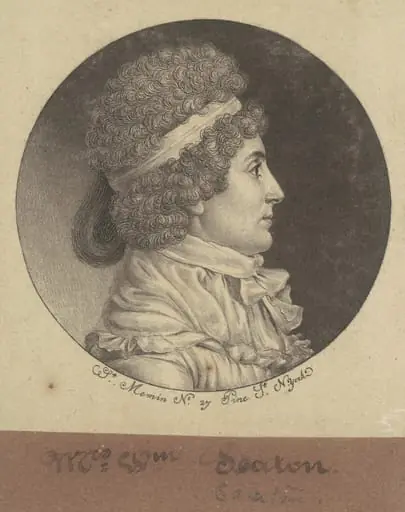
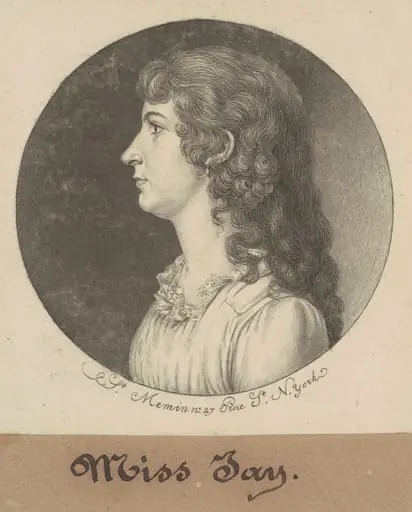
Created by Charles B.J. Févret de Saint‑Mémin, the work combines mezzotint and engraving methods. The mezzotint technique provides a rich tonal range, allowing subtle gradations of light and shadow, while the engraved lines add crisp definition to facial features and clothing. The black‑on‑paper palette underscores the contrast and depth characteristic of Saint‑Mémin’s portrait prints.
History & Provenance
The print is part of the Corcoran Collection, indicating its acquisition by the institution that gathered significant American artworks in the 19th and early 20th centuries. Saint‑Mémin, a French émigré known for his portrait prints of American political and social leaders, produced this image during his productive period in Washington, D.C.
Context
Saint‑Mémin’s portraiture emerged at a time when printed images were a primary means of disseminating likenesses of prominent individuals. His skill in merging mezzotint’s tonal richness with the precision of engraving made his works especially valued for capturing both the physical likeness and the perceived stature of subjects like Wells.
Artist & collection

Artist
Charles Balthazar Julien Févret de Saint-Mémin
Charles Balthazar Julien Févret de Saint-Mémin (French pronunciation: ; 1770–1852) was a French portrait painter and museum director.