Artwork
James Calhoun
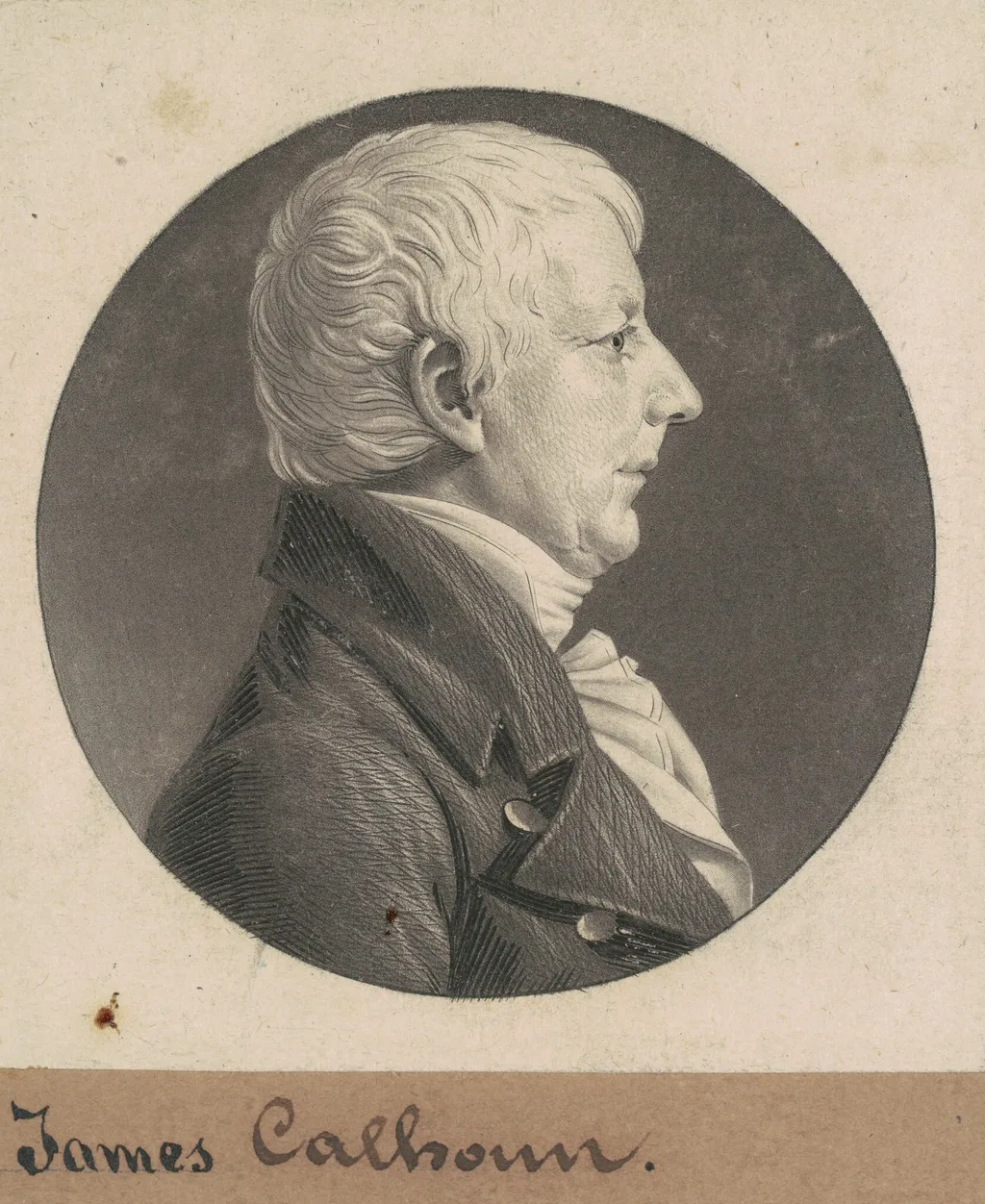
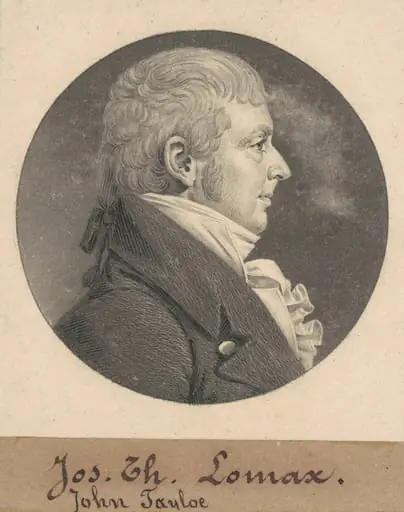
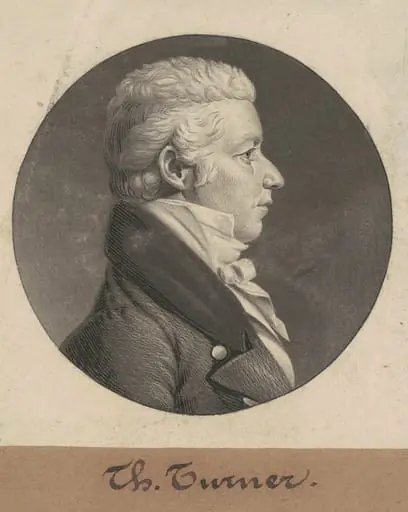
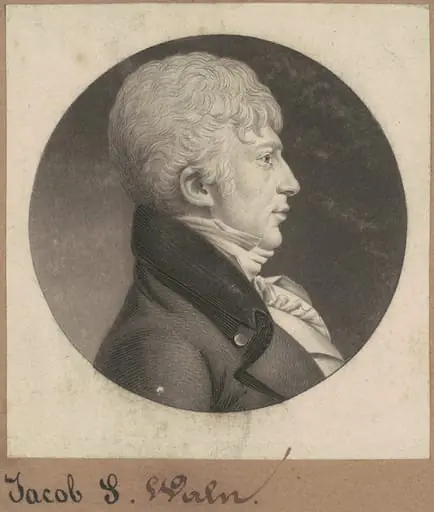
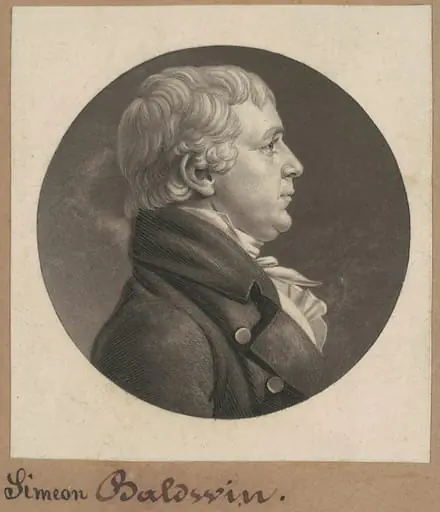
James Calhoun is an ink print by the Romanticist artist Charles Balthazar Julien Févret de Saint-Mémin. It dates from 1803 and is held in the collection of the National Gallery of Art. Created in 1803, this small print measures just under six centimeters on each side.
About this work
Overview
Created in 1803, this small print measures just under six centimeters on each side. Executed in mezzotint and engraving on wove paper, it presents a tightly focused portrait of a gentleman rendered in black tones. The work belongs to the National Gallery of Art’s holdings.
Subject & Meaning
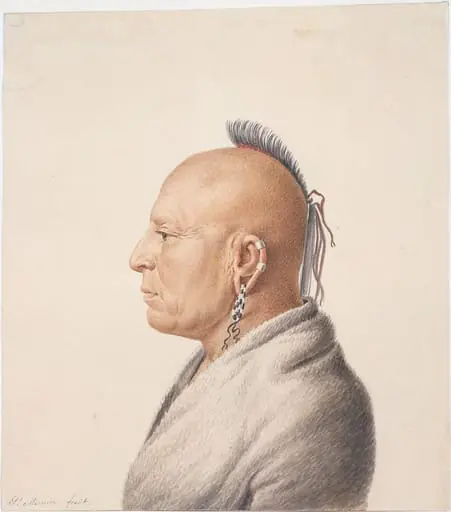
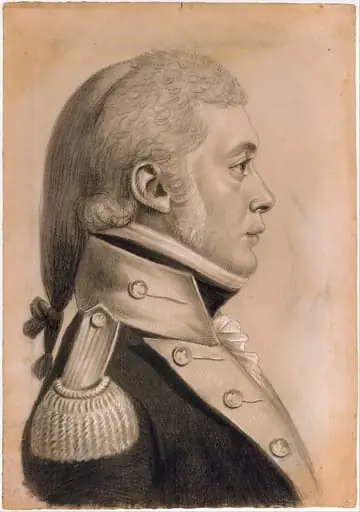
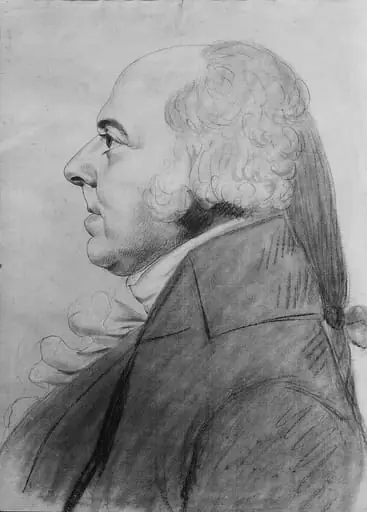
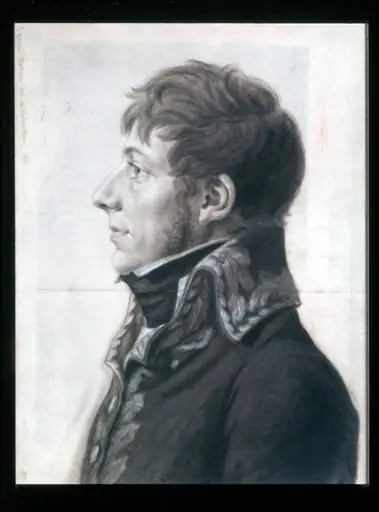
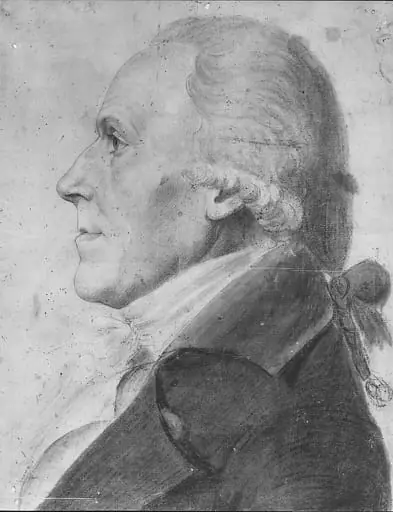
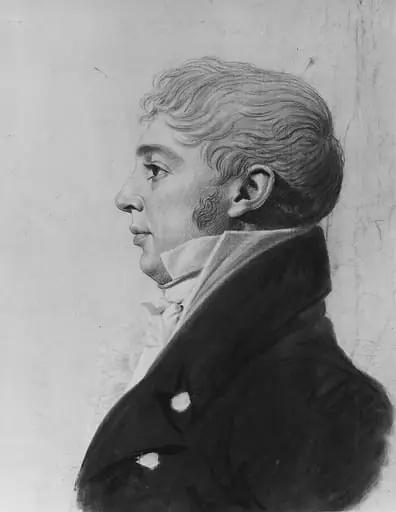
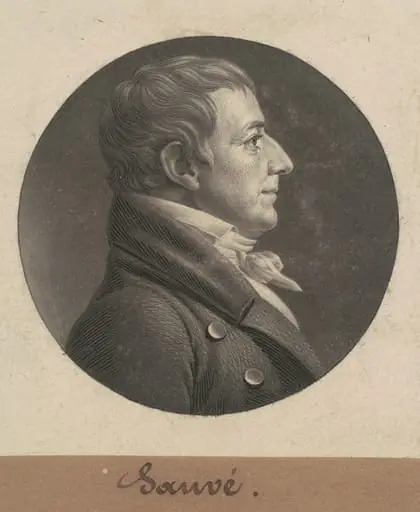
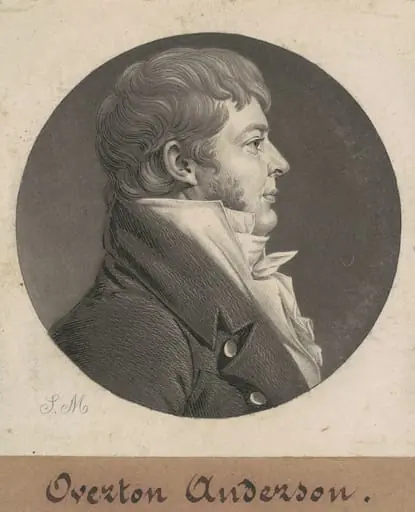
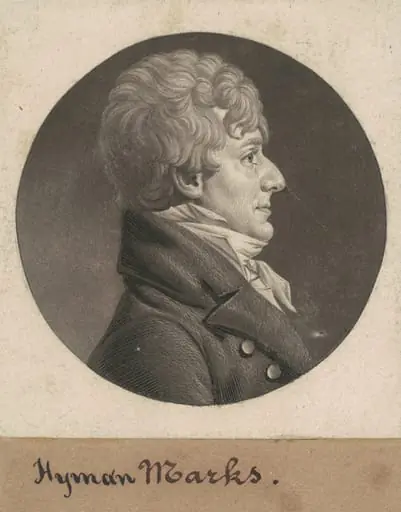
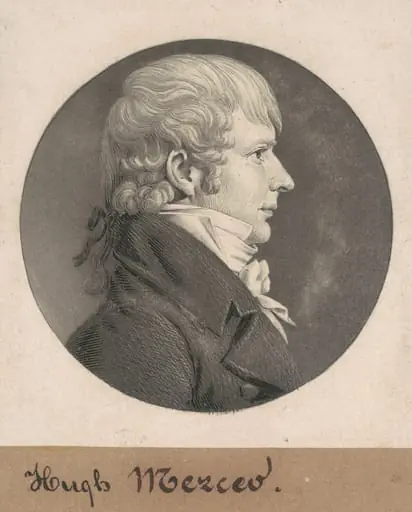
The image portrays a man with a pronounced nose, deep-set eyes, and light, wavy hair swept to one side. His expression is restrained and solemn, directing the viewer’s attention to the facial features and suggesting a dignified, perhaps official, representation.
Technique & Style
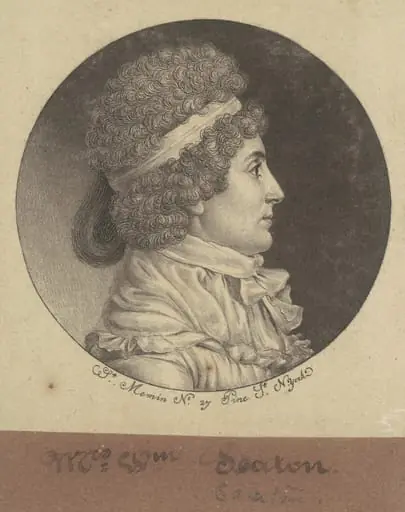
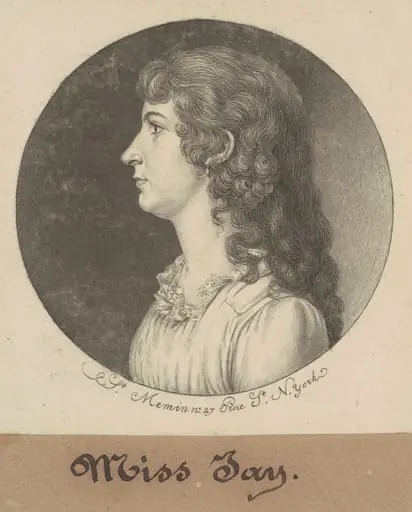
Combining mezzotint’s tonal richness with fine engraving lines, the artist achieves subtle gradations of shade and precise detailing of facial contours and clothing folds. The contrast between deep shadows and delicate highlights underscores the three‑dimensionality of the sitter’s features.
History & Provenance
The print was produced by Charles B. J. Févret de Saint‑Mémin, a French artist active in the early nineteenth century. It entered the National Gallery of Art’s collection through acquisition, though the exact path of ownership prior to that remains undocumented in the available records.
Context
During the early 1800s, portrait prints served both as personal mementos and as means of disseminating the likenesses of notable individuals. The use of mezzotint allowed for a more painterly effect, aligning the work with contemporary tastes for realistic, detailed portraiture.
Artist & collection

Artist
Charles Balthazar Julien Févret de Saint-Mémin
Charles Balthazar Julien Févret de Saint-Mémin (French pronunciation: ; 1770–1852) was a French portrait painter and museum director.