Artwork
James Philips
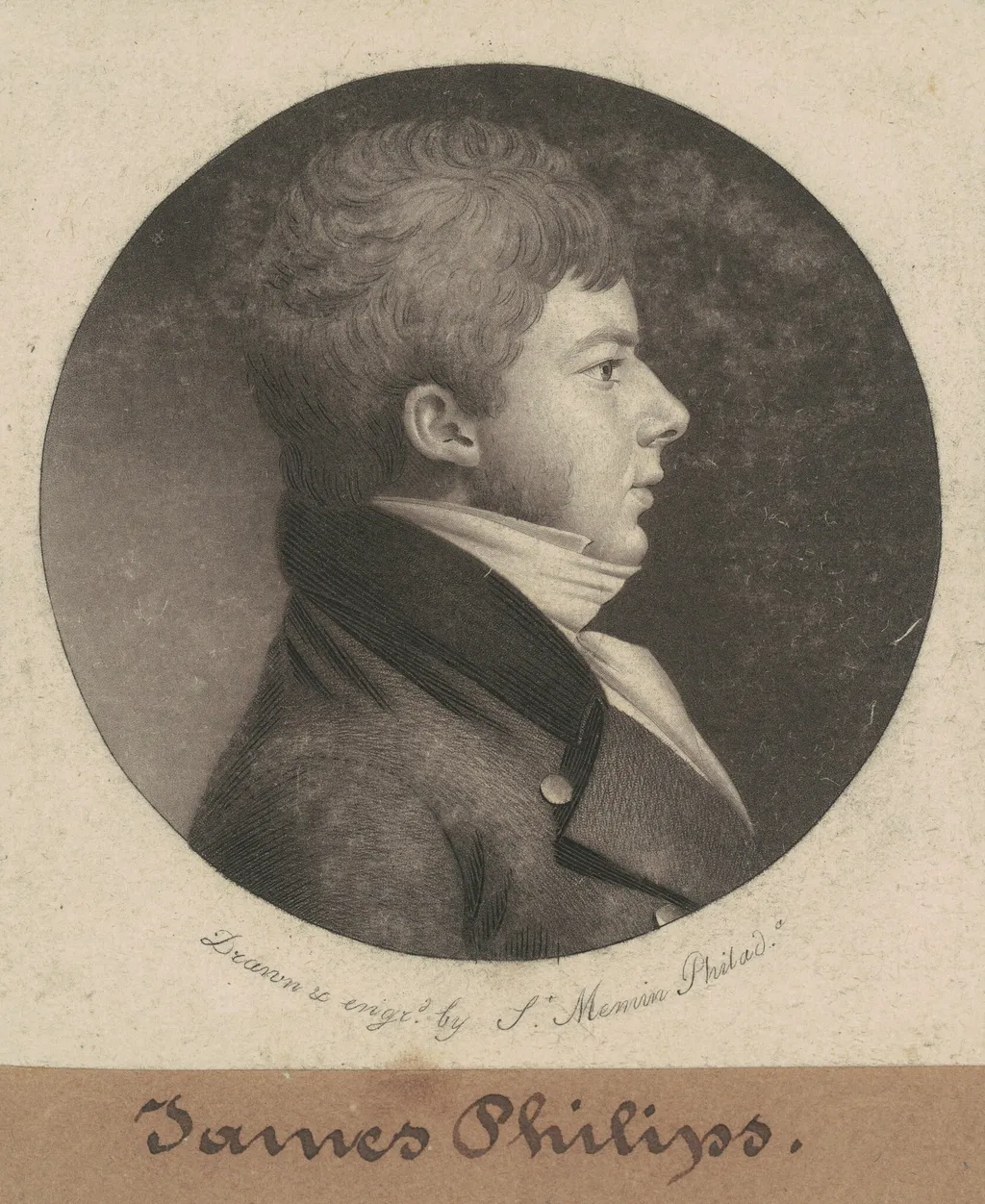
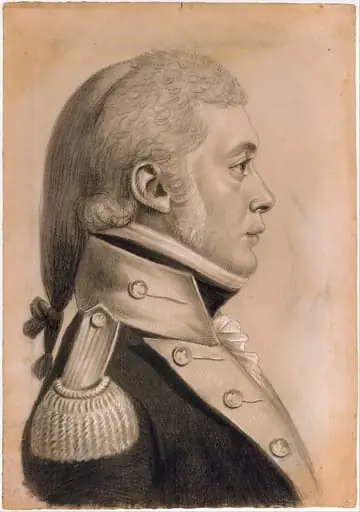
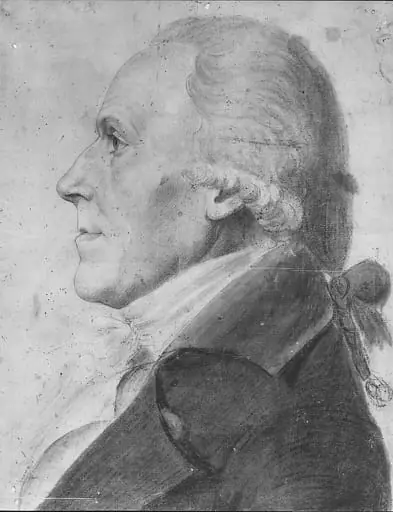
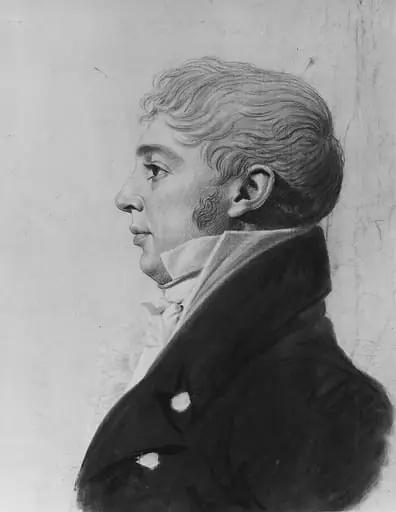
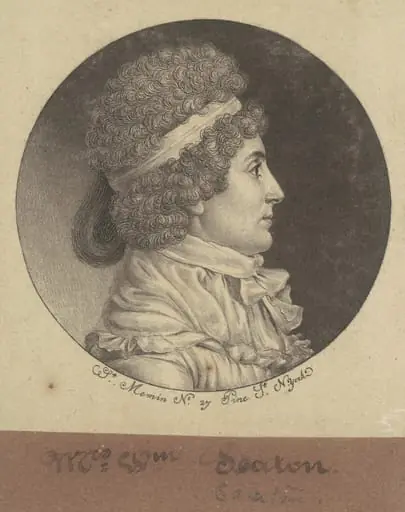
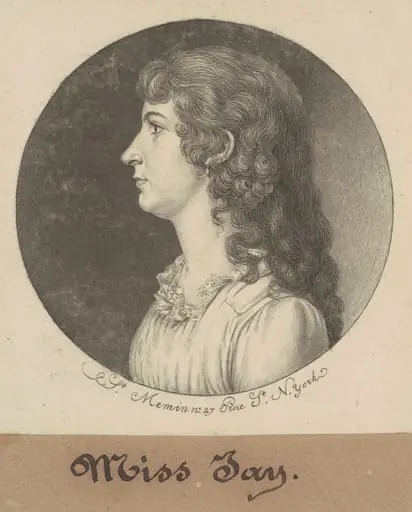
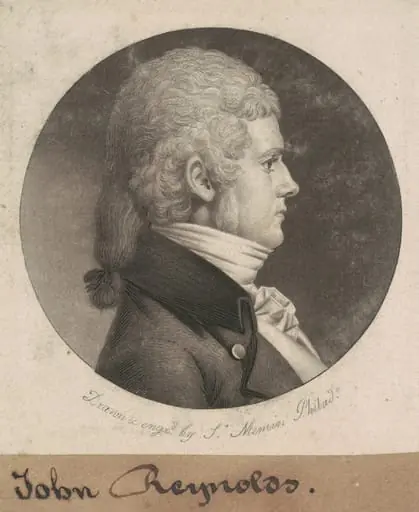
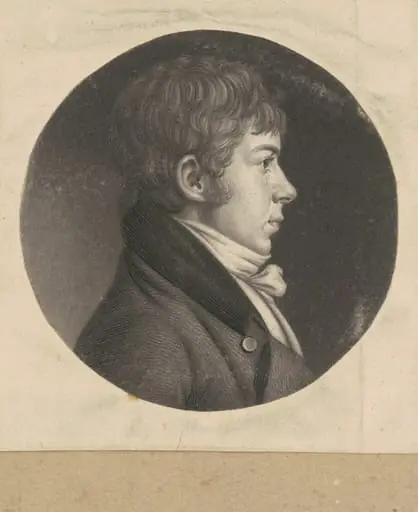
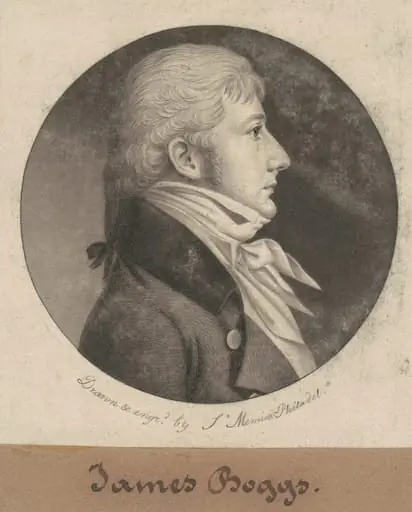
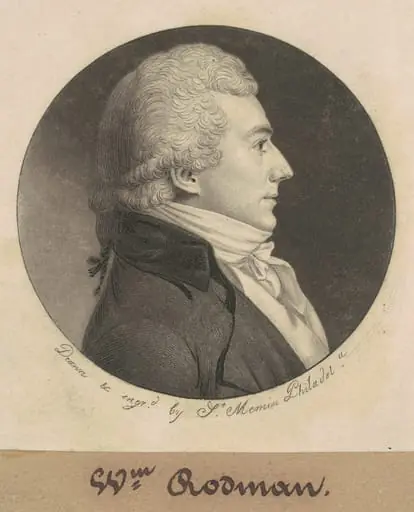
James Philips is an ink print by the Romanticist artist Charles Balthazar Julien Févret de Saint-Mémin. It dates from 1802 and is held in the collection of the National Gallery of Art. This print is a mezzotint and engraving on wove paper, mounted to a brown wove support, created after a painted portrait by Charles B.
About this work
Overview
The work was produced several years after the original painting, indicating a deliberate reuse of the composition for broader distribution through print.
This print is a mezzotint and engraving on wove paper, mounted to a brown wove support, created after a painted portrait by Charles B. J. Févret de Saint-Mémin. It depicts James Philips from the upper chest to the head, rendered in monochrome with fine tonal gradations. The work was produced several years after the original painting, indicating a deliberate reuse of the composition for broader distribution through print.
Subject & Meaning
James Philips, a figure of some social standing, is portrayed with quiet dignity. His attire and composed expression suggest professionalism or civic role, though no specific title is recorded. The profile view, common in portraiture of the era, emphasizes clarity and restraint, aligning with Enlightenment ideals of rationality and individual identity.
Technique & Style
Saint-Mémin employed mezzotint for its rich tonal range, allowing subtle transitions from deep black to soft gray, particularly in the hair and fabric textures. Engraved lines define finer details like the collar and facial contours. The style reflects his training in France and his adaptation of European portrait conventions to American subjects after his emigration.
History & Provenance
The original painted portrait dates to 1798; the print was made shortly thereafter, likely as part of Saint-Mémin’s effort to circulate likenesses of notable Americans. The print entered the National Gallery of Art’s collection through established acquisition channels, preserving its connection to early American portraiture and the artist’s printmaking practice.
Context
In the late 18th century, profile portraits were popular among American elites seeking refined, affordable likenesses. Saint-Mémin, a French émigré, became a leading practitioner of this form in the United States, blending European technique with local subjects. His work contributed to a growing visual culture of civic identity in the young republic.
Legacy
Saint-Mémin’s prints, including this one, represent a significant chapter in early American graphic arts. His method of translating painted portraits into mezzotints helped democratize portraiture, making individual likenesses accessible beyond the wealthy. His output remains a key reference for studying the intersection of art, identity, and print technology in post-Revolutionary America.
Artist & collection

Artist
Charles Balthazar Julien Févret de Saint-Mémin
Charles Balthazar Julien Févret de Saint-Mémin (French pronunciation: ; 1770–1852) was a French portrait painter and museum director.