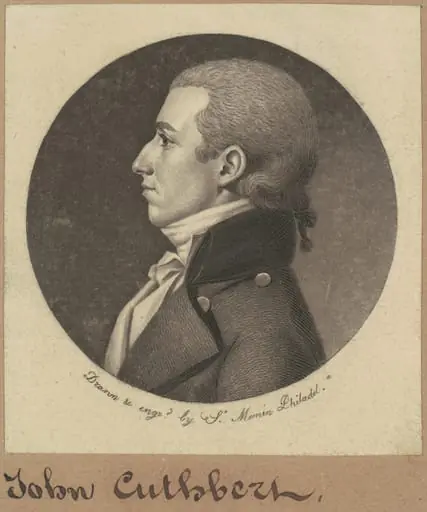
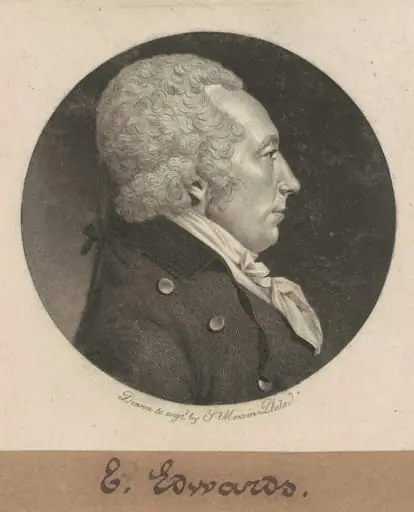
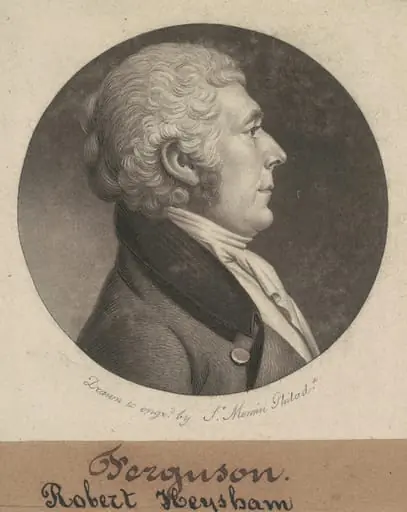
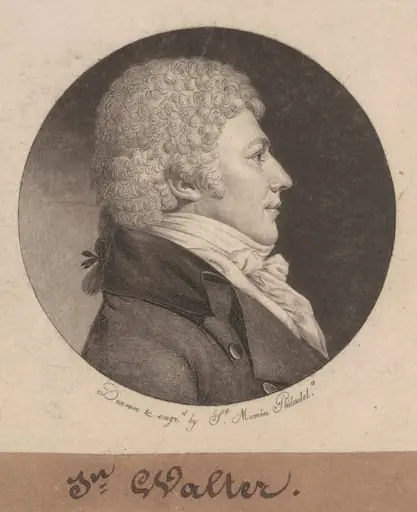
Artwork
John Rodman
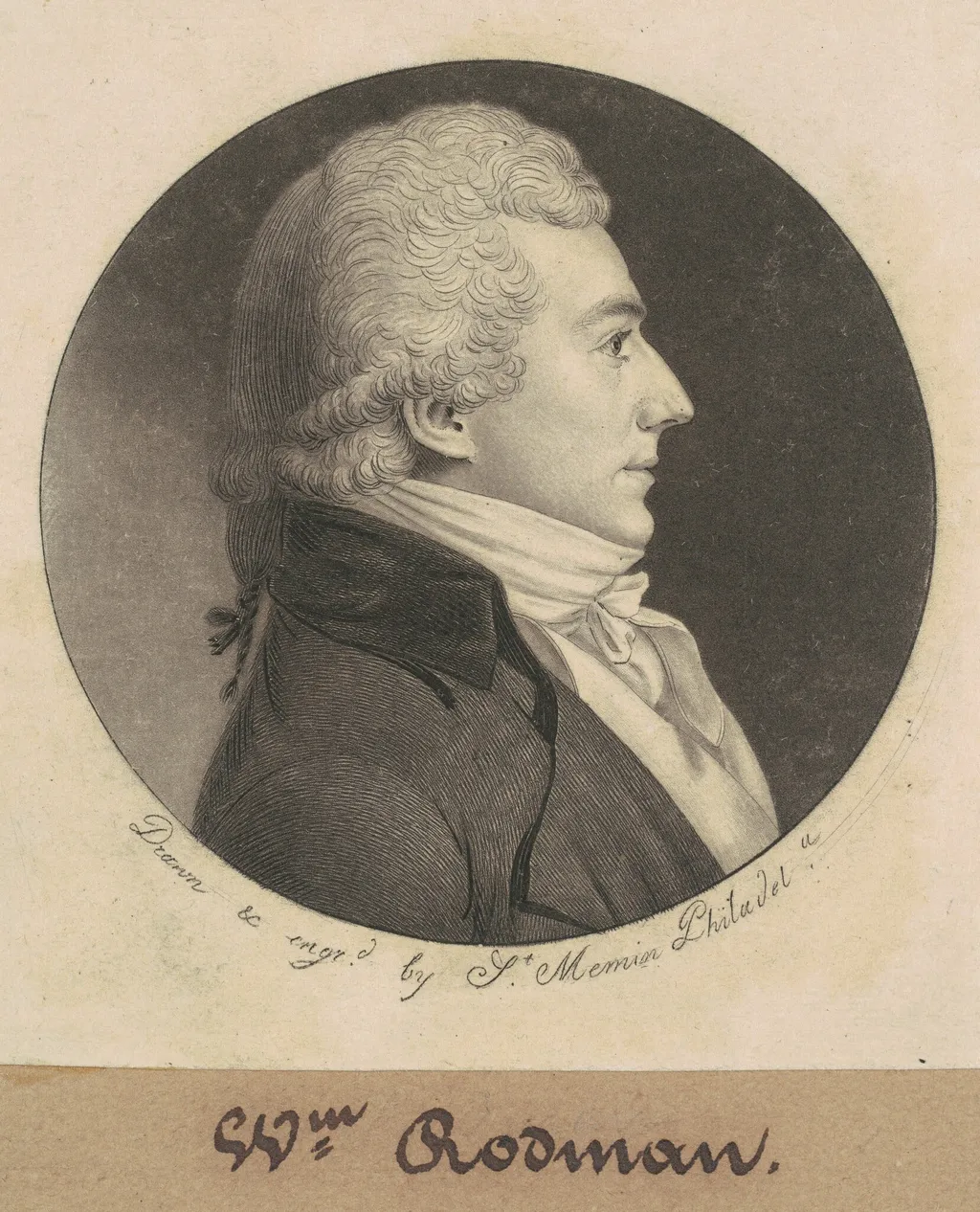
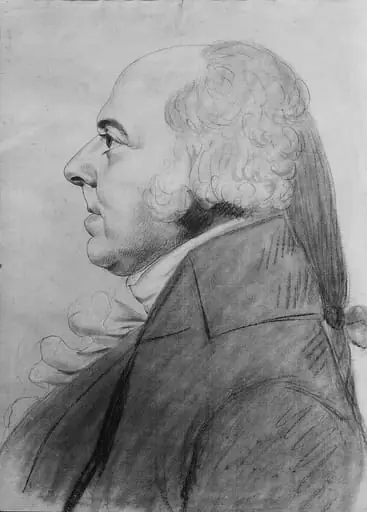
John Rodman is an ink print by the Romanticist artist Charles Balthazar Julien Févret de Saint-Mémin. It dates from 1800 and is held in the collection of the National Gallery of Art.
About this work
Overview
The work is held in the National Gallery of Art’s collection as part of a broader series of American portraits produced by Charles B.
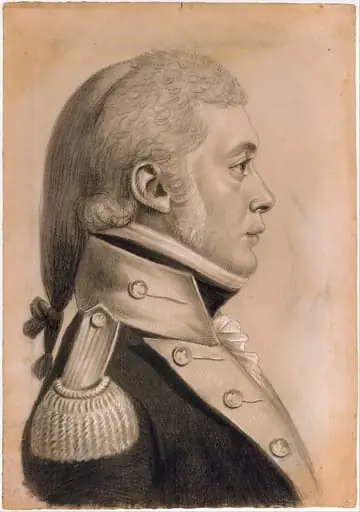
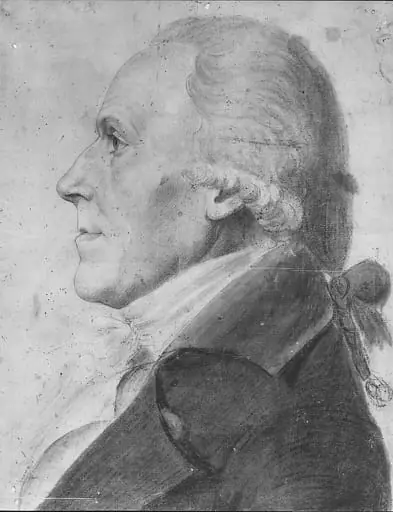
This 1799 print depicts John Rodman in profile, rendered from the shoulders upward. Executed in mezzotint and engraving on wove paper, the image is mounted on a brown wove support. The technique allows for subtle tonal gradations, emphasizing texture and form. The work is held in the National Gallery of Art’s collection as part of a broader series of American portraits produced by Charles B. J. Févret de Saint-Mémin during his time in the United States.
Subject & Meaning
John Rodman, a figure of modest historical record, is portrayed with quiet dignity. His aged features—wrinkled brow, defined nose, and thin lips—are rendered with precision, suggesting character and experience rather than status or achievement. The profile format, common in early American portraiture, conveys solemnity and introspection, aligning with the era’s preference for restrained, truthful representation over embellishment.
Technique & Style
Saint-Mémin employed mezzotint to achieve rich blacks and delicate mid-tones, then refined details with fine engraving lines. The texture of Rodman’s skin, hair, and collar emerges through controlled dot and line work, avoiding harsh outlines. The monochrome palette enhances the sculptural quality of the face, while the paper’s slight grain adds subtle warmth. This method, labor-intensive and precise, was favored for its ability to capture lifelike detail in an age before photography.
History & Provenance
Created during Saint-Mémin’s residency in the United States, this portrait is one of over 150 similar profile portraits he produced between 1793 and 1815. Rodman, likely a local resident of Philadelphia or New York, was among the middle-class subjects the artist regularly commissioned. The print was later acquired by the National Gallery of Art, where it remains as part of a significant archive of early American portraiture.
Context
In the late 18th century, profile portraits were popular among Americans seeking affordable, accurate likenesses. Saint-Mémin’s method—using a physiognotrace machine to trace silhouettes before engraving—allowed rapid production. These works served as personal mementos and civic records, reflecting a culture valuing individual identity and democratic representation, even in modest formats.
Legacy
Saint-Mémin’s series of mezzotint portraits, including this one, helped establish a visual archive of early American society. Though not widely known today, these works remain important for their technical skill and historical record. They document ordinary citizens with the same care once reserved for elites, offering insight into the values and aesthetics of a young republic.
Artist & collection

Artist
Charles Balthazar Julien Févret de Saint-Mémin
Charles Balthazar Julien Févret de Saint-Mémin (French pronunciation: ; 1770–1852) was a French portrait painter and museum director.