Artwork
John Murray
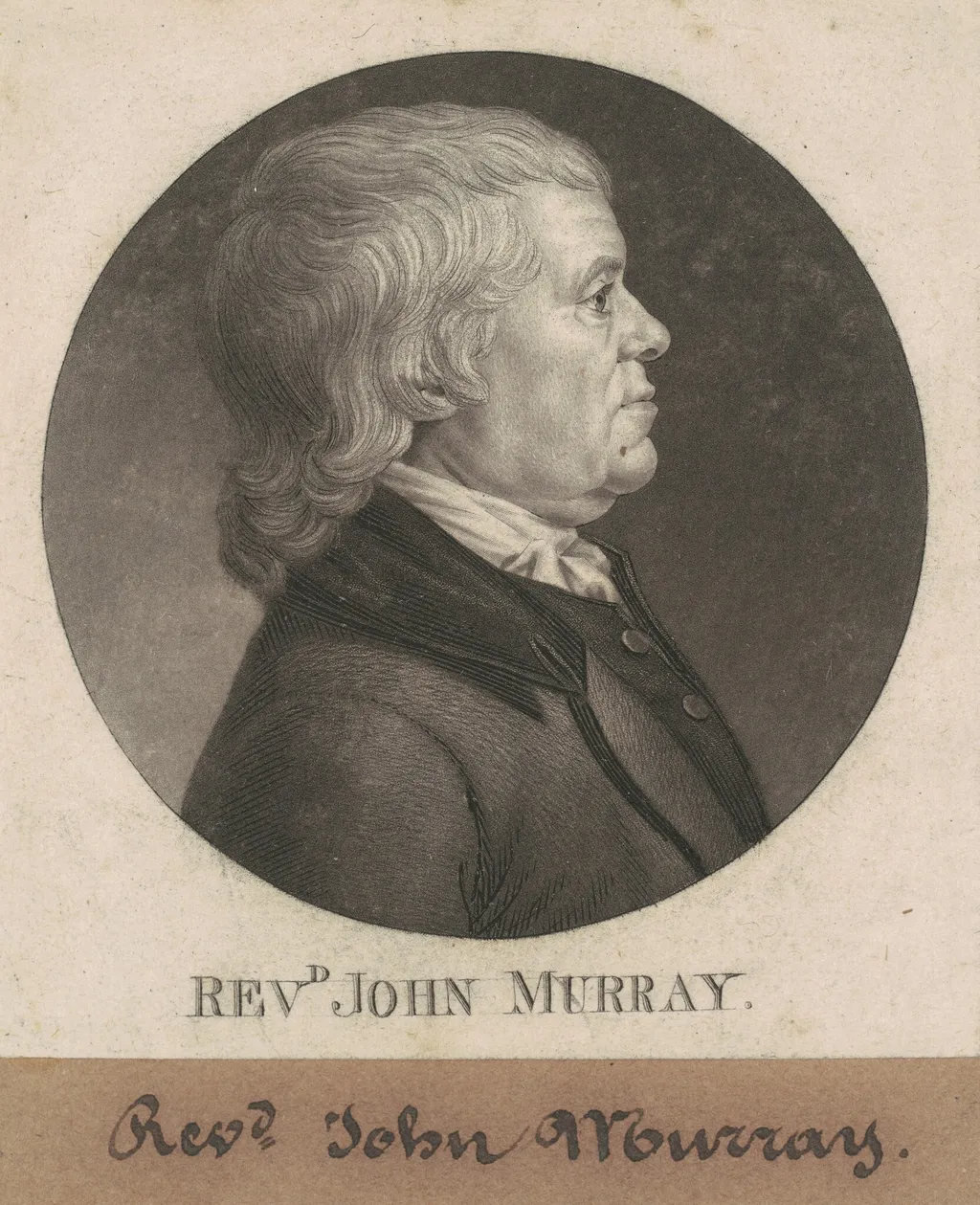
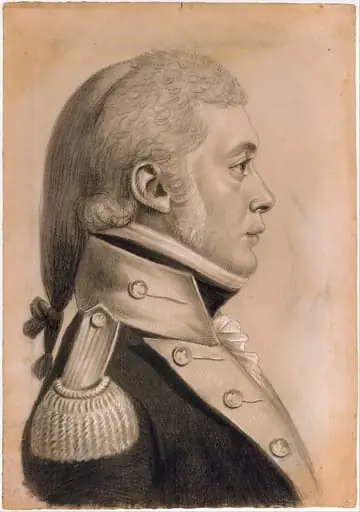
John Murray is an ink print by the Romanticist artist Charles Balthazar Julien Févret de Saint-Mémin. It dates from 1802 and is held in the collection of the National Gallery of Art.
About this work
Mezzotint lets the artist go from dark to light in one plate.
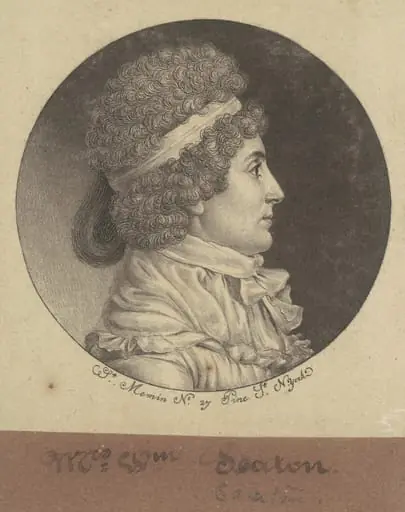
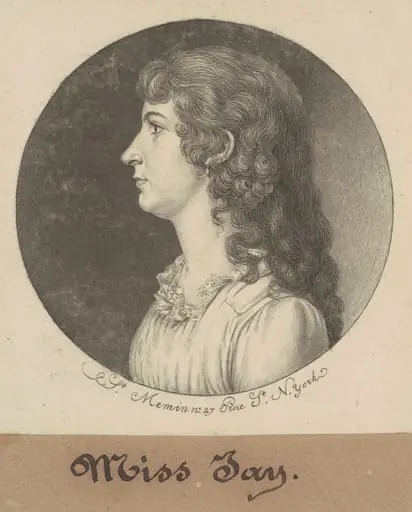
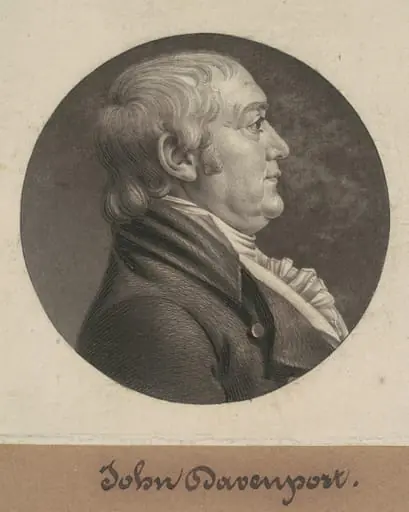
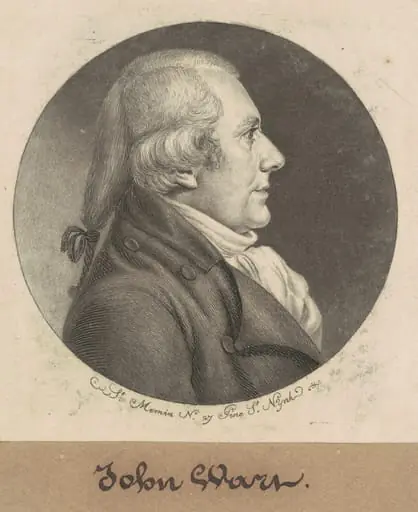
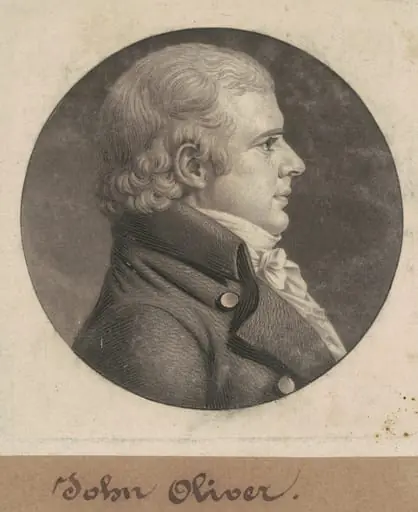
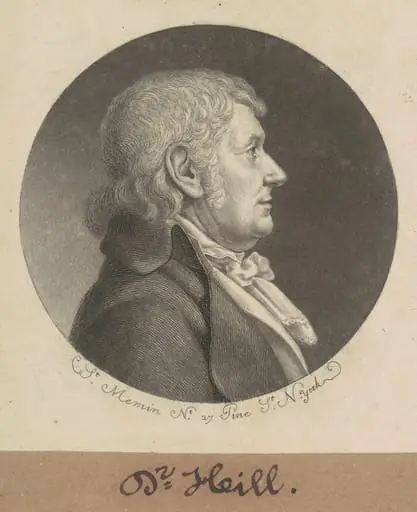
This is a small black-and-white portrait. It shows John Murray in profile, from the shoulders up. The artist used a smooth, velvety shading called mezzotint.
Mezzotint lets the artist go from dark to light in one plate. It was rare in America in 1802. Saint-Mémin brought this European method to the U.S.
The lines feel soft yet sharp. Look at the way the collar catches the light. Try searching for Saint-Mémin, Charles B. J. Févret de next.
Overview
John Murray is a small, black-and-white portrait print measuring 5.56 × 5.56 cm, executed in mezzotint and engraving on wove paper, mounted to brown wove paper.
Subject & Meaning
The portrait depicts John Murray in a head-and-shoulders profile view, focusing on his likeness without additional contextual elements.
Technique & Style
The artwork utilizes mezzotint, a European technique rare in America in 1802, characterized by smooth, velvety shading capable of transitioning from dark to light within a single plate. The execution combines soft, nuanced lines with sharp definition, as evident in the detailed rendering of the subject's collar catching light.
History & Provenance
Created in 1802 by Charles B. J. Févret de Saint-Mémin, a practitioner who introduced the mezzotint technique to the United States, bringing a European artistic method to an American context.
Context
The piece reflects the artist's role in bridging European and American artistic practices during the early 19th century, highlighting the novelty of mezzotint in the U.S. at the time.
Legacy
While specific lasting impacts of this particular work on the broader art historical canon are not detailed, it contributes to the understanding of Saint-Mémin's contribution to introducing mezzotint to America.
Artist & collection

Artist
Charles Balthazar Julien Févret de Saint-Mémin
Charles Balthazar Julien Févret de Saint-Mémin (French pronunciation: ; 1770–1852) was a French portrait painter and museum director.