Artwork
John Beale Bordley
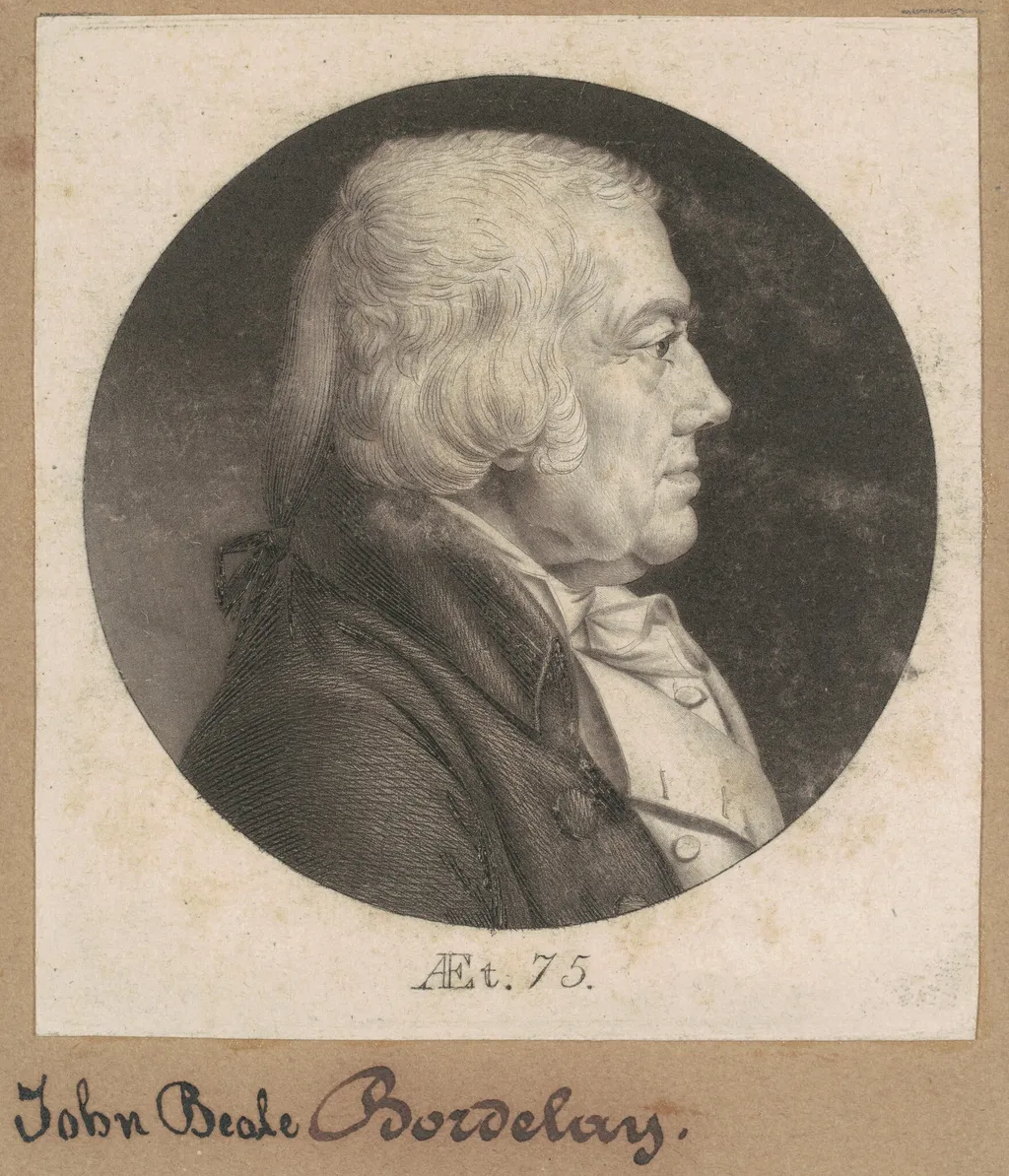
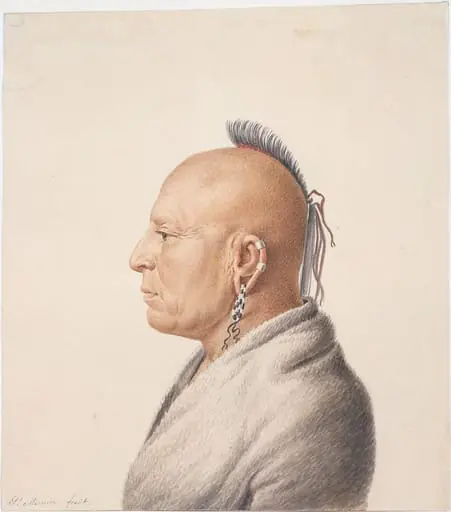
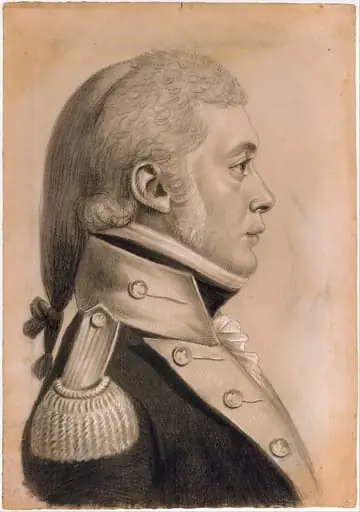
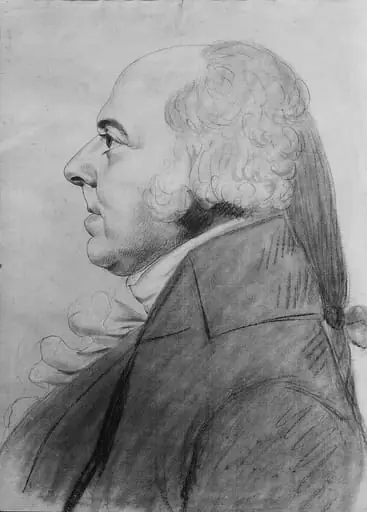
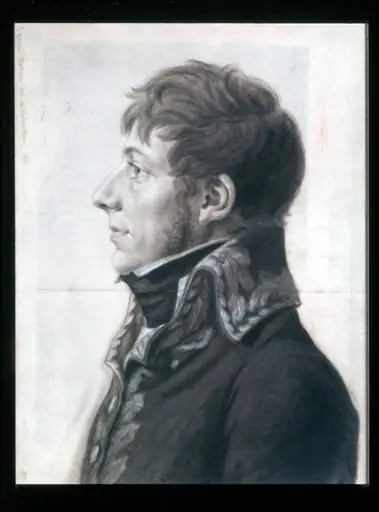
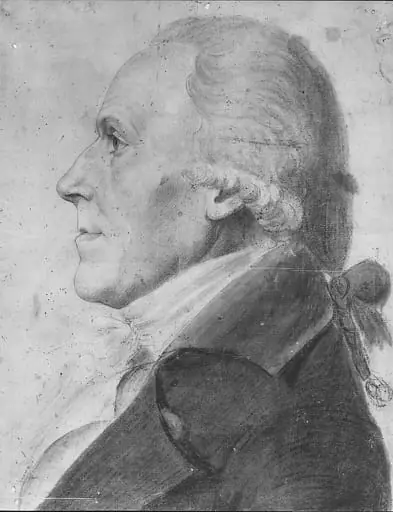
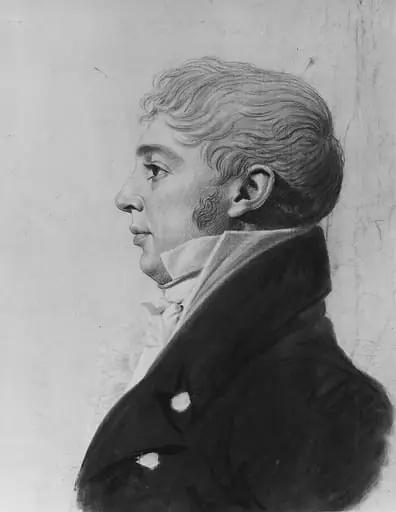
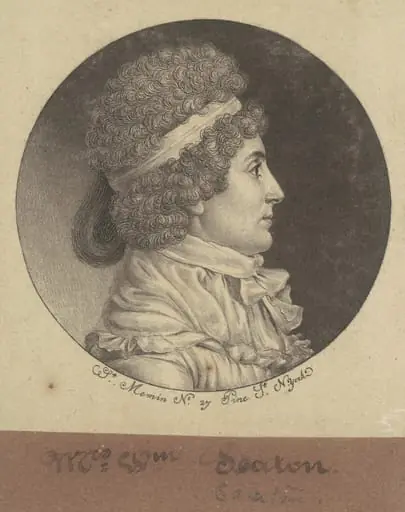
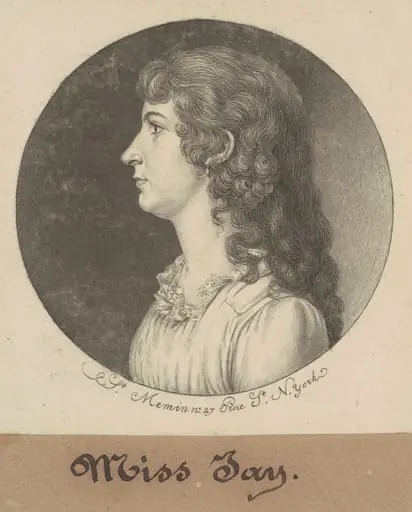
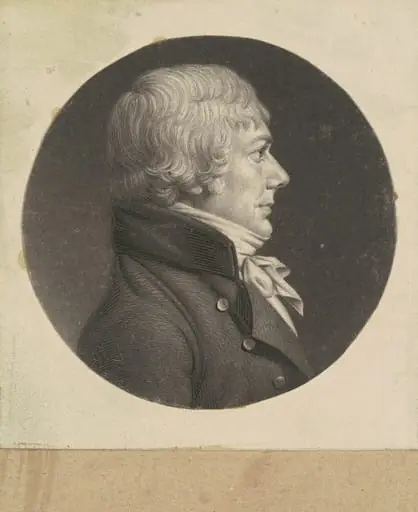
John Beale Bordley is an ink print by the Romanticist artist Charles Balthazar Julien Févret de Saint-Mémin. It dates from 1802 and is held in the collection of the National Gallery of Art.
About this work
Overview
This early‑19th‑century print presents John Beale Bordley in a formal, three‑quarter view. Executed in black mezzotint and engraving on wove paper, the image is mounted on a brown‑toned sheet, giving it a distinctive visual depth. The work resides in the collection of the National Gallery of Art.
Subject & Meaning
The sitter, John Beale Bordley, appears in attire typical of an affluent gentleman of the period, his posture dignified and composed. The portrait’s emphasis on facial detail and clothing suggests an intention to convey status and personal character rather than narrative content.
Technique & Style
Saint‑Mémin employed a combination of mezzotint—a tonal method that yields rich gradations—and fine engraving lines to render texture and depth. The use of wove paper, both for the print and its mounting, reflects contemporary preferences for smooth surfaces that enhance tonal subtlety.
History & Provenance
Created by Charles B. J. Févret de Saint‑Mémin, a noted French‑American portraitist, the print was produced in the early 1800s when the artist was active in the United States. It entered the National Gallery of Art’s holdings through acquisition, though earlier ownership details remain undocumented.
Context
During this era, mezzotint and engraving were popular for reproducing portraiture, allowing multiple copies for patrons and admirers. Saint‑Mémin’s work exemplifies the transatlantic exchange of artistic techniques, blending French training with American subjects.
Artist & collection

Artist
Charles Balthazar Julien Févret de Saint-Mémin
Charles Balthazar Julien Févret de Saint-Mémin (French pronunciation: ; 1770–1852) was a French portrait painter and museum director.