Artwork
John Chew Thomas
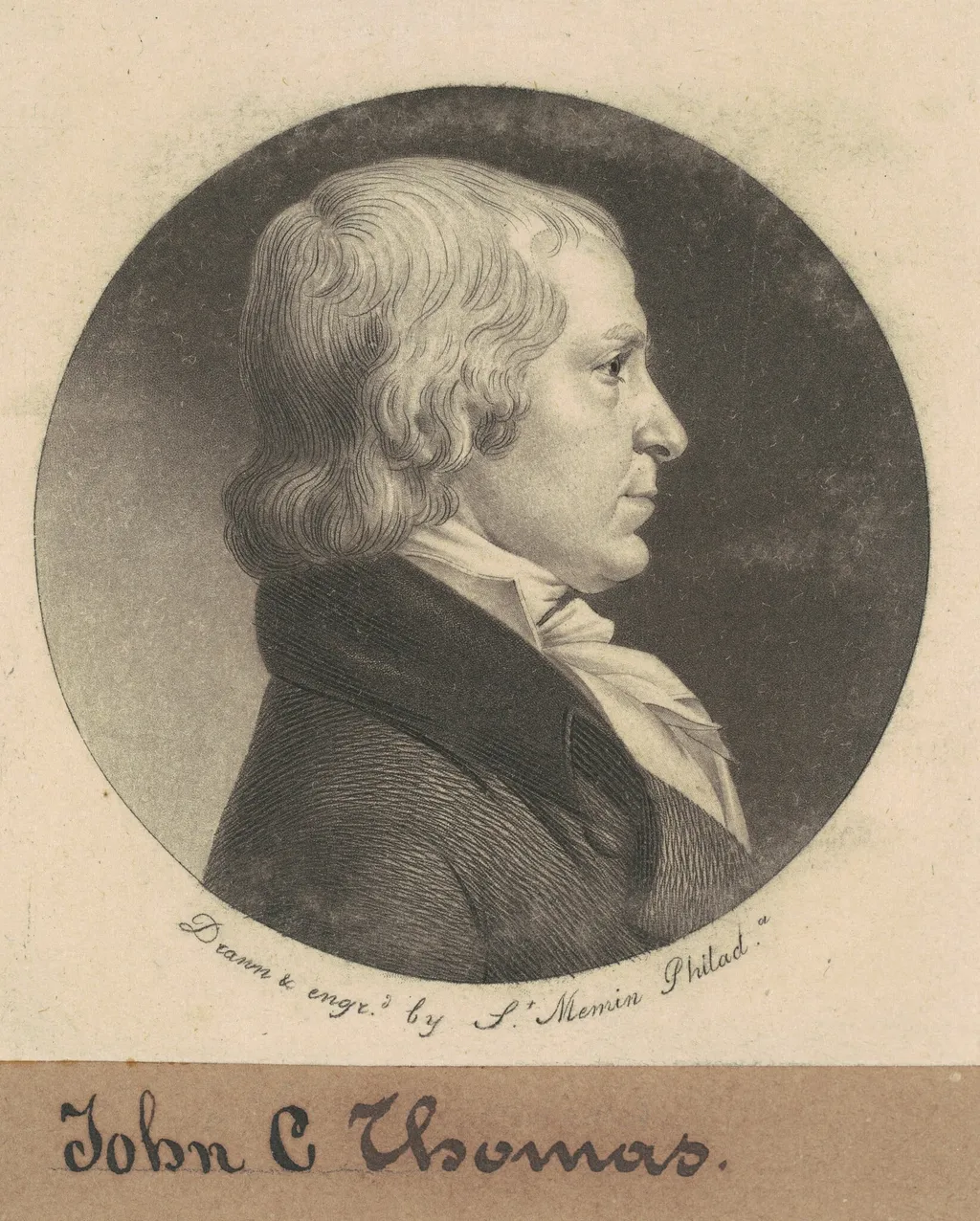
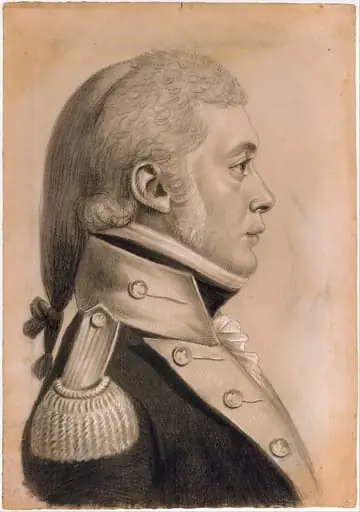
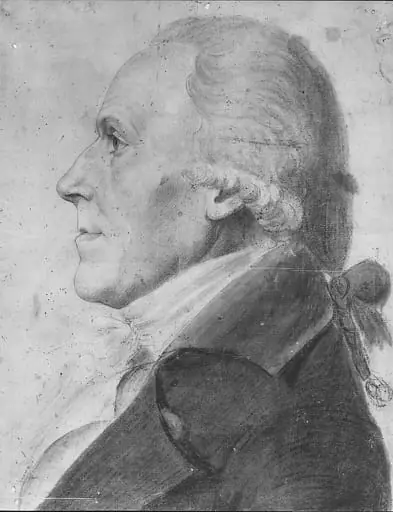
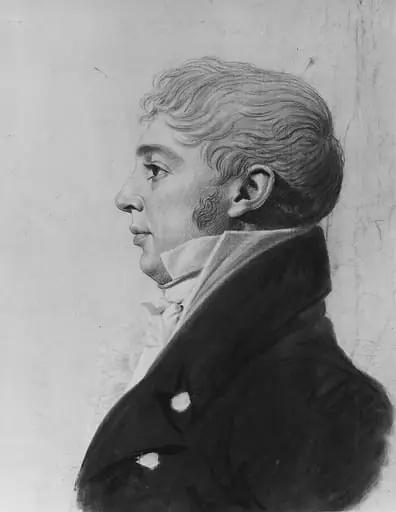
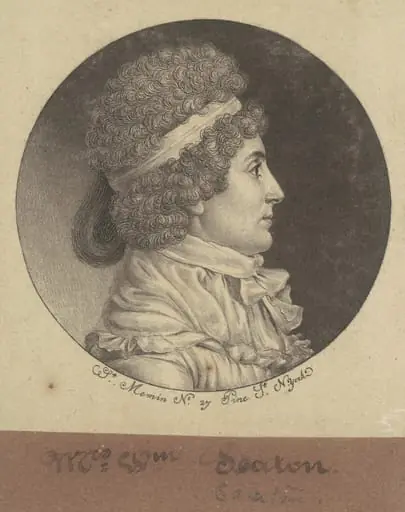
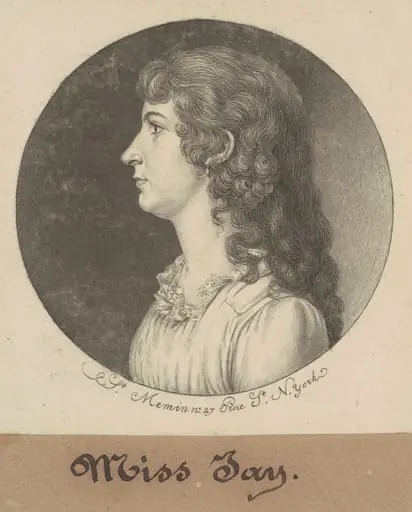
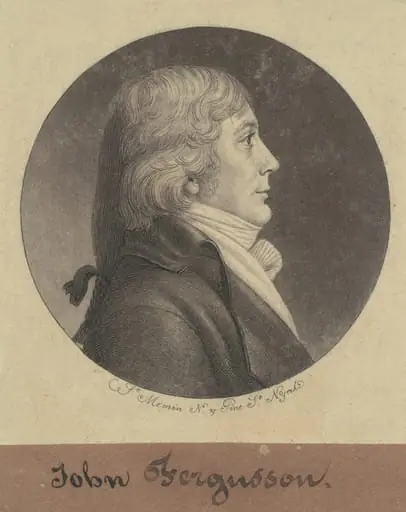
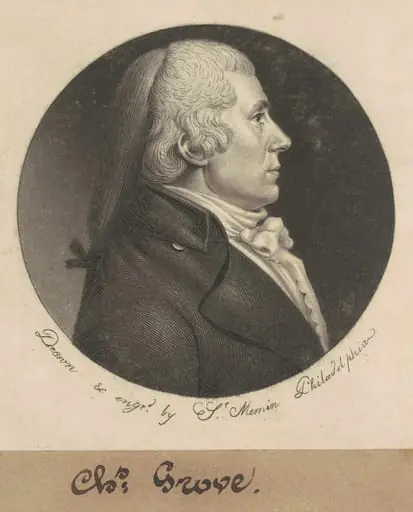
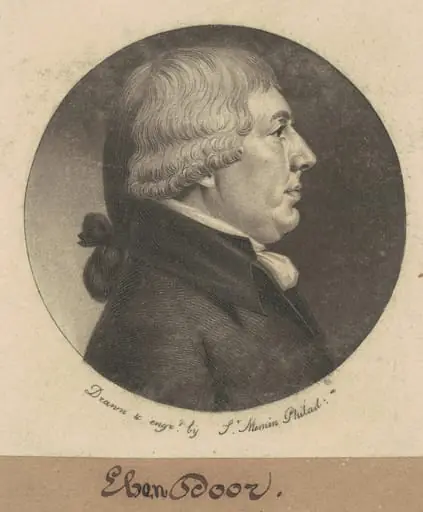
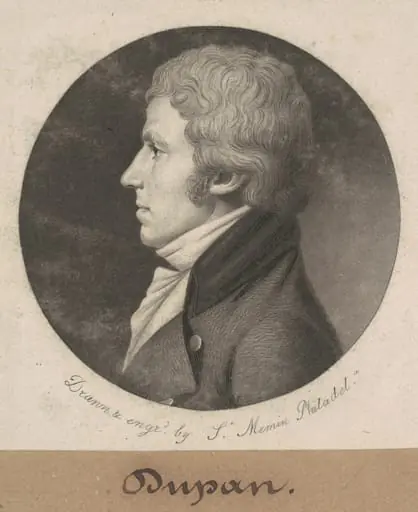
John Chew Thomas is an ink print by the Romanticist artist Charles Balthazar Julien Févret de Saint-Mémin. It dates from 1800 and is held in the collection of the National Gallery of Art.
About this work
Overview
This print is a portrait of John Chew Thomas, created by Charles Balthazar Julien Fevret de Saint-Mémin using mezzotint and engraving techniques on wove paper.
This print is a portrait of John Chew Thomas, created by Charles Balthazar Julien Fevret de Saint-Mémin using mezzotint and engraving techniques on wove paper. The image is mounted on a brown wove paper support, typical of early 19th-century American portraiture. The work reflects a precise, labor-intensive approach to capturing likeness, characteristic of Saint-Mémin’s practice during his time in the United States.
Subject & Meaning
John Chew Thomas, a figure of modest social standing, is depicted with a composed, introspective gaze. His plain attire suggests a preference for simplicity over ostentation, aligning with emerging American ideals of civic virtue. The portrait does not emphasize status or wealth but instead conveys dignity through restraint, reflecting the values of the early republic’s emerging middle class.
Technique & Style
Saint-Mémin employed mezzotint to achieve subtle tonal gradations in the face and hands, while fine engraving lines defined the texture of clothing and hair. The combination allowed for both soft modeling and sharp detail, a hallmark of his method. The black ink on light paper enhances contrast, directing focus to the sitter’s features and the quiet intensity of his expression.
History & Provenance
Created during Saint-Mémin’s residency in the United States between 1796 and 1814, this print was likely made from a life drawing or miniature. It entered public collections through later acquisitions, with its current digital presence attributed to public domain status. No documented ownership history prior to the 20th century is widely recorded, though it aligns with his known body of American portraiture.
Context
Saint-Mémin, a French émigré, brought European printmaking traditions to the young United States, where demand for portraiture outpaced trained artists. His mezzotints served as affordable alternatives to oil paintings, making likenesses accessible to professionals and merchants. This work exemplifies how immigrant artists shaped American visual culture through technical precision and restrained aesthetics.
Legacy
Though not widely exhibited today, Saint-Mémin’s portraits, including this one, remain important records of early American individuals. His method influenced later printmakers seeking to balance detail with accessibility. The portrait of John Chew Thomas endures as a quiet testament to the era’s emphasis on character over ceremony, preserved through the durability of engraved paper.
Artist & collection

Artist
Charles Balthazar Julien Févret de Saint-Mémin
Charles Balthazar Julien Févret de Saint-Mémin (French pronunciation: ; 1770–1852) was a French portrait painter and museum director.