Artwork
Dupan
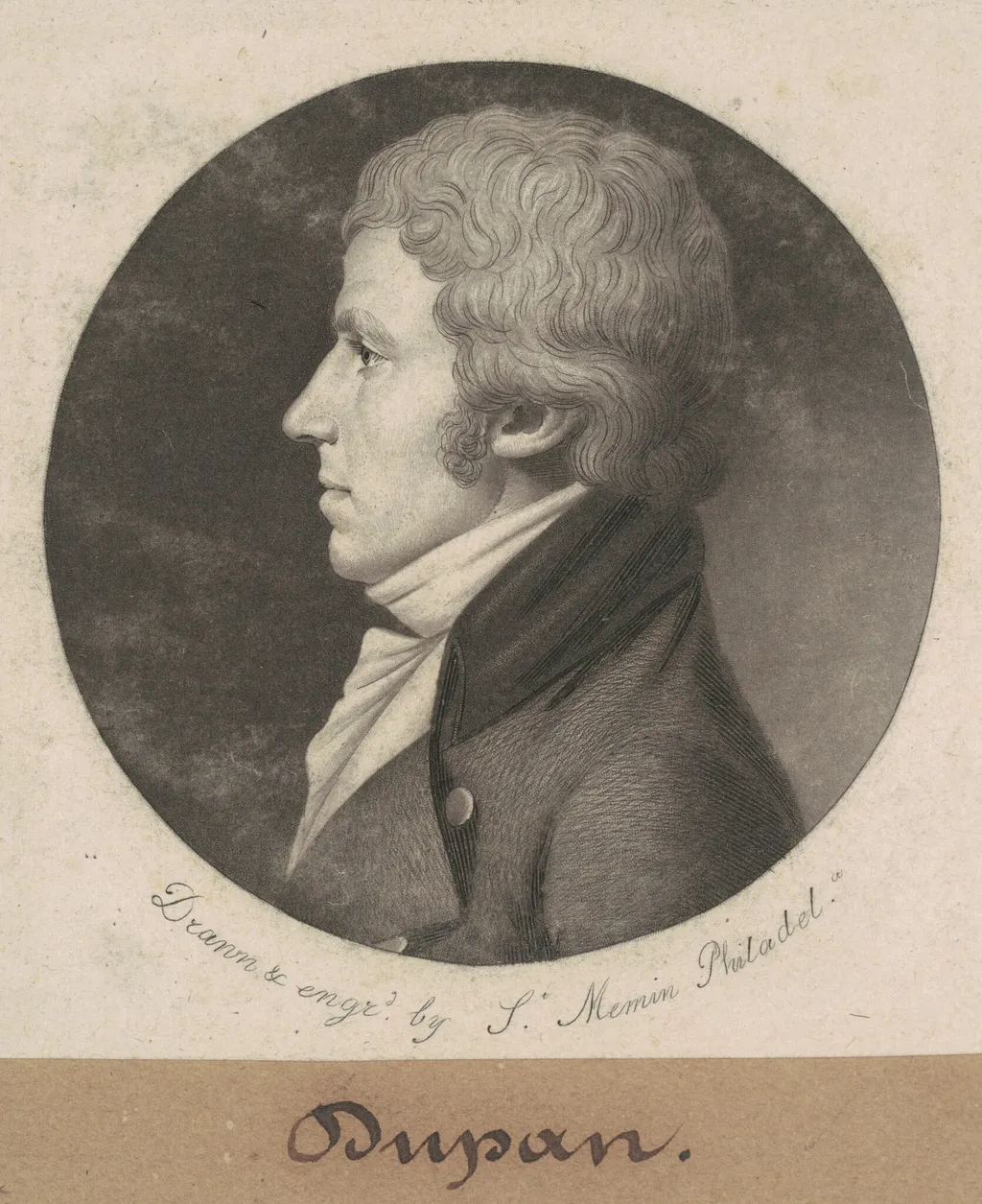
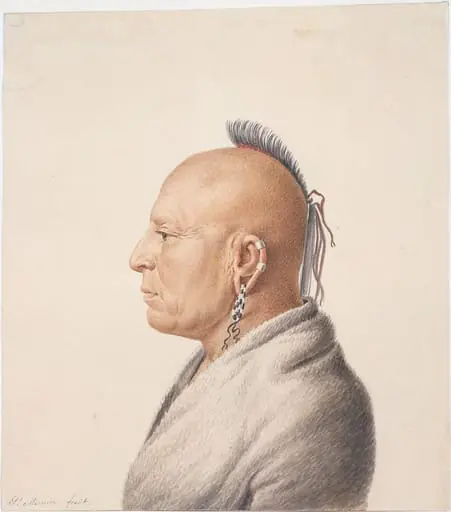
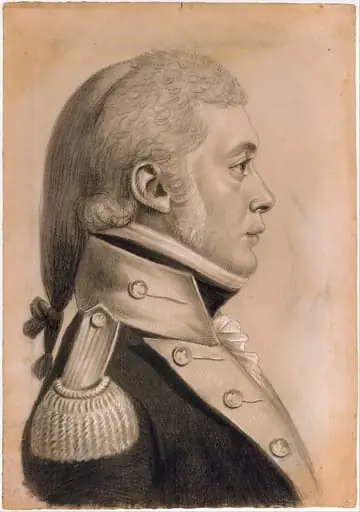
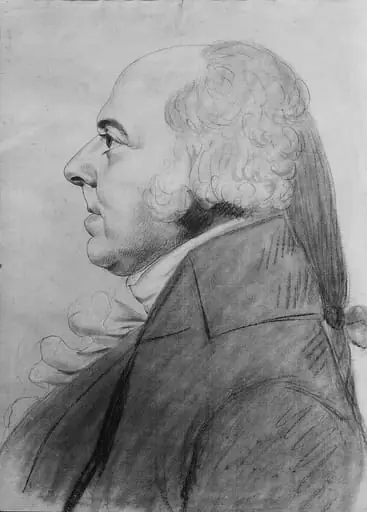
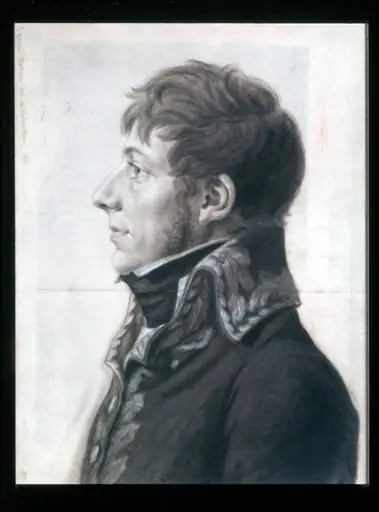
Dupan is an ink print by the Romanticist artist Charles Balthazar Julien Févret de Saint-Mémin. It dates from 1801 and is held in the collection of the National Gallery of Art.
About this work
Overview
Created in 1801, the work titled Dupan is a small print measuring just over five centimeters on each side. Executed in both mezzotint and engraving, the image is rendered in black on wove paper that has been mounted onto a brown wove backing. The piece is held in the National Gallery of Art as part of its Corcoran Collection.
Subject & Meaning
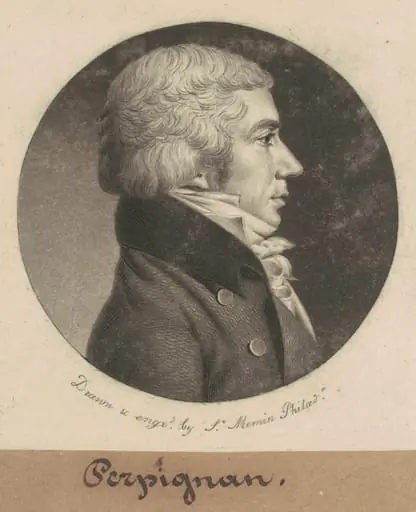
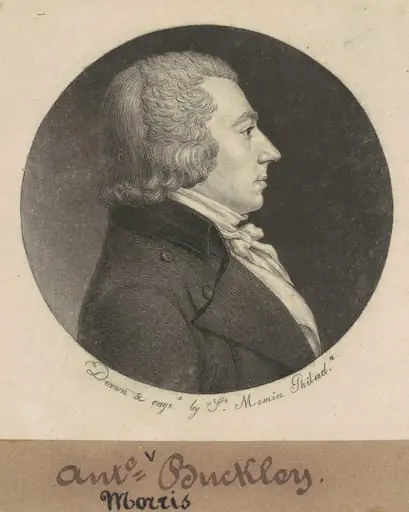
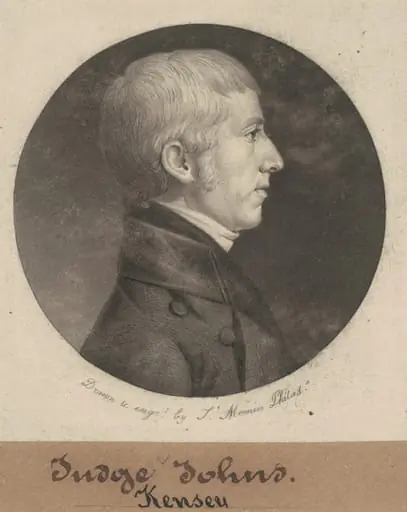
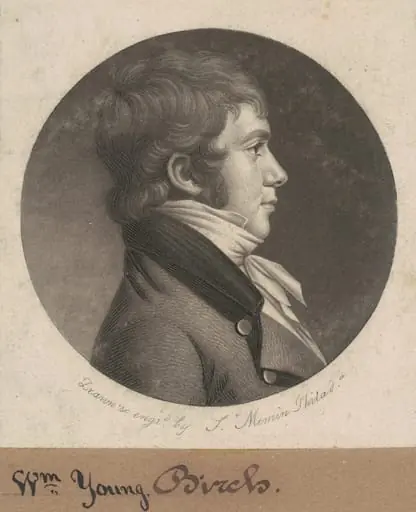
The composition presents a single figure identified as Dupan, depicted in a formal portrait style. The likeness is rendered with careful attention to facial features and attire, suggesting a purpose of personal commemoration or representation rather than narrative illustration.
Technique & Style
The print combines mezzotint, a tonal method that produces rich gradations through a roughened metal plate, with line engraving, which adds fine incised details. Together these techniques generate a textured surface where delicate lines define the subject’s features while broader tonal areas convey depth and volume.
History & Provenance
The work entered the National Gallery of Art through the Corcoran Collection, a significant assemblage of American and European prints acquired by the museum. Its attribution to Charles B. J. Févret de Saint‑Mémin, a French artist active in the early nineteenth century, is documented in the gallery’s catalogues.
Artist & collection

Artist
Charles Balthazar Julien Févret de Saint-Mémin
Charles Balthazar Julien Févret de Saint-Mémin (French pronunciation: ; 1770–1852) was a French portrait painter and museum director.