Artwork
John Dennis
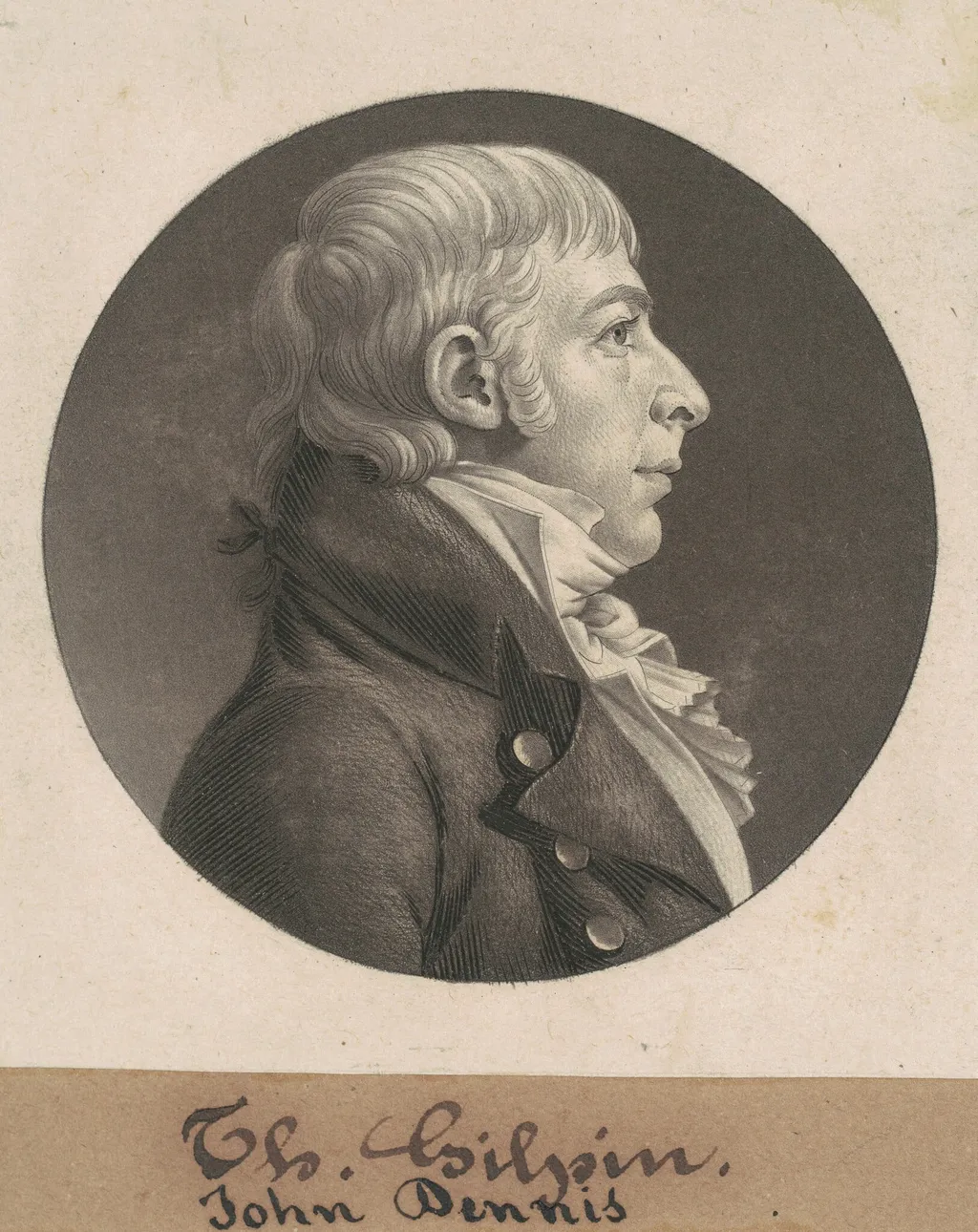
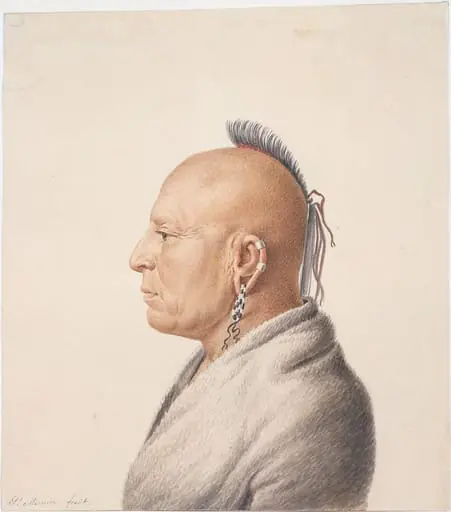
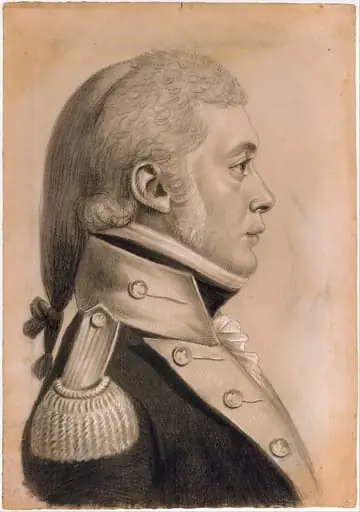
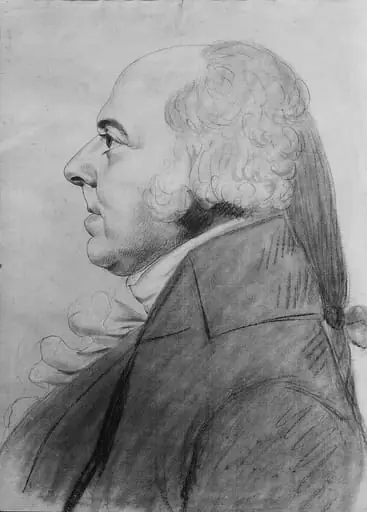
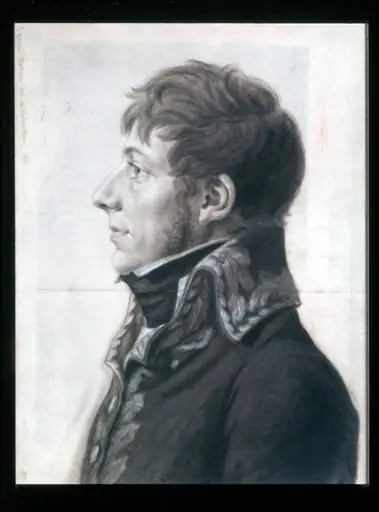
John Dennis is an ink print by the Romanticist artist Charles Balthazar Julien Févret de Saint-Mémin. It dates from 1804 and is held in the collection of the National Gallery of Art.
About this work
Overview
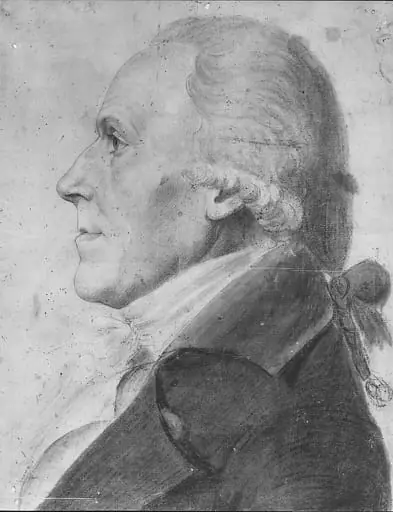
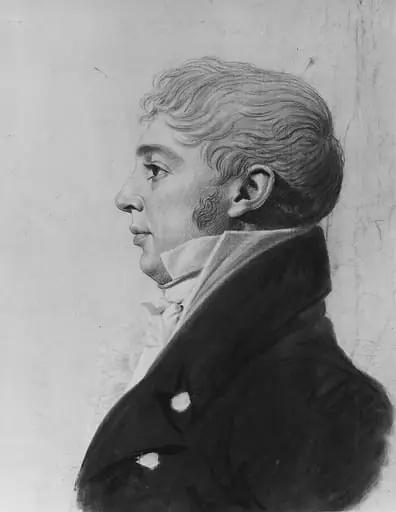
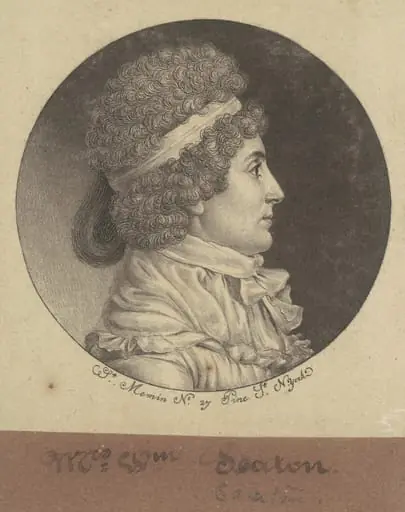
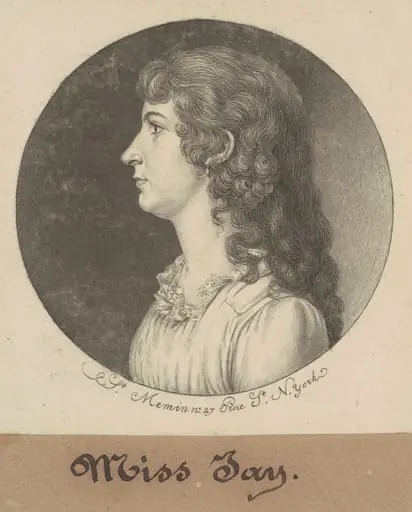
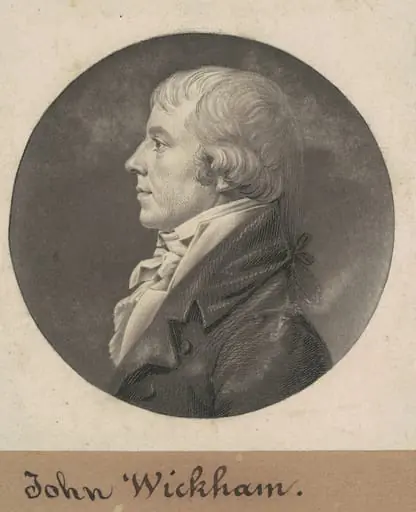
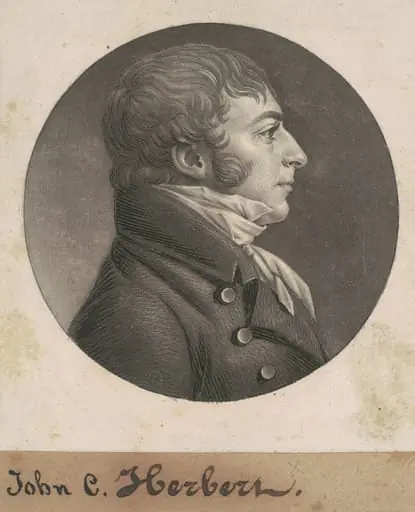
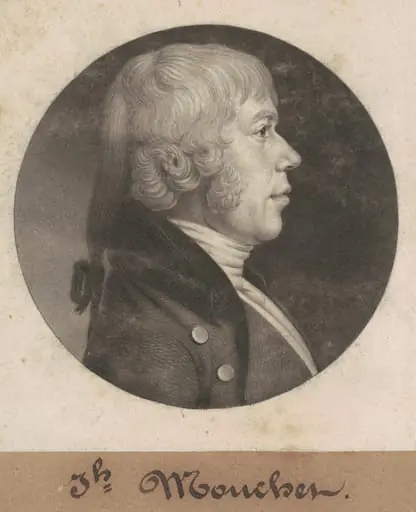
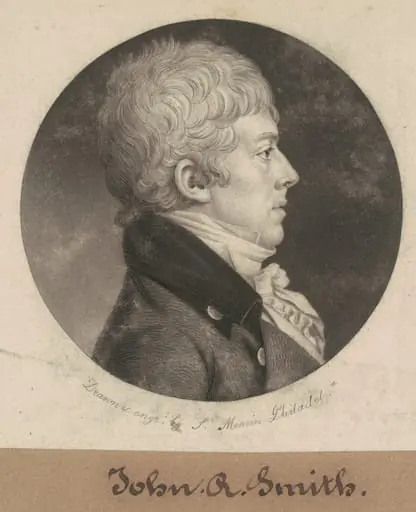
This small portrait print, created between 1803 and 1805, depicts John Dennis in profile. Executed in mezzotint and engraving on wove paper, it measures just over five and a half centimeters square. The image is mounted on a slightly darker brown paper, a common practice to enhance contrast and stability. The work belongs to the Corcoran Collection, now part of the National Gallery of Art.
Subject & Meaning
John Dennis was a prominent American lawyer and public figure in the early 19th century. The portrait captures him in a formal, restrained pose, typical of the era’s emphasis on civic dignity. The profile view suggests a classical ideal of character and intellect, aligning with contemporary values that linked personal virtue with public service.
Technique & Style
Charles B. J. Févret de Saint-Mémin employed mezzotint to achieve subtle tonal gradations, complemented by fine engraving lines for detail. The small scale demands precision: hair, fabric, and facial contours are rendered with meticulous care. The technique’s capacity for rich blacks and soft transitions allowed for lifelike depth despite the limited size, showcasing technical mastery.
History & Provenance
The print was produced during Saint-Mémin’s time in the United States, when he created a series of portrait prints of notable Americans. It entered the Corcoran Collection in the 19th century and was later transferred to the National Gallery of Art following the Corcoran’s dissolution. Its preservation reflects early American interest in documenting civic leaders through print.
Context
In the early 1800s, mezzotint was a favored medium for portraiture among the educated elite, offering a middle ground between expensive oil paintings and mass-produced engravings. Saint-Mémin’s work contributed to a broader cultural project: establishing a visual record of American leadership through accessible, reproducible images.
Legacy
Saint-Mémin’s portrait prints, including this one, remain among the earliest systematic attempts to document American public figures in print. They provide valuable insight into how identity and authority were visually constructed in the young republic. The technical skill and historical intent of these works continue to inform studies of early American visual culture.
Artist & collection

Artist
Charles Balthazar Julien Févret de Saint-Mémin
Charles Balthazar Julien Févret de Saint-Mémin (French pronunciation: ; 1770–1852) was a French portrait painter and museum director.