Artwork
Joseph Mouchet
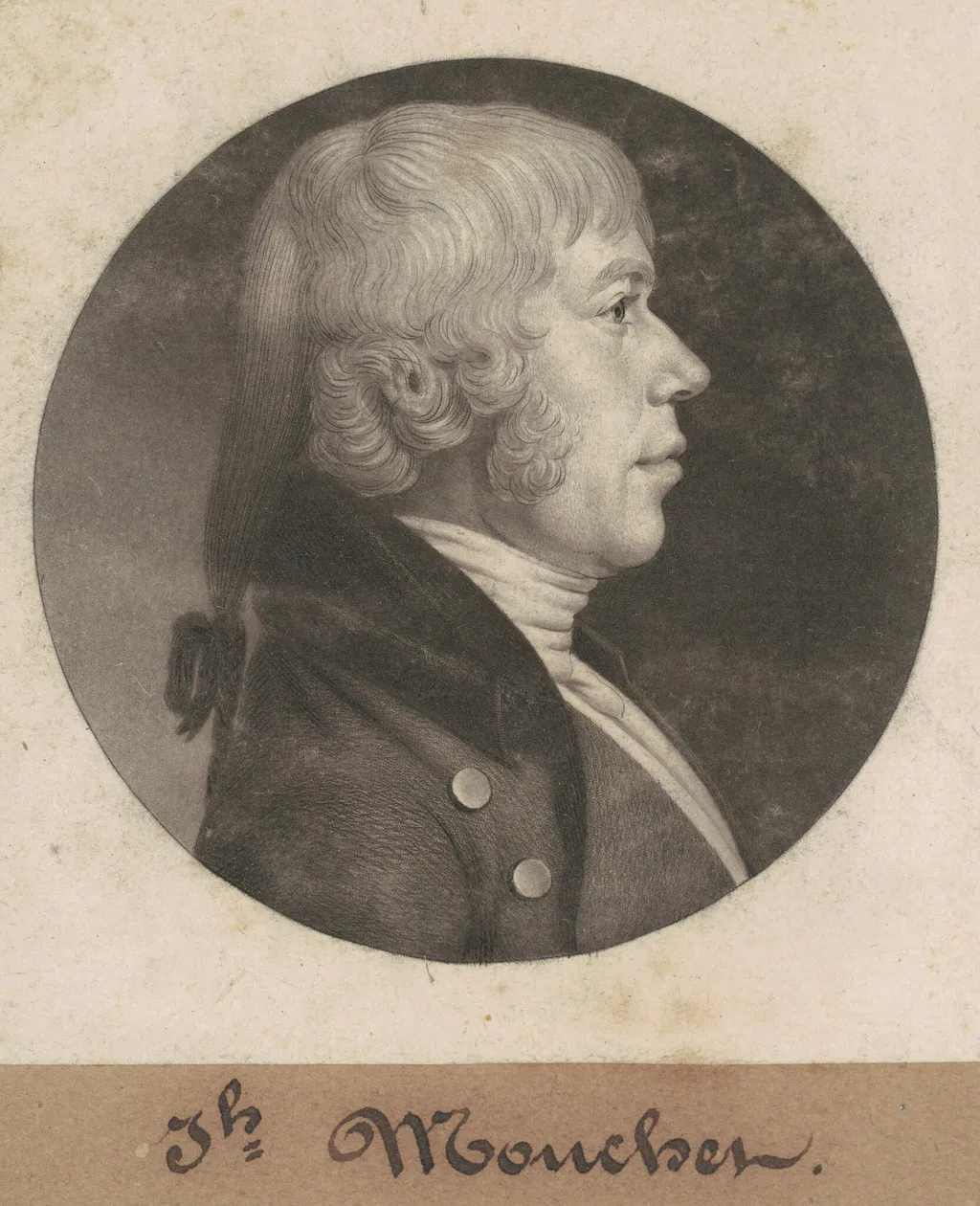
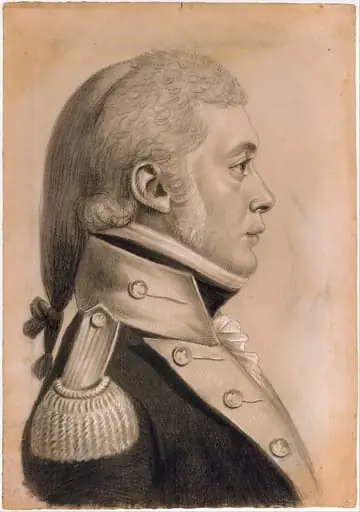
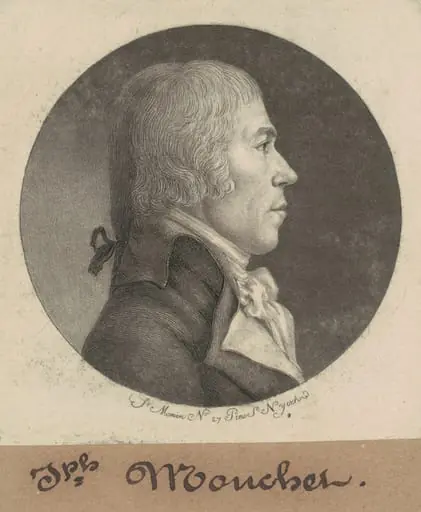
Joseph Mouchet is an ink print by the Romanticist artist Charles Balthazar Julien Févret de Saint-Mémin. It dates from 1802 and is held in the collection of the National Gallery of Art.
About this work
Overview
The technique combines tonal gradations of mezzotint with the precision of engraved lines, typical of early 19th-century portrait prints.
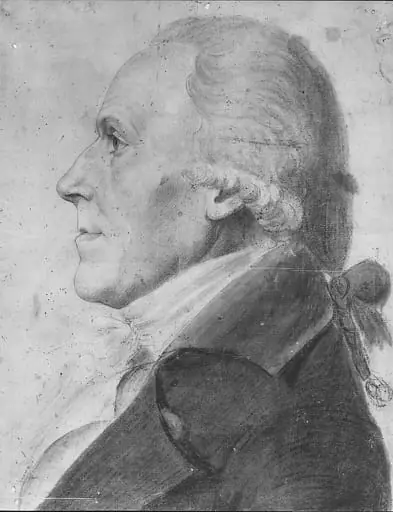
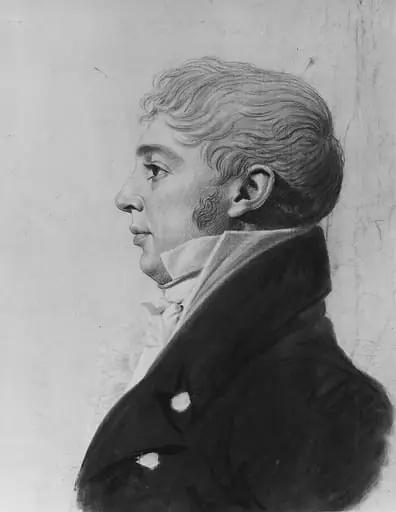
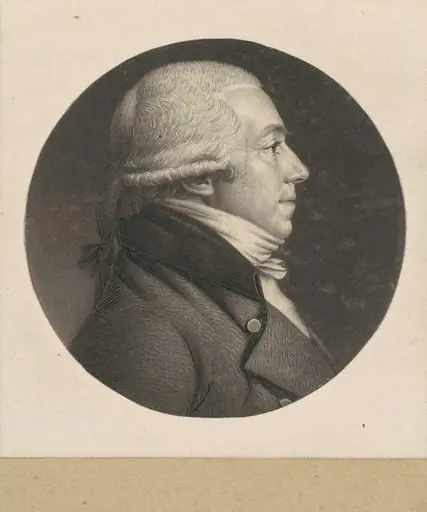
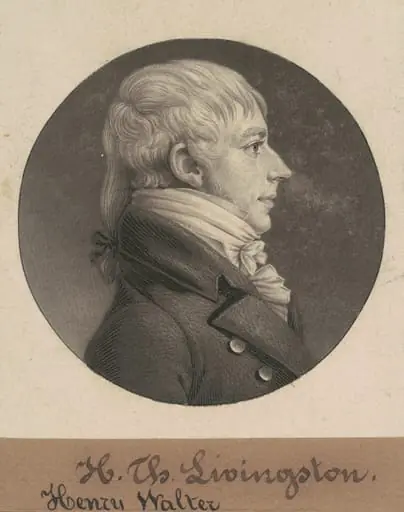
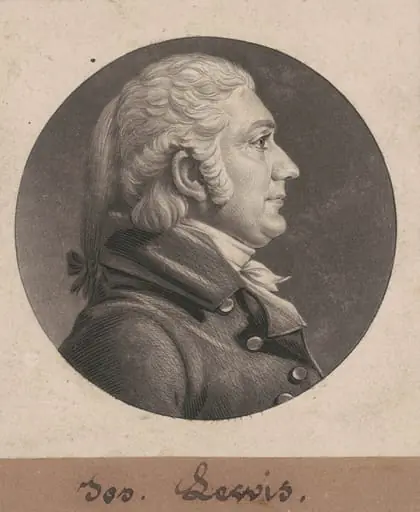
This print depicts Joseph Mouchet in profile, rendered in mezzotint and engraving on wove paper, then mounted to a brown wove support. The work is part of the Corcoran Collection, though no date of creation is recorded. The technique combines tonal gradations of mezzotint with the precision of engraved lines, typical of early 19th-century portrait prints. The composition focuses tightly on the sitter’s upper torso and head, eliminating background detail to emphasize form and texture.
Subject & Meaning
Joseph Mouchet, the subject, was a French-born individual active in the United States during the early 1800s. The portrait presents him with formal stillness, his dark coat and crisp white cravat signaling social standing and refinement. The profile view, common in portraiture of the period, conveys dignity and restraint. No overt narrative or symbolism is present; the image functions primarily as a record of personal identity and appearance.
Technique & Style
The artist, Charles B. J. Févret de Saint-Mémin, employed mezzotint to achieve subtle tonal transitions in the coat and hair, while engraving defined finer details like the cravat’s folds and facial contours. The combination allowed for both rich shadow and sharp line, characteristic of his approach to portrait reproduction. The paper’s smooth surface enhanced the clarity of the incised lines, and the mounting on brown paper provided a neutral backdrop that deepened the contrast of the black ink.
History & Provenance
The portrait entered the Corcoran Collection, which later became part of the National Gallery of Art. Its origin lies in Saint-Mémin’s series of American portraits created between 1796 and 1815, during his time in the United States. Though undated, stylistic and contextual evidence places it within this period. The work’s survival reflects its role as a documentary artifact of early American elite culture, preserved through institutional acquisition rather than private ownership.
Context
During the early 19th century, mezzotint and engraving were favored for portraiture due to their capacity for detail and reproducibility. Saint-Mémin, a French émigré, became known for documenting prominent Americans through this medium. His portraits served both personal and public functions—commemorating individuals while contributing to a visual archive of the nation’s emerging social fabric. This work aligns with broader efforts to establish a visual identity for the young republic.
Legacy
Saint-Mémin’s portraits, including this one, remain significant as historical records of early American figures. While not widely exhibited today, they are studied for their technical precision and sociocultural insight. The work exemplifies how printmaking bridged art and documentation in a pre-photographic era. Its presence in a major national collection underscores its role in preserving the visual heritage of a formative period in U.S. history.
Artist & collection

Artist
Charles Balthazar Julien Févret de Saint-Mémin
Charles Balthazar Julien Févret de Saint-Mémin (French pronunciation: ; 1770–1852) was a French portrait painter and museum director.