Artwork
John Dugan
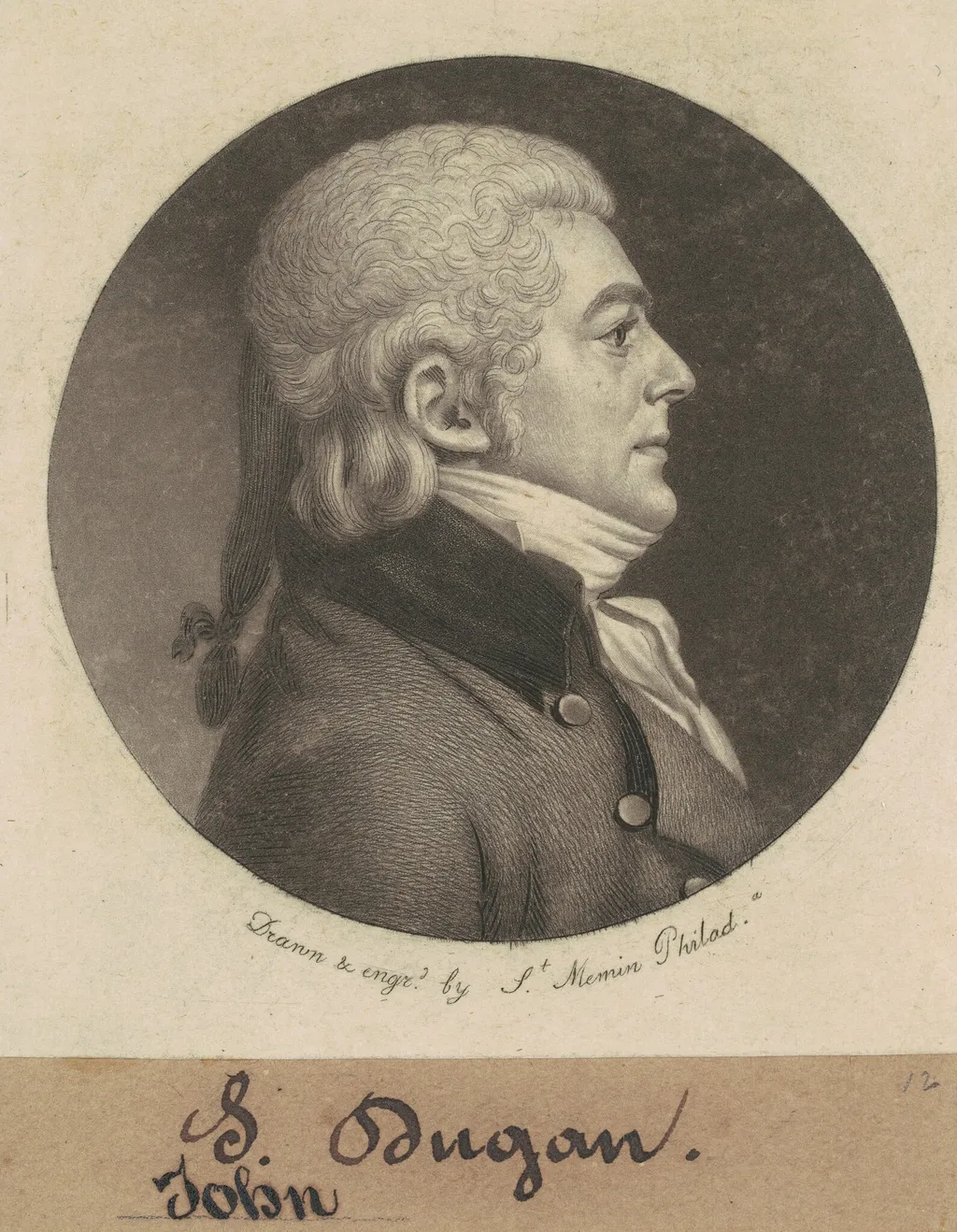
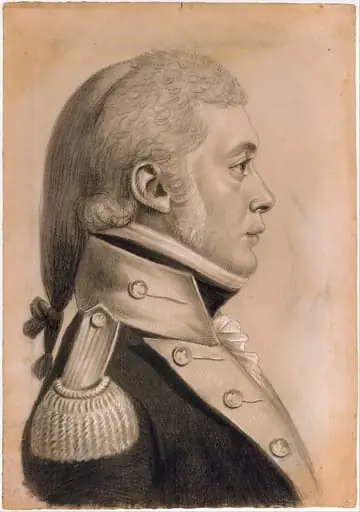
John Dugan is an ink print by the Romanticist artist Charles Balthazar Julien Févret de Saint-Mémin. It dates from 1799 and is held in the collection of the National Gallery of Art. Created in 1799, this small print measures just over five and a half centimeters square.
About this work
Overview
Created in 1799, this small print measures just over five and a half centimeters square. Executed in black on wove paper that is mounted to a brown backing, the work combines mezzotint and engraving techniques. It is catalogued under the title “John Dugan” and belongs to the Corcoran Collection within the National Gallery of Art.
Subject & Meaning
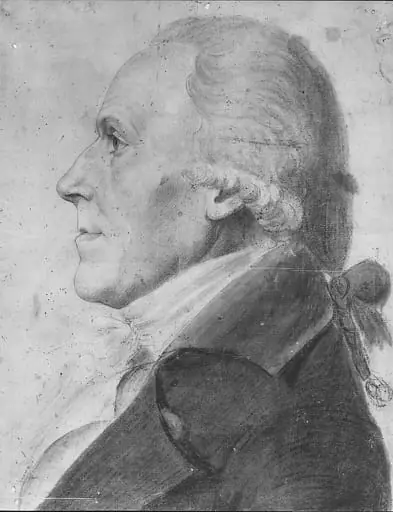
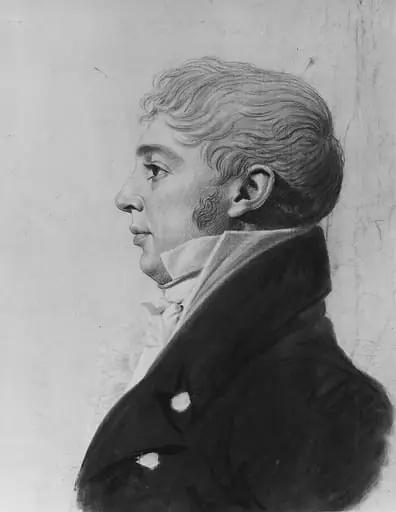
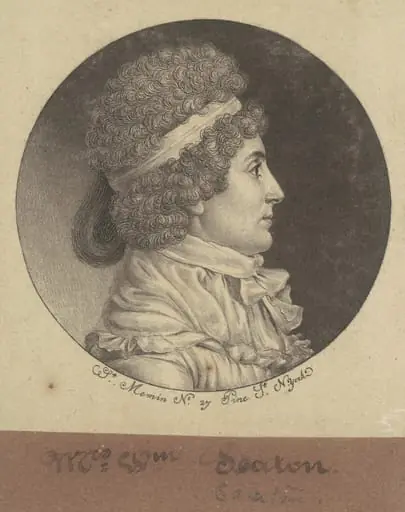
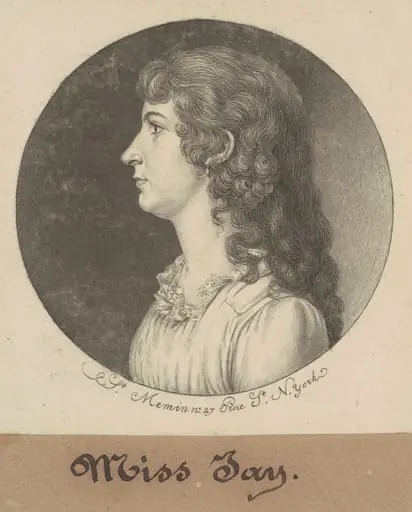
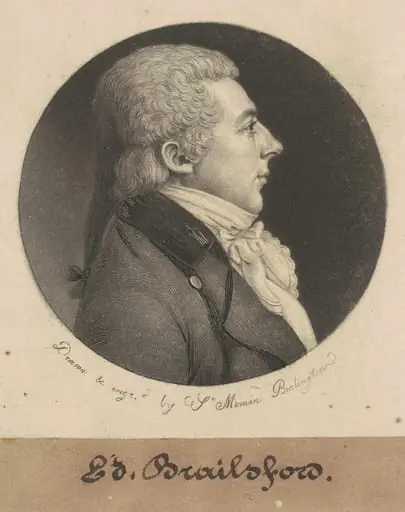
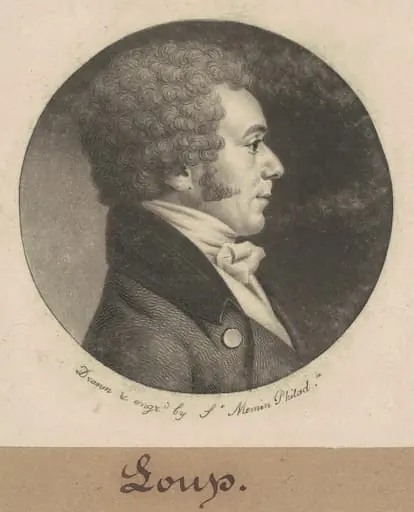
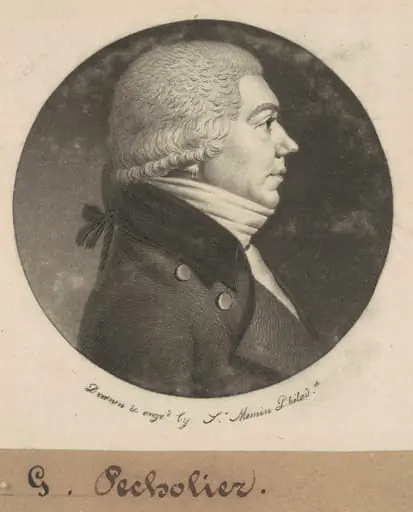
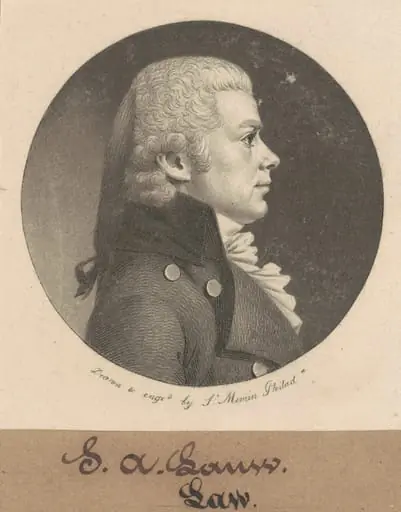
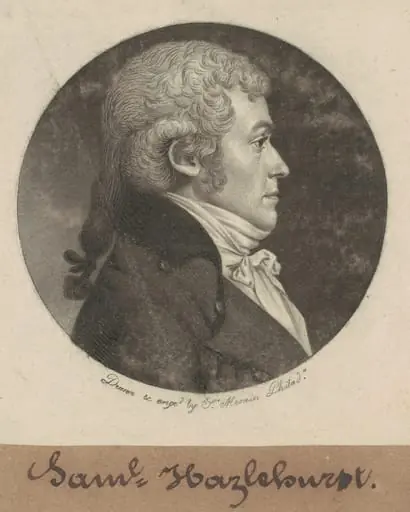
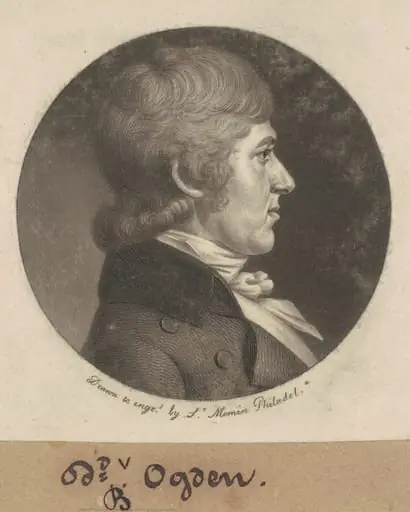
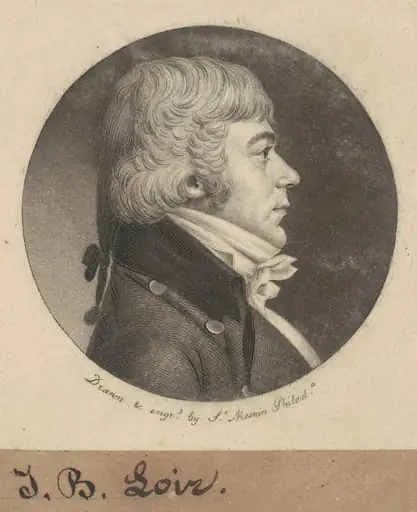
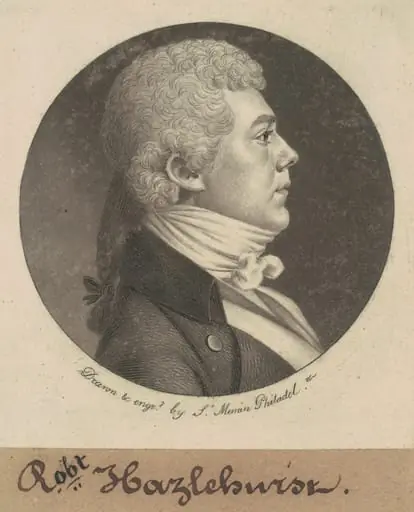
The image presents a solitary male figure rendered in strict profile. The face and shoulders are delineated with soft, dark lines that suggest the contours of skin and the fall of a coat. The composition’s simplicity focuses attention on the sitter’s likeness, offering a restrained, almost documentary portrait.
Technique & Style
The result is a delicate balance of velvety shadows and precise outlines, achieved through labor‑intensive carving despite the work’s modest scale.
Saint‑Mémin employed a mezzotint ground, initially roughened on a metal plate and then smoothed to produce tonal gradations. Fine cross‑hatching was added to define highlights on the subject’s clothing and flesh, while engraving tools contributed sharper line work. The result is a delicate balance of velvety shadows and precise outlines, achieved through labor‑intensive carving despite the work’s modest scale.
History & Provenance
The print was produced by French artist Charles B. J. Févret de Saint‑Mémin, known for his portrait mezzotints in the late eighteenth century. After its creation, the piece entered the Corcoran Collection, which was later incorporated into the holdings of the National Gallery of Art, where it remains accessible to scholars and the public.
Artist & collection

Artist
Charles Balthazar Julien Févret de Saint-Mémin
Charles Balthazar Julien Févret de Saint-Mémin (French pronunciation: ; 1770–1852) was a French portrait painter and museum director.