Artwork
J. B. Loir
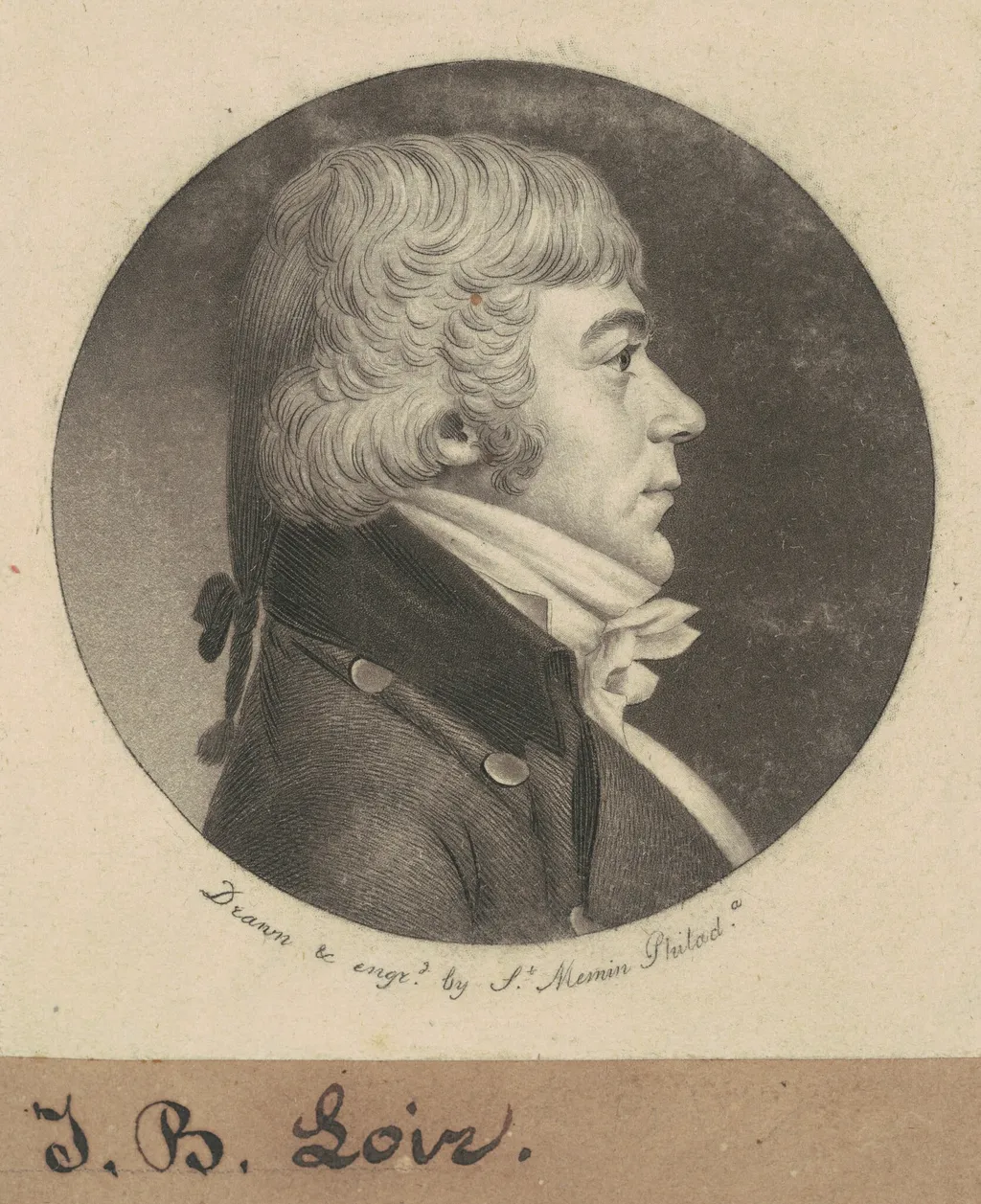
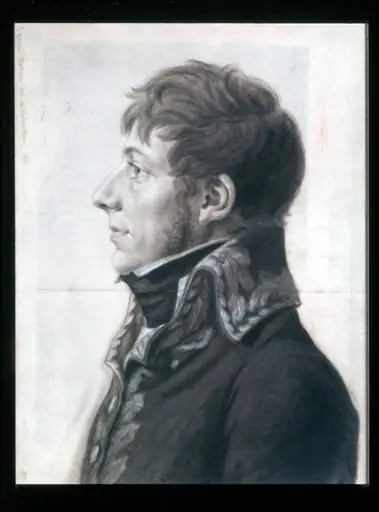
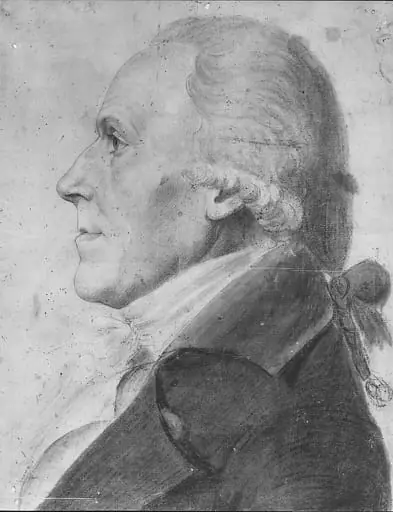
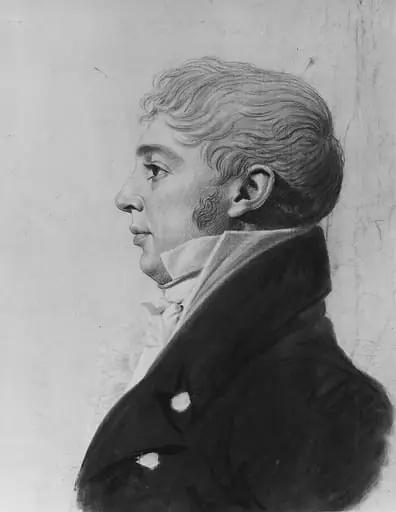
J. B. Loir is an ink print by the Romanticist artist Charles Balthazar Julien Févret de Saint-Mémin. It dates from 1800 and is held in the collection of the National Gallery of Art. This 1800 print by Charles B.
About this work
Overview
The work is part of the Rosenwald Collection at the National Gallery of Art, representing Saint-Mémin’s output during his years in the United States.
This 1800 print by Charles B. J. Févret de Saint-Mémin depicts J. B. Loir in mezzotint and engraving on wove paper, mounted to brown wove paper. Measuring 17.78 by 12.54 cm, it employs the chine collé method to bond a thin sheet of paper to a heavier support. The work is part of the Rosenwald Collection at the National Gallery of Art, representing Saint-Mémin’s output during his years in the United States.
Subject & Meaning
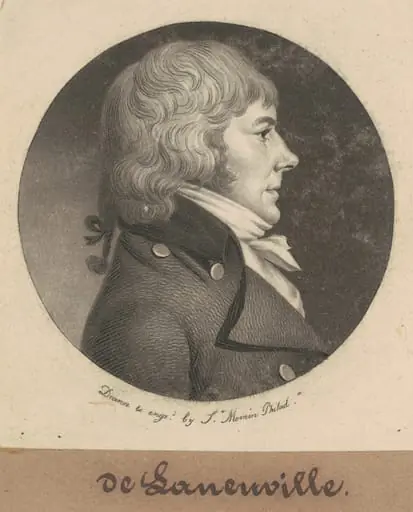
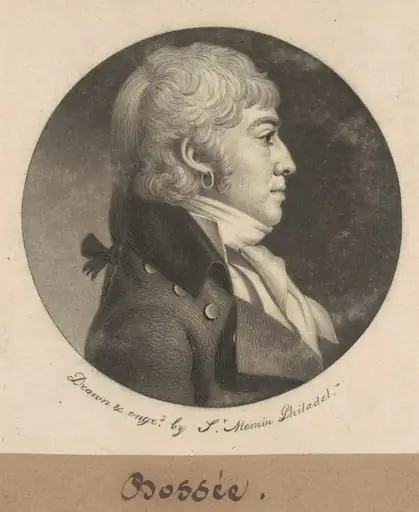
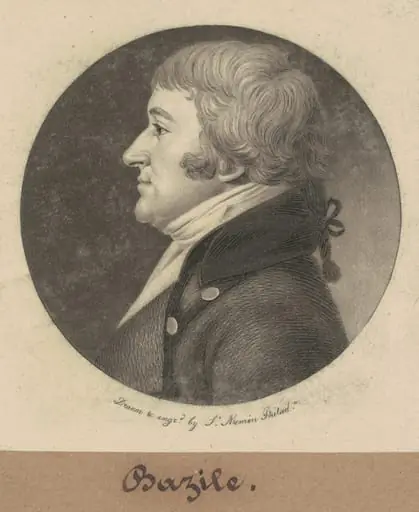
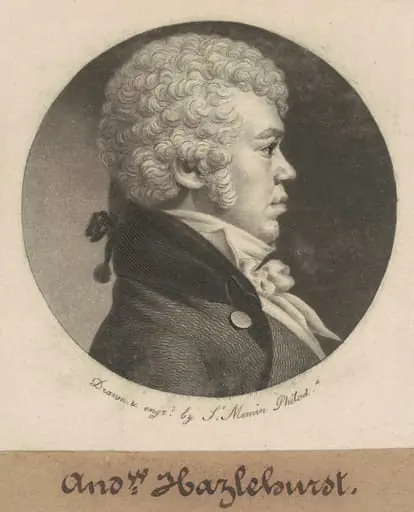
The subject, J. B. Loir, is portrayed in formal attire—a dark coat with a high collar—suggesting social standing. His face is illuminated from one side, creating a subtle interplay of light and shadow that conveys quiet dignity rather than grandeur. The portrait captures a moment of stillness, emphasizing presence over narrative, typical of Saint-Mémin’s approach to documenting individuals in early American society.
Technique & Style
Saint-Mémin used mezzotint to achieve rich tonal gradations, roughening the metal plate to hold ink in areas meant to appear dark, then smoothing regions for highlights. Engraving added fine lines for detail, particularly in the collar and hair. The chine collé technique allowed for delicate paper to be adhered to a sturdier backing, preserving the print’s soft textures. The result is a portrait with velvety shadows and restrained clarity.
History & Provenance
Created in 1800 during Saint-Mémin’s residency in the United States, the print was made as part of a series of portraits documenting prominent figures of the era. It entered the Rosenwald Collection through the philanthropist’s bequest to the National Gallery of Art. The work reflects Saint-Mémin’s transition from French academic training to adapting his methods for American patrons seeking accessible, high-quality portraiture.
Context
In early 19th-century America, mezzotint was a favored medium for portraiture due to its ability to reproduce subtle tonal effects without requiring skilled draftsmanship from the sitter. Saint-Mémin, a French émigré, introduced this technique to a growing middle class eager for likenesses of themselves and civic leaders. His work helped establish printmaking as a legitimate form of visual documentation in the young republic.
Legacy
Saint-Mémin’s portraits, including this one, remain among the most technically refined examples of early American printmaking. His systematic approach to documenting individuals contributed to a visual archive of the period. While not widely known today, his influence endured in the adoption of mezzotint by subsequent American artists seeking to elevate portraiture through print.
Artist & collection

Artist
Charles Balthazar Julien Févret de Saint-Mémin
Charles Balthazar Julien Févret de Saint-Mémin (French pronunciation: ; 1770–1852) was a French portrait painter and museum director.