Artwork
John Gay
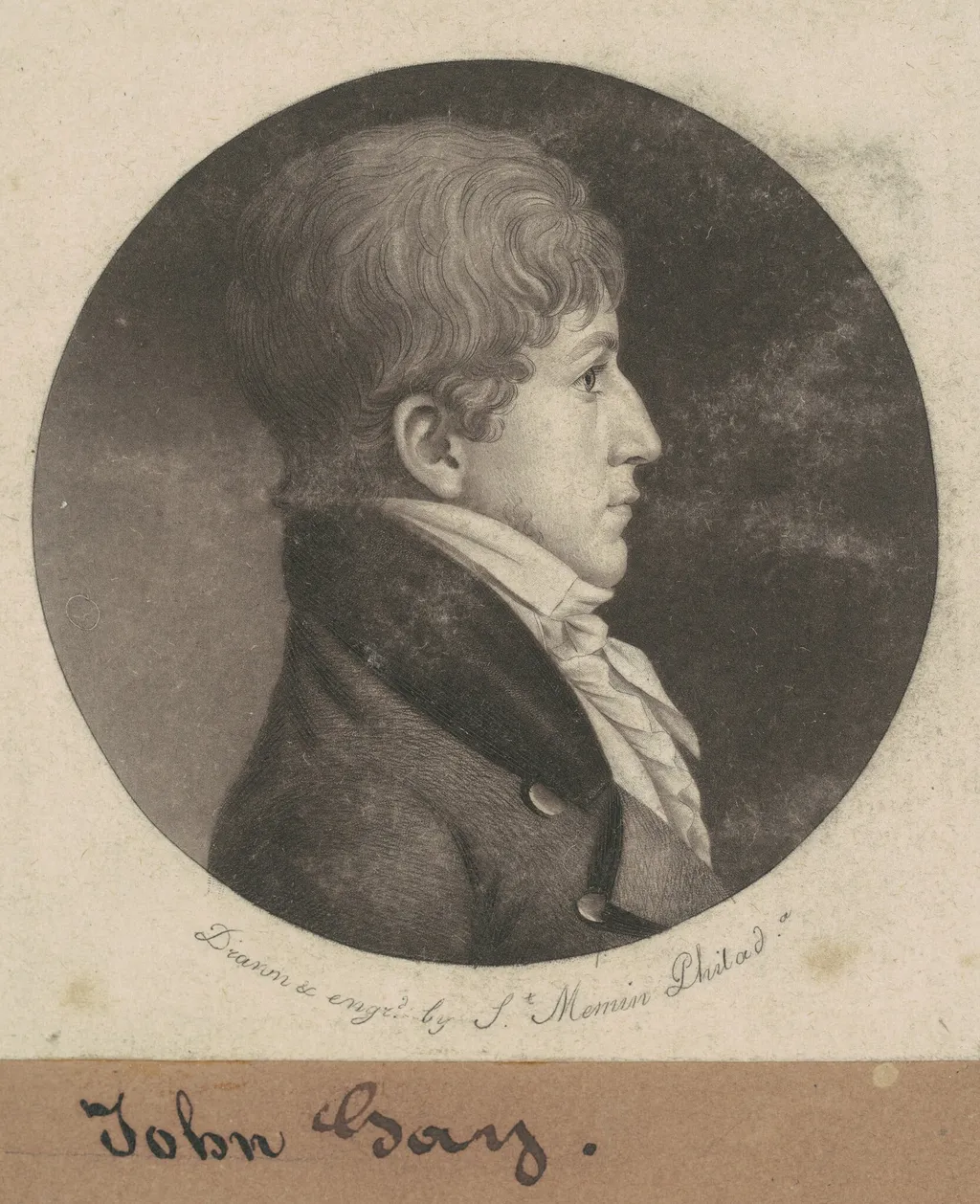
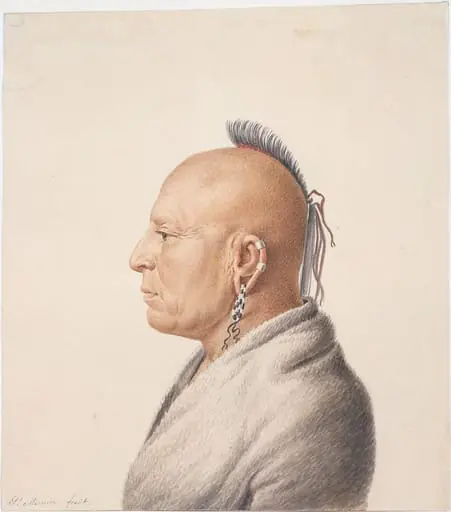
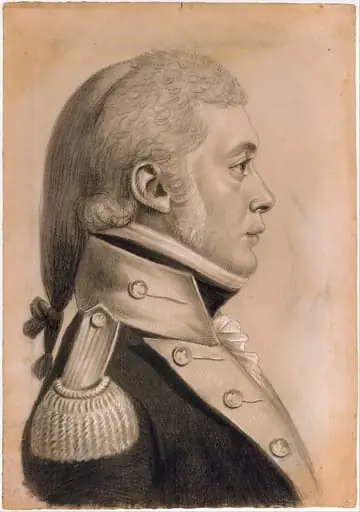
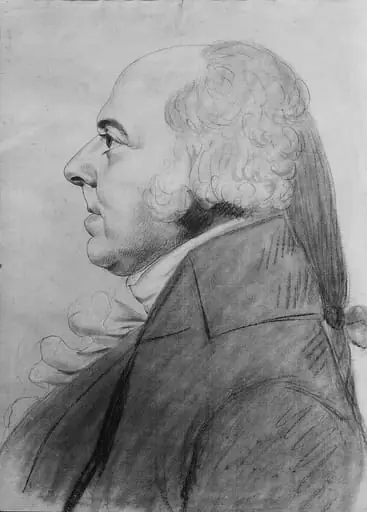
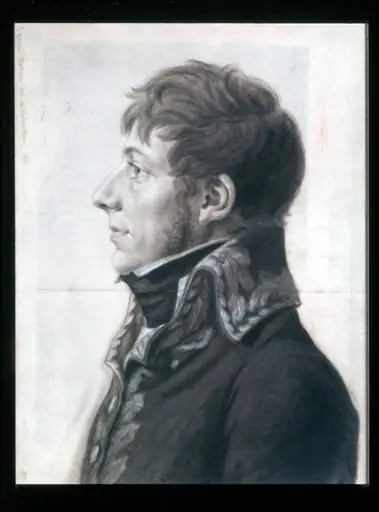
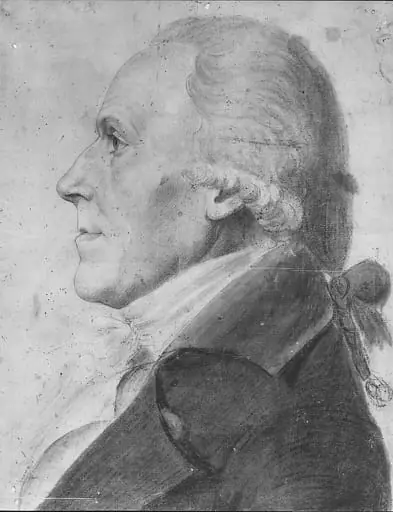
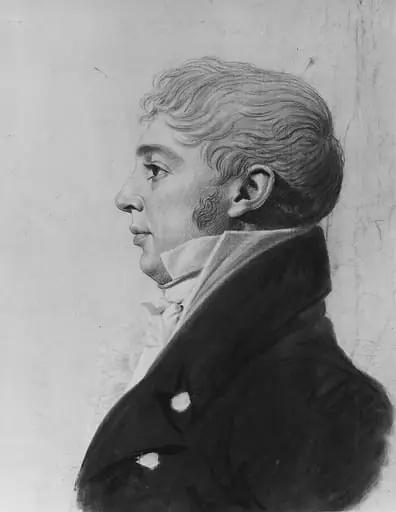
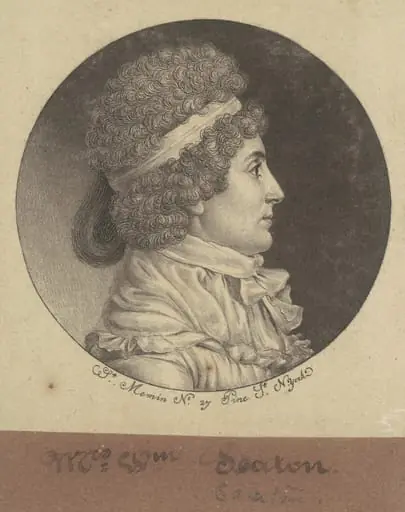
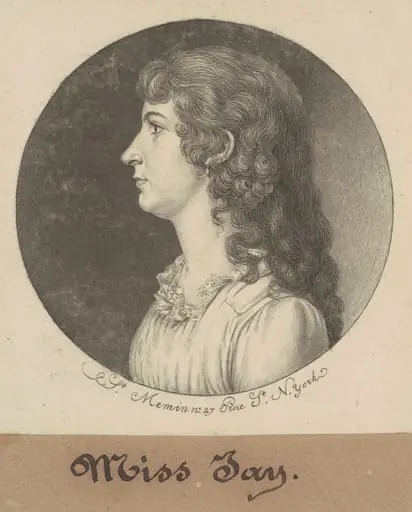
John Gay is an ink print by the Romanticist artist Charles Balthazar Julien Févret de Saint-Mémin. It dates from 1802 and is held in the collection of the National Gallery of Art.
About this work
Overview
The work is part of the Corcoran Collection, reflecting its historical significance as a portrait of a literary figure from the early 19th century.
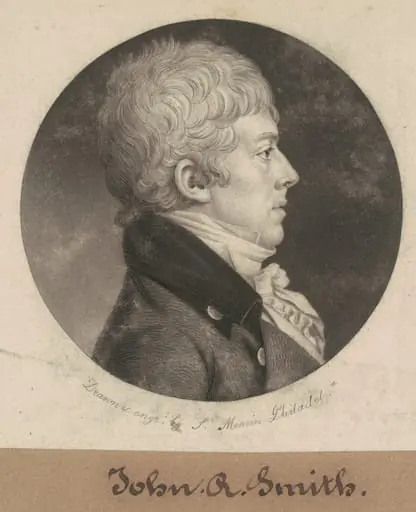
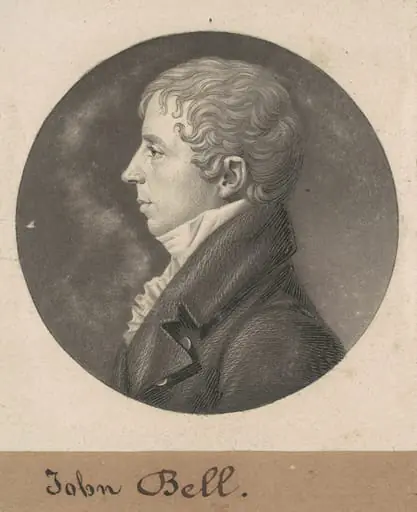
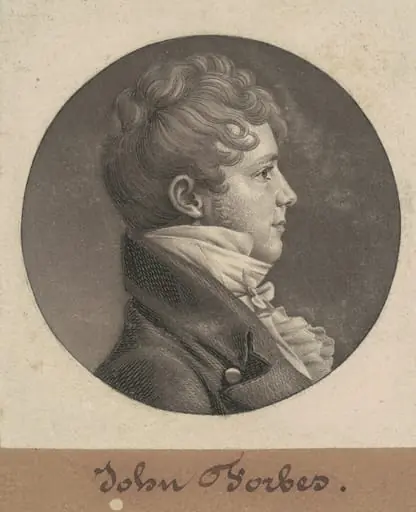
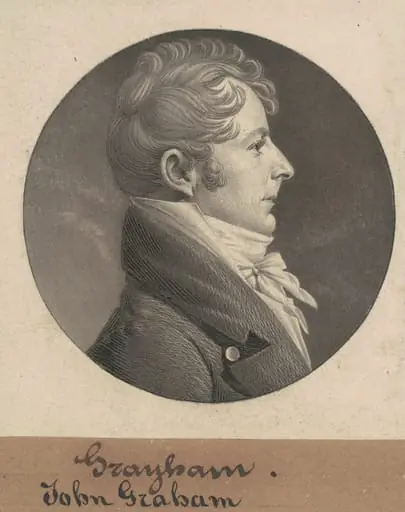
This small black-and-white print, created in 1802, depicts the English writer John Gay. Executed in mezzotint and engraving on wove paper, it measures just over five and a half centimeters square. The image is mounted on a slightly darker brown paper, enhancing its contrast. The work is part of the Corcoran Collection, reflecting its historical significance as a portrait of a literary figure from the early 19th century.
Subject & Meaning
John Gay, known for his satirical poetry and plays, is portrayed in quiet repose, seated in a simple chair with hands folded. His expression is calm and introspective, suggesting contemplation rather than grandeur. The portrait avoids theatricality, aligning with the modesty often associated with literary figures of the era. The focus on stillness and subtle expression conveys intellectual presence rather than social status.
Technique & Style
The portrait employs mezzotint, a labor-intensive process that begins with a roughened metal plate. The artist selectively scrapes and burnishes areas to create gradations of tone, allowing for smooth transitions from deep shadow to soft light. Engraved lines define finer details like the collar and hair. The background is filled with delicate dots, adding texture without distraction. The result is a luminous face emerging from a muted field.
History & Provenance
Created by Charles B. J. Févret de Saint-Mémin, a French-born artist active in the United States, the print was made during his period of producing portrait engravings of notable Americans and Europeans. It entered the Corcoran Collection in the 19th century and remained there until the collection’s dispersal. Its survival in good condition reflects careful preservation and the value placed on literary portraiture at the time.
Context
In the early 1800s, mezzotint was a favored medium for portraiture due to its ability to render subtle tonal variations. Saint-Mémin specialized in such works, often based on painted originals or life sketches. Gay, who died in 1732, was remembered as a key figure in 18th-century English literature, and this print reflects a broader 19th-century interest in preserving the likenesses of cultural ancestors through print.
Legacy
Though small in scale, the print endures as a precise example of early American mezzotint portraiture. It contributes to the visual record of literary figures and demonstrates the technical skill required in hand-printed images before photography. Saint-Mémin’s work, including this portrait, remains a reference for scholars studying the intersection of print culture and intellectual history in the early United States.
Artist & collection

Artist
Charles Balthazar Julien Févret de Saint-Mémin
Charles Balthazar Julien Févret de Saint-Mémin (French pronunciation: ; 1770–1852) was a French portrait painter and museum director.