Artwork
John H. Carr
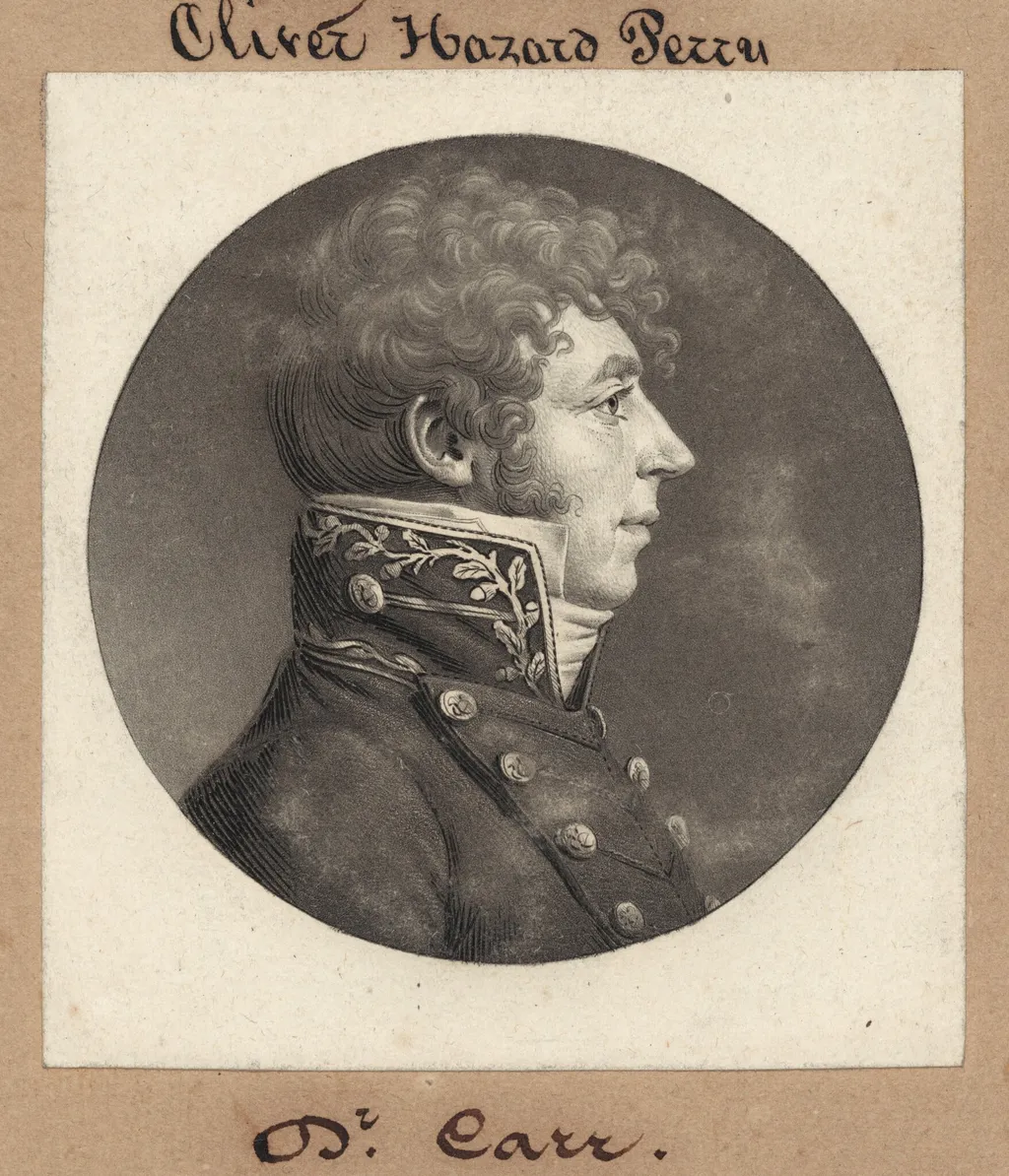
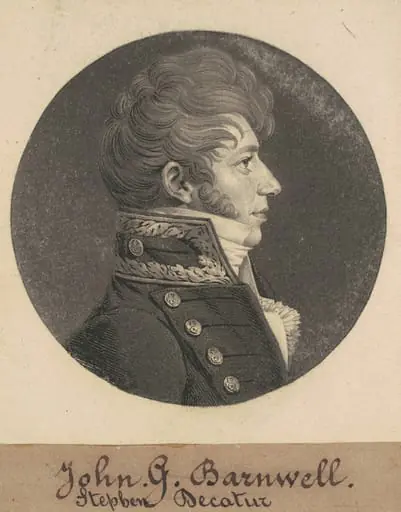
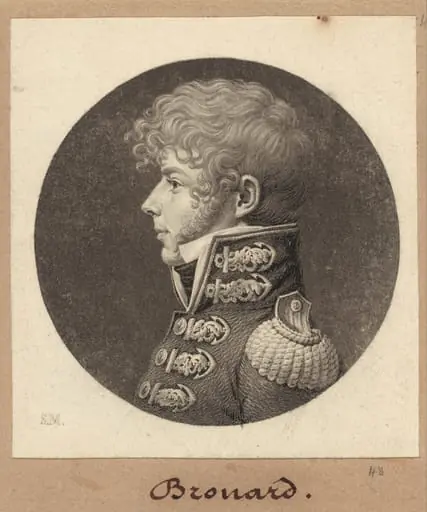
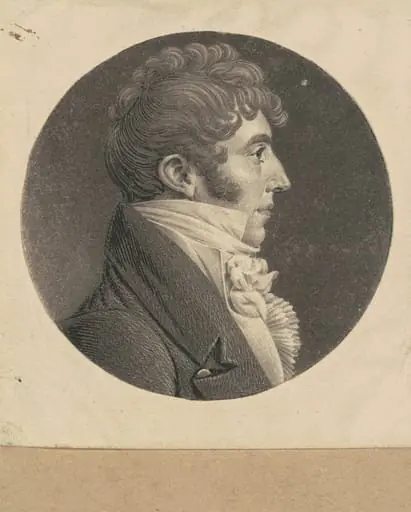
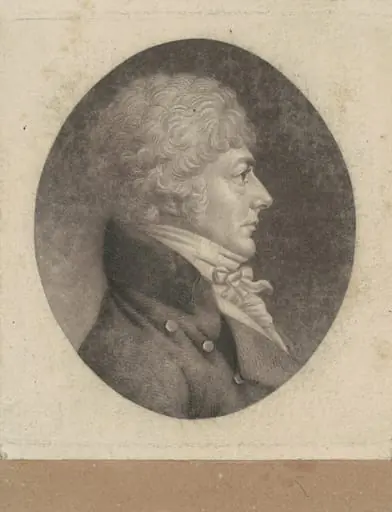
John H. Carr is an ink print by the Romanticist artist Charles Balthazar Julien Févret de Saint-Mémin. It dates from 1810 and is held in the collection of the National Gallery of Art. This 1810 print by Charles B.
About this work
Overview
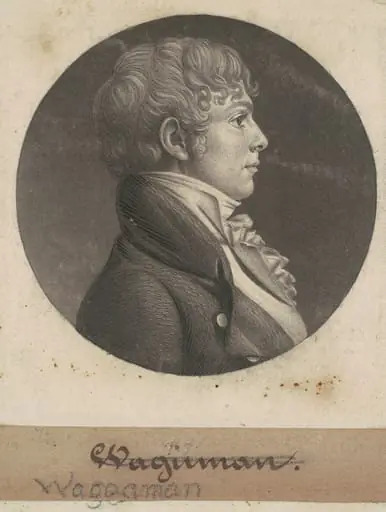
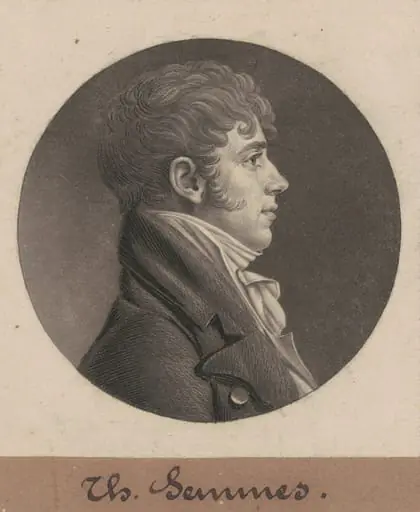
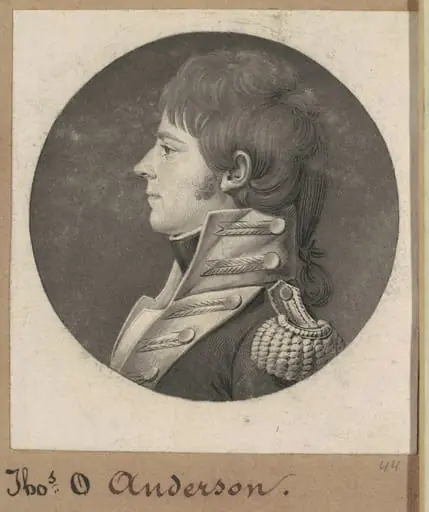
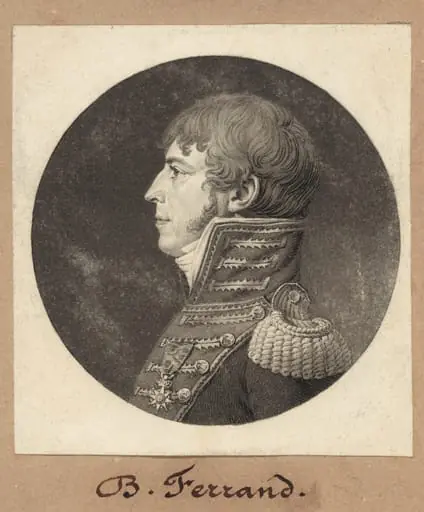
The composition is restrained, emphasizing the sitter’s facial structure without decorative elements.
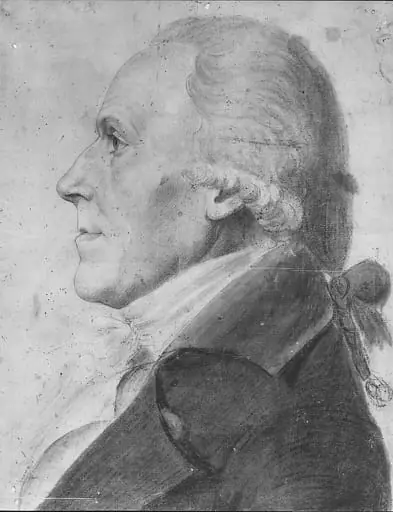
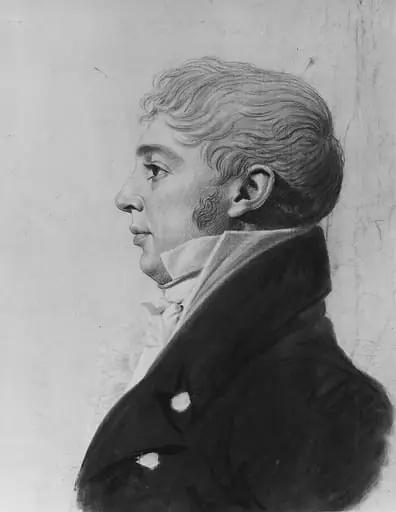
This 1810 print by Charles B. J. Févret de Saint-Mémin portrays John H. Carr in profile, rendered in mezzotint and engraving on wove paper. The image is mounted on a brown wove support, a common practice for preserving delicate prints. The composition is restrained, emphasizing the sitter’s facial structure without decorative elements. The work is held in the collection of the National Gallery of Art.
Subject & Meaning
John H. Carr, a lesser-known figure of early 19th-century America, is depicted without identifiers of rank or profession. His simple attire and neutral expression suggest an emphasis on individual presence rather than social status. The profile view, a traditional format for portraiture, conveys dignity through restraint, aligning with contemporary ideals of quiet individuality.
Technique & Style
Saint-Mémin employed mezzotint to achieve subtle tonal gradations in Carr’s face, complemented by fine engraving lines that define contours and texture. The contrast between soft shadows and sharp edges enhances the three-dimensionality of the features. The technique’s precision reflects the artist’s training in European academic portraiture, adapted to the American context with minimal embellishment.
History & Provenance
Created during Saint-Mémin’s time in the United States, the portrait was likely made from life, as was his standard practice. It entered the National Gallery of Art’s collection through established acquisition channels, preserving its original mounting and condition. The print’s survival reflects its role in documenting American civic figures during the early republic.
Context
In the early 1800s, mezzotint was a favored medium for portrait reproduction in America, particularly among artists trained in Europe. Saint-Mémin, a French émigré, helped popularize the technique among U.S. elites. Carr’s portrait fits within a broader series of profile likenesses intended to record the likenesses of public and private individuals in a nascent national culture.
Legacy
The portrait stands as an example of Saint-Mémin’s contribution to American print culture, illustrating how European techniques were applied to domestic subjects. While Carr himself is not widely remembered, the print endures as a testament to the era’s interest in capturing individual identity through precise, unadorned representation.
Artist & collection

Artist
Charles Balthazar Julien Févret de Saint-Mémin
Charles Balthazar Julien Févret de Saint-Mémin (French pronunciation: ; 1770–1852) was a French portrait painter and museum director.