Artwork
Thomas Semmes
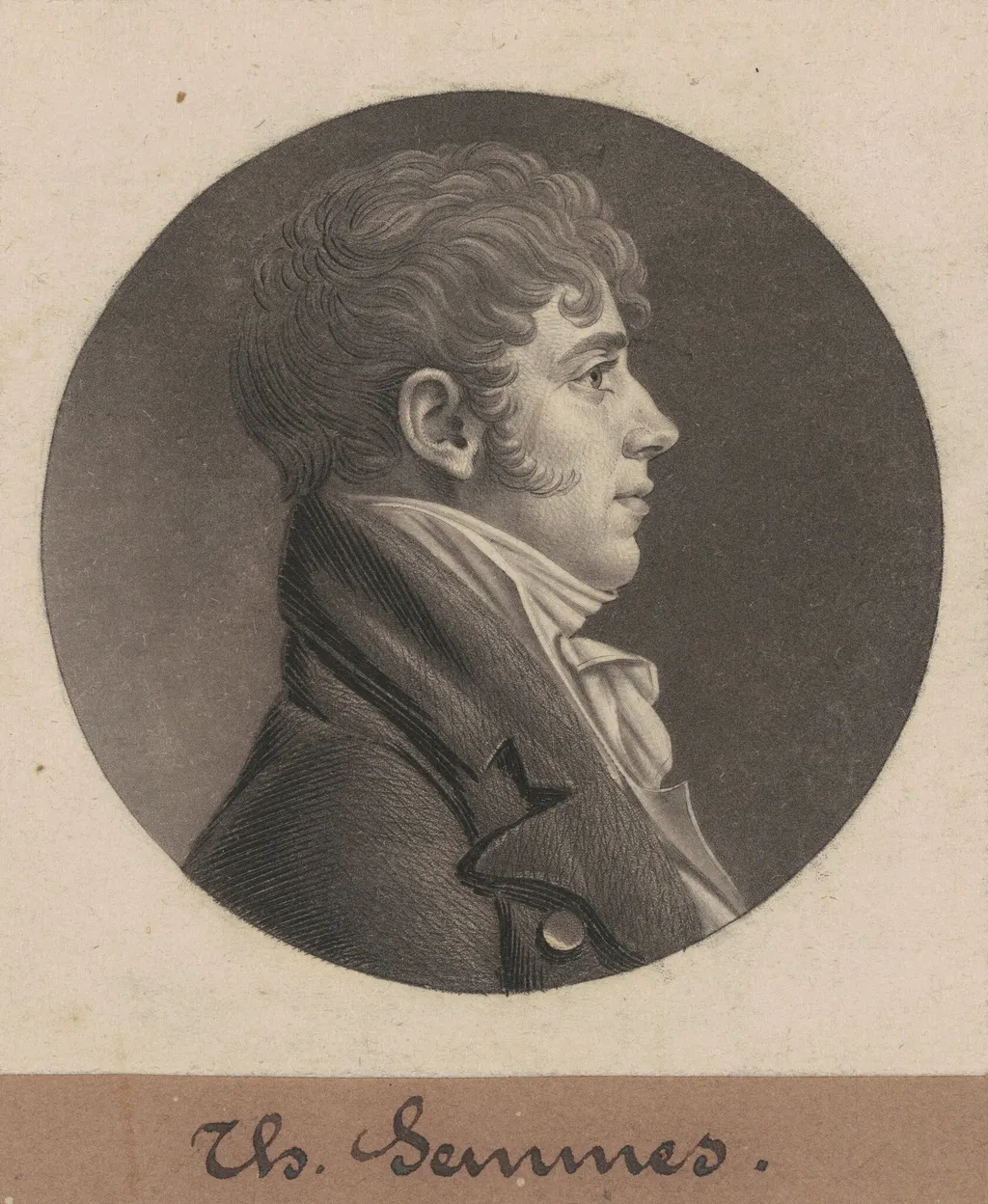
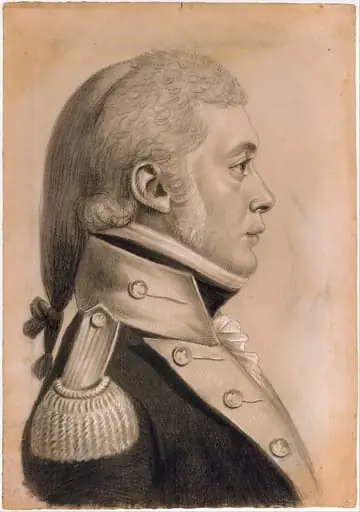
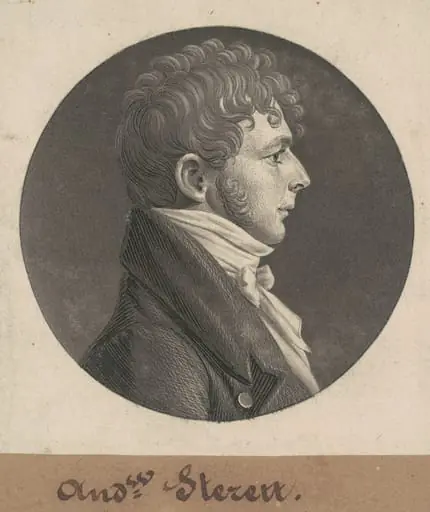
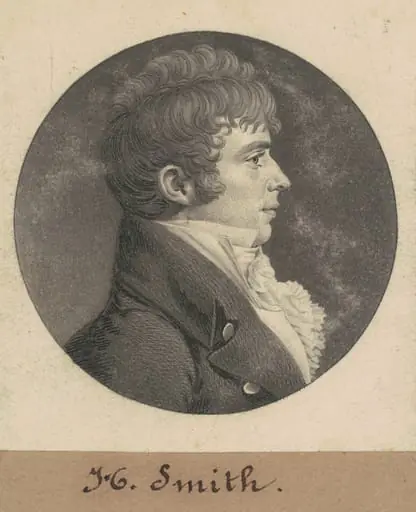
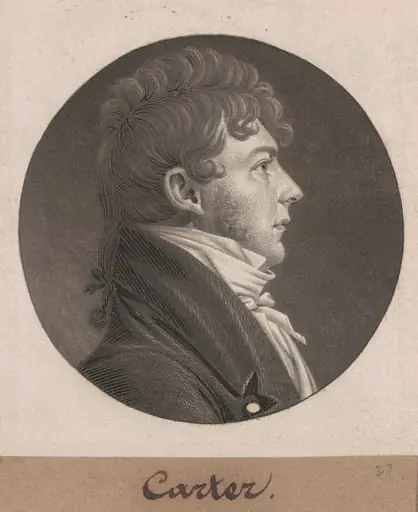
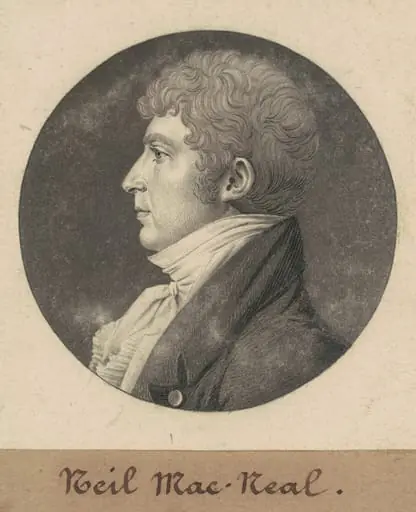
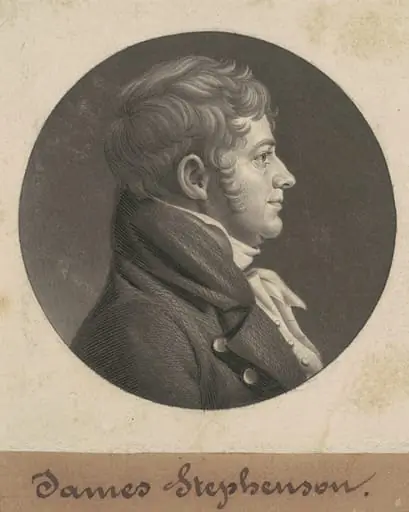
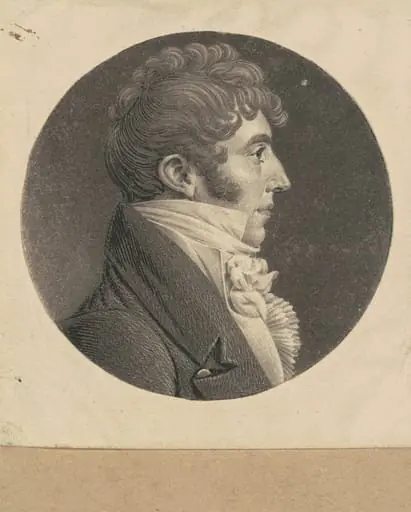
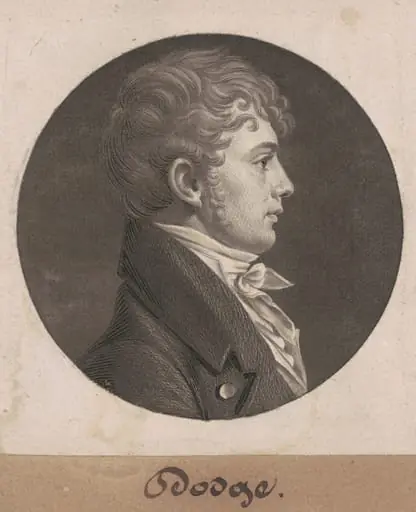
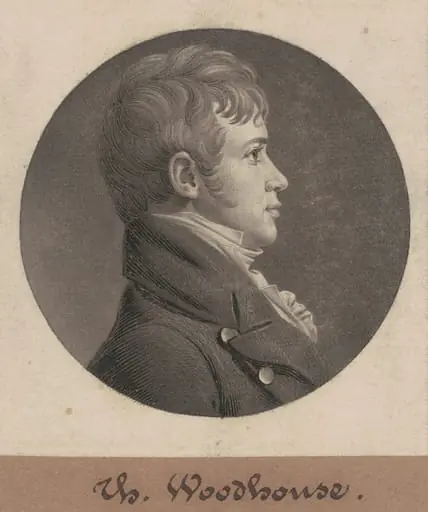
Thomas Semmes is an ink print by the Romanticist artist Charles Balthazar Julien Févret de Saint-Mémin. It dates from 1805 and is held in the collection of the National Gallery of Art. This small portrait is a mezzotint and engraving on wove paper, mounted to a brown wove support.
About this work
Overview
This small portrait is a mezzotint and engraving on wove paper, mounted to a brown wove support.
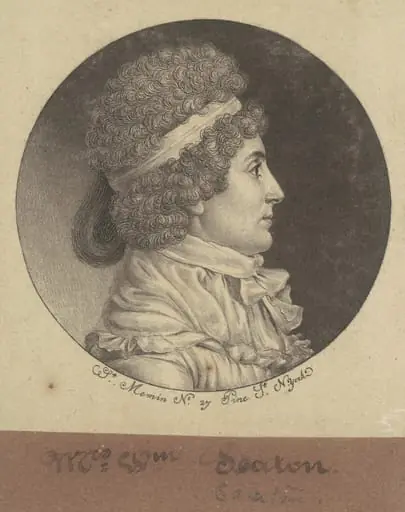
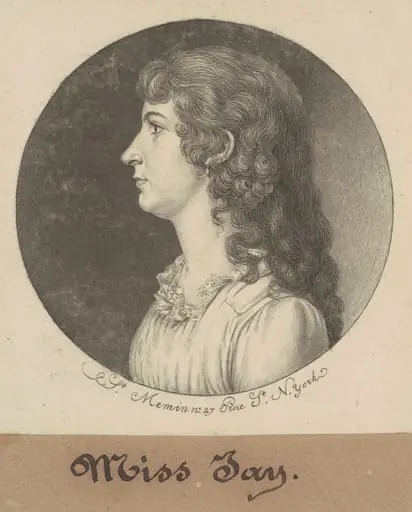
This small portrait is a mezzotint and engraving on wove paper, mounted to a brown wove support. Created in 1805, it depicts Thomas Semmes in profile, from the shoulders upward. The format is compact, measuring approximately 5.56 cm square, typical of the intimate scale favored in portrait miniatures of the period. The work was produced by Charles B. J. Févret de Saint-Mémin, known for his precision in translating likenesses into printed form.
Subject & Meaning
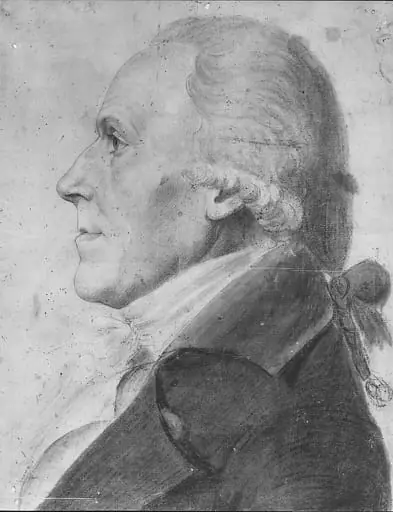
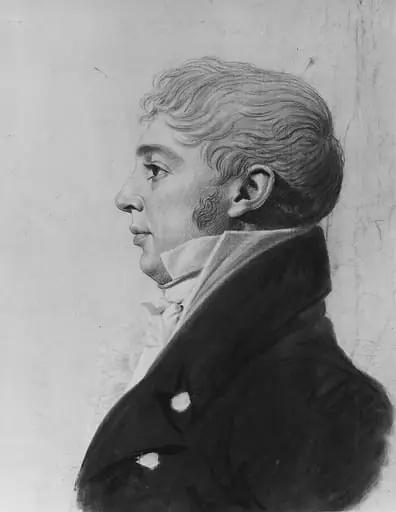
Thomas Semmes, a Louisiana jurist and political figure, is portrayed in strict profile, emphasizing his facial structure and dignified bearing. The choice of profile reflects classical ideals of restraint and character, common in early American portraiture. No accessories or background elements distract from the focus on the sitter’s countenance, suggesting an intent to convey personal authority rather than social status.
Technique & Style
Saint-Mémin employed mezzotint and engraving to achieve subtle tonal gradations within a tight format. The technique allowed fine lines and soft shading to model the contours of Semmes’s face with clarity, despite the miniature scale. The black ink on pale paper enhances contrast, drawing attention to the crispness of the profile and the delicate rendering of hair and collar.
History & Provenance
The portrait was made during Saint-Mémin’s time in the United States, where he produced numerous profile portraits using his patented physiognotrace device. Though the exact provenance of this print is undocumented, it aligns with his commercial practice of creating small, reproducible likenesses for middle- and upper-class patrons in the early 1800s.
Context
In the early 19th century, profile portraits were widely circulated as affordable alternatives to oil paintings. Saint-Mémin’s method, combining mechanical tracing with hand engraving, met demand for standardized yet personalized likenesses. This print reflects a broader cultural shift toward documenting civic figures through reproducible imagery, particularly in the young American republic.
Legacy
Saint-Mémin’s profile portraits, including this one, remain significant as early examples of mass-produced American portraiture. Though modest in size, they contributed to the visual record of public figures during a formative era. Their technical precision and restrained aesthetic influenced later printmakers and helped establish portraiture as an accessible art form beyond elite circles.
Artist & collection

Artist
Charles Balthazar Julien Févret de Saint-Mémin
Charles Balthazar Julien Févret de Saint-Mémin (French pronunciation: ; 1770–1852) was a French portrait painter and museum director.