Artwork
William Gray
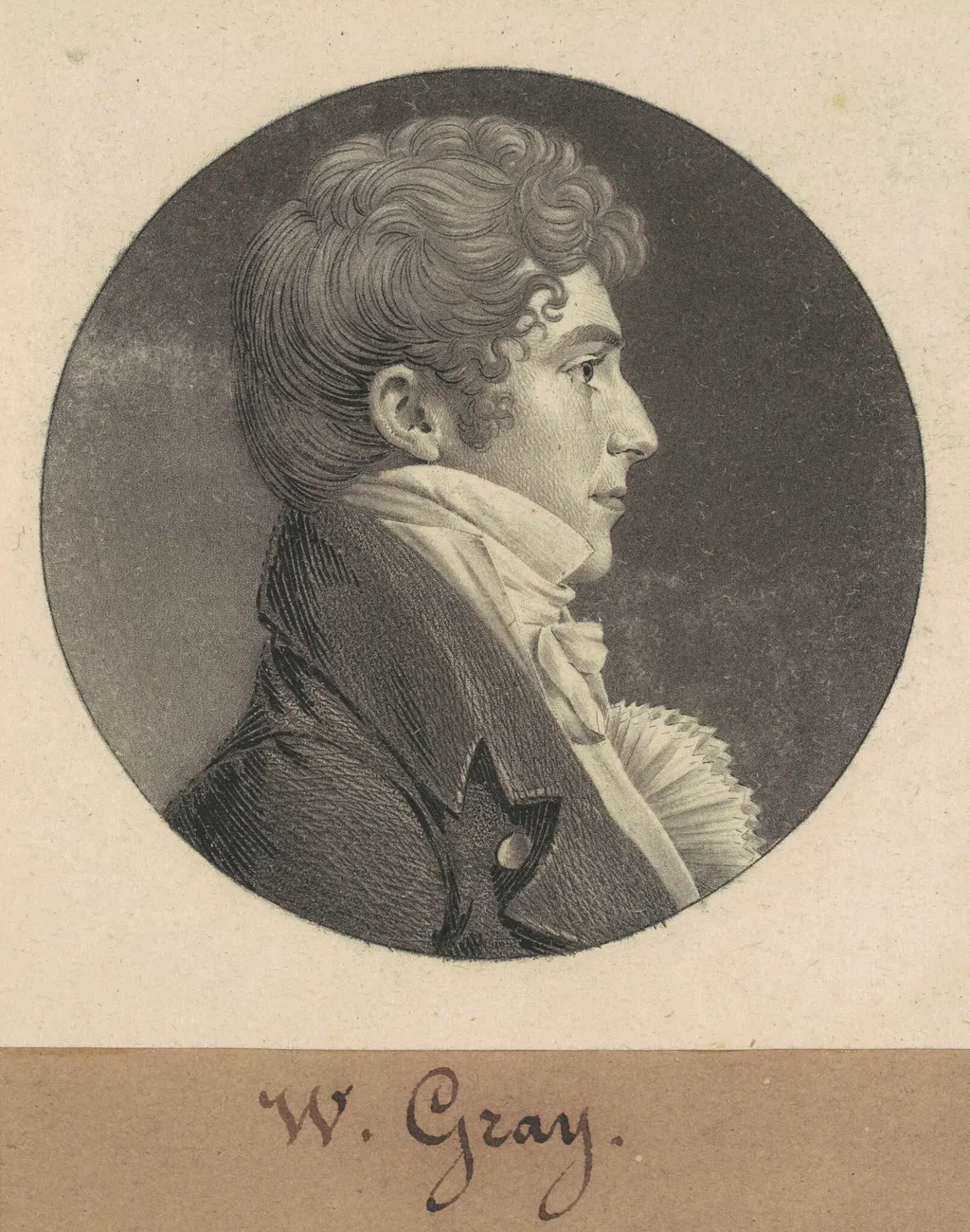
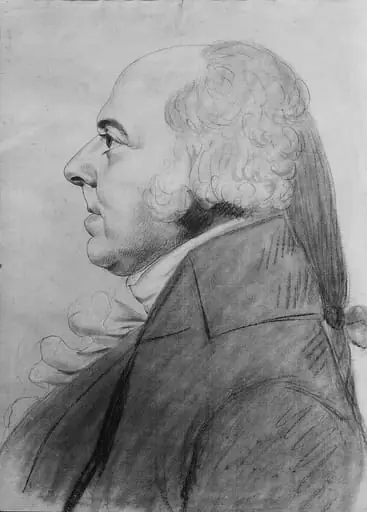
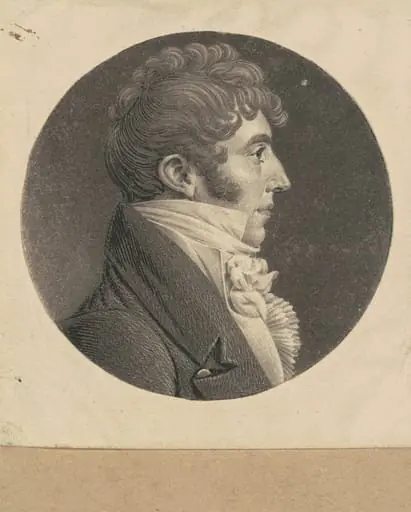
William Gray is an ink print by the Romanticist artist Charles Balthazar Julien Févret de Saint-Mémin. It dates from 1809 and is held in the collection of the National Gallery of Art. This small circular print, measuring roughly 5.
About this work
Overview
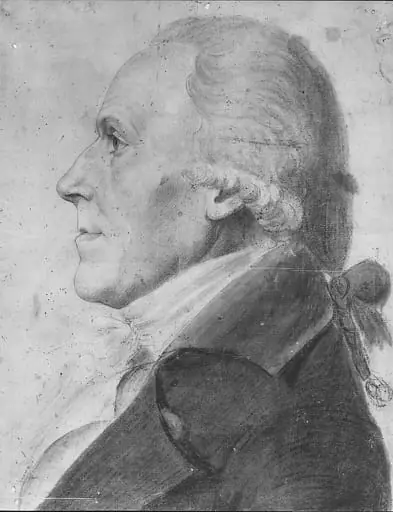
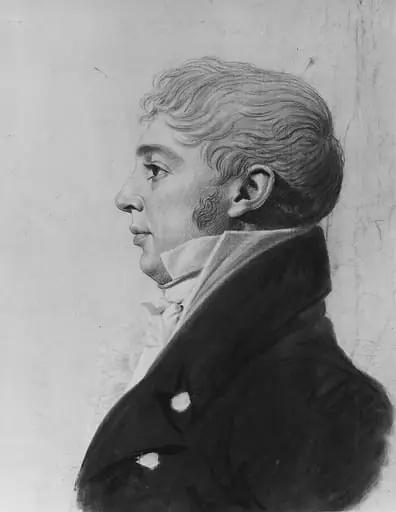
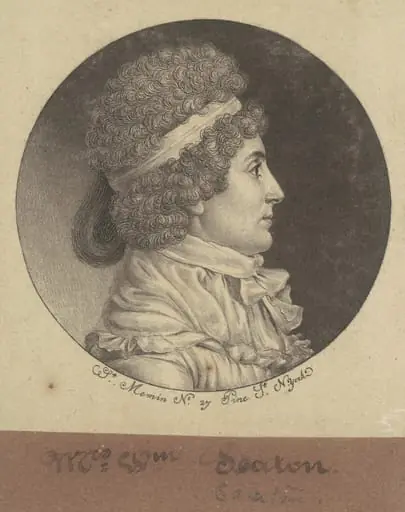
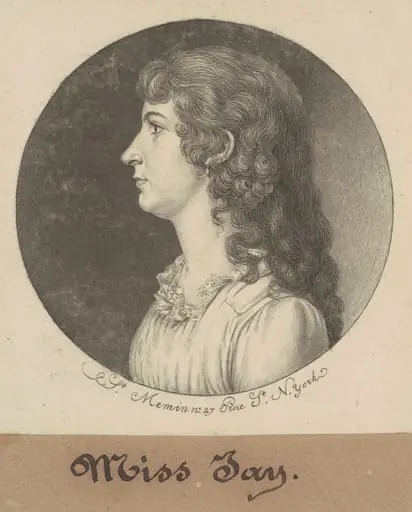
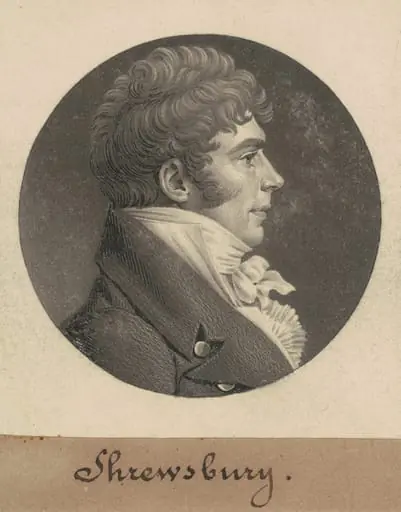
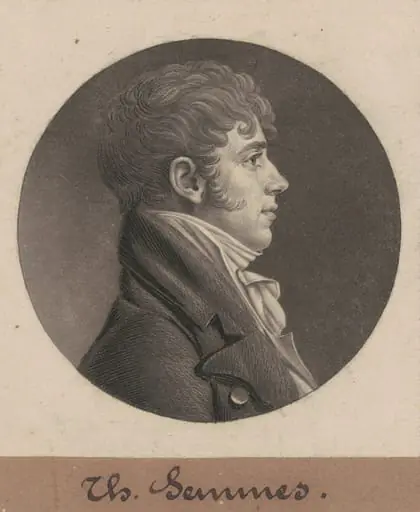
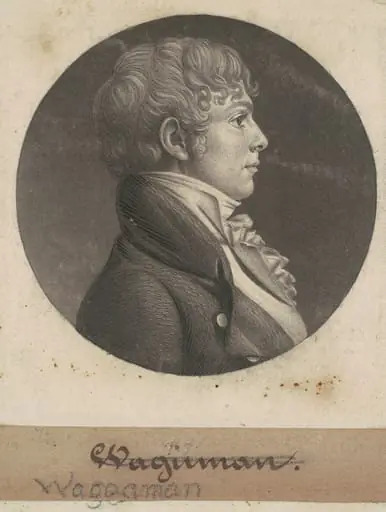
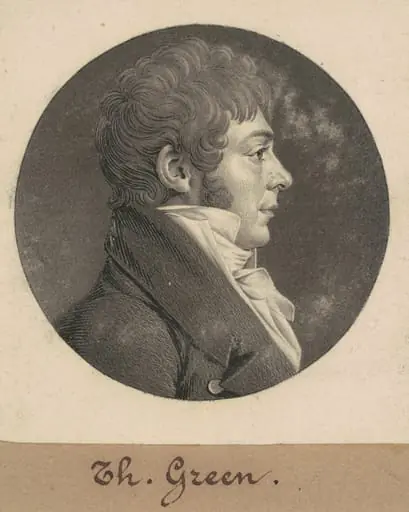
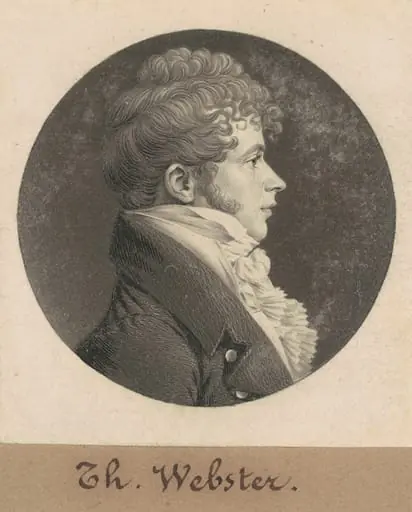
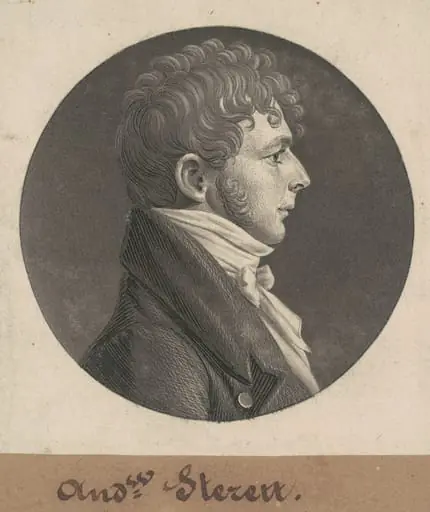
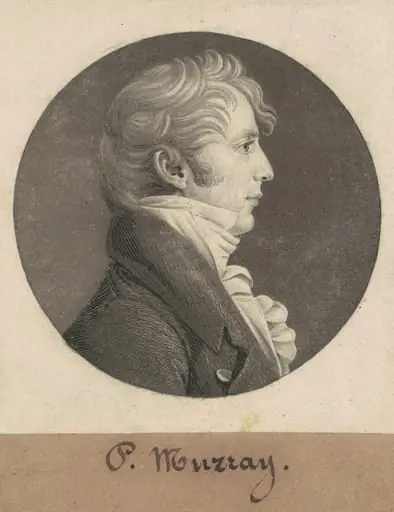
This small circular print, measuring roughly 5.7 by 5.6 centimeters, presents a profile view of a gentleman named William Gray. Executed in 1809, the work is a mezzotint and engraving on wove paper, later mounted onto a brown wove backing. The composition is tightly focused on the sitter’s face, emphasizing his short, curly hair and modest attire.
Subject & Meaning
The portrait captures Gray in a straightforward, unembellished manner, offering a clear view of his features without symbolic adornment. The profile pose, a convention inherited from classical portraiture, conveys a sense of dignity and restraint, typical of early‑19th‑century portrait conventions for private individuals.
Technique & Style
Created by Charles B. J. Févret de Saint‑Mémin, the image combines mezzotint’s rich tonal gradations with fine engraving lines, allowing intricate detail despite its diminutive size. The artist’s control of light and shadow produces a subtle modeling of the face, while the crisp line work defines hair and clothing with precision.
History & Provenance
The print belongs to the Saint‑Mémin Collection of Portraits, a grouping of works by the French artist known for his portrait engravings of notable figures. Produced in 1809, the piece reflects Saint‑Mémin’s activity during his American exile, when he produced numerous likenesses of contemporaries.
Artist & collection

Artist
Charles Balthazar Julien Févret de Saint-Mémin
Charles Balthazar Julien Févret de Saint-Mémin (French pronunciation: ; 1770–1852) was a French portrait painter and museum director.