Artwork
John S. Smith
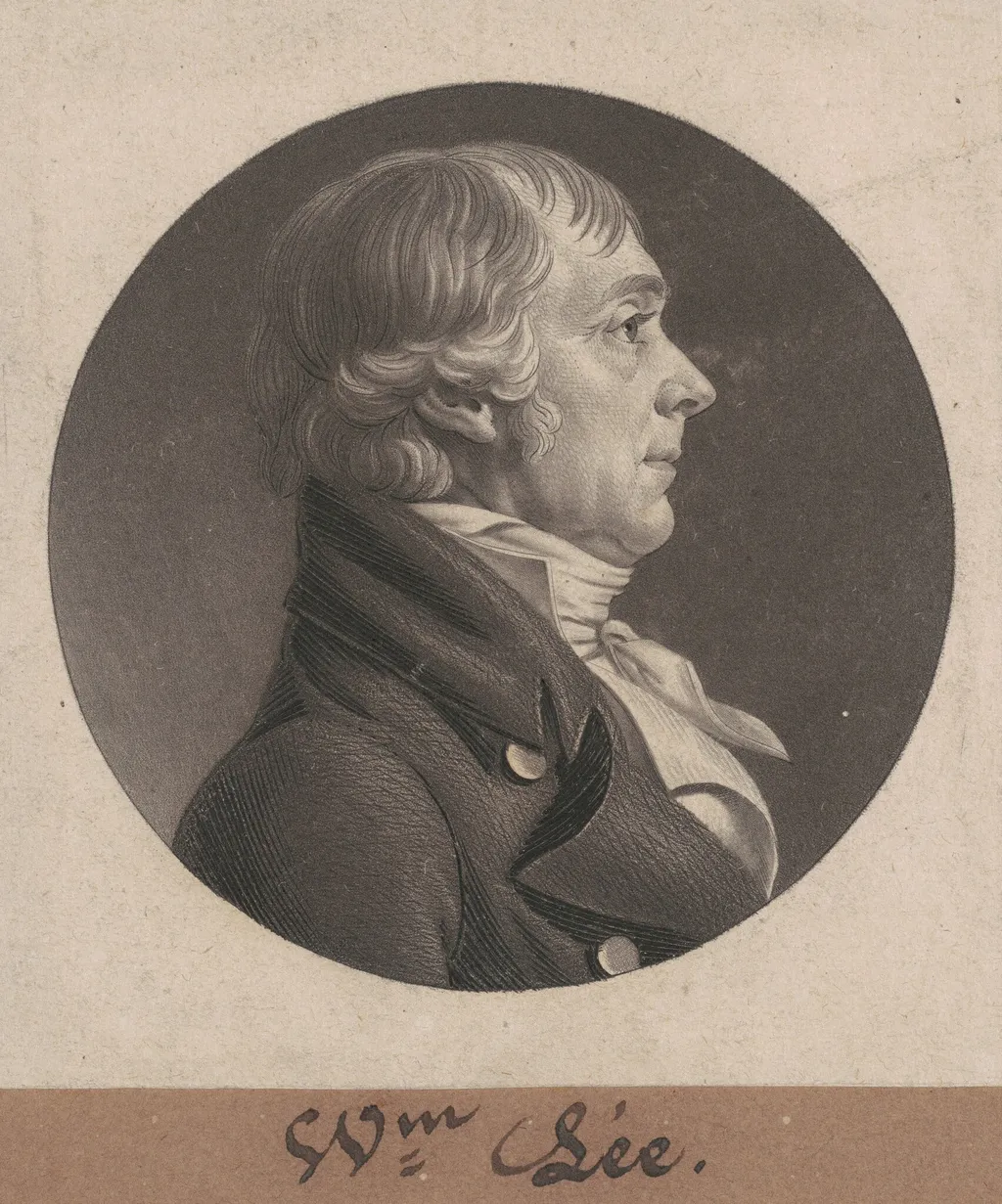
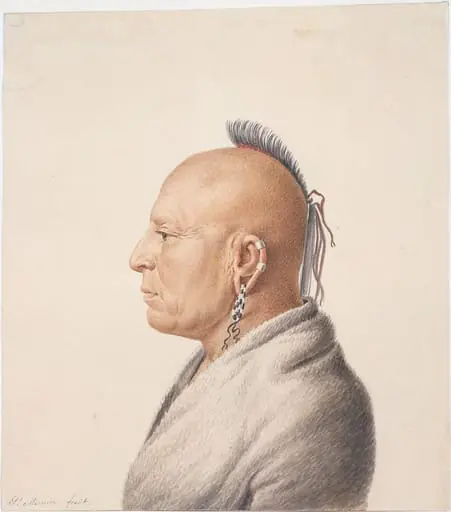
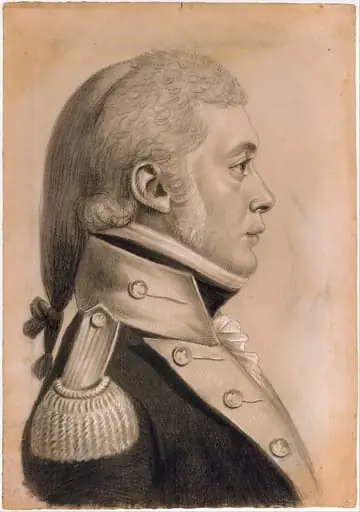
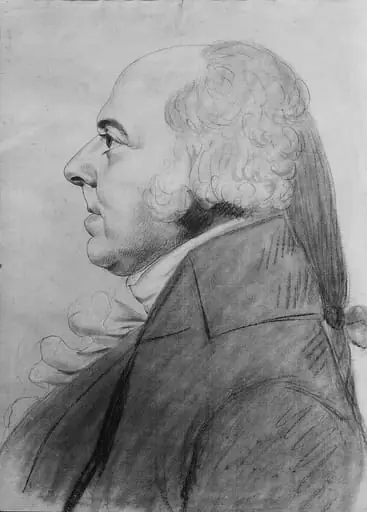
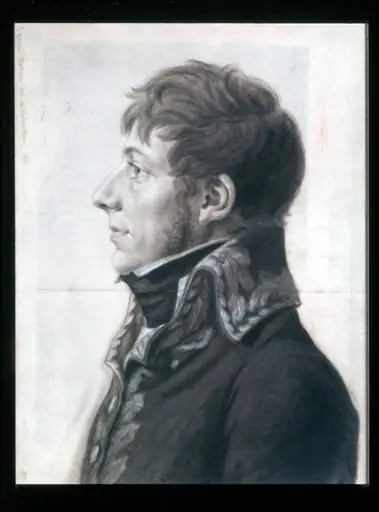
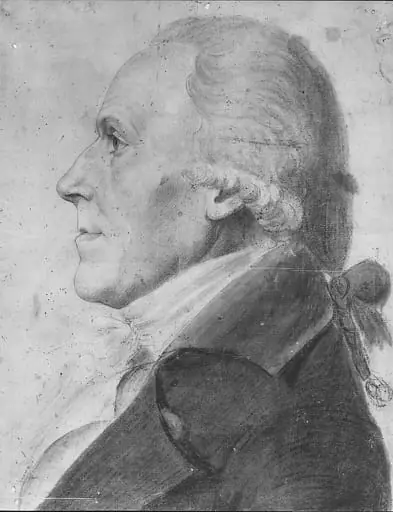
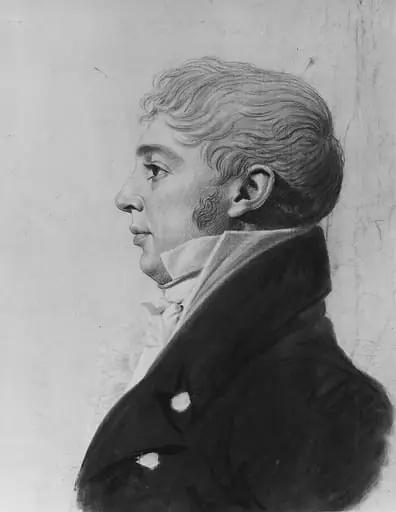
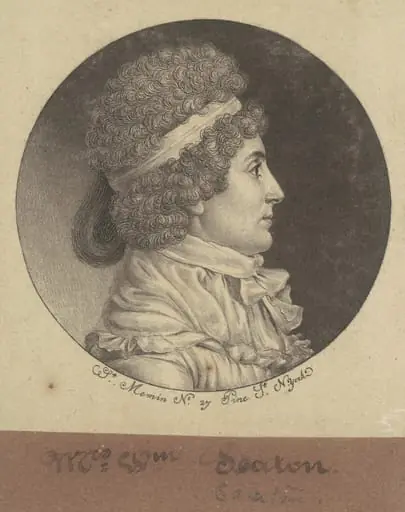
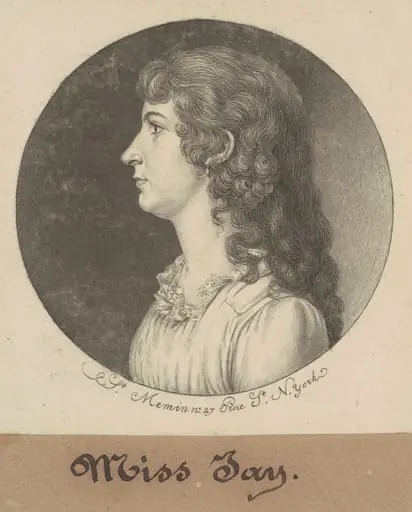
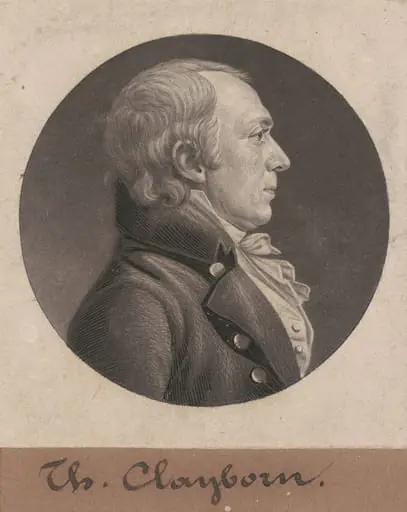
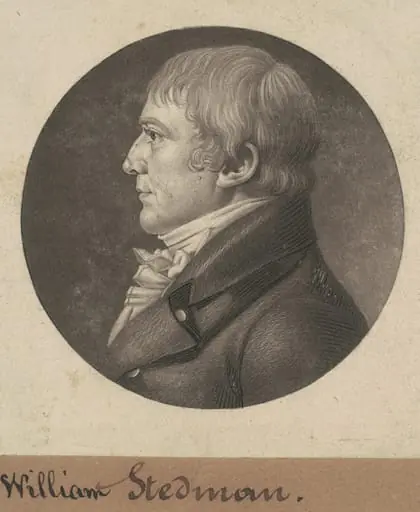
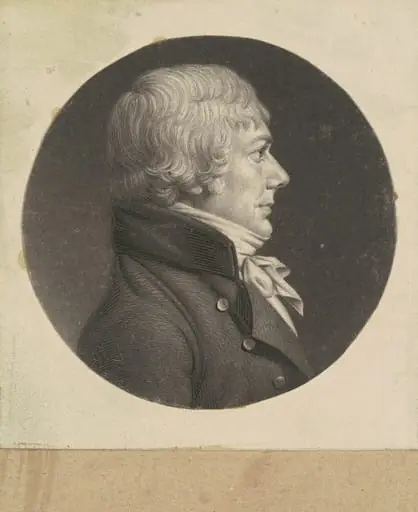
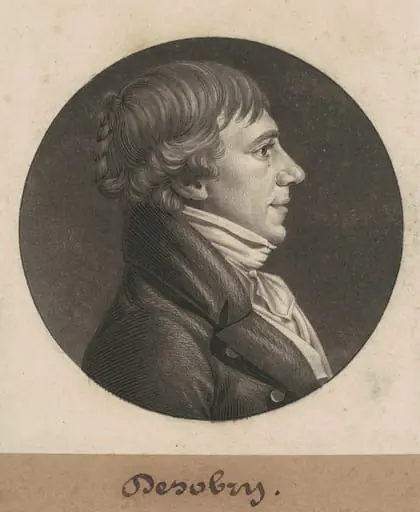
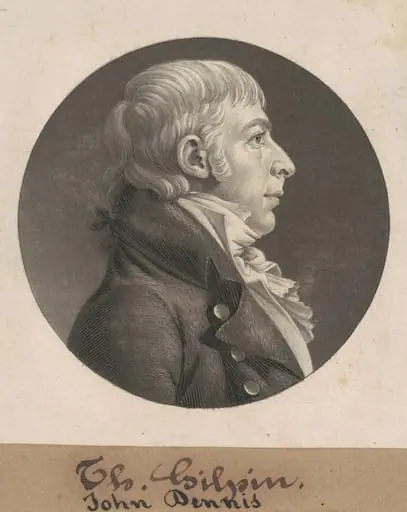
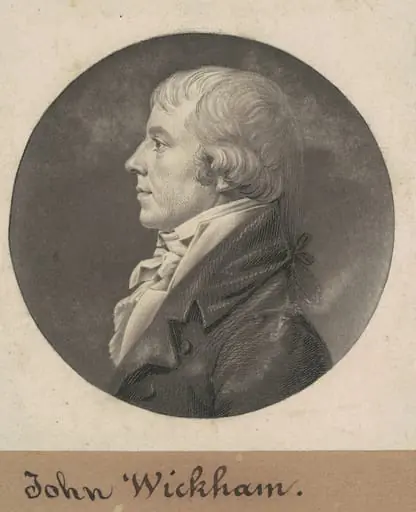
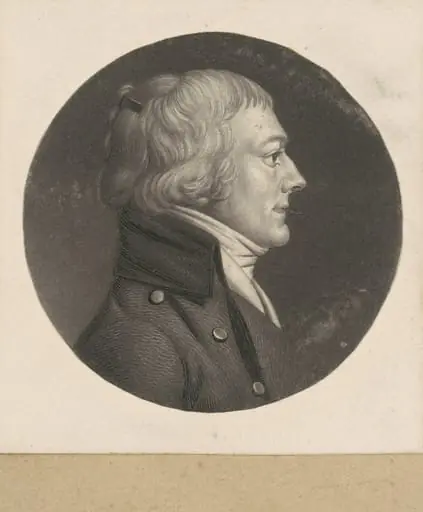
John S. Smith is an ink print by the Romanticist artist Charles Balthazar Julien Févret de Saint-Mémin. It dates from 1805 and is held in the collection of the National Gallery of Art. This small oil portrait depicts John S.
About this work
This painting shows a portrait of John S. Smith.
It's a small oil on canvas work, about 5.56 × 5.56 cm.
The artist used a lot of detail to create this portrait, which is interesting because it was made around 1805, a time when portraits were often much larger.
You can learn more about the artist who made this, Saint-Mémin, Charles B. J. Févret de.
Overview
56 centimeters, the work stands out for its compact scale, unusual for portraiture of the period.
This small oil portrait depicts John S. Smith, created around 1805 by Charles B. J. Févret de Saint-Mémin. Measuring roughly 5.56 by 5.56 centimeters, the work stands out for its compact scale, unusual for portraiture of the period. Executed on canvas, it reflects Saint-Mémin’s precision in rendering likeness despite its diminutive size, suggesting an intimate or personal commission rather than a public display.
Subject & Meaning
John S. Smith, the subject, remains a figure of limited documented history. The portrait’s focused gaze and restrained expression convey a sense of quiet dignity. Its small size may indicate private ownership, perhaps intended for a family album or personal keepsake. The absence of symbolic elements or elaborate setting emphasizes the individual’s presence over social status or narrative context.
Technique & Style
Saint-Mémin applied thin layers of oil paint with meticulous brushwork, capturing fine details in facial features and texture of clothing. The palette is subdued, relying on tonal contrasts rather than color to model form. The compact format demands close viewing, reinforcing the artist’s skill in achieving realism within constrained dimensions, a hallmark of his miniature portraiture practice.
History & Provenance
The painting’s early ownership is undocumented, but its survival suggests it remained within private hands. No public exhibition records from the early 19th century are known. The work’s current location and acquisition history are not widely published, leaving its journey from creation to present largely obscure, though its preservation implies continued personal or institutional value.
Context
In the early 1800s, portrait painting in America was dominated by larger, formal commissions for public figures. Saint-Mémin, a French émigré, specialized in small-scale portraits, often using the miniature format favored for personal mementos. This work aligns with his broader practice of creating intimate likenesses, catering to a clientele seeking private, portable representations rather than monumental displays.
Legacy
While not widely exhibited, this portrait contributes to the understanding of Saint-Mémin’s versatility and the niche market for miniature portraiture in early American art. It exemplifies how personal identity was preserved in modest formats during a time when public portraiture emphasized scale and grandeur. The work remains a quiet testament to the artist’s technical discipline and the enduring value of small-scale likenesses.
Artist & collection

Artist
Charles Balthazar Julien Févret de Saint-Mémin
Charles Balthazar Julien Févret de Saint-Mémin (French pronunciation: ; 1770–1852) was a French portrait painter and museum director.