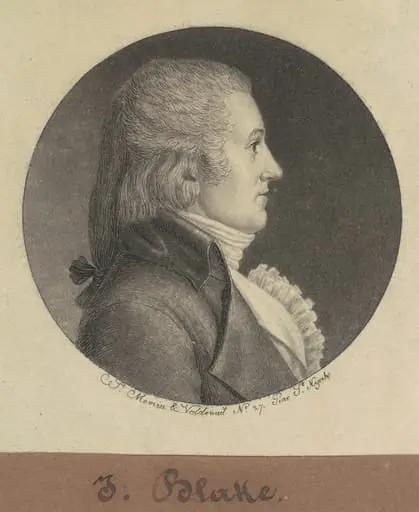
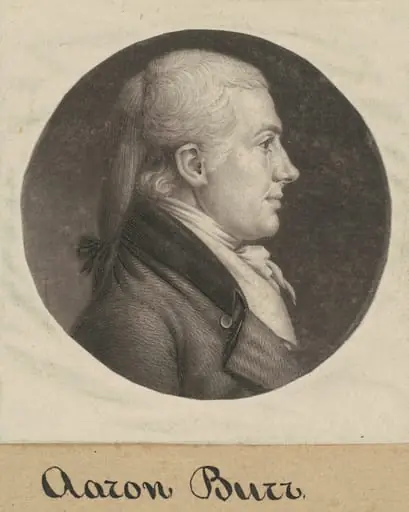
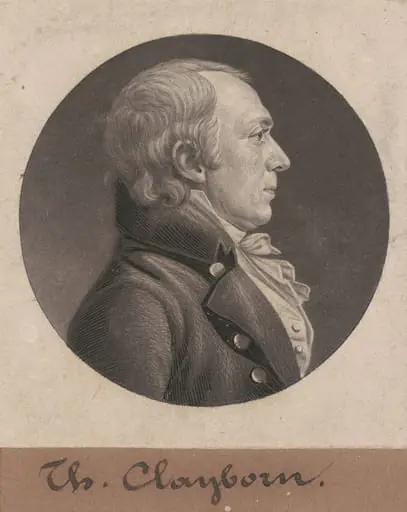
Artwork
Jones Fawson
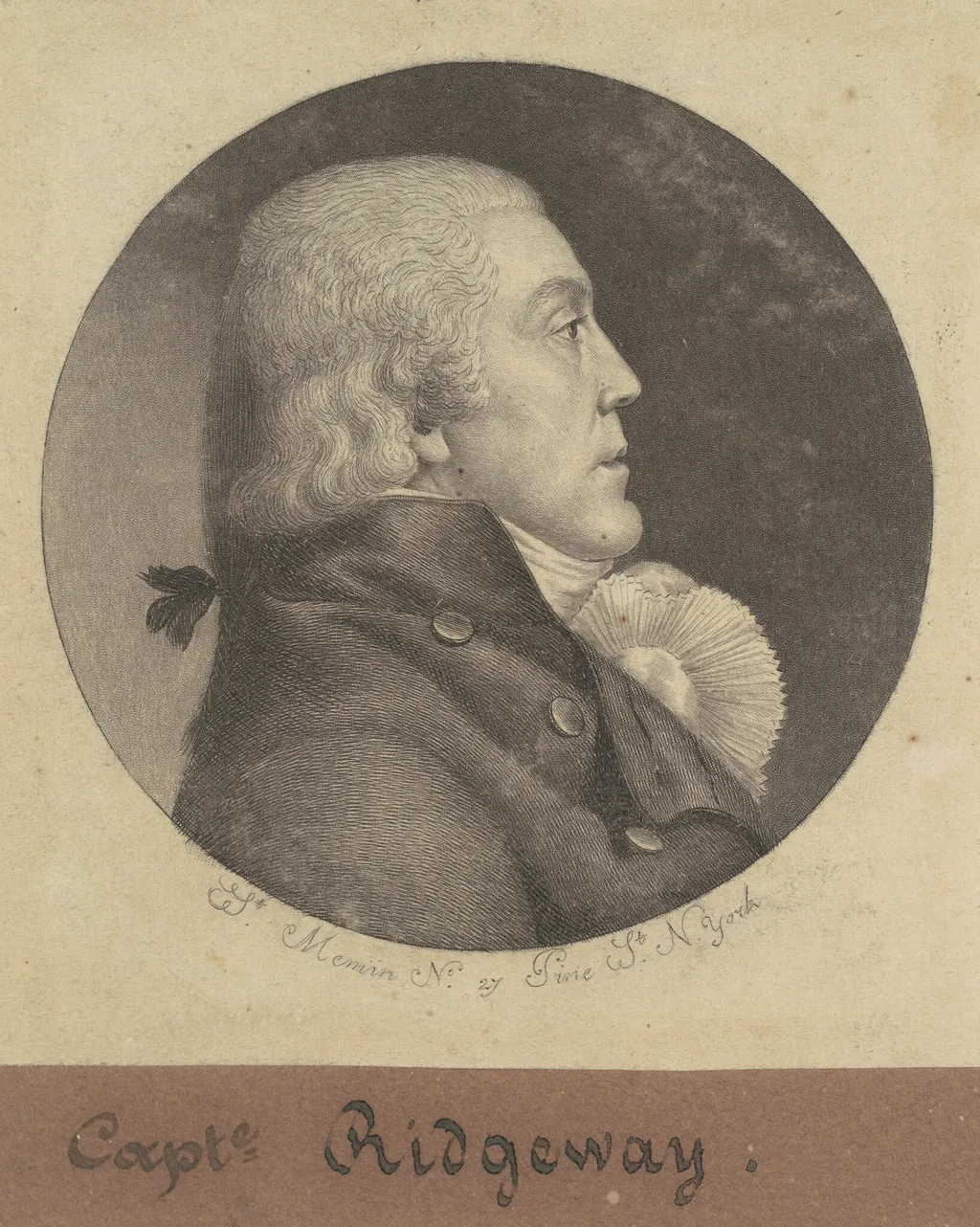
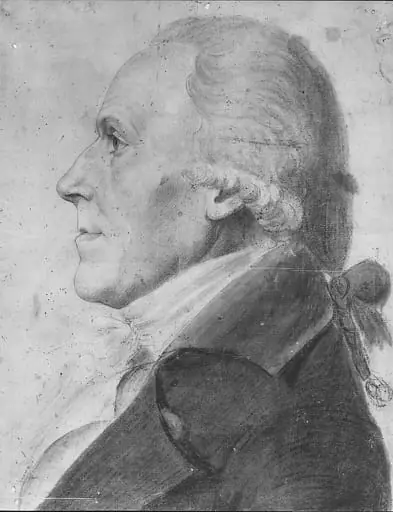
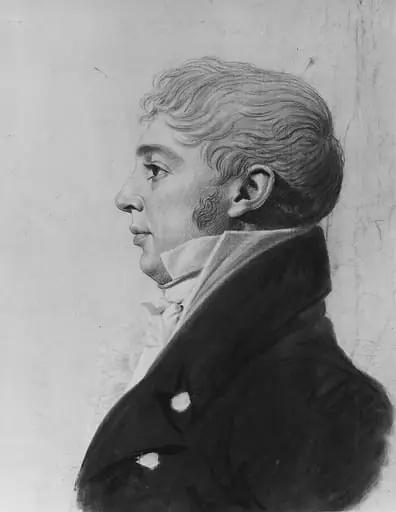
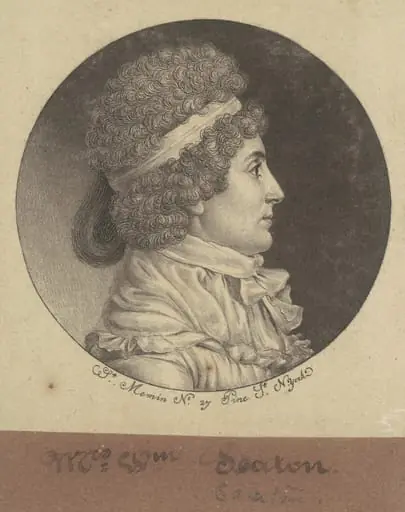
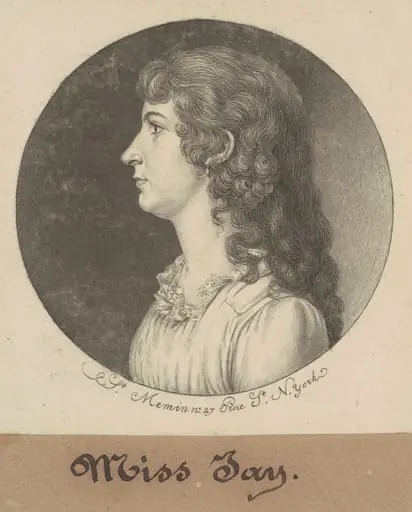
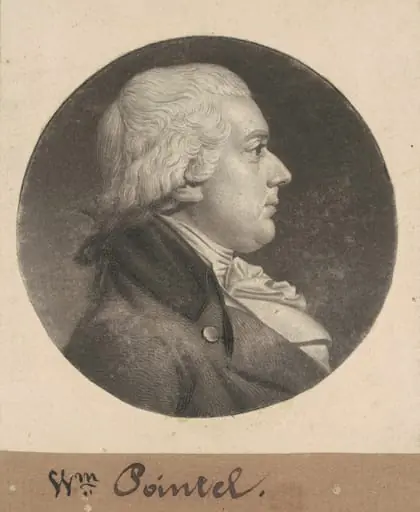
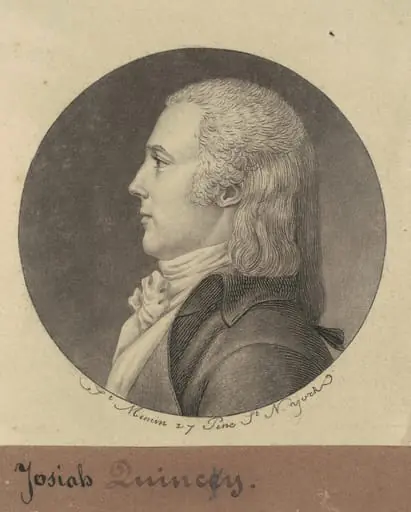
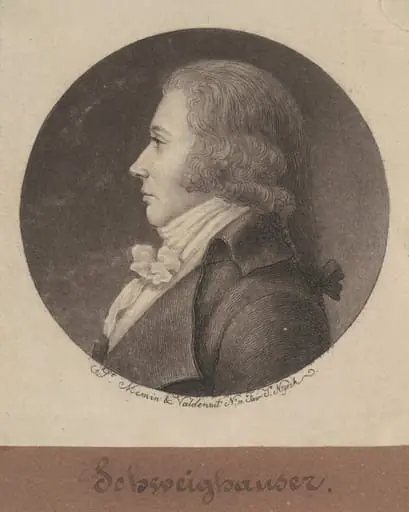
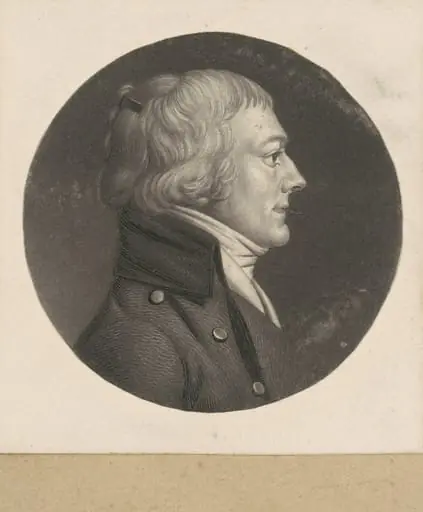
Jones Fawson is an ink print by the Romanticist artist Charles Balthazar Julien Févret de Saint-Mémin. It dates from 1797 and is held in the collection of the National Gallery of Art. Created in 1797 by Charles B.
About this work
Overview
Févret de Saint-Mémin, this small portrait is rendered in mezzotint and engraving on wove paper, mounted to a brown wove support.
Created in 1797 by Charles B. J. Févret de Saint-Mémin, this small portrait is rendered in mezzotint and engraving on wove paper, mounted to a brown wove support. Measuring just over five and a half centimeters square, it belongs to the Corcoran Collection. The work exemplifies the precision demanded by miniature portraiture in the late 18th century, where technical mastery enabled detailed representation at a reduced scale.
Subject & Meaning
The portrait depicts Jones Fawson, a figure whose historical role remains documented primarily through this image. As a commissioned likeness, it served to preserve the appearance of an individual of note during a period when portraiture functioned as both personal record and social affirmation. The absence of contextual elements focuses attention entirely on the sitter’s features and expression.
Technique & Style
Févret de Saint-Mémin employed mezzotint to achieve subtle tonal gradations, complemented by fine engraving lines for definition. The small scale required exceptional control, with each dot and line meticulously placed to model form and texture. The monochrome palette enhances the sculptural quality of the face, reflecting the artist’s training in neoclassical portraiture and his commitment to lifelike precision.
History & Provenance
The print entered the Corcoran Collection in the 19th century, where it remained until the collection’s dispersal. Its survival in relatively intact condition speaks to careful handling and preservation. Though little is recorded about Fawson himself, the print’s inclusion in a major American collection underscores its value as a representative example of early American portraiture practices.
Context
In the late 1790s, mezzotint was a favored medium for portrait reproduction in the United States, particularly among émigré artists like Févret de Saint-Mémin. His work bridged European techniques and American clientele, responding to demand for affordable, detailed likenesses. This print reflects a broader cultural shift toward documenting civic figures through accessible graphic media.
Legacy
The portrait stands as a testament to the skill required in miniature printmaking during a transitional era in American visual culture. While not widely exhibited, it remains a reference point for scholars studying the dissemination of portraiture beyond oil painting. Its survival offers insight into the technical capabilities and aesthetic priorities of early American printmakers.
Artist & collection

Artist
Charles Balthazar Julien Févret de Saint-Mémin
Charles Balthazar Julien Févret de Saint-Mémin (French pronunciation: ; 1770–1852) was a French portrait painter and museum director.