Artwork
Leech
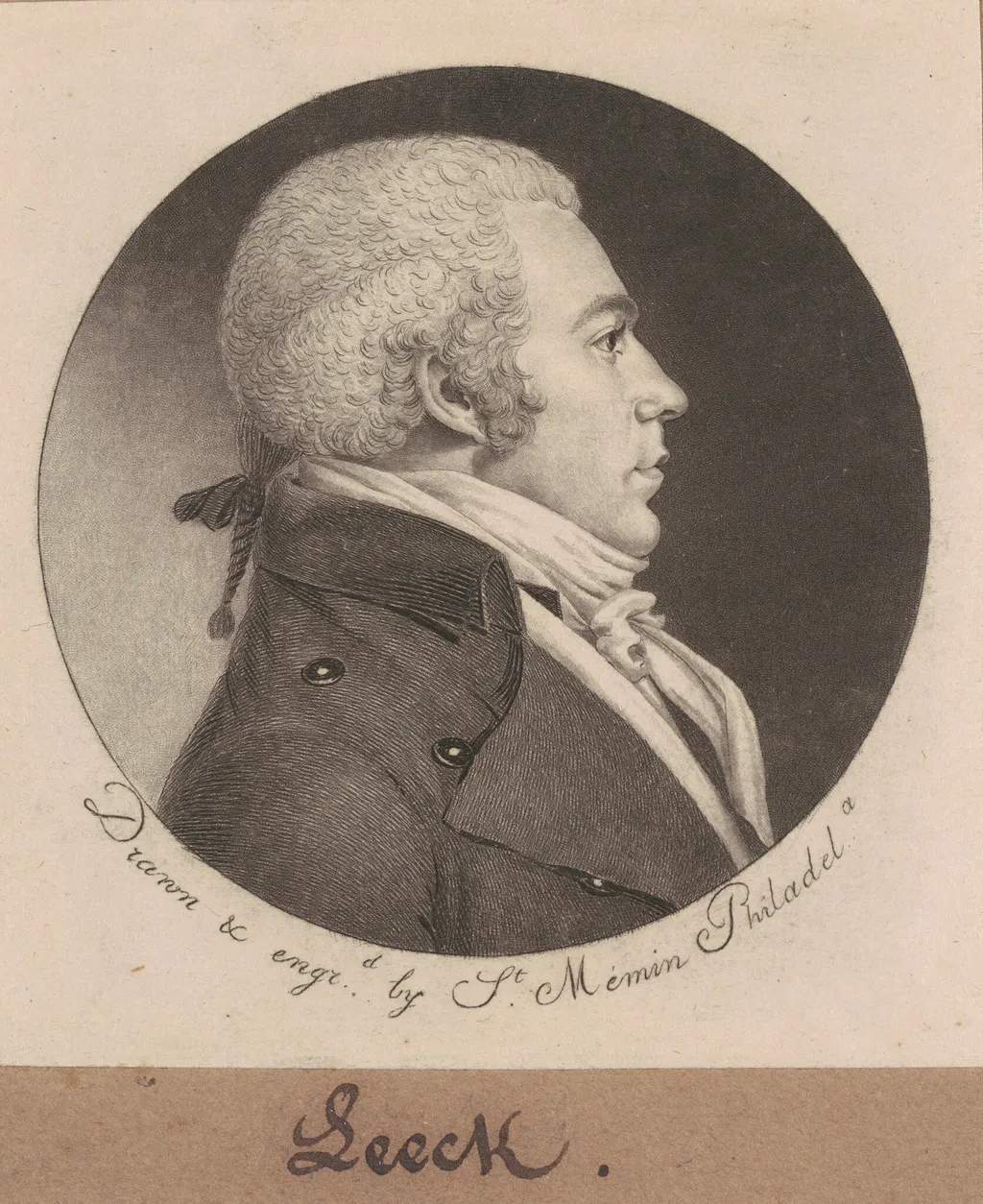
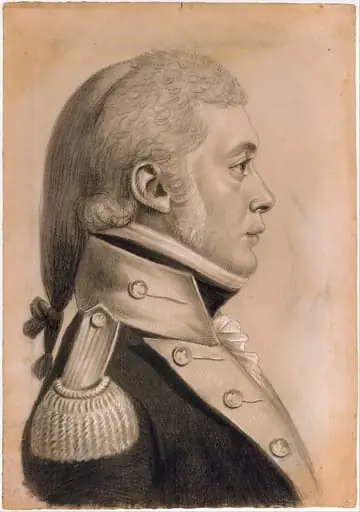
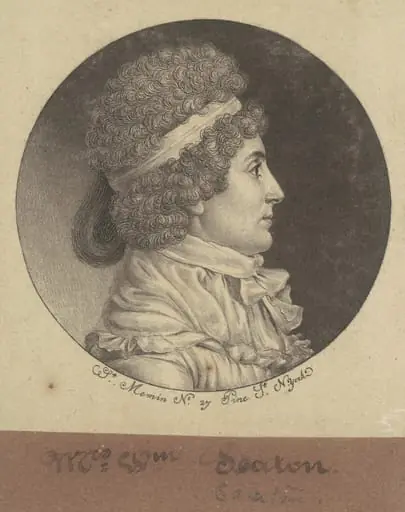
Leech is an ink print by the Romanticist artist Charles Balthazar Julien Févret de Saint-Mémin. It dates from 1798 and is held in the collection of the National Gallery of Art. Created in 1798 by Charles B.
About this work
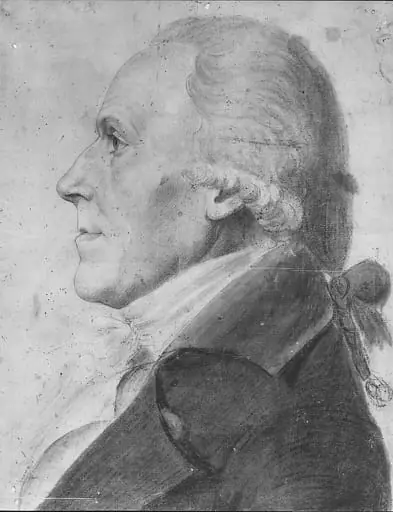
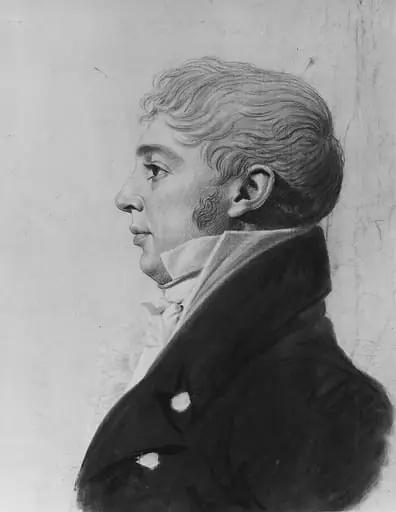
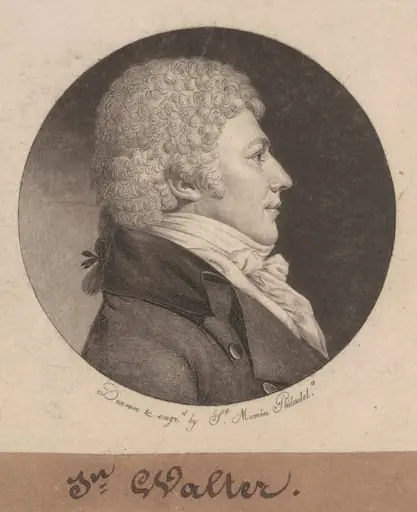
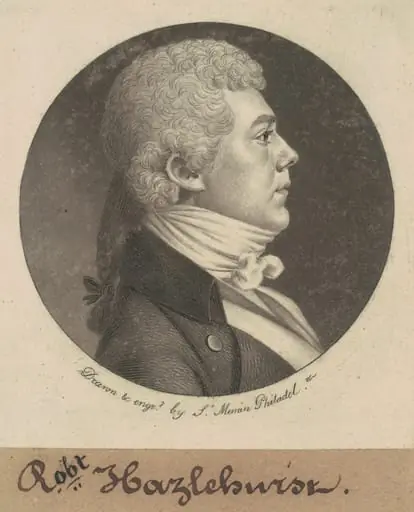
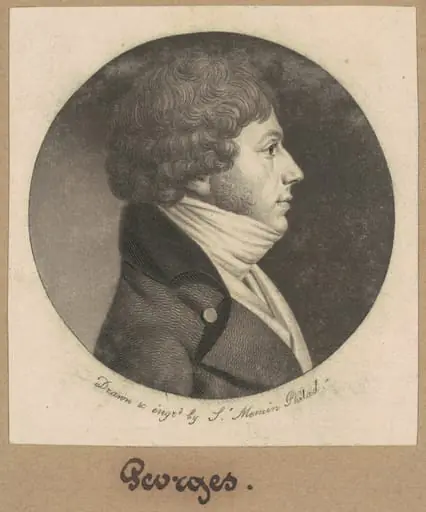
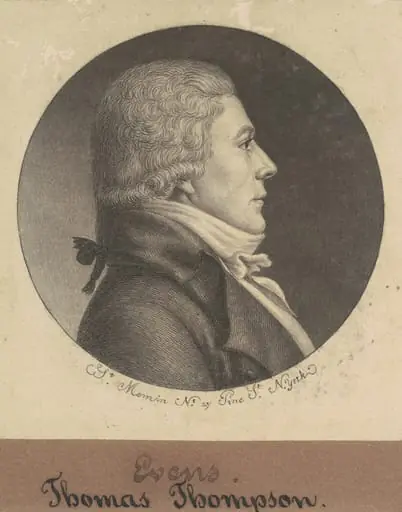
The painting shows a man in profile, wearing formal clothes.
He looks refined, with a calm face. His attire is typical of the late 18th century.
The background is simple, which makes him stand out.
The man's portrait is detailed, with careful lines and shading, which was a common practice during that time.
To learn more about this style, look up the technique: engraving.
Overview
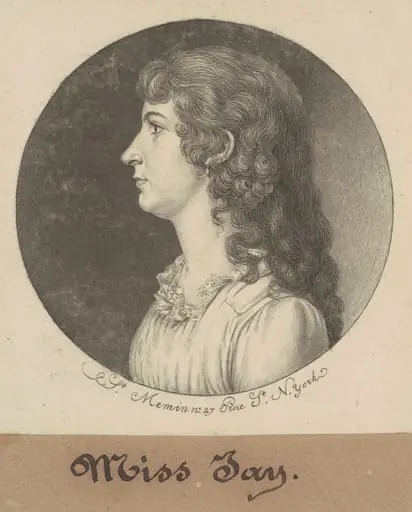
Created in 1798 by Charles B. J. Févret de Saint‑Mémin, this print combines mezzotint and engraving on wove paper. It presents a solitary male figure in profile, rendered in black tones against a plain circular field, emphasizing the sitter’s presence without decorative distraction.
Subject & Meaning
The portrait depicts a gentleman dressed in the formal attire of the late eighteenth century, his features rendered with a calm, refined expression. The simplicity of the composition directs attention to the individual’s dignified bearing, a common aim of neoclassical portraiture.
Technique & Style
Employing both mezzotint’s rich tonal gradations and the precise line work of engraving, the artist achieves subtle shading and fine detail. The contrast between the dark figure and the unadorned background highlights the neoclassical preference for clarity, balance, and restrained elegance.
History & Provenance
Printed in 1798, the work reflects the French printmaking practices of the Revolutionary era. It was produced on wove paper, later mounted to a brown wove backing, a method used to preserve delicate prints and enhance their presentation for collectors of the period.
Artist & collection

Artist
Charles Balthazar Julien Févret de Saint-Mémin
Charles Balthazar Julien Févret de Saint-Mémin (French pronunciation: ; 1770–1852) was a French portrait painter and museum director.