Artwork
Thomas Thompson
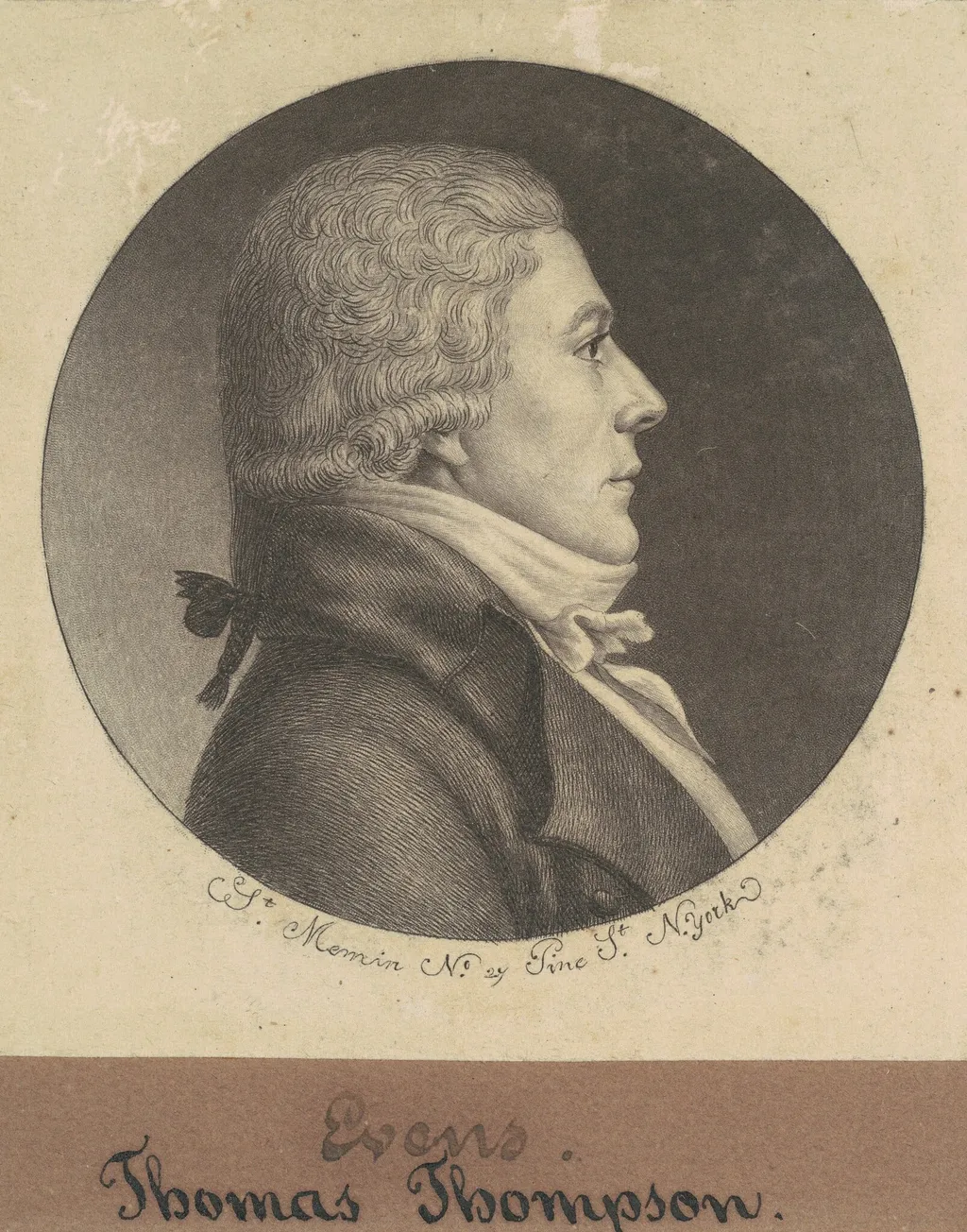
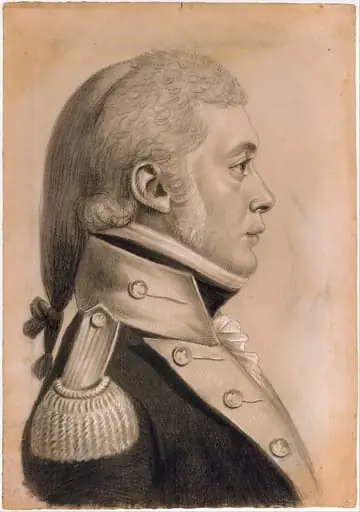
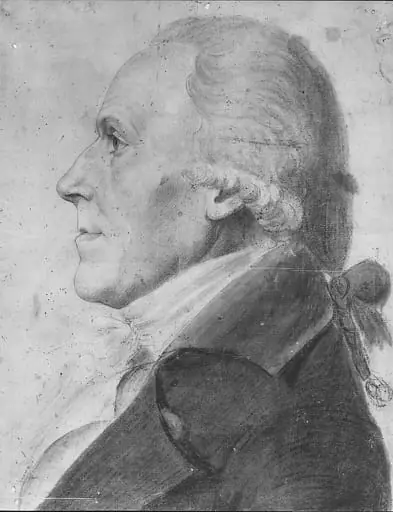
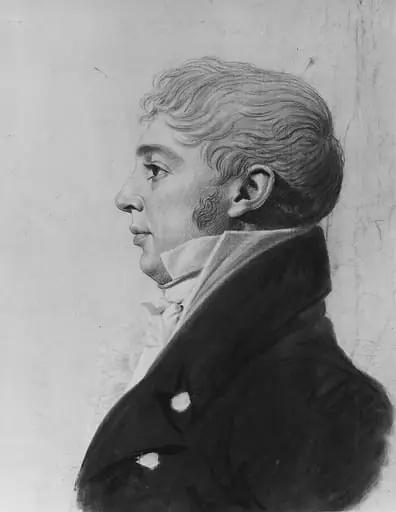
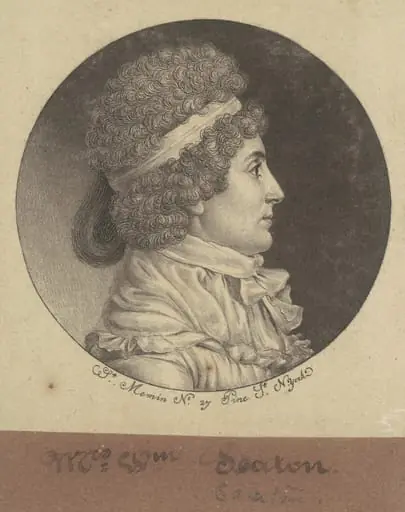
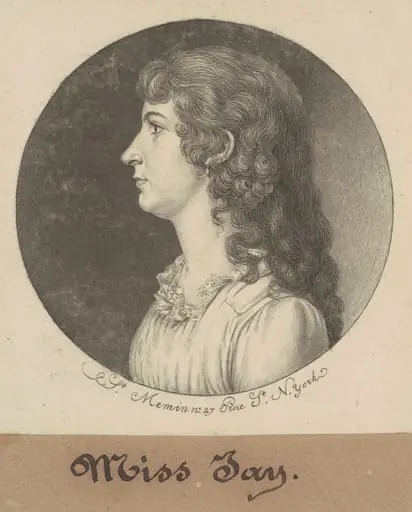
Thomas Thompson is an ink print by the Romanticist artist Charles Balthazar Julien Févret de Saint-Mémin. It dates from 1797 and is held in the collection of the National Gallery of Art.
About this work
Overview
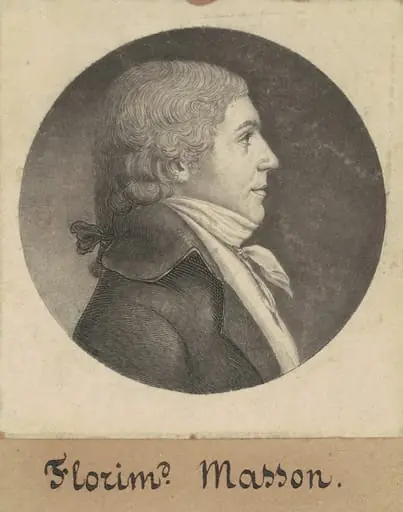
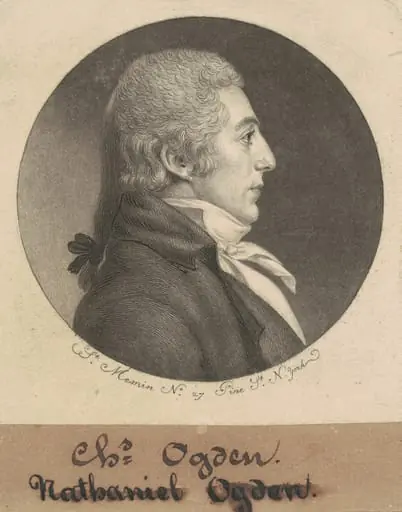
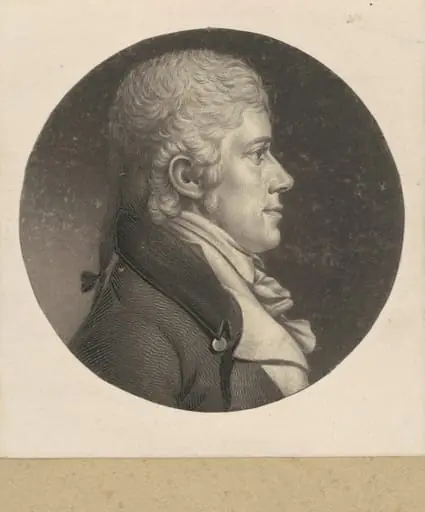
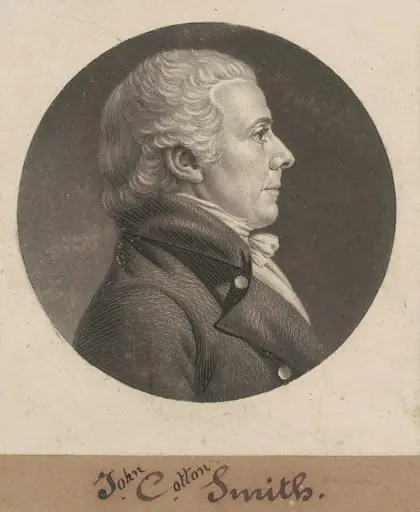
This 1803 print depicts Thomas Thompson in profile, rendered in mezzotint and engraving on wove paper, then mounted to a brown wove support.
This 1803 print depicts Thomas Thompson in profile, rendered in mezzotint and engraving on wove paper, then mounted to a brown wove support. The work is one of many portraits produced by Charles B. J. Févret de Saint-Mémin during his American period, characterized by precise line work and tonal gradation. It belongs to a larger collection of likenesses commissioned to document prominent individuals of the era.
Subject & Meaning
Thomas Thompson, a figure of civic or professional standing, is portrayed with formal attire—a high collar and draped scarf—suggesting social distinction. The profile view, common in portraiture of the time, emphasizes dignity and restraint. No overt symbolism is present; the focus remains on capturing a recognizable likeness, reflecting the era’s interest in documenting individual identity through visual record.
Technique & Style
Saint-Mémin employed mezzotint to achieve subtle tonal transitions across the face, enhancing realism through soft gradations of black ink. Engraved lines define the crisp edges of the collar and scarf, contrasting with the velvety texture of the skin. The technique, demanding and labor-intensive, was favored for its capacity to render fine detail and lifelike volume, aligning with neoclassical ideals of clarity and precision.
History & Provenance
Created during Saint-Mémin’s residency in the United States, the portrait was part of a systematic project to compile likenesses of notable Americans. The work entered the Saint-Mémin Collection of Portraits, later dispersed to institutions including the National Portrait Gallery. Its preservation on mounted paper reflects 19th-century practices for safeguarding delicate prints intended for archival use.
Context
In early 19th-century America, portraiture served both personal and civic functions, often commissioned by elites to assert social presence. Saint-Mémin’s method—combining engraving with mezzotint—was rare in the U.S. at the time, borrowing from European traditions. His output contributed to a growing visual archive of national figures, bridging artistic practice and historical documentation.
Legacy
Saint-Mémin’s portraits, including this one, remain key references for understanding early American visual culture. Though not widely known outside specialist circles, his technical approach influenced subsequent printmakers. The Thompson portrait endures as an example of how precision and restraint could convey individuality without embellishment, reflecting the values of its time.
Artist & collection

Artist
Charles Balthazar Julien Févret de Saint-Mémin
Charles Balthazar Julien Févret de Saint-Mémin (French pronunciation: ; 1770–1852) was a French portrait painter and museum director.