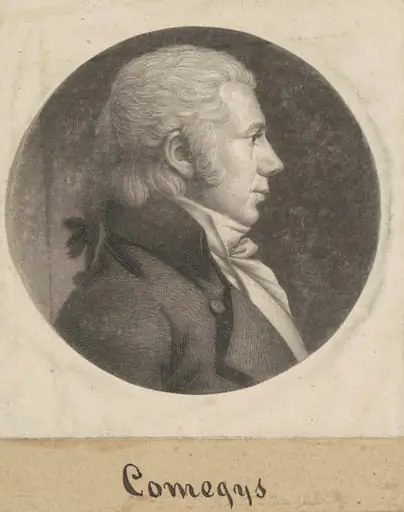
Artwork
Louis Hue Girardin
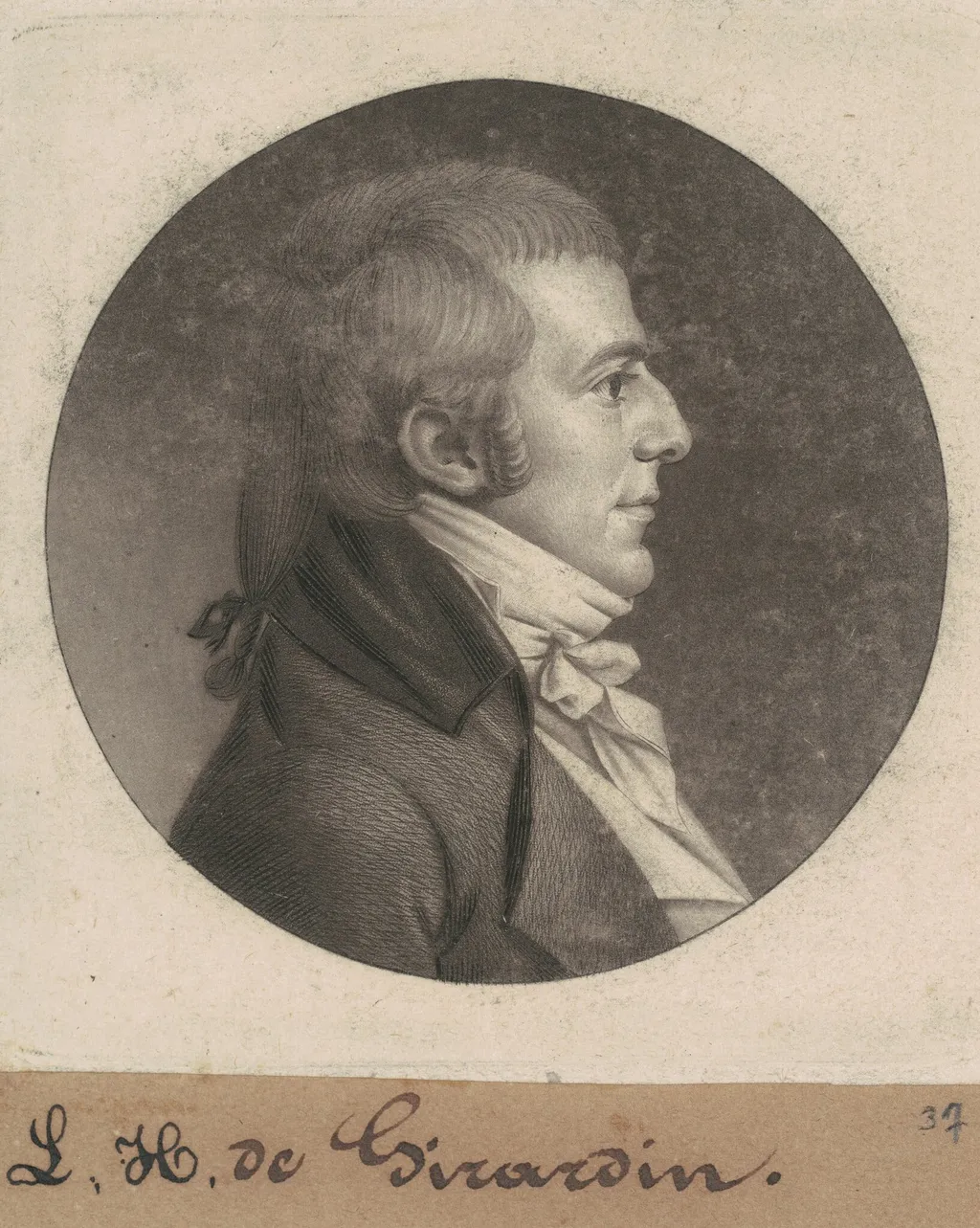
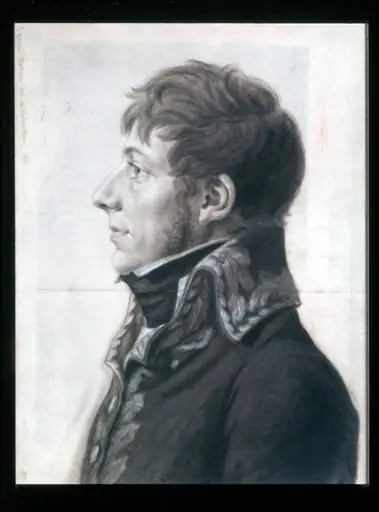
Louis Hue Girardin is an ink print by the Romanticist artist Charles Balthazar Julien Févret de Saint-Mémin. It dates from 1807 and is held in the collection of the National Gallery of Art. Created in 1807 by Charles B.
About this work
Overview
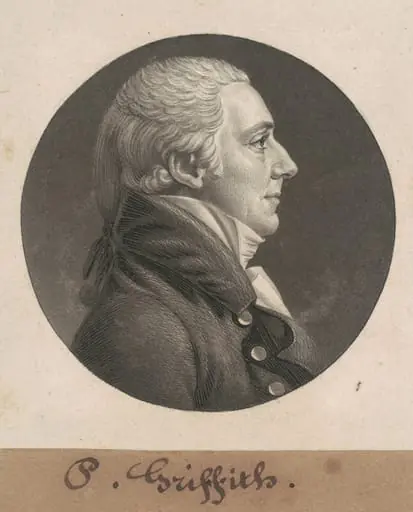
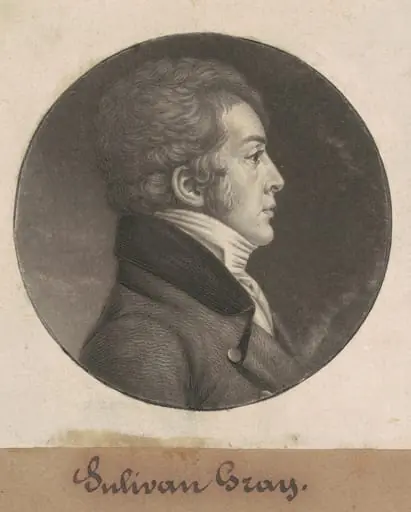
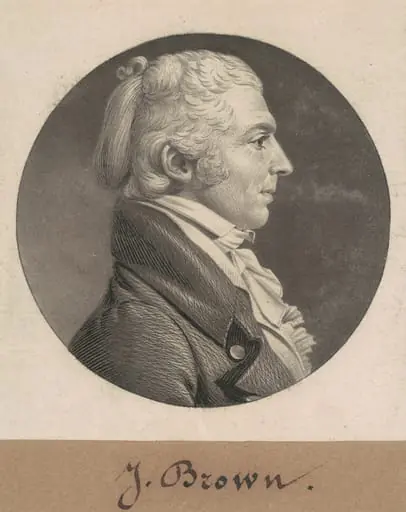
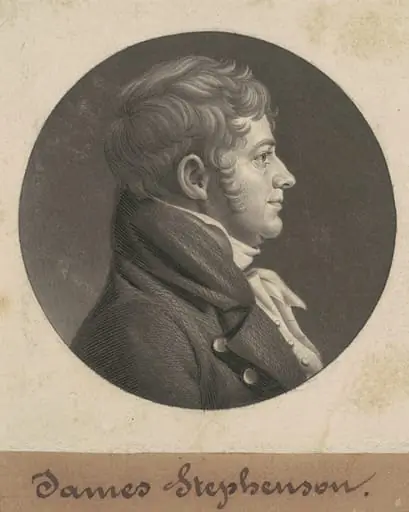
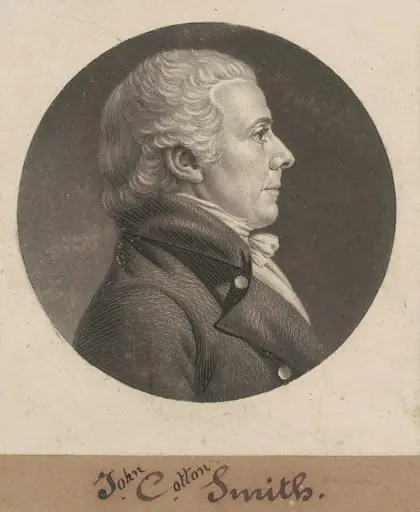
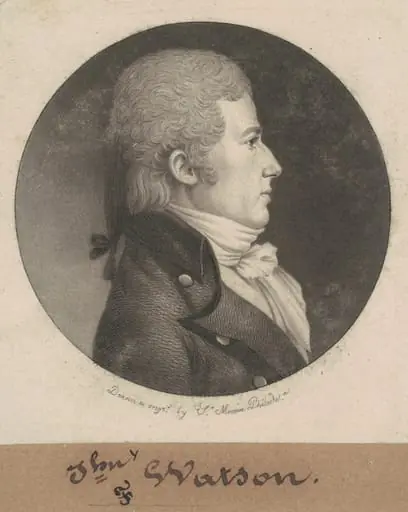
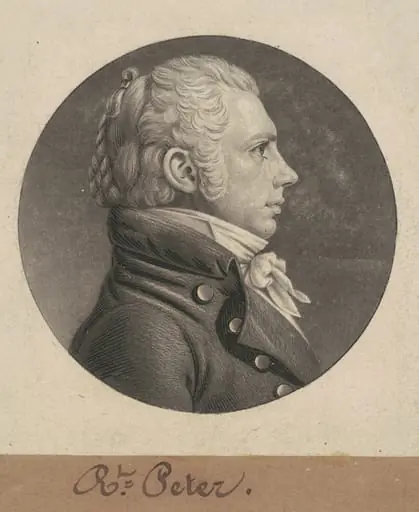
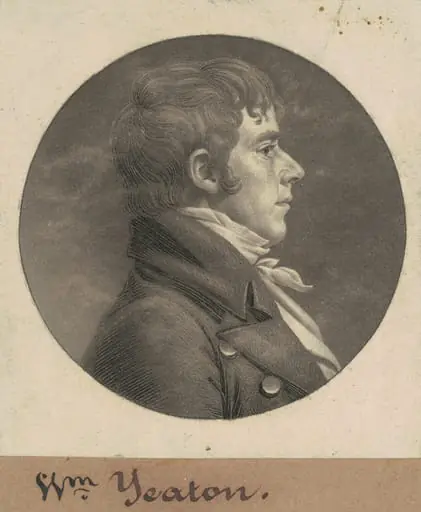
Created in 1807 by Charles B. J. Févret de Saint‑Mémin, this small print measures roughly 5.5 cm on each side. Executed in mezzotint and engraving on wove paper that has been mounted to a brown backing, the work presents a solitary male figure rendered in stark black tones.
Subject & Meaning
The portrait depicts a man in a dark coat turned toward the left, his face illuminated just enough to reveal a composed, almost neutral expression. The plain, dark background isolates the sitter, focusing attention on his attire and demeanor without any narrative accessories.
Technique & Style
Saint‑Mémin employed the labor‑intensive mezzotint process, roughening the copper plate with countless tiny pits to achieve smooth gradations of shadow. Complementary engraving lines, such as the cross‑hatching visible in the collar, add texture and definition, allowing each impression to vary subtly from the next.
History & Provenance
The print originates from the early nineteenth‑century French portrait tradition, a period when mezzotint was prized for its capacity to render delicate tonal ranges. While specific ownership records are scarce, the work remains a representative example of Saint‑Mémin’s printmaking output during his productive years.
Context
In the years following the French Revolution, portraiture served both personal commemoration and social assertion. Small, affordable prints like this could be circulated among a growing middle class, offering a portable likeness that aligned with contemporary tastes for restrained, dignified representation.
Artist & collection

Artist
Charles Balthazar Julien Févret de Saint-Mémin
Charles Balthazar Julien Févret de Saint-Mémin (French pronunciation: ; 1770–1852) was a French portrait painter and museum director.