Artwork
William Yeaton
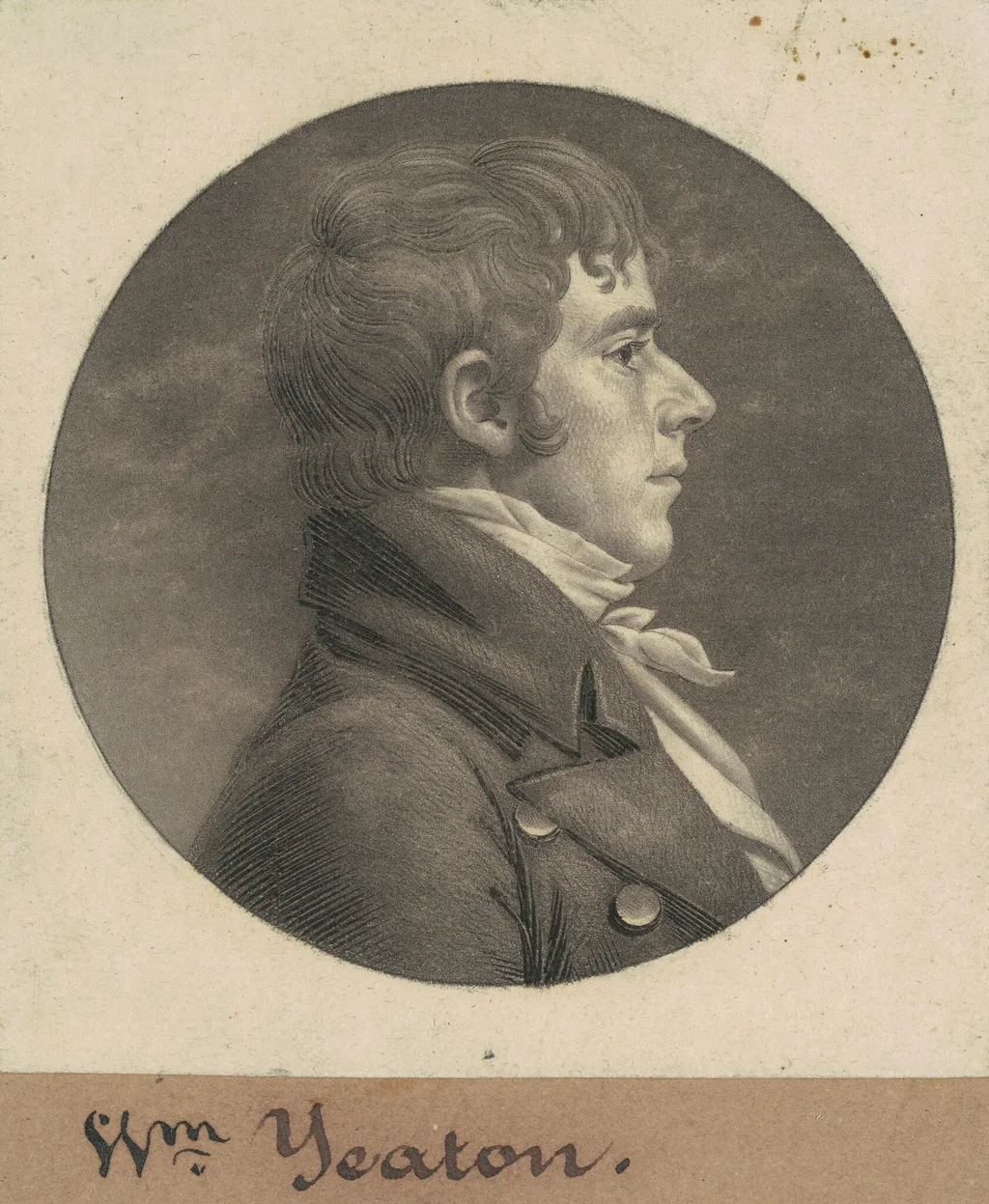
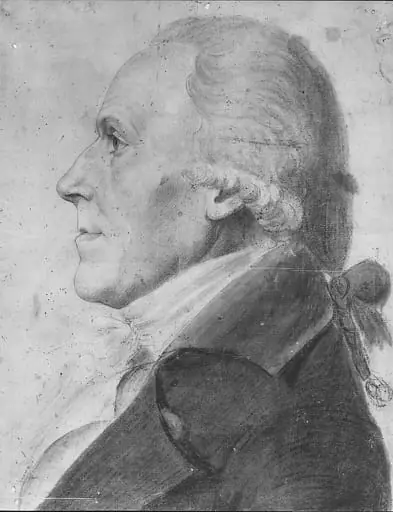
William Yeaton is an ink print by the Romanticist artist Charles Balthazar Julien Févret de Saint-Mémin. It dates from 1807 and is held in the collection of the National Gallery of Art.
About this work
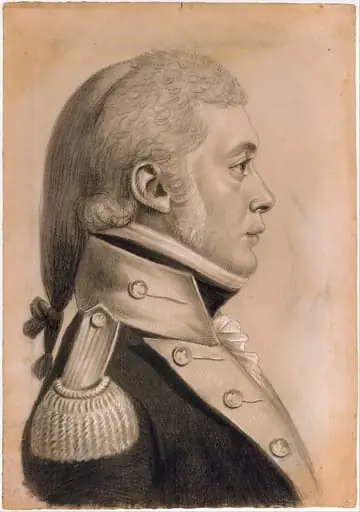
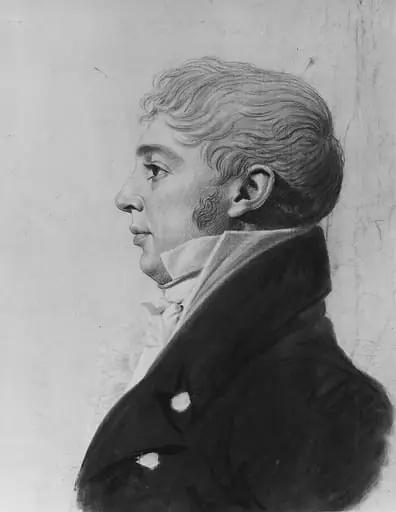
This engraving shows William Yeaton’s side profile in crisp black and white.
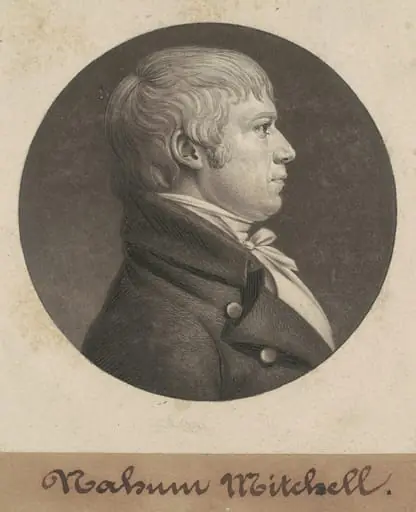
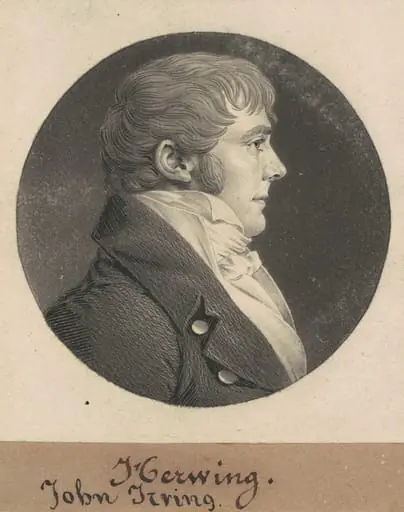
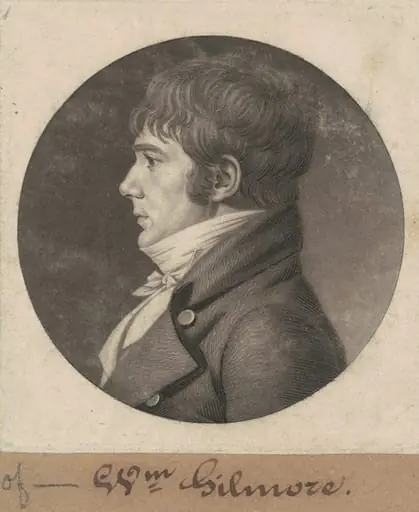
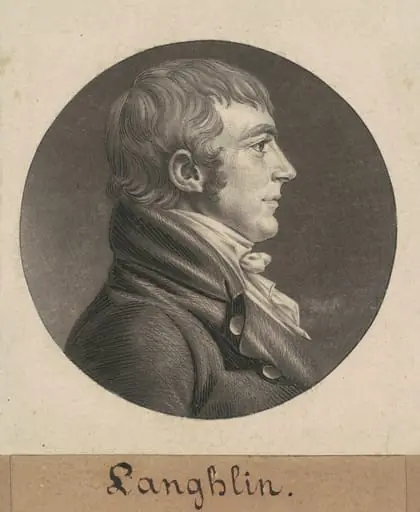
This engraving shows William Yeaton’s side profile in crisp black and white. His high forehead and sharp nose stand out against the empty background. The artist used fine cross-hatching to create soft shadows on his face.
Saint-Mémin made this print in 1807, early in American portrait engraving. Mezzotint was trendy then for its velvety tones. You can almost feel the paper’s slight texture under your fingers.
The style feels stiff but full of detail. See how the light hits his ear just right?
Overview
Created in 1807, this black‑and‑white print presents William Yeaton in a strict side profile. Executed in mezzotint and engraving on wove paper that has been mounted to a second sheet, the work is part of the National Gallery of Art’s collection. The image is rendered with a crisp, almost tactile quality, emphasizing the sitter’s facial features against an unadorned background.
Subject & Meaning
The portrait focuses on Yeaton’s head, highlighting a high forehead, a sharply defined nose, and a carefully modeled ear. The lack of surrounding attributes or scenery directs attention solely to his physiognomy, suggesting an intention to record his likeness with a formal, documentary precision typical of early American portraiture.
Technique & Style
Saint‑Mémin employed mezzotint’s characteristic soft tonal transitions alongside fine cross‑hatching to model light and shadow on the face. The combination of mezzotint and line engraving produces a velvety depth in the dark areas while retaining clear, linear detail in the highlights, resulting in a composition that feels both restrained and meticulously rendered.
History & Provenance
The print originates from the early phase of American portrait engraving, a period when mezzotint was favored for its ability to suggest subtle flesh tones. Since its creation, the work has remained in institutional hands, eventually entering the National Gallery of Art, where it is displayed as an example of early 19th‑century printmaking.
Context
In the first decade of the 1800s, American artists increasingly adopted European print techniques to document prominent individuals. Saint‑Mémin, a French émigré, brought his expertise in mezzotint to the United States, applying it to subjects like Yeaton and thereby helping to establish a nascent American portrait engraving tradition.
Artist & collection

Artist
Charles Balthazar Julien Févret de Saint-Mémin
Charles Balthazar Julien Févret de Saint-Mémin (French pronunciation: ; 1770–1852) was a French portrait painter and museum director.