Artwork
William Randolph IV
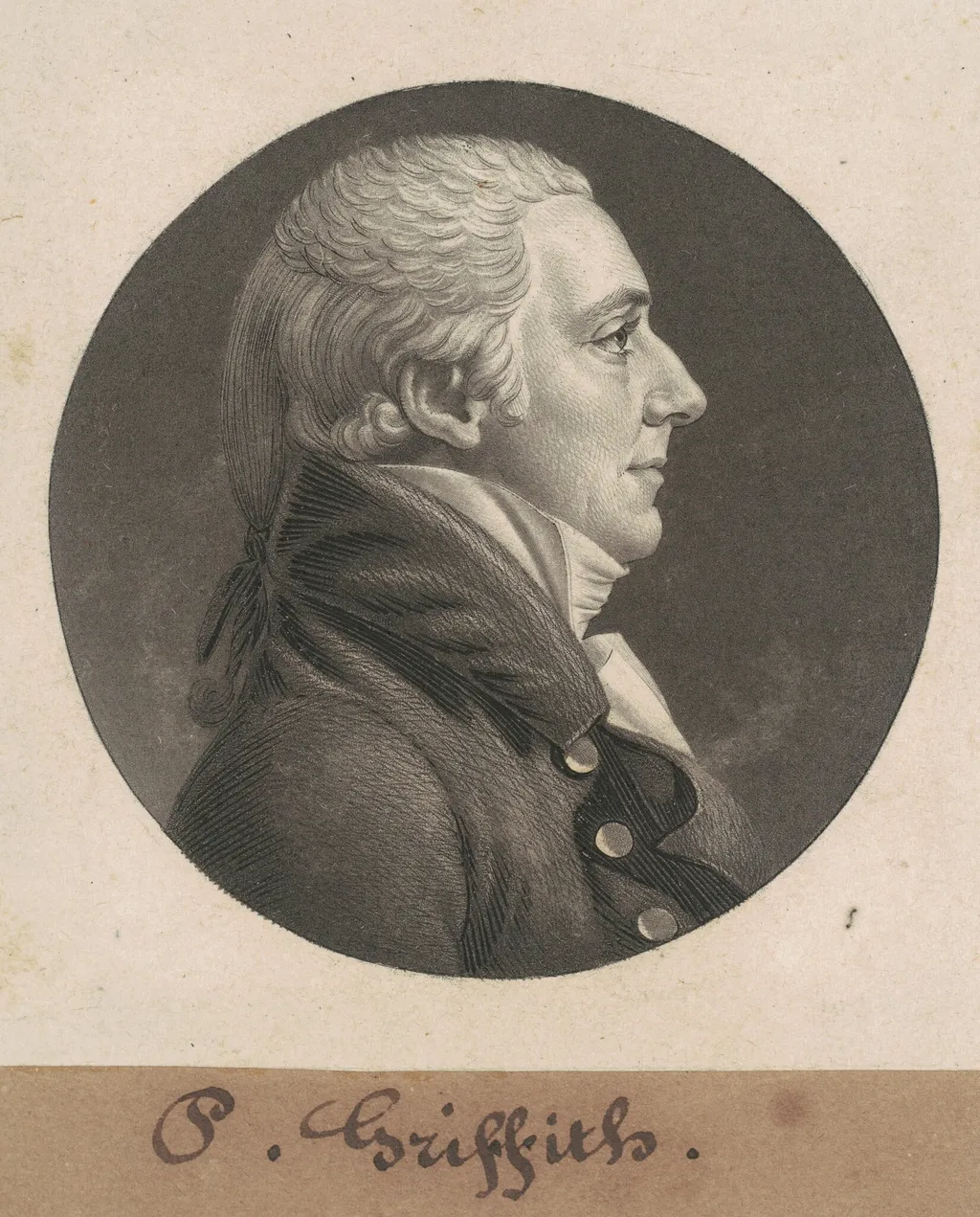
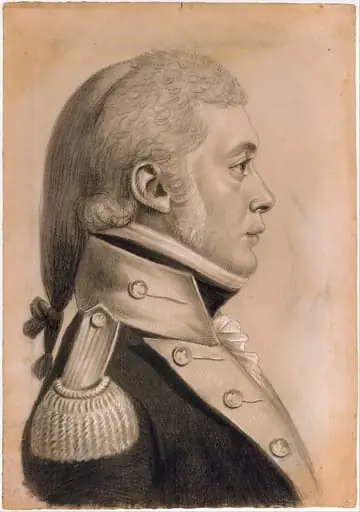
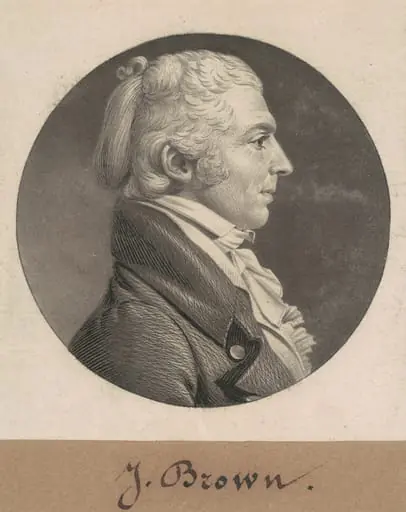
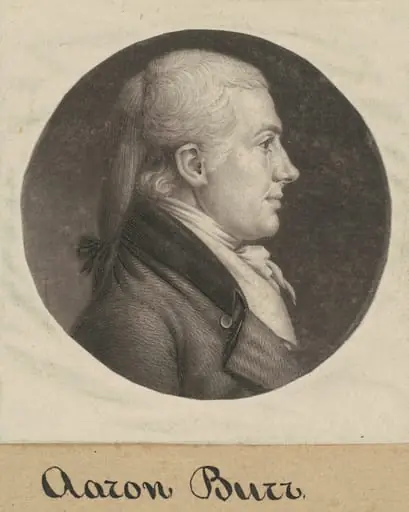
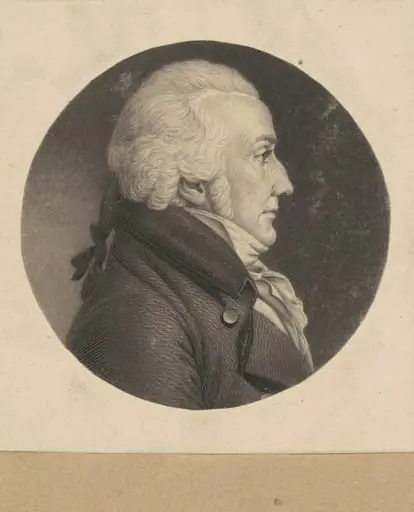
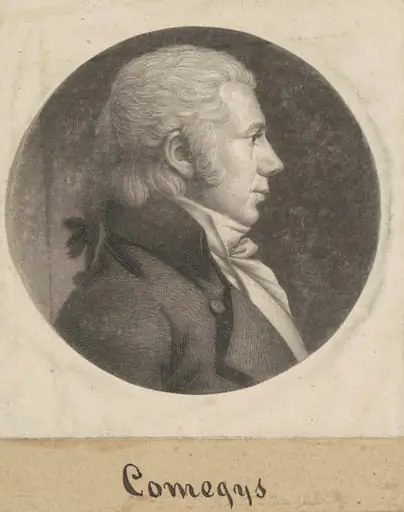
William Randolph IV is an ink print by the Romanticist artist Charles Balthazar Julien Févret de Saint-Mémin. It dates from 1808 and is held in the collection of the National Gallery of Art.
About this work
Overview
This small portrait of William Randolph IV, created between 1807 and 1808, is a mezzotint and engraving on wove paper, mounted to a brown wove support.
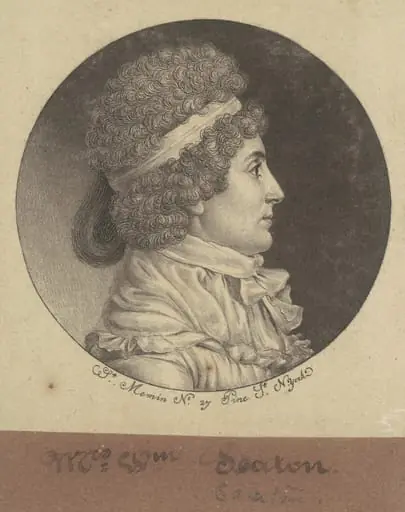
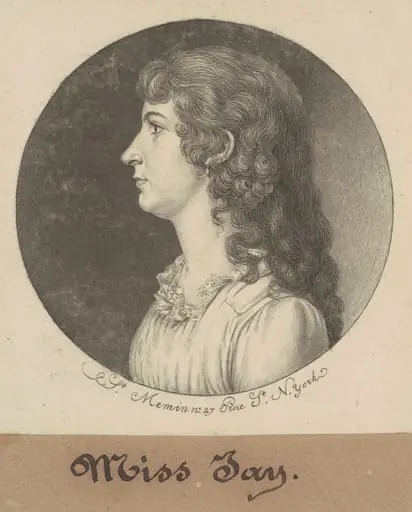
This small portrait of William Randolph IV, created between 1807 and 1808, is a mezzotint and engraving on wove paper, mounted to a brown wove support. Measuring just over five centimeters square, it belongs to a series of intimate profile portraits produced by Charles B. J. Févret de Saint-Mémin during his time in the United States. The work’s compact size belies its intricate execution, reflecting a precision typical of the artist’s method.
Subject & Meaning
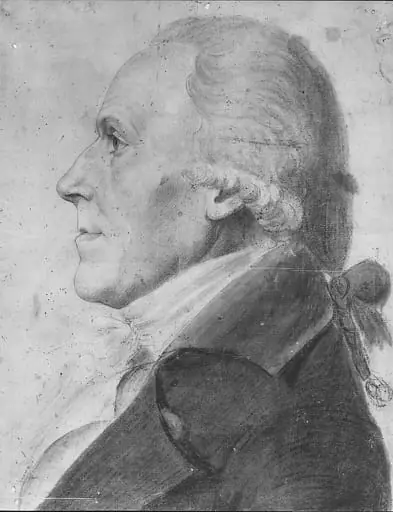
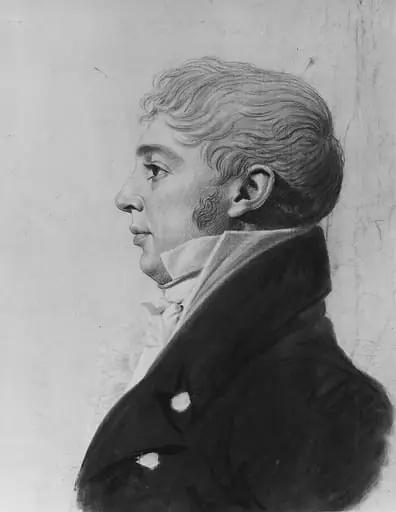
William Randolph IV, a member of a prominent Virginia family, is depicted in strict profile, facing right. The portrait captures his facial structure with clinical clarity, emphasizing lineage and social standing rather than individual expression. Such profiles were often commissioned as personal keepsakes or family records, serving as visual documents of identity within elite circles of early American society.
Technique & Style
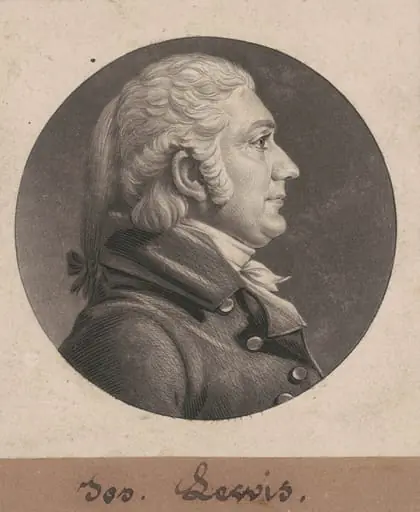
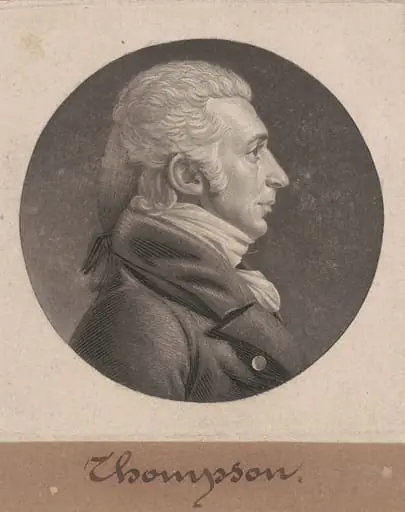
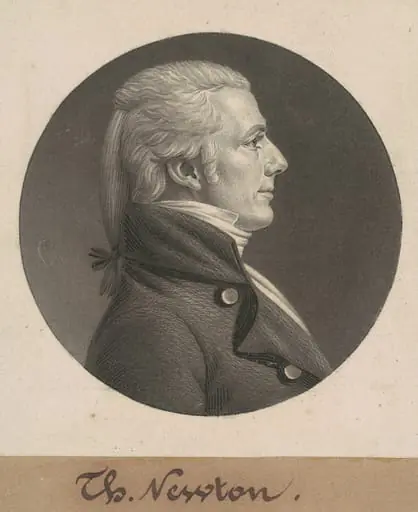
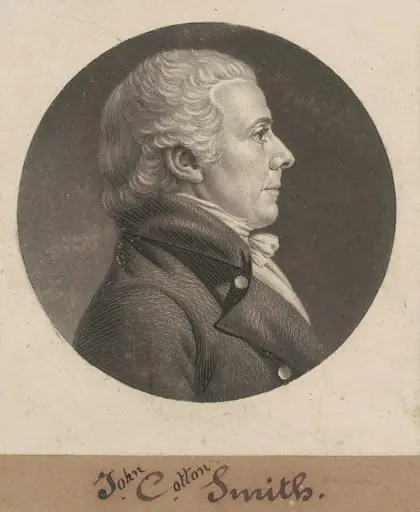
Saint-Mémin employed mezzotint and engraving to render fine gradations of tone and sharp linear detail. The dark, velvety blacks of the mezzotint ground contrast with the crisp, incised lines of the engraving, defining Randolph’s brow, nose, and jaw with subtle texture. The restrained palette of black ink on pale paper enhances the portrait’s formal austerity, aligning with the neoclassical preference for clarity and restraint.
History & Provenance
Created during Saint-Mémin’s years in the United States, this portrait was likely commissioned by the Randolph family as part of a broader project to document notable American figures. The artist produced dozens of similar profile portraits between 1800 and 1815, many of which entered private collections. This particular work remained within the Randolph family until its eventual acquisition by a public institution.
Context
In early 19th-century America, portrait miniatures and small engraved profiles were popular among the gentry as affordable alternatives to oil paintings. Saint-Mémin, a French émigré, became a leading practitioner of this format, blending European engraving traditions with American subjects. His work contributed to a visual culture that valued lineage, order, and the quiet dignity of civic leaders.
Legacy
Saint-Mémin’s profile portraits, including this one, represent a distinctive chapter in American printmaking. Though modest in scale, they offer valuable insight into the social hierarchies and aesthetic values of the early republic. Their precision and uniformity have made them important references for historians studying identity, portraiture, and the transmission of European techniques in post-colonial America.
Artist & collection

Artist
Charles Balthazar Julien Févret de Saint-Mémin
Charles Balthazar Julien Févret de Saint-Mémin (French pronunciation: ; 1770–1852) was a French portrait painter and museum director.