Artwork
Marston
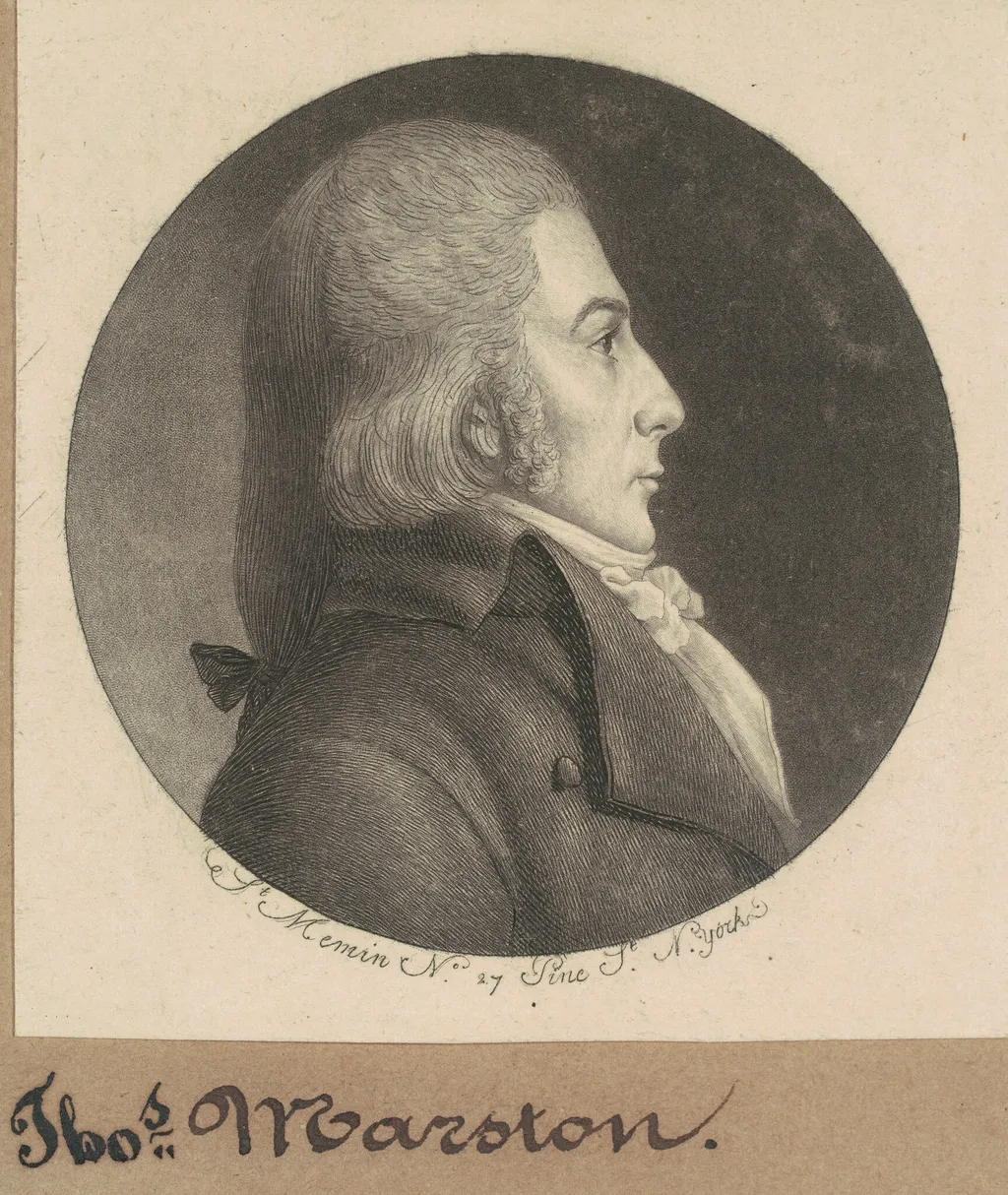
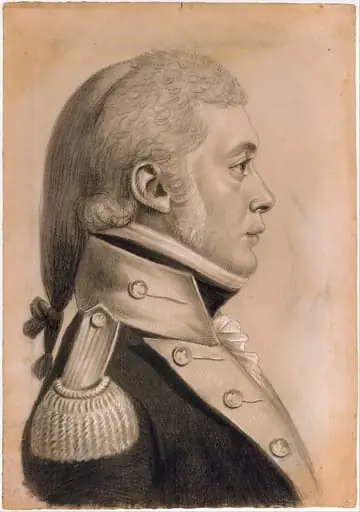
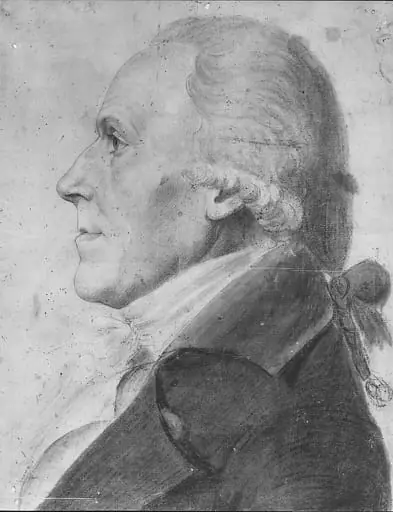
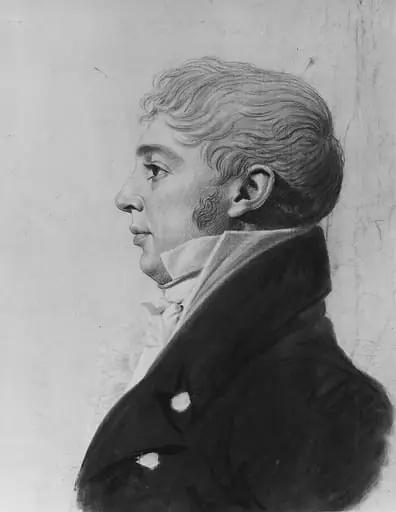
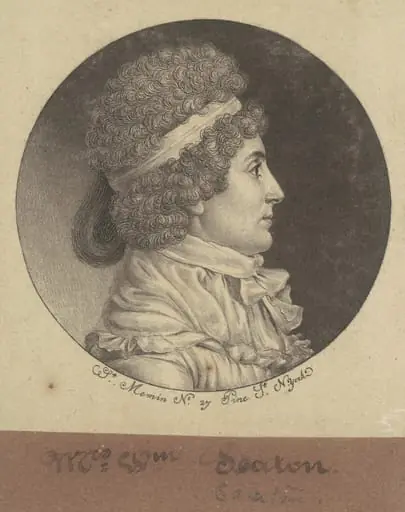
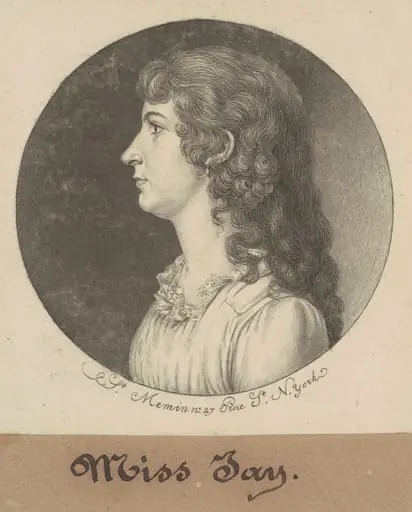
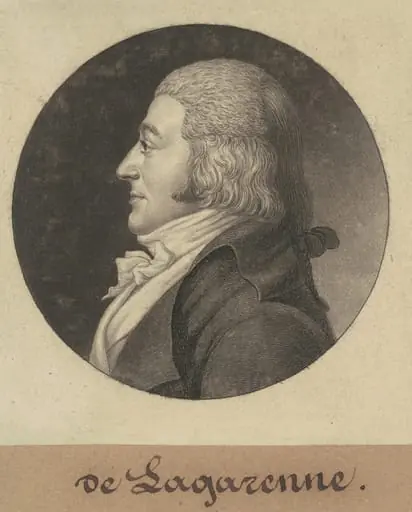
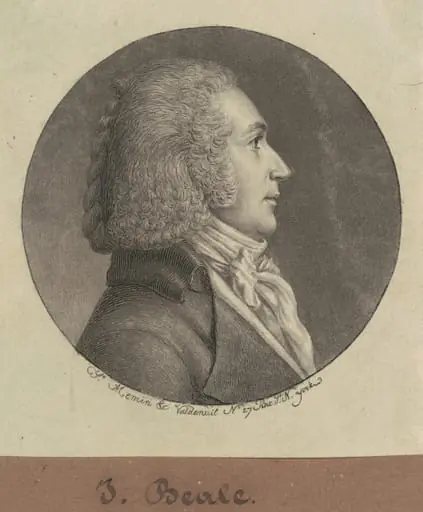
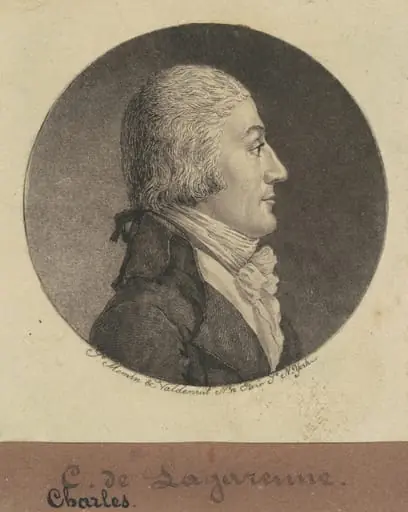
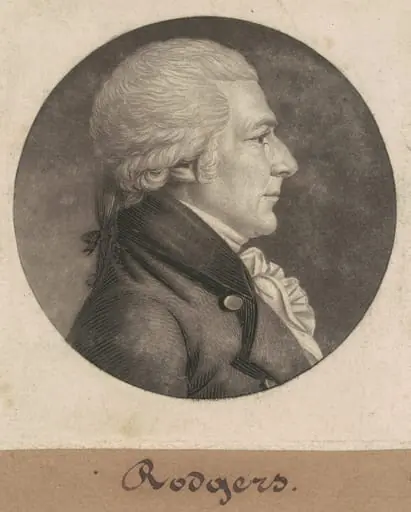
Marston is an ink print by the Romanticist artist Charles Balthazar Julien Févret de Saint-Mémin. It dates from 1798 and is held in the collection of the National Gallery of Art. Created in 1798, this print is a portrait of an unidentified British gentleman, rendered in mezzotint and engraving on wove paper.
About this work
Overview
Created in 1798, this print is a portrait of an unidentified British gentleman, rendered in mezzotint and engraving on wove paper.
Created in 1798, this print is a portrait of an unidentified British gentleman, rendered in mezzotint and engraving on wove paper. The image is mounted on a brown wove paper support, typical of the period’s presentation standards. The work is attributed to Charles Balthazar Julien Févret de Saint-Mémin, a French-born artist active in the United States during the late 18th century, known for his precision in portraiture.
Subject & Meaning
The subject is depicted in a refined side profile, suggesting composure and social standing. His attire is modest yet elegant, devoid of overt symbols of rank, reflecting a taste for quiet dignity rather than aristocratic display. The portrait conveys individuality through subtle facial modeling and restrained clothing, aligning with Enlightenment ideals of personal character over inherited status.
Technique & Style
Saint-Mémin employed mezzotint for its rich tonal gradations, enhancing the realism of the subject’s features, while fine engraving defined contours and textures like fabric and hair. The contrast between soft shadows and sharp lines creates depth without theatricality. The technique, demanding and time-intensive, was favored for its ability to reproduce likeness with clarity, suited to the artist’s documentary approach to portraiture.
History & Provenance
Executed during Saint-Mémin’s years in the United States, the print reflects his practice of producing portraits for American and European patrons. He often worked from life sketches and later translated them into prints for wider distribution. This work likely originated as a private commission, part of a broader series of likenesses documenting the era’s elite and professional classes.
Context
In the late 1790s, Saint-Mémin was one of few artists in the U.S. mastering the mezzotint technique, which had been popular in Europe for aristocratic portraiture. His presence in America bridged transatlantic artistic traditions. This portrait exemplifies how European methods were adapted to capture the emerging American and expatriate elite, who valued both technical precision and restrained elegance.
Legacy
Saint-Mémin’s prints, including this one, contributed to the development of American portraiture by introducing high-fidelity reproductive techniques. His work provided a model for later American engravers and helped establish portraiture as a viable commercial art form in the young republic. Though largely forgotten today, his output remains a valuable record of late 18th-century visual culture.
Artist & collection

Artist
Charles Balthazar Julien Févret de Saint-Mémin
Charles Balthazar Julien Févret de Saint-Mémin (French pronunciation: ; 1770–1852) was a French portrait painter and museum director.