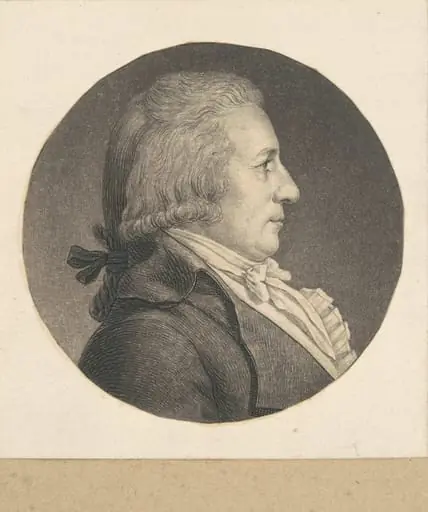
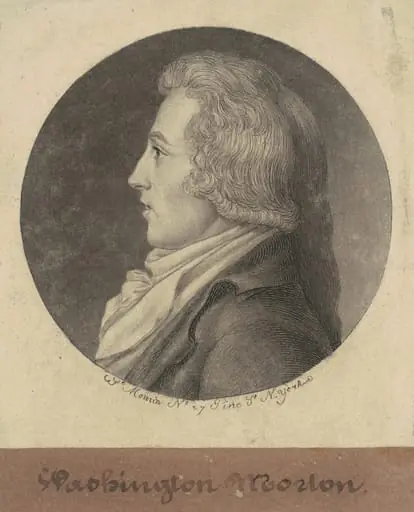
Artwork
J. Beale
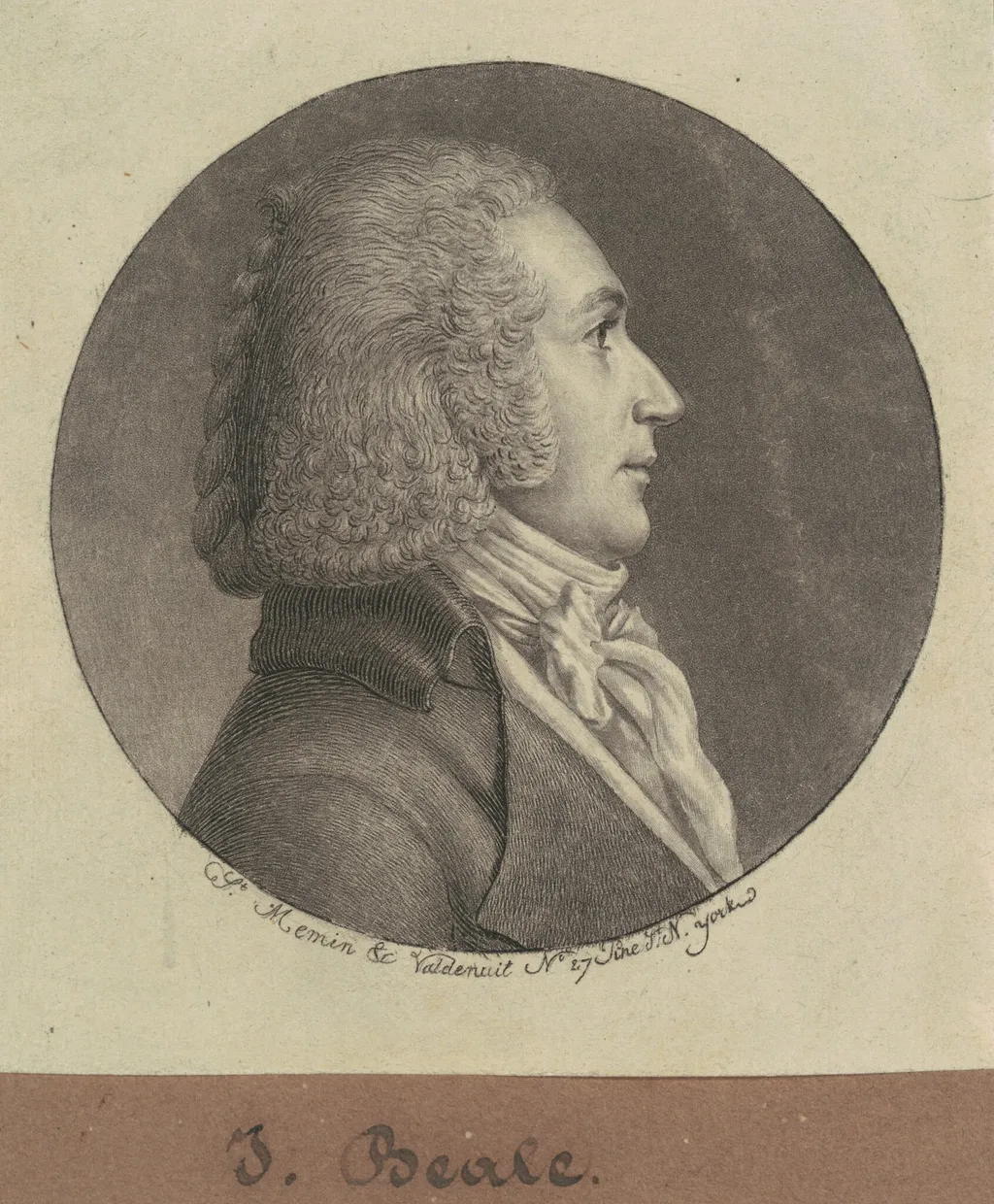
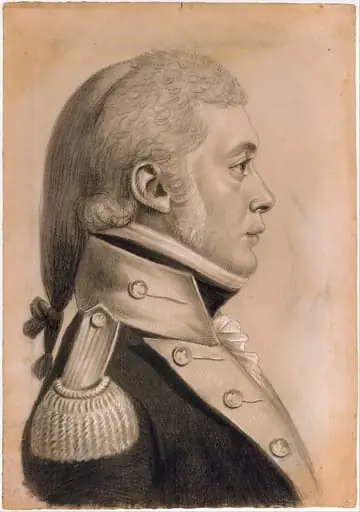
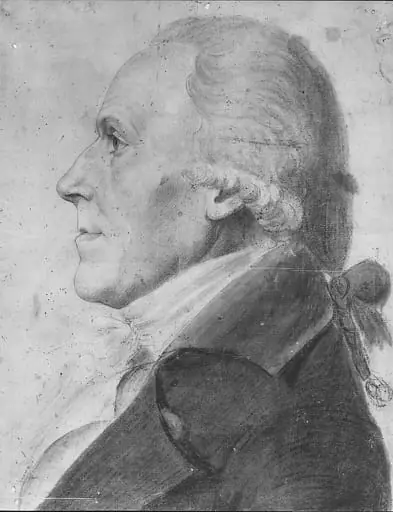
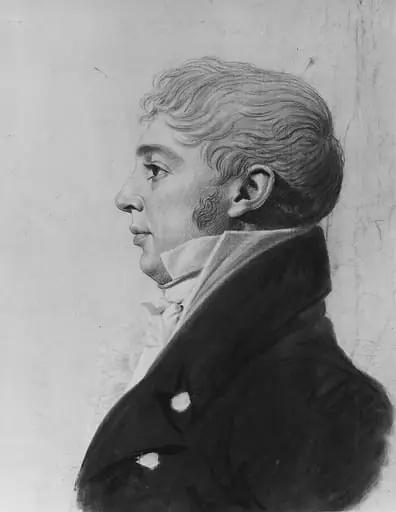
J. Beale is an ink print by the Romanticist artist Charles Balthazar Julien Févret de Saint-Mémin. It dates from 1796 and is held in the collection of the National Gallery of Art. J.
About this work
Overview
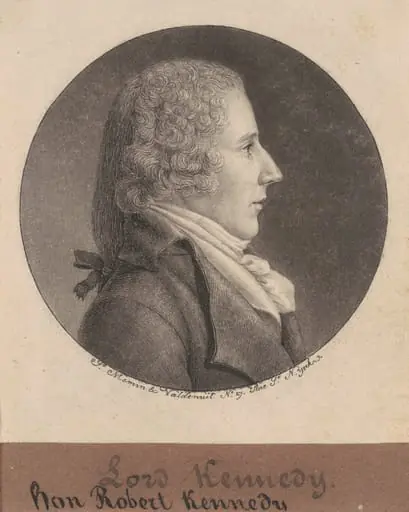
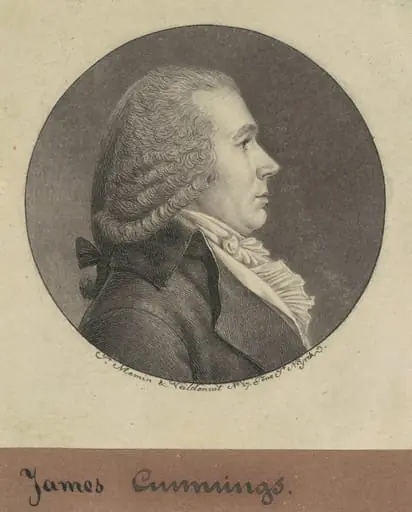
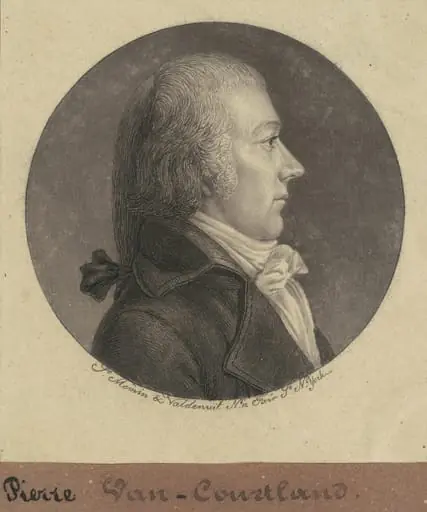
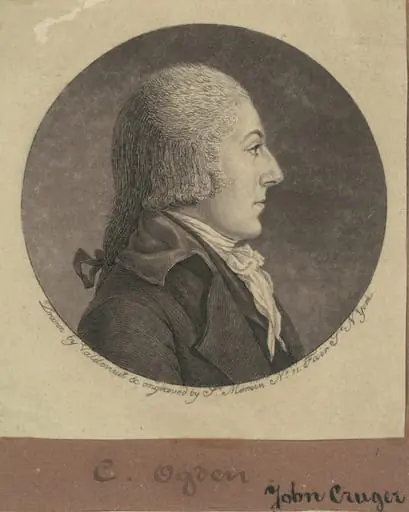
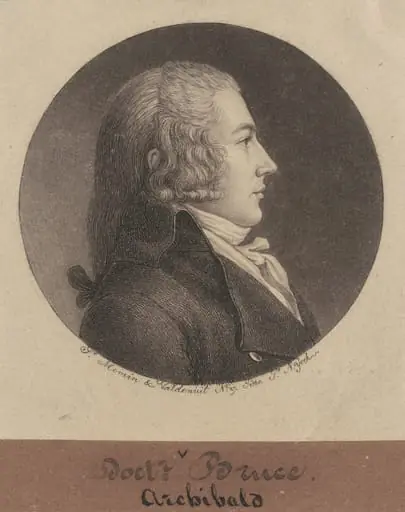
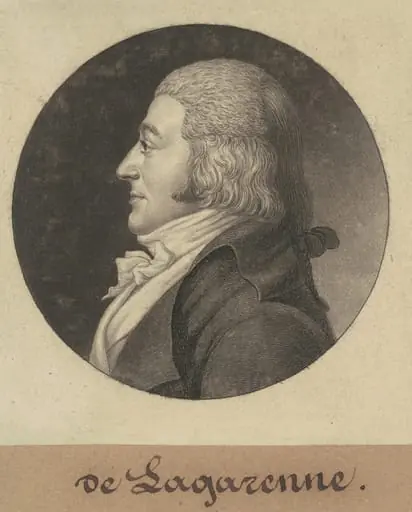
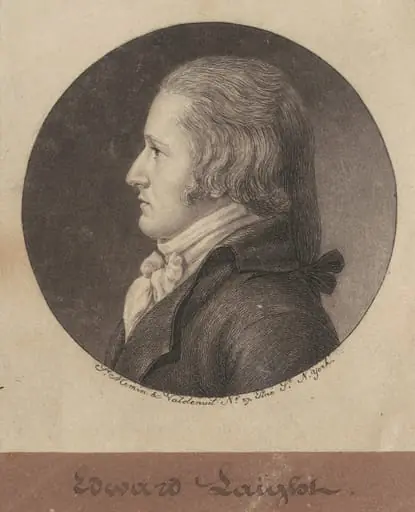
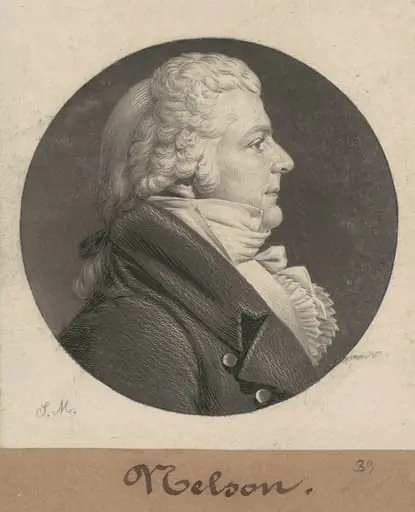
J. Beale is a portrait print created using mezzotint and engraving techniques on wove paper, mounted to brown wove paper. It is attributed to Charles B. J. Févret de Saint-Mémin, based on a painted portrait from 1800, and is housed in the National Portrait Gallery.
Subject & Meaning
The subject, J. Beale (identified as James Beale), is depicted in profile. His facial features, notably a sharp nose and firm jaw, are defined by soft, nuanced shadows, conveying a sense of character.
Technique & Style
The artwork showcases Saint-Mémin's mastery of mezzotint, a challenging process involving roughening and smoothing a metal plate to achieve deep blacks and lights. This technique, combined with engraving, produces a highly detailed, almost painterly effect, with notable highlights such as the reflective quality of Beale’s coat buttons.
History & Provenance
Originally painted in 1800, the mezzotint and engraving version of J. Beale is part of the National Portrait Gallery's collection, indicating its historical and artistic significance.
Context
Created during a period when portraitures were highly valued, this work reflects the artistic trends of the late 18th to early 19th century, where precise, detailed representations were prized. Saint-Mémin's use of mezzotint also highlights the technical innovations of the time.
Legacy
While specific lasting impacts of 'J. Beale' on broader art historical movements are not prominently documented, its inclusion in the National Portrait Gallery suggests it contributes to the archival and aesthetic legacy of portrait printmaking from its era.
Artist & collection

Artist
Charles Balthazar Julien Févret de Saint-Mémin
Charles Balthazar Julien Févret de Saint-Mémin (French pronunciation: ; 1770–1852) was a French portrait painter and museum director.