Artwork
Mary Nelson Carter
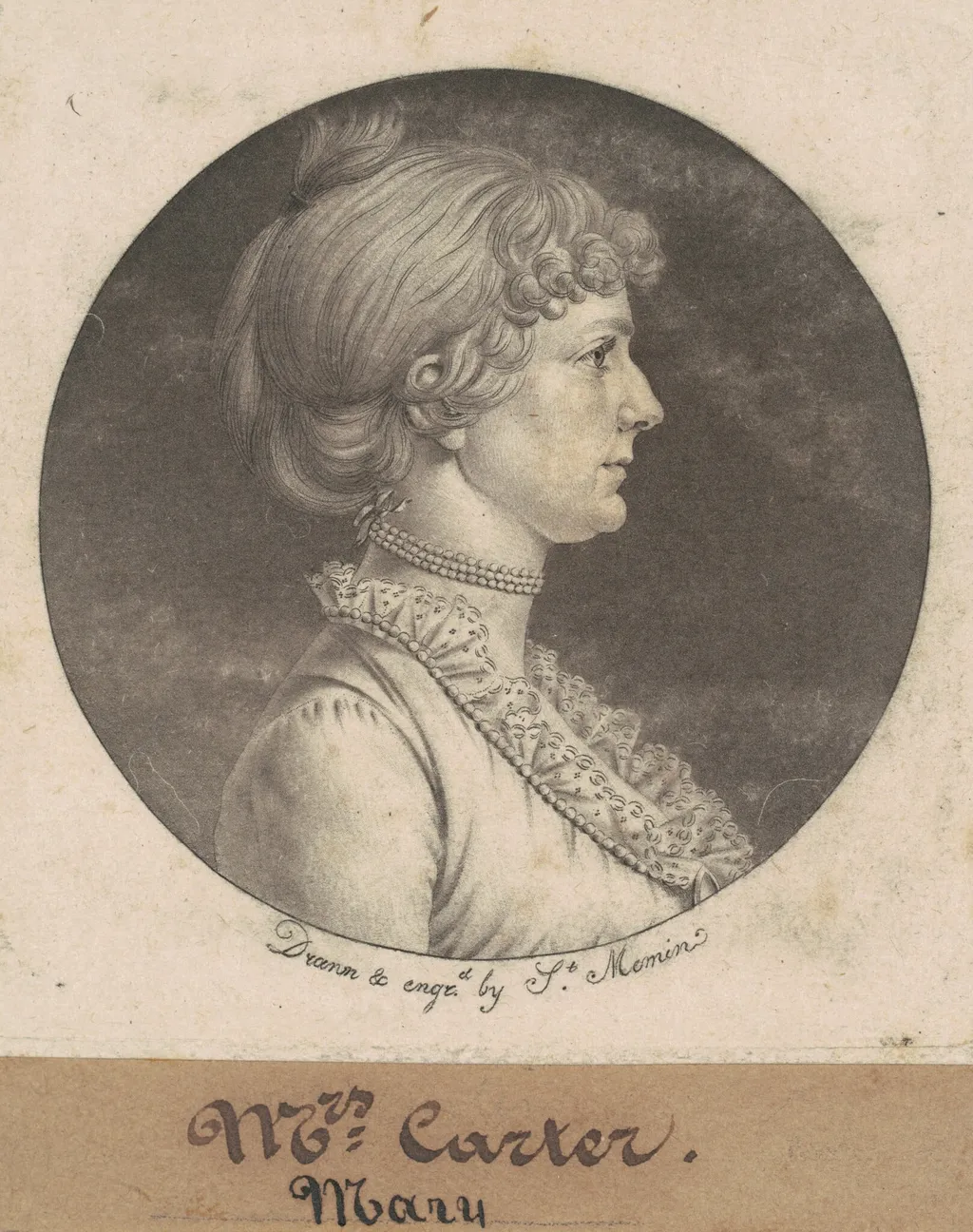
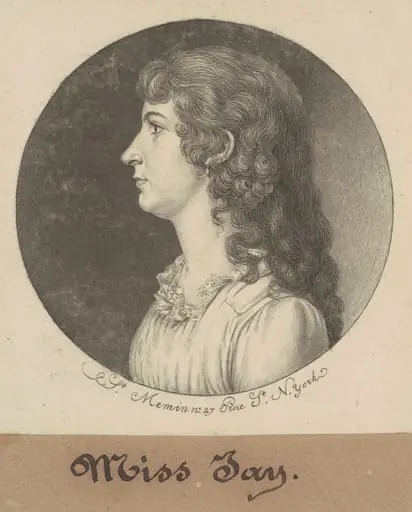
Mary Nelson Carter is an ink print by the Romanticist artist Charles Balthazar Julien Févret de Saint-Mémin. It dates from 1801 and is held in the collection of the National Gallery of Art. Created in 1804 by Charles B.
About this work
Overview
The composition emphasizes subtle tonal gradations and fine linear detail, characteristic of Saint-Mémin’s portraiture.
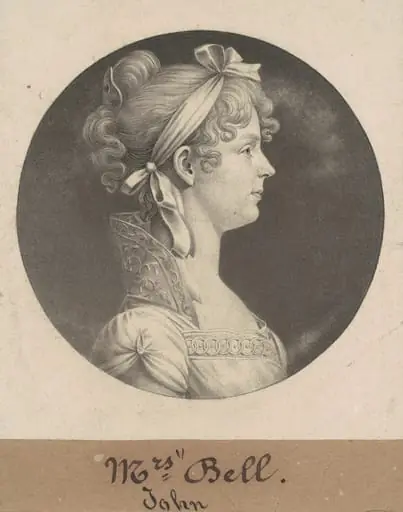
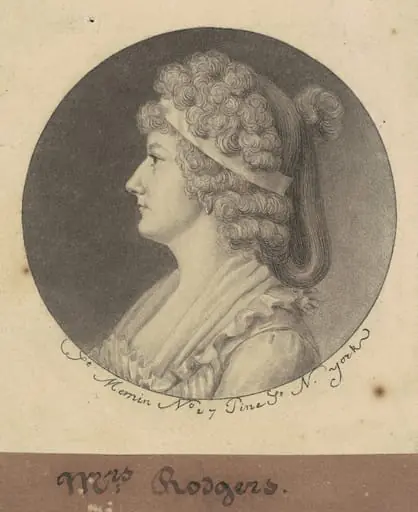
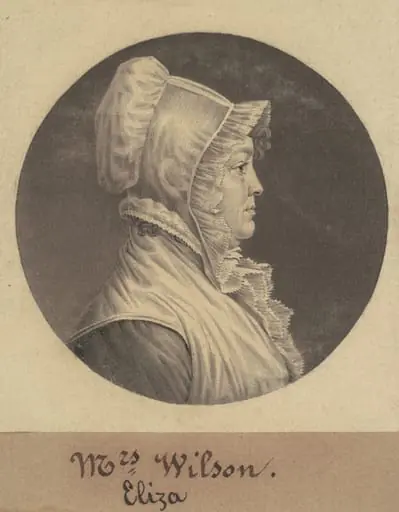
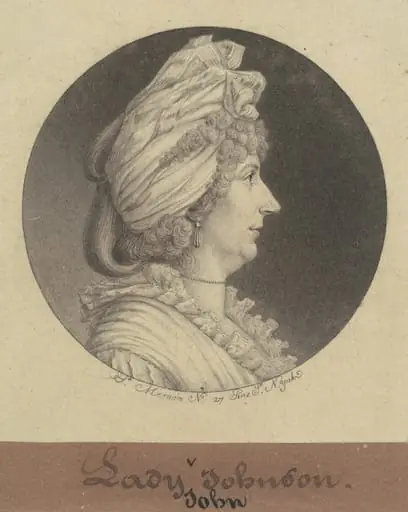
Created in 1804 by Charles B. J. Févret de Saint-Mémin, this print depicts Mary Nelson Carter in profile. Executed in mezzotint and engraving on wove paper, it is mounted on a darker brown support. The composition emphasizes subtle tonal gradations and fine linear detail, characteristic of Saint-Mémin’s portraiture. The oval format and restrained background focus attention on the sitter’s features and attire.
Subject & Meaning
Mary Nelson Carter is portrayed with quiet composure, her gaze lowered and expression serene. Her high-collared dress, adorned with delicate lace and a string of pearls, signals social standing and refinement. The portrait conveys dignity rather than grandeur, reflecting early 19th-century ideals of feminine modesty and cultivated elegance. No symbolic elements are present; the emphasis lies in personal presence and attire.
Technique & Style
Saint-Mémin employed mezzotint to achieve soft transitions in tone, particularly in the skin and fabric textures, while engraving defined the intricate lace and pearl details with precision. The black ink on pale paper enhances contrast, and the textured oval frame, though plain, frames the figure with classical restraint. The technique balances atmospheric depth with sharp delineation, typical of his American portraiture period.
History & Provenance
The portrait was made during Saint-Mémin’s time in the United States, where he produced numerous likenesses of prominent individuals. Mary Nelson Carter was likely a member of a well-connected family, though specific biographical details remain limited. The print was probably commissioned privately and later mounted on brown paper for preservation. Its current condition suggests careful handling over two centuries.
Context
In early 19th-century America, portrait engravings served as accessible alternatives to oil paintings, especially among the urban elite. Saint-Mémin, a French émigré, brought European printmaking techniques to the U.S., influencing American portraiture. His profile portraits, like this one, aligned with Neoclassical tastes and the cultural preference for restrained, dignified representation over flamboyance.
Legacy
Saint-Mémin’s work, including this portrait, contributed to the development of American print culture. His precise technique and focus on individual character helped establish portraiture as a respected genre in print form. Though not widely known today, his output remains a valuable record of early American social life and the transmission of European artistic methods across the Atlantic.
Artist & collection

Artist
Charles Balthazar Julien Févret de Saint-Mémin
Charles Balthazar Julien Févret de Saint-Mémin (French pronunciation: ; 1770–1852) was a French portrait painter and museum director.