Artwork
Sarah Elizabeth Rogers
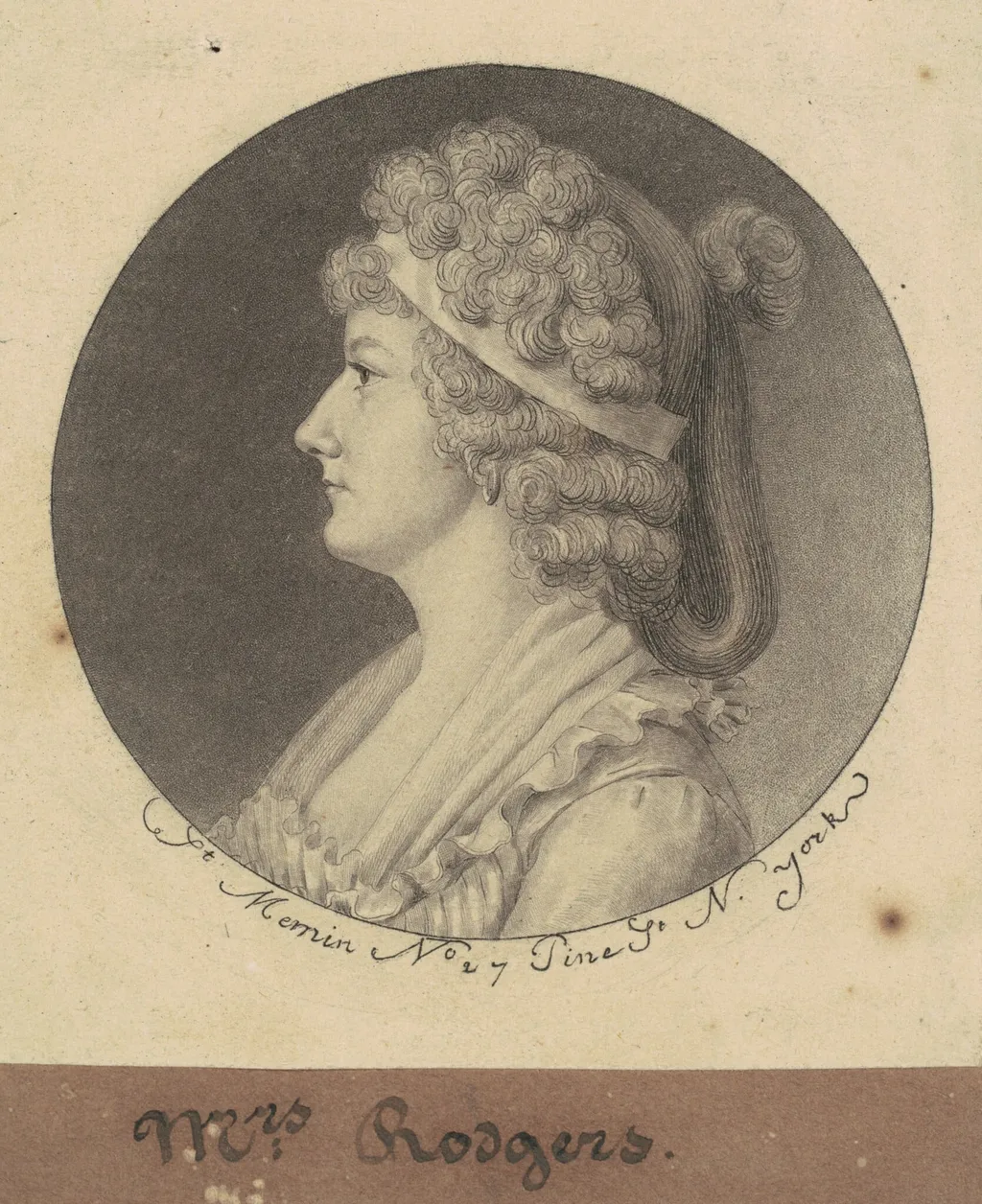
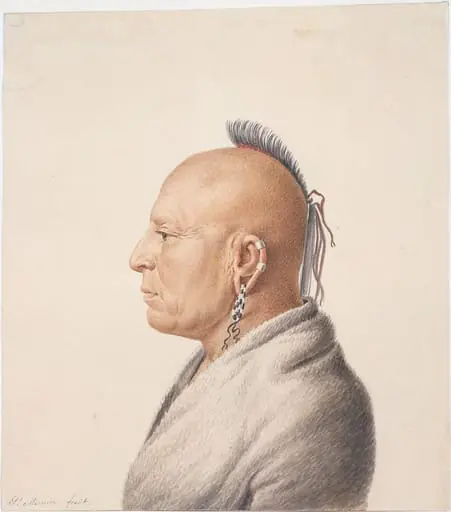
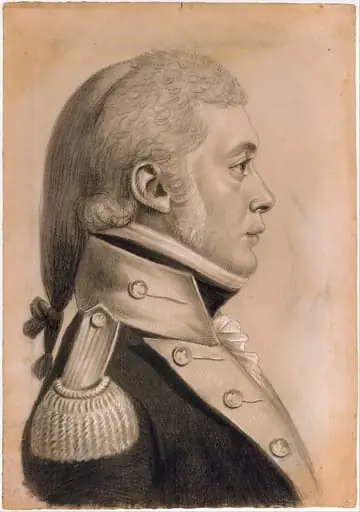
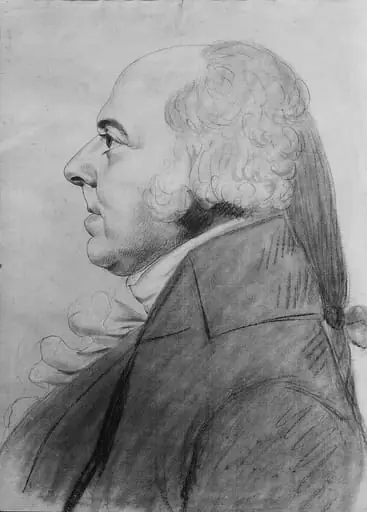
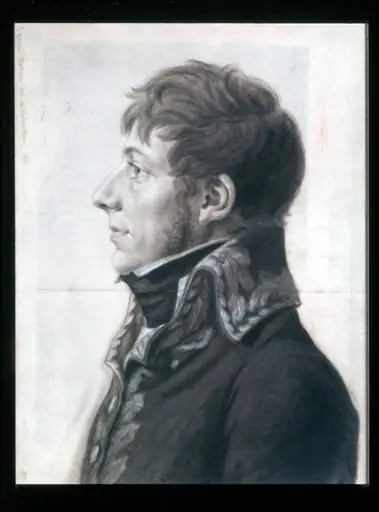
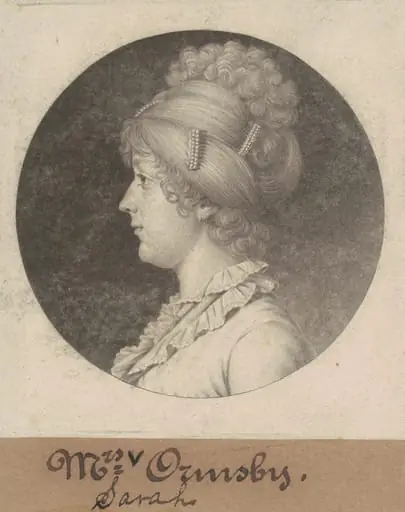
Sarah Elizabeth Rogers is an ink print by the Romanticist artist Charles Balthazar Julien Févret de Saint-Mémin. It dates from 1798 and is held in the collection of the National Gallery of Art.
About this work
Overview
The technique allowed for detailed tonal gradations and multiple impressions, making it a favored method for reproducing likenesses in the early 19th century.
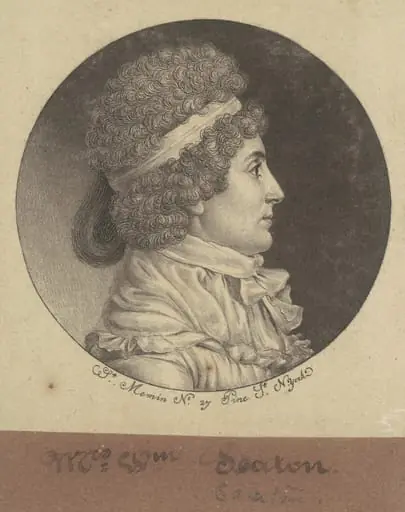
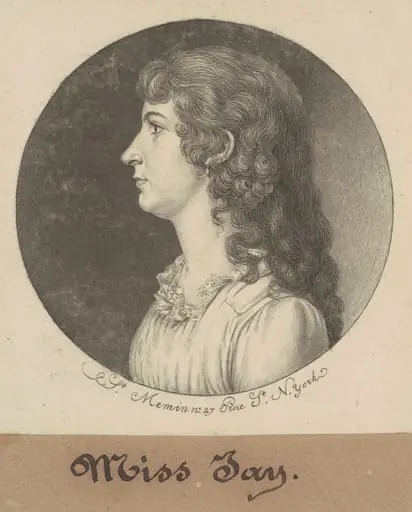
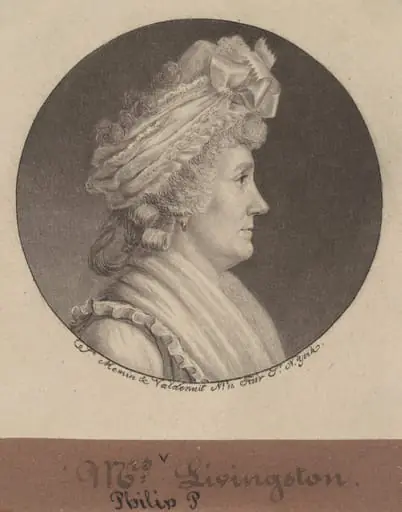
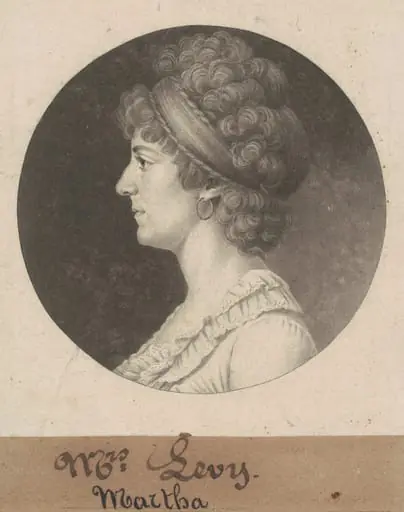
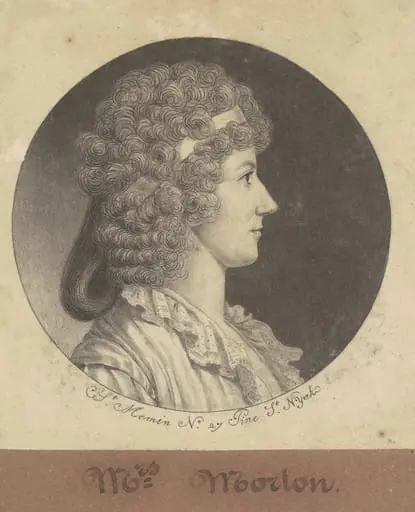
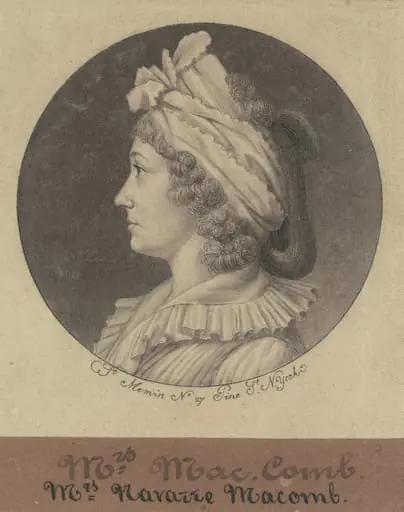
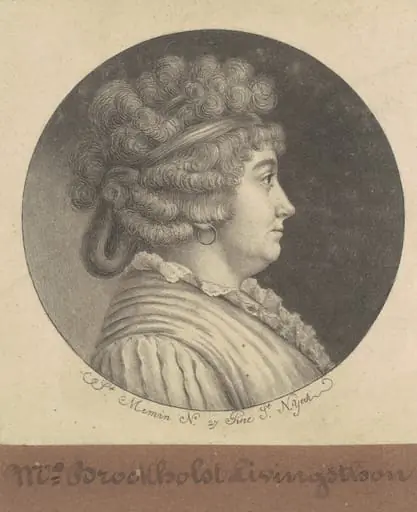
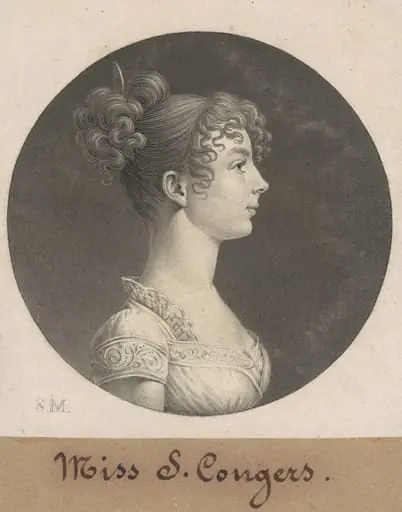
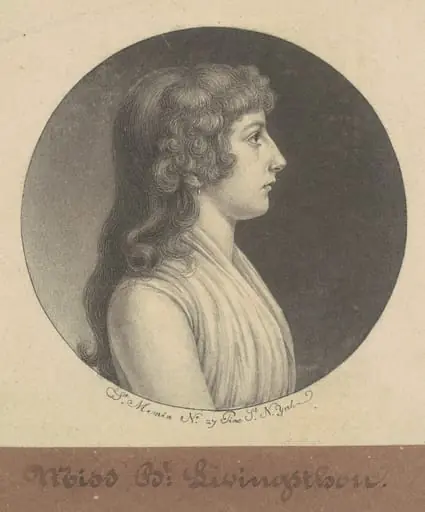
This print is a black-and-white portrait of Sarah Elizabeth Rogers, rendered in mezzotint and engraving on wove paper and mounted to a brown wove support. Created by Charles B. J. Févret de Saint-Mémin, it belongs to the Corcoran Collection. The technique allowed for detailed tonal gradations and multiple impressions, making it a favored method for reproducing likenesses in the early 19th century.
Subject & Meaning
The portrait depicts Sarah Elizabeth Rogers in strict profile, facing directly forward with composed stillness. Her expression is neutral, emphasizing dignity over emotion. The format reflects a tradition of profile portraiture used to convey social standing and personal identity, common among American elites during the Federal period.
Technique & Style
Saint-Mémin employed mezzotint to achieve subtle shifts in tone, particularly in the rendering of hair and skin, while fine engraving defined contours and details like the neckline and hairpin. The combination allowed for rich texture and clarity in reproduction. The composition is restrained, focusing solely on the sitter’s head and shoulders against a blank background.
History & Provenance
The print was produced as part of Saint-Mémin’s broader project to document prominent American figures through portraiture. It entered the Corcoran Collection in the 19th century and remains part of its legacy holdings. The work’s survival in good condition reflects its careful preservation as a historical record rather than a decorative object.
Context
In the early 1800s, mezzotint was widely used for portrait reproduction in the United States, especially among those who could not afford oil paintings. Saint-Mémin, a French émigré, became a leading practitioner of this method in America, creating hundreds of profile portraits that served as both personal mementos and civic records.
Legacy
Saint-Mémin’s portraits, including this one, remain key examples of early American printmaking. They offer insight into how identity was visually constructed during a formative period in U.S. history. The work contributes to a larger archive of likenesses that document the faces of a nascent nation’s elite.
Artist & collection

Artist
Charles Balthazar Julien Févret de Saint-Mémin
Charles Balthazar Julien Févret de Saint-Mémin (French pronunciation: ; 1770–1852) was a French portrait painter and museum director.