Artwork
Plan of the Siege of Savannah
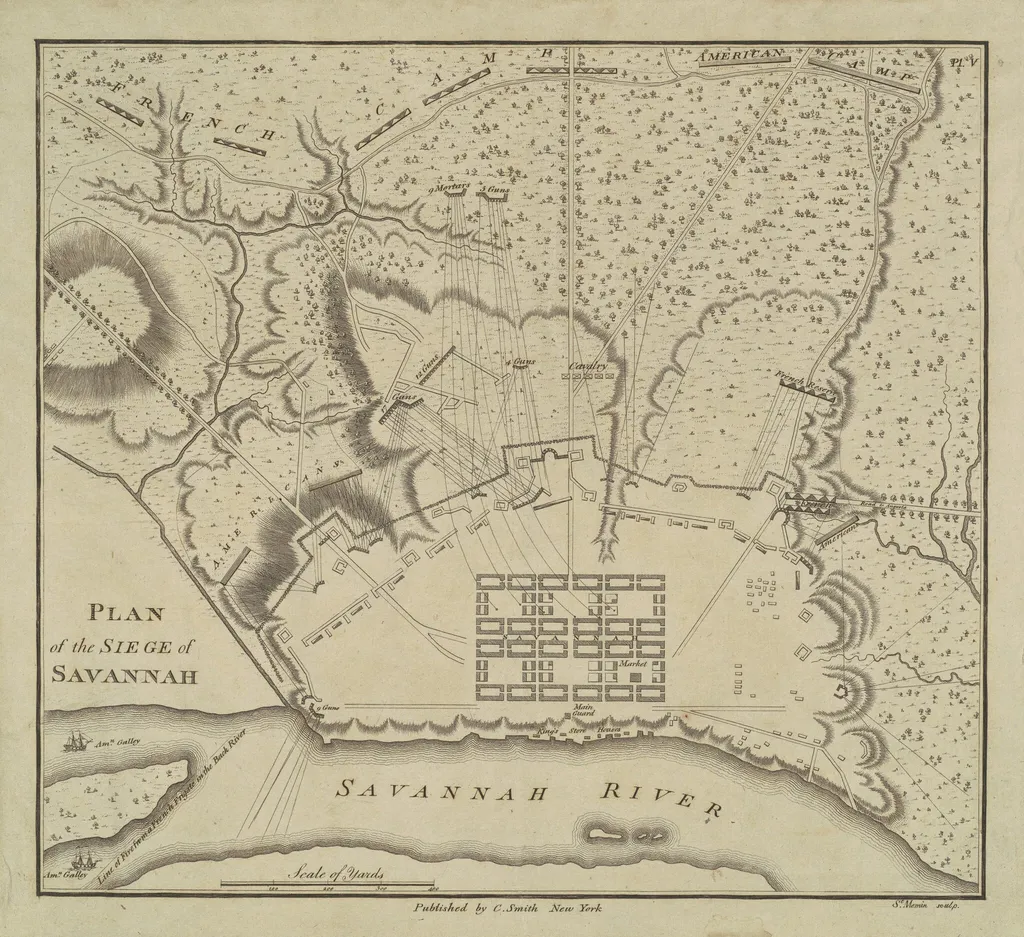
Plan of the Siege of Savannah is an ink print by the Romanticist artist Charles Balthazar Julien Févret de Saint-Mémin. It dates from 1796 and is held in the collection of the National Gallery of Art. The work is an engraved representation of the area surrounding the Savannah River as it appeared during the 1796 siege.
About this work
Overview
The work is an engraved representation of the area surrounding the Savannah River as it appeared during the 1796 siege. Rendered in black on laid paper that has been affixed to a brown wove backing, the print functions as a tactical map, outlining the positions of forts, batteries and natural features that influenced the operation.
Subject & Meaning
The image records the layout of military installations and terrain that shaped the siege’s conduct. By marking the locations of artillery emplacements, defensive works and elevations, it provides insight into the strategic considerations of the combatants and serves as a visual record of the battlefield’s geography.
Technique & Style
Created through intaglio engraving, the artist incised fine lines into a metal plate, producing a network of hatching and cross‑hatching to convey depth and relief. The contrast of dense shading against crisp outlines emphasizes topographic variation, while the uniform black ink on the textured laid paper lends the map a precise, documentary quality.
History & Provenance
The print originates from the period shortly after the 1796 engagement, likely produced for military officials or planners. It has survived as a mounted sheet, its paper support indicating a later reinforcement for preservation. Its exact creator remains unidentified, but the work reflects contemporary cartographic practices of the late eighteenth‑century United States.
Artist & collection

Artist
Charles Balthazar Julien Févret de Saint-Mémin
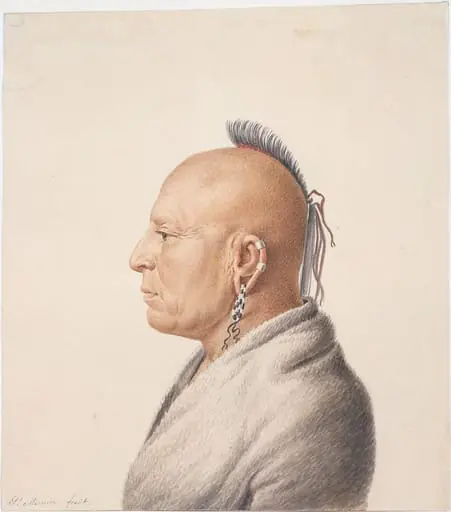
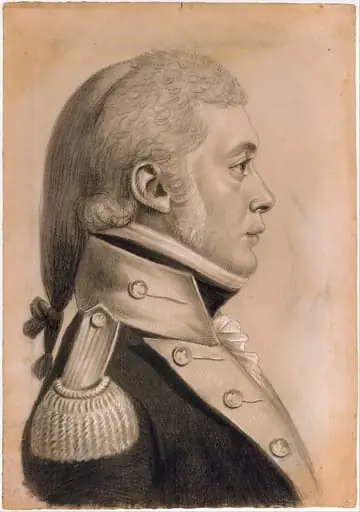
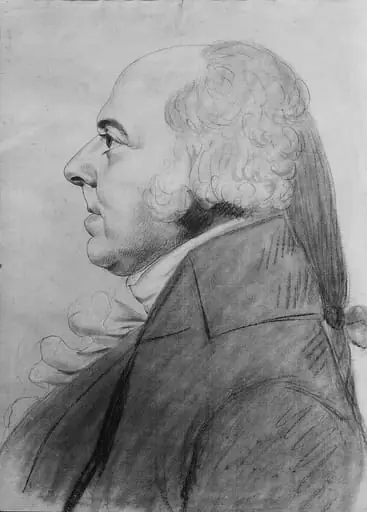
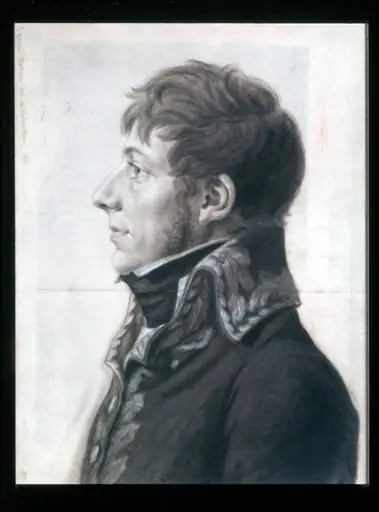
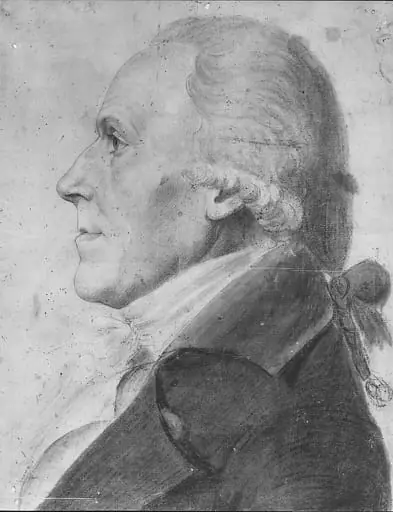
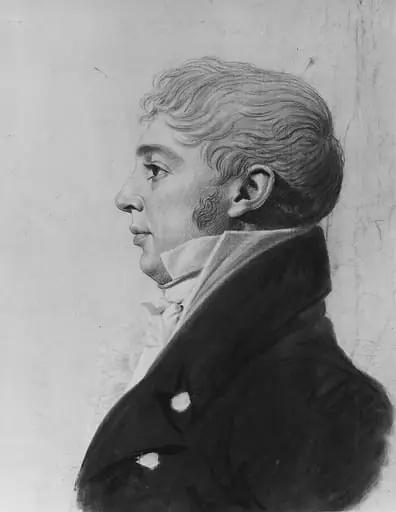
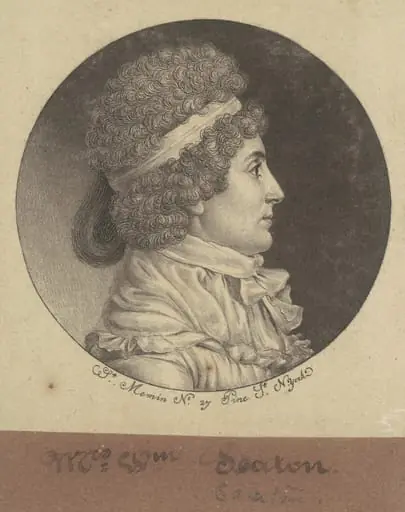
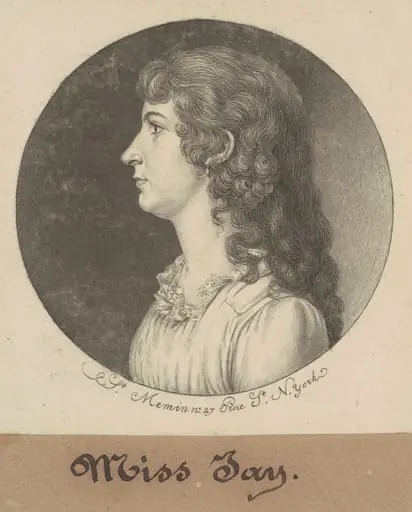
Charles Balthazar Julien Févret de Saint-Mémin (French pronunciation: ; 1770–1852) was a French portrait painter and museum director.

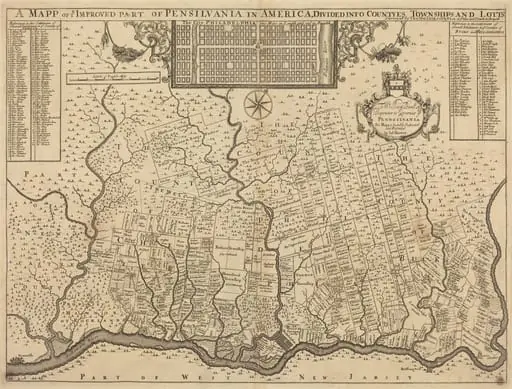 A mapp of ye improved part of Pensilvania in America, divided into countyes, townships and lotts
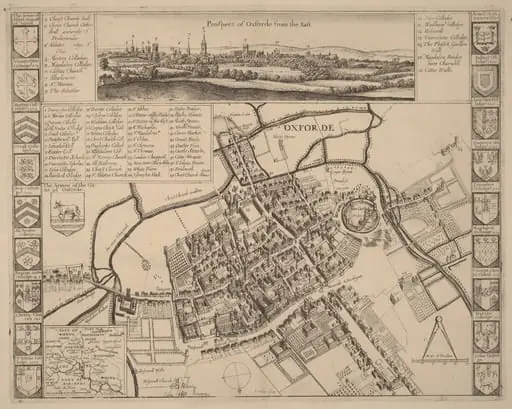 Prospect of Oxford
![The Siege of La Rochelle [plate 7 of 16; set comprises 1952.8.97-112], by Jacques Callot](https://artifactworldgallery.com/img/jacques-callot--the-siege-of-la-rochelle-plate-7-of-16-set-comprises-1952-8--ed3ab4aaddd2281d-w320.webp) The Siege of La Rochelle [plate 7 of 16; set comprises 1952.8.97-112]
The Siege of La Rochelle [plate 7 of 16; set comprises 1952.8.97-112]![The Siege of Breda [plate 4 of 6], by Jacques Callot](https://artifactworldgallery.com/img/jacques-callot--the-siege-of-breda-plate-4-of-6--3e777c648194dcba-w320.webp) The Siege of Breda [plate 4 of 6]
The Siege of Breda [plate 4 of 6]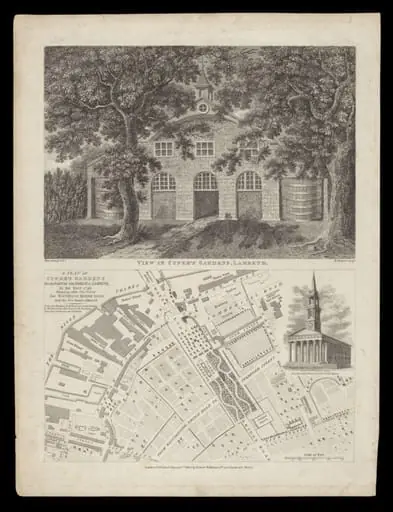 H Beard Print Collection
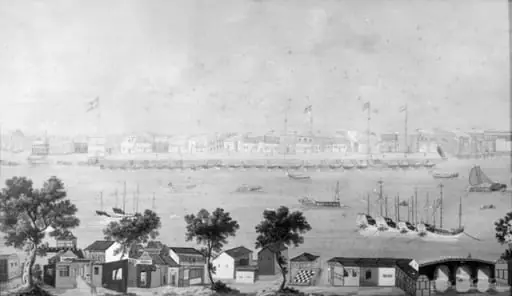 Et prospekt af de europæiske factorier i Canton
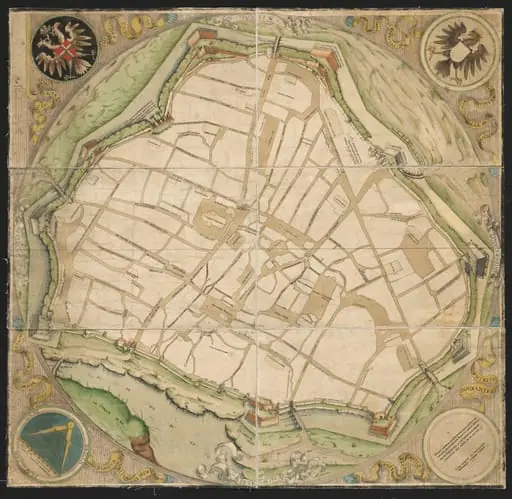 Map of Vienna
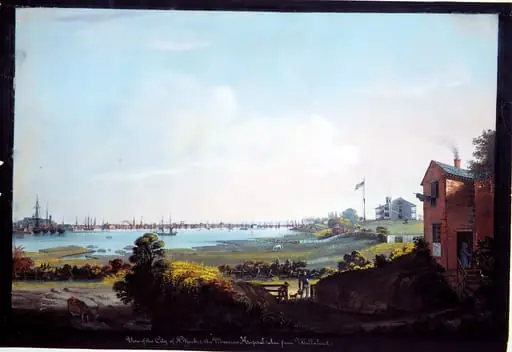 View of the City of New York and the Marine Hospital Taken from Wallabout
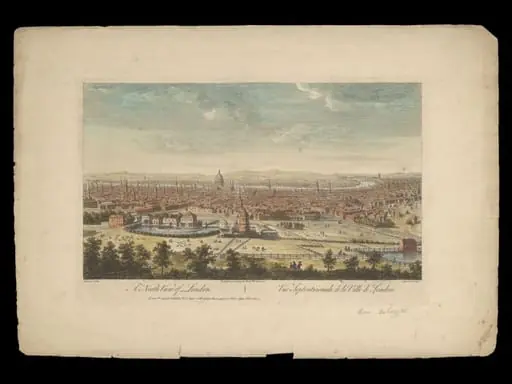 H Beard Print Collection
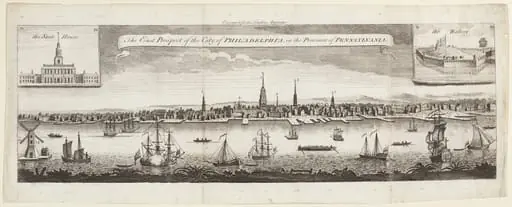 The East Prospect of the City of Philadelphia, in the Province of Pennsylvania
![The Siege of La Rochelle [plate 6 of 16; set comprises 1952.8.97-112], by Jacques Callot](https://artifactworldgallery.com/img/jacques-callot--the-siege-of-la-rochelle-plate-6-of-16-set-comprises-1952-8--87e690454dc011ee-w320.webp) The Siege of La Rochelle [plate 6 of 16; set comprises 1952.8.97-112]
The Siege of La Rochelle [plate 6 of 16; set comprises 1952.8.97-112]![The Siege of Breda [plate 3 of 6], by Jacques Callot](https://artifactworldgallery.com/img/jacques-callot--the-siege-of-breda-plate-3-of-6--c43bd4a835426ed7-w320.webp) The Siege of Breda [plate 3 of 6]
The Siege of Breda [plate 3 of 6]