Artwork
Robert Heysham
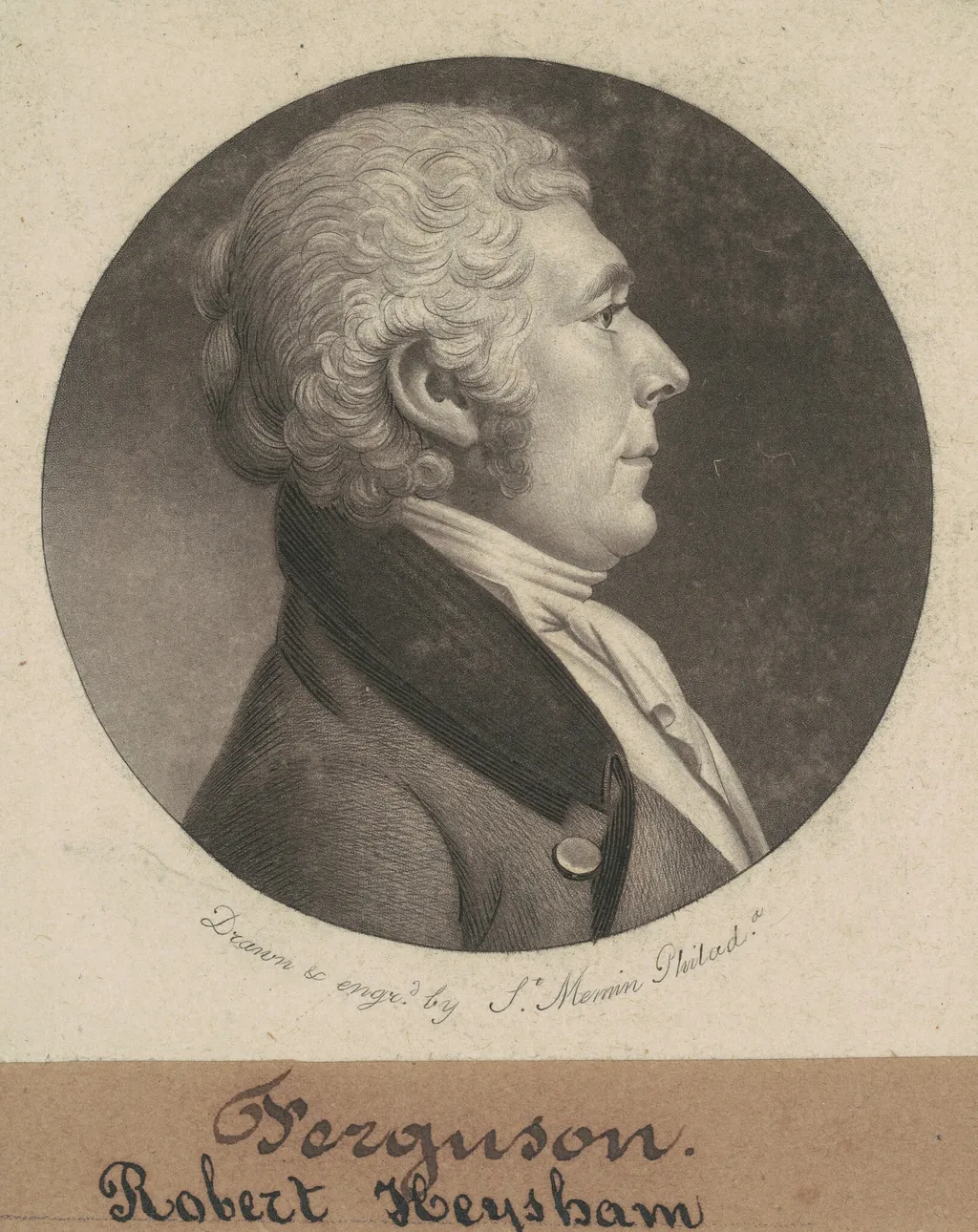
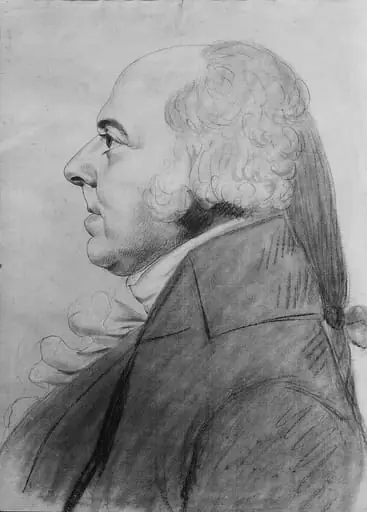
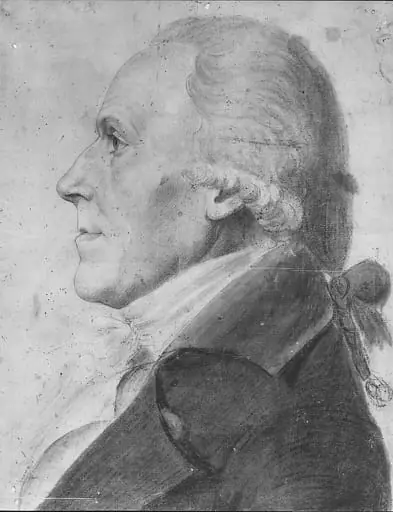
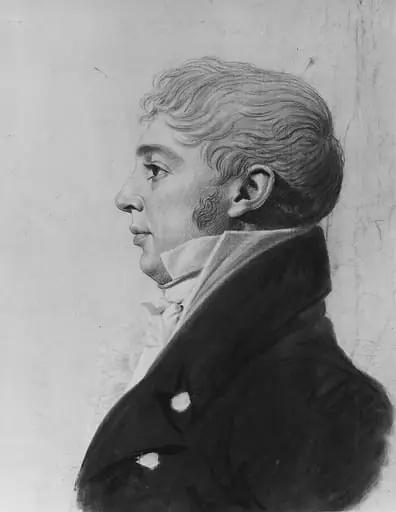
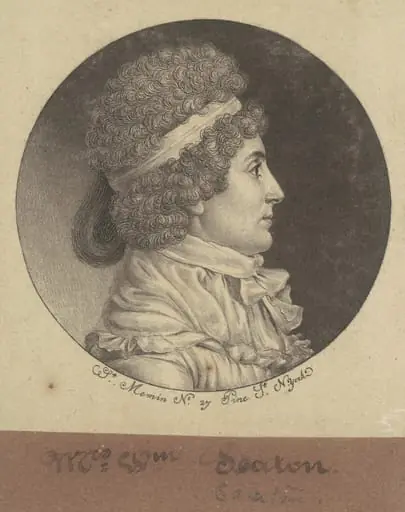
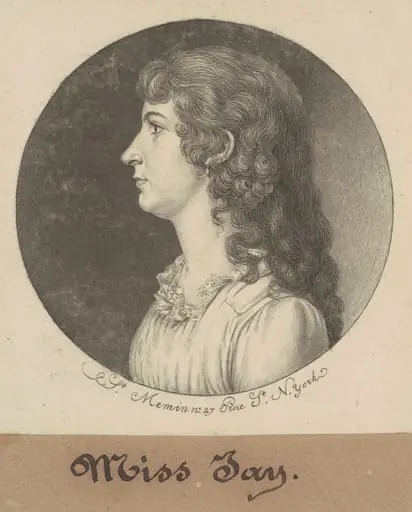
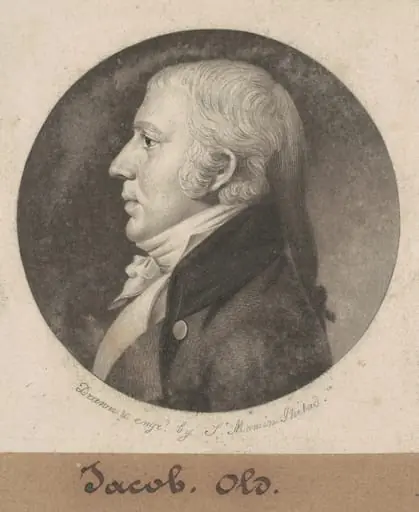
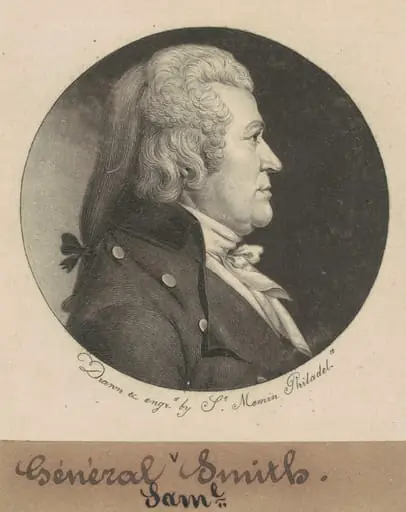
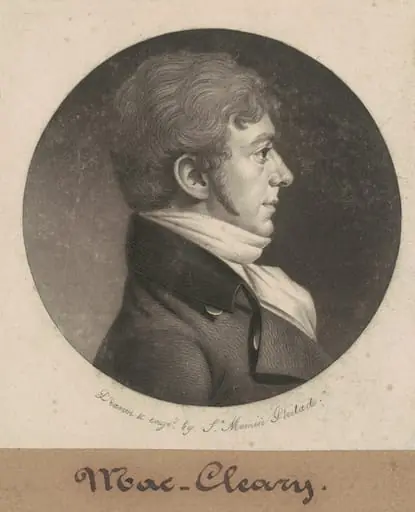
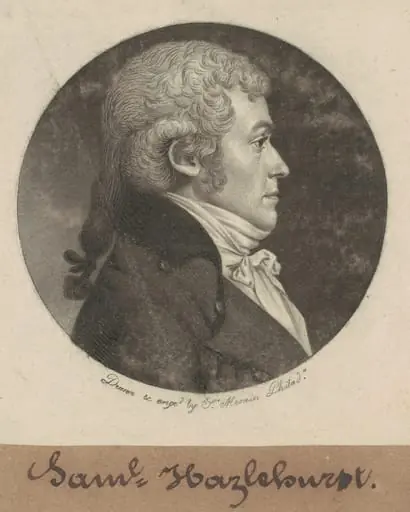
Robert Heysham is an ink print by the Romanticist artist Charles Balthazar Julien Févret de Saint-Mémin. It dates from 1802 and is held in the collection of the National Gallery of Art. This 1802 print by Charles B.
About this work
Overview
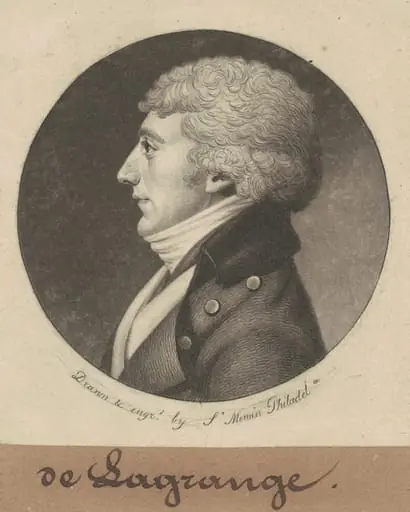
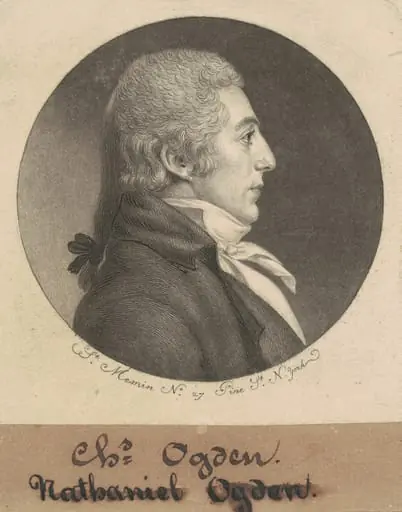
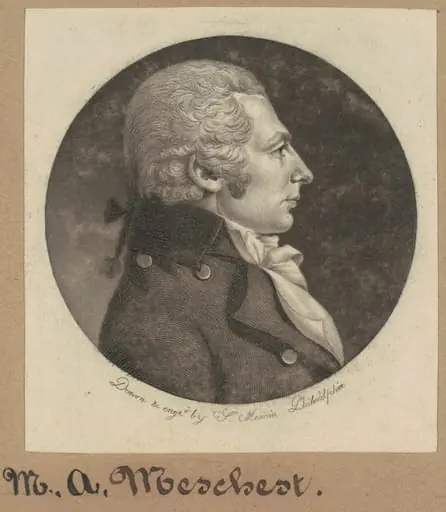
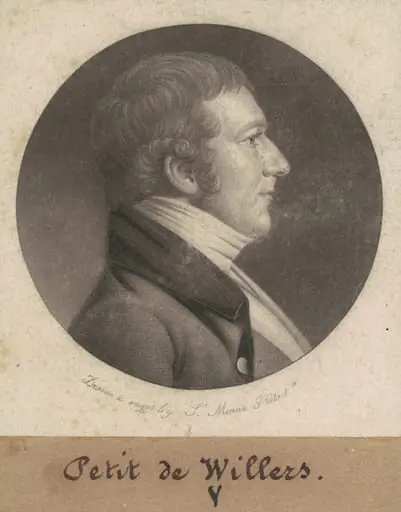
This 1802 print by Charles B. J. Févret de Saint-Mémin depicts Robert Heysham in black ink on wove paper, mounted to a brown wove support. Executed in mezzotint and engraving, the work belongs to the Corcoran Collection, now held by the National Gallery of Art. The technique allows for rich tonal gradations, characteristic of portrait prints from the early 19th century.
Subject & Meaning
The portrait presents Robert Heysham facing directly forward, dressed in a dark coat with a calm, composed expression. The lighting isolates his features, emphasizing stillness and presence. No symbolic elements are present; the focus remains on capturing a dignified likeness, typical of portraiture intended for private or institutional documentation rather than public commemoration.
Technique & Style
Saint-Mémin employed mezzotint to achieve subtle transitions between light and shadow, particularly in the rendering of skin and fabric. Engraved lines define finer details such as the collar and hair. The combination of these methods mimics the depth of painted portraits while retaining the precision of printmaking, reflecting the period’s pursuit of photographic realism in reproductive art.
History & Provenance
The print was produced in 1802 and later acquired by the Corcoran Gallery of Art in Washington, D.C. Following the Corcoran’s dissolution in 2014, the work was transferred to the National Gallery of Art. Its preservation on a secondary paper mount suggests careful handling and long-term conservation priorities within the collecting institution.
Context
In the early 1800s, mezzotint was widely used in America and Europe to reproduce portraits of notable figures for private collections. Saint-Mémin, a French émigré, became known for his detailed portrait prints during his time in the United States. This work aligns with a broader trend of using print media to disseminate images of civic and cultural leaders.
Legacy
Saint-Mémin’s mezzotints, including this portrait, remain significant for their technical precision and historical documentation of early American figures. Though not widely exhibited, they are studied for their role in the evolution of American print culture and as examples of how European techniques were adapted in the young republic.
Artist & collection

Artist
Charles Balthazar Julien Févret de Saint-Mémin
Charles Balthazar Julien Févret de Saint-Mémin (French pronunciation: ; 1770–1852) was a French portrait painter and museum director.