Artwork
S. Taylor
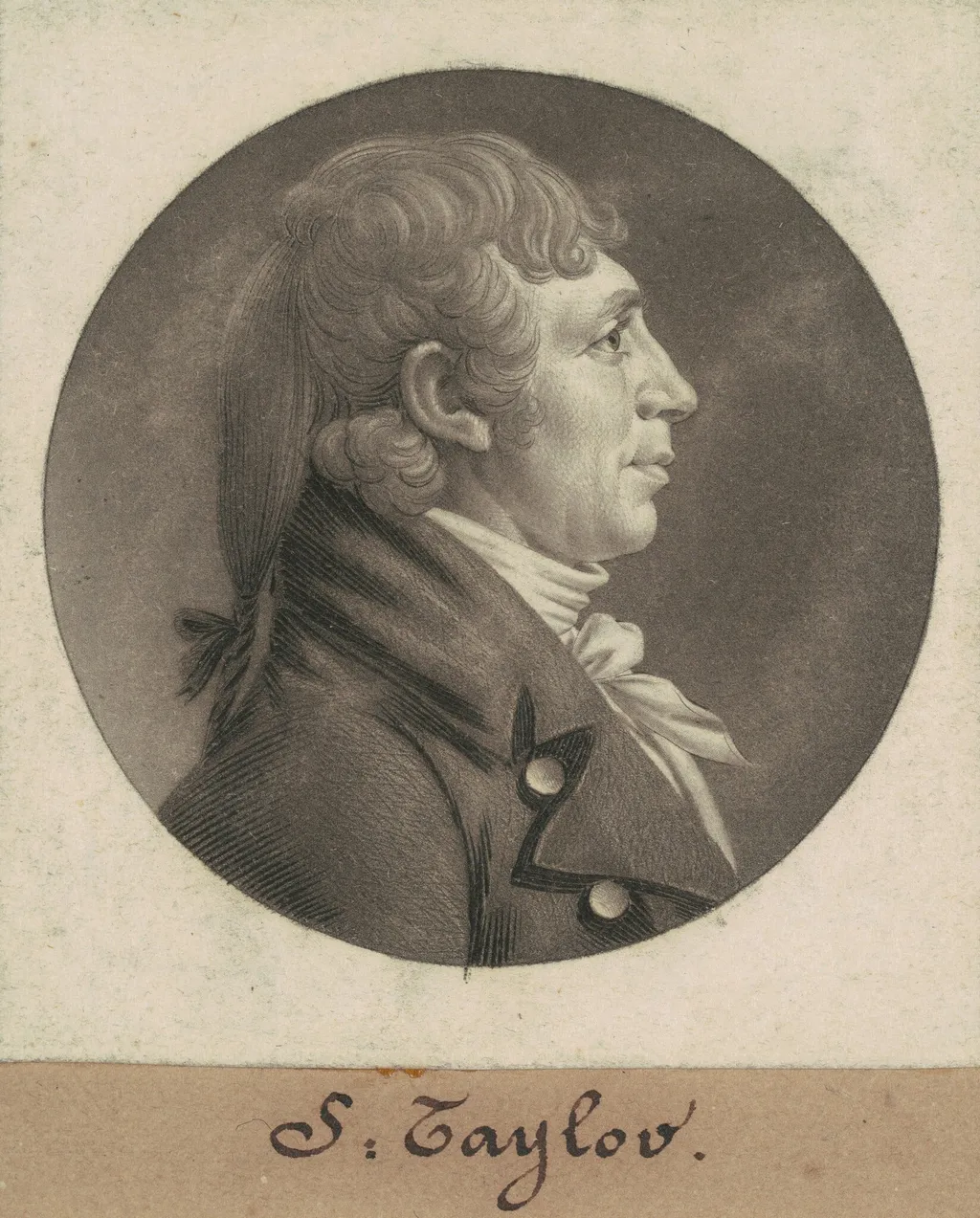
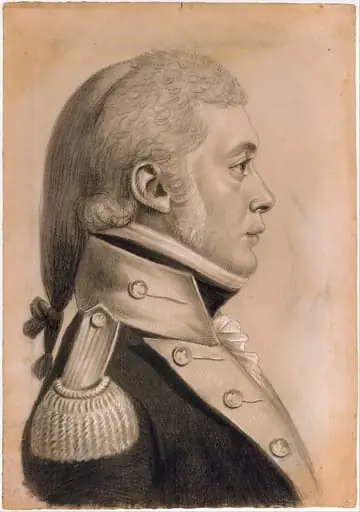
S. Taylor is an ink print by the Romanticist artist Charles Balthazar Julien Févret de Saint-Mémin. It dates from 1805 and is held in the collection of the National Gallery of Art. This print, titled S.
About this work
Overview
Unlike oil paintings, this piece relies on the tonal range achievable through intaglio techniques to convey form and texture.
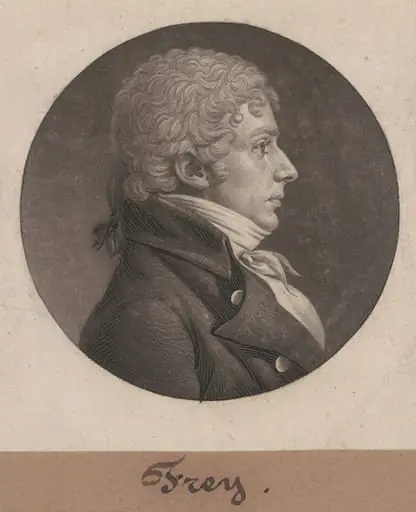
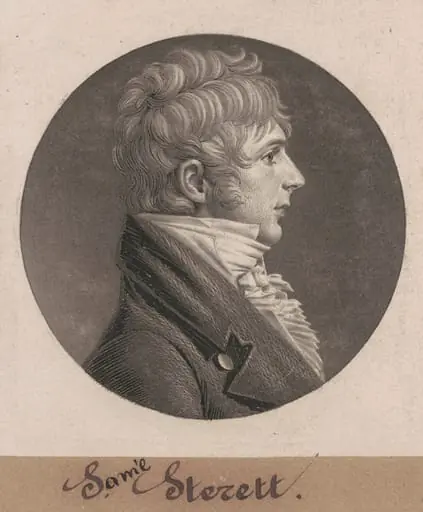
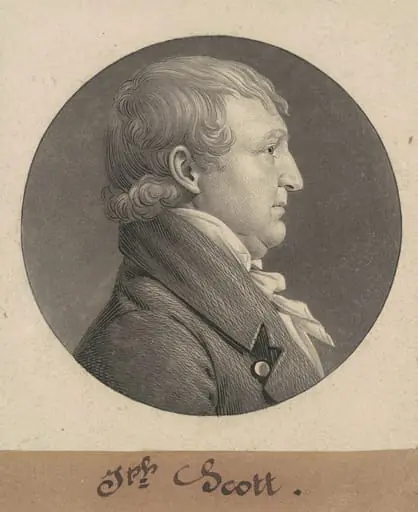
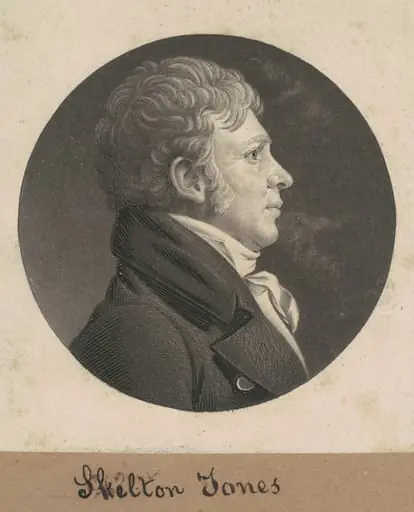
This print, titled S. Taylor, is a mezzotint and engraving created in 1804 by Charles B. J. Févret de Saint-Mémin. Executed in black ink on wove paper and mounted to brown wove paper, it is a portrait of Sarah Taylor. The work resides in the collection of the National Gallery of Art. Unlike oil paintings, this piece relies on the tonal range achievable through intaglio techniques to convey form and texture.
Subject & Meaning
Sarah Taylor was a notable woman in early 19th-century American society, though specific details of her public role remain limited. The portrait presents her with quiet dignity, emphasizing her social standing through composed posture and refined attire. The absence of overt symbolism suggests the intent was not to narrate her achievements but to affirm her presence within the cultural elite of the time.
Technique & Style
Saint-Mémin employed mezzotint to achieve subtle gradations of tone, complemented by fine engraving lines for definition. The technique allowed for rich blacks and delicate transitions, enhancing the realism of facial features and fabric textures. His approach prioritized precision over expressive brushwork, aligning with the neoclassical preference for clarity and restraint in portraiture.
History & Provenance
Created during Saint-Mémin’s time in the United States, the print was likely made from a life drawing or miniature. It entered the National Gallery of Art’s collection through established institutional acquisitions, reflecting the museum’s focus on early American graphic arts. No significant changes in ownership are documented between its creation and institutional acquisition.
Context
In the early 1800s, mezzotint was a favored medium for portrait reproduction in America, especially among those seeking affordable yet detailed likenesses. Saint-Mémin, a French émigré, helped popularize the technique in the U.S., producing numerous portraits of political and social figures. His work bridged European print traditions with American tastes for dignified, unadorned representation.
Legacy
Saint-Mémin’s portraits, including this one, remain important examples of early American printmaking. They document the visual culture of a nascent republic and illustrate how European techniques were adapted to local subjects. While not widely known today, his prints are studied for their technical skill and historical value in capturing the faces of early American society.
Artist & collection

Artist
Charles Balthazar Julien Févret de Saint-Mémin
Charles Balthazar Julien Févret de Saint-Mémin (French pronunciation: ; 1770–1852) was a French portrait painter and museum director.