Artwork
Sarah Eve Adams
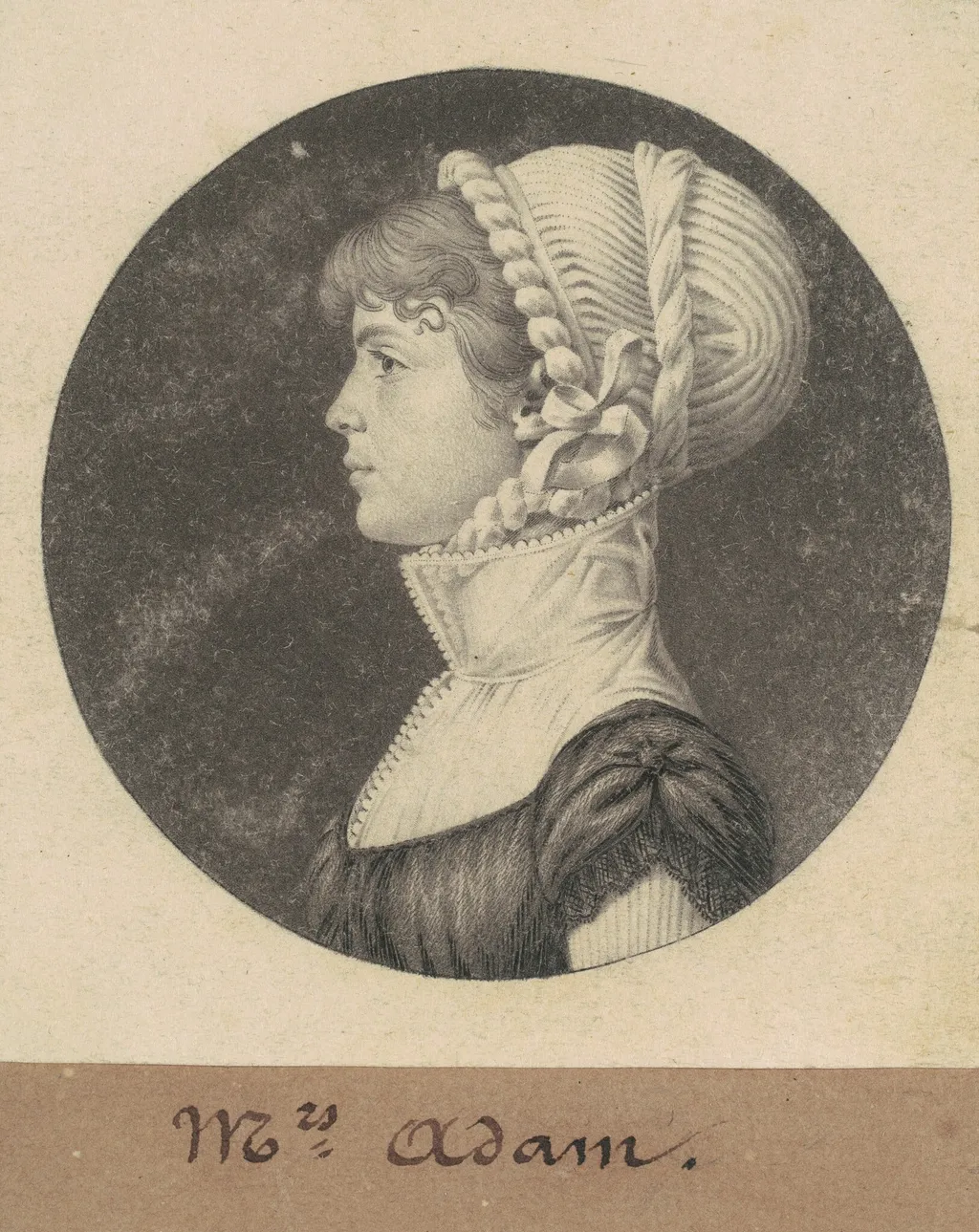
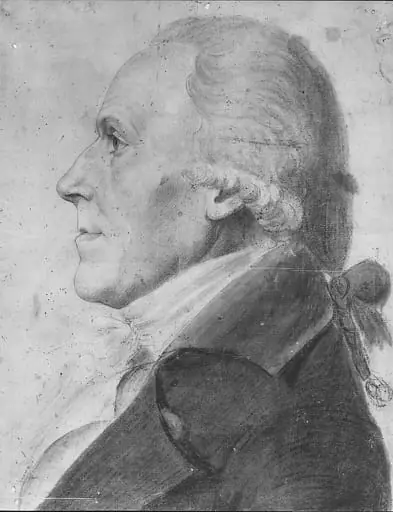
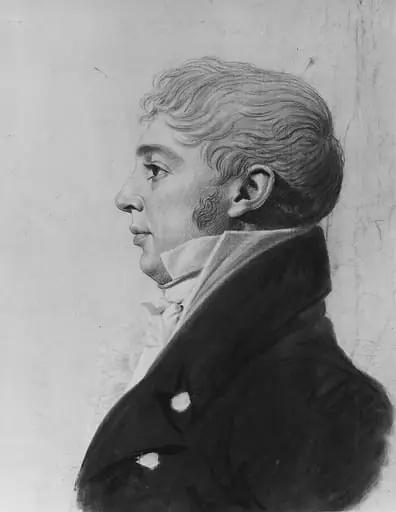
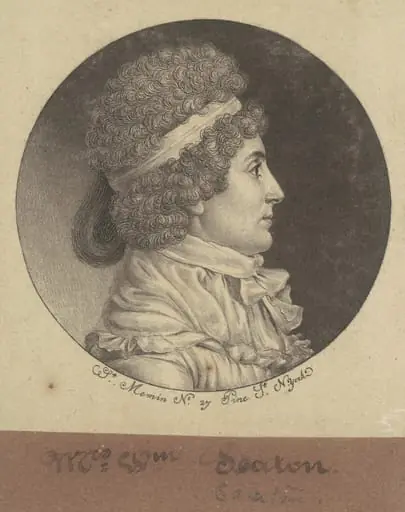
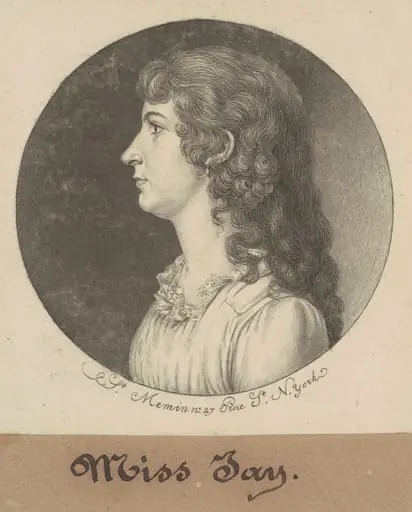
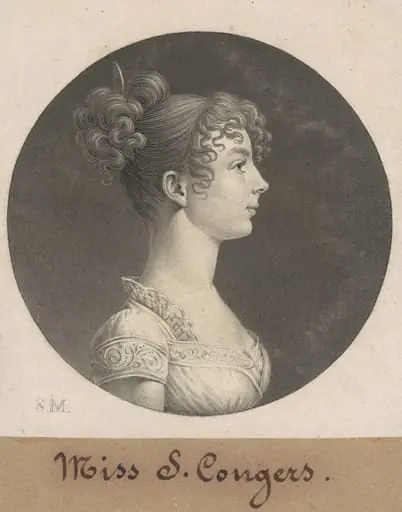
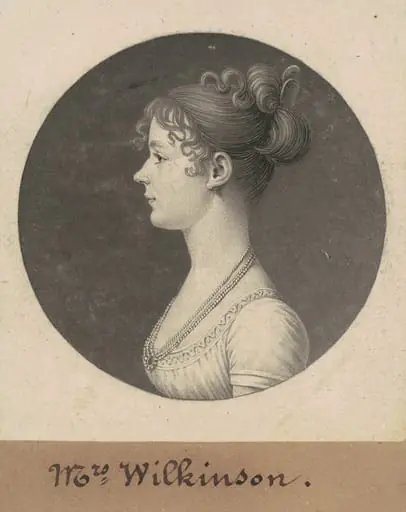
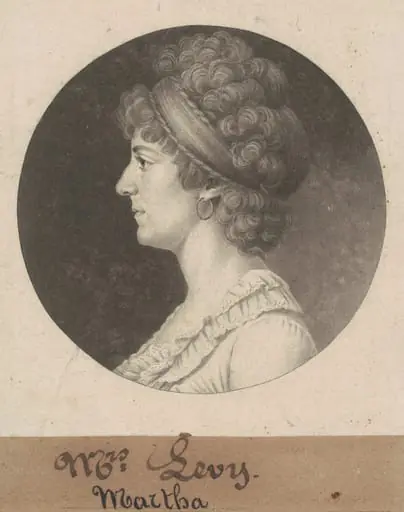
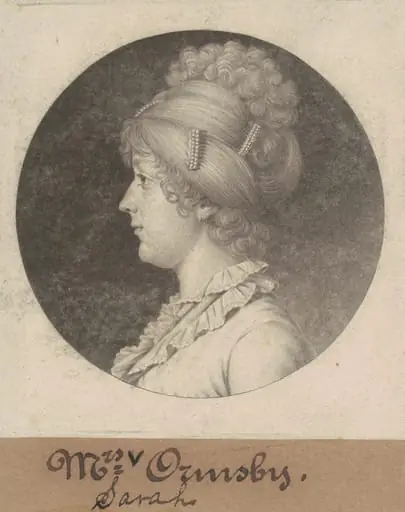
Sarah Eve Adams is an ink print by the Romanticist artist Charles Balthazar Julien Févret de Saint-Mémin. It dates from 1809 and is held in the collection of the National Gallery of Art. Charles B.
About this work
Overview
Févret de Saint-Mémin produced this portrait of Sarah Eve Adams in 1809 using mezzotint and engraving techniques on wove paper.
Charles B. J. Févret de Saint-Mémin produced this portrait of Sarah Eve Adams in 1809 using mezzotint and engraving techniques on wove paper. The image is rendered in monochrome and mounted on a brown wove paper support. It belongs to the Corcoran Collection, now part of the National Gallery of Art. The work exemplifies the precision and tonal range achievable through intaglio printmaking in early 19th-century America.
Subject & Meaning
Sarah Eve Adams is depicted with quiet composure, her gaze directed slightly beyond the viewer. Dressed in plain, contemporary attire, she is presented without symbolic embellishment or elaborate setting. The portrait emphasizes individual presence rather than social status, reflecting a shift toward intimate, unadorned representation in American portraiture of the period.
Technique & Style
Saint-Mémin employed mezzotint to achieve subtle gradations of gray, allowing soft transitions between light and shadow. Engraving lines define finer details such as hair, lace, and facial contours. The combination creates a tactile realism, with texture emerging from the interplay of roughened plate surfaces and precise incisions. The monochrome palette focuses attention on form and expression.
History & Provenance
Created in 1809, the print was likely made during Saint-Mémin’s time in the United States, where he produced numerous portraits of prominent figures. It entered the Corcoran Collection in the 19th century and was later transferred to the National Gallery of Art following the Corcoran’s dissolution. Its preservation reflects its significance as a representative example of early American print portraiture.
Context
In the early 1800s, mezzotint was a favored medium for portraiture due to its ability to mimic the tonal richness of oil paintings. Saint-Mémin, a French émigré, helped establish this technique in the U.S., catering to a growing middle class seeking affordable, high-quality likenesses. This work aligns with a broader trend of documenting civic and private individuals beyond aristocratic circles.
Legacy
Saint-Mémin’s portraits, including this one, remain important records of early American identity. His technical mastery influenced subsequent generations of printmakers. While Sarah Eve Adams herself is not widely documented, her portrait endures as a quiet testament to the era’s evolving visual culture and the role of print in shaping personal and collective memory.
Artist & collection

Artist
Charles Balthazar Julien Févret de Saint-Mémin
Charles Balthazar Julien Févret de Saint-Mémin (French pronunciation: ; 1770–1852) was a French portrait painter and museum director.