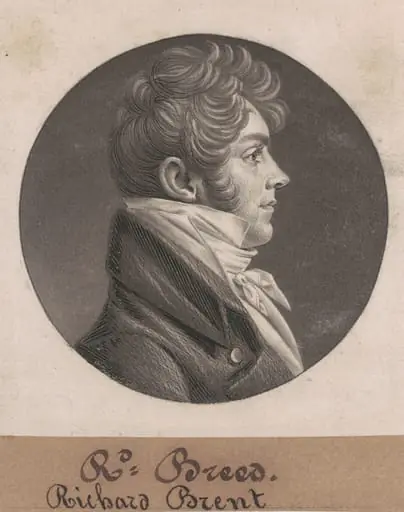
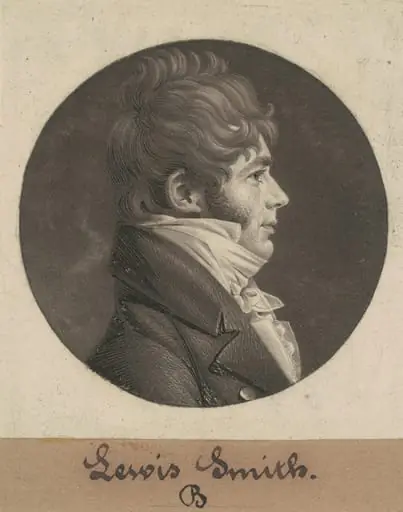
Artwork
Shrewsbury
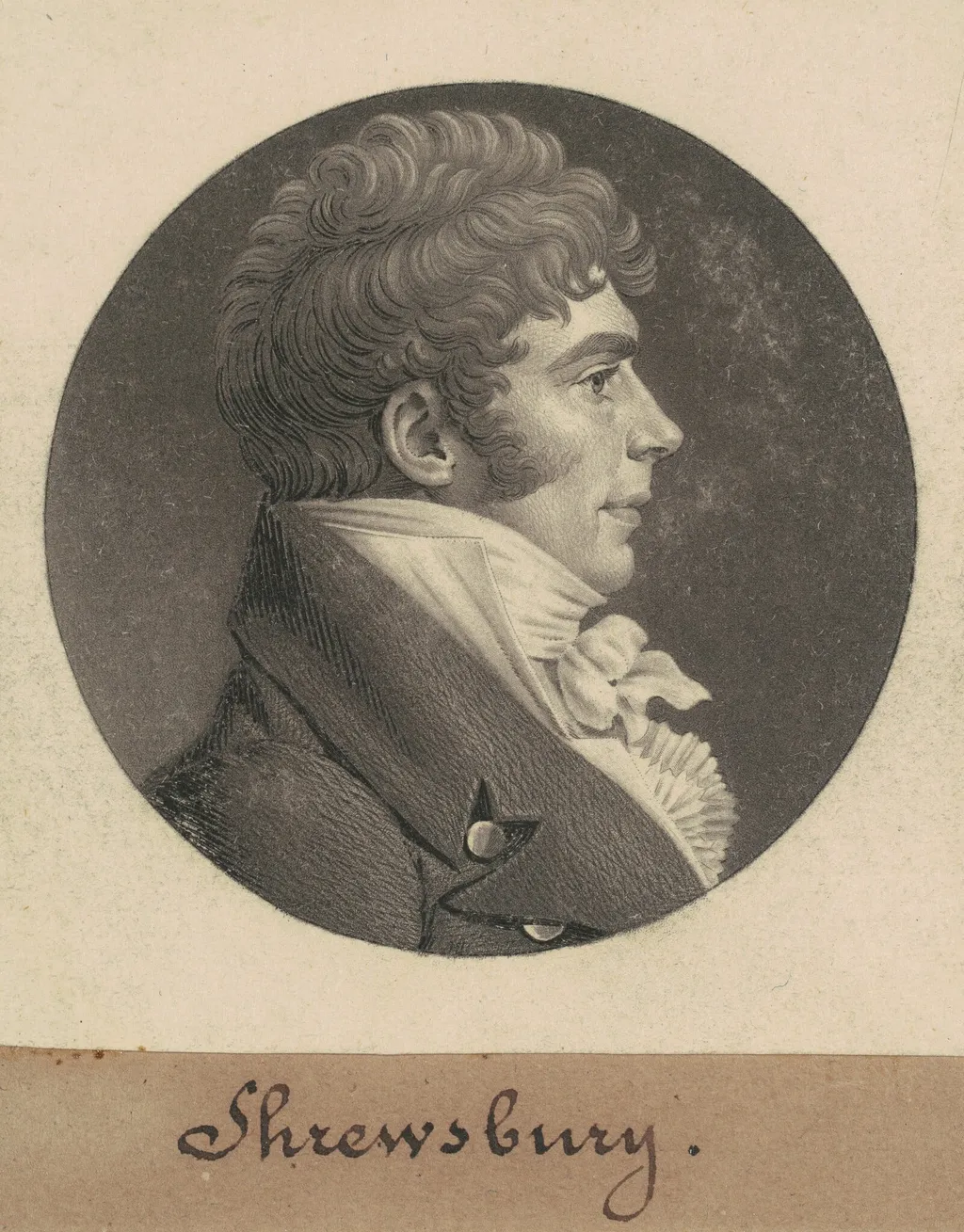
Shrewsbury is an ink print by the Romanticist artist Charles Balthazar Julien Févret de Saint-Mémin. It dates from 1809 and is held in the collection of the National Gallery of Art.
About this work
This print shows a busy street in Shrewsbury, England in 1809. It’s an engraving, which means lines were cut into metal then inked. The artist used cross-hatching to shade the buildings and clouds.
You can see clear details like shop signs and people’s clothes. This was rare for the time because most prints were blurry.
If you like this style, look up Saint-Mémin, Charles B. J. Févret de.
Overview
Created in 1809, this black-and-white print combines mezzotint and engraving techniques on wove paper that has been affixed to a brown‑toned backing. The work portrays a lively urban scene from the English town of Shrewsbury, capturing the interplay of architecture and activity that characterises the early nineteenth‑century streetscape.
Subject & Meaning
The image presents a crowded thoroughfare lined with medieval‑style buildings, their façades punctuated by shop signs and the figures of pedestrians in contemporary dress. By emphasizing the bustling commerce and communal atmosphere, the print offers a visual record of daily life in a provincial English market town during the post‑Georgian period.
Technique & Style
The artist employed a dual process: mezzotint for rich tonal gradations and engraving for precise linear detail. Fine cross‑hatching renders shadows on the structures and clouds, while the crisp incised lines define architectural elements and clothing. This combination yields a clarity uncommon in many early nineteenth‑century prints, which often appear softer.
History & Provenance
Attributed to Charles B. J. Févret de Saint‑Mémin, the print is held within the Corcoran Collection. Its inclusion in this institutional assemblage reflects the work’s value as a documentary illustration of British urban environments and as an example of the artist’s skillful integration of mezzotint and engraving methods.
Artist & collection

Artist
Charles Balthazar Julien Févret de Saint-Mémin
Charles Balthazar Julien Févret de Saint-Mémin (French pronunciation: ; 1770–1852) was a French portrait painter and museum director.