Artwork
Temperance Hedge Lee
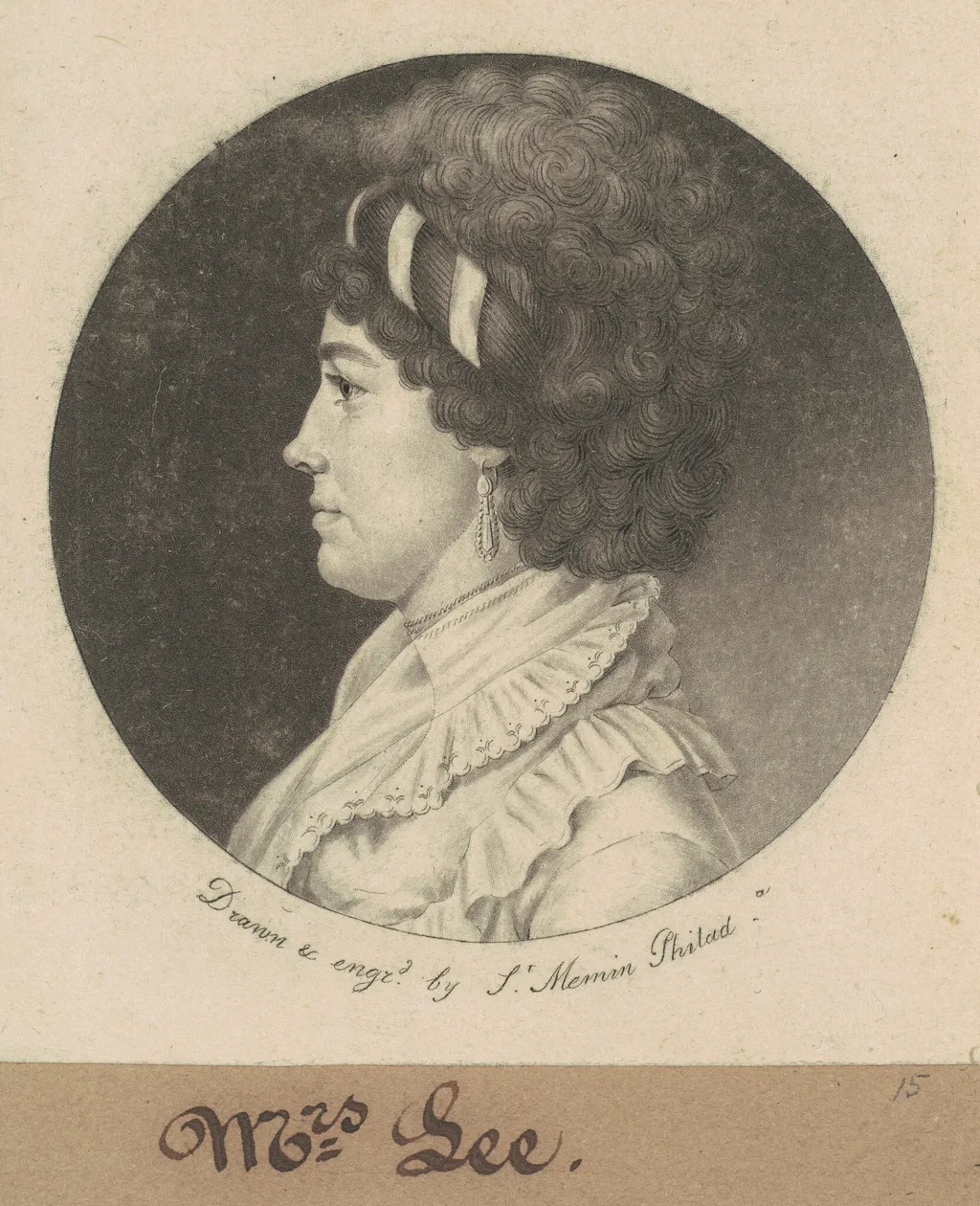
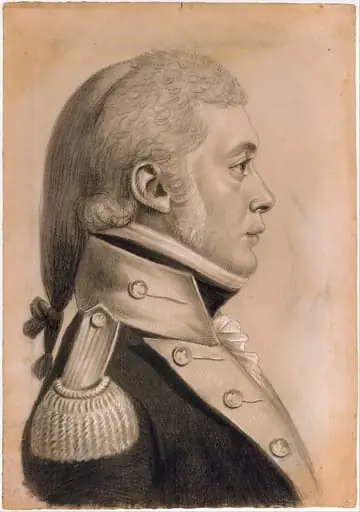
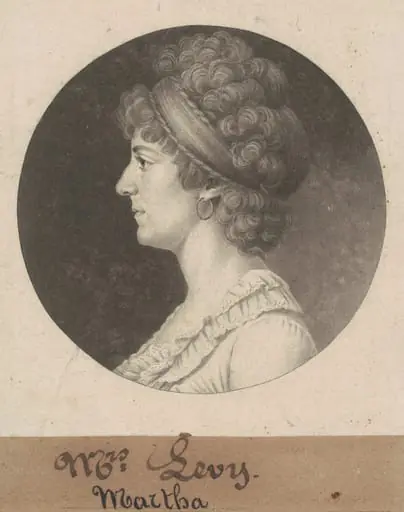
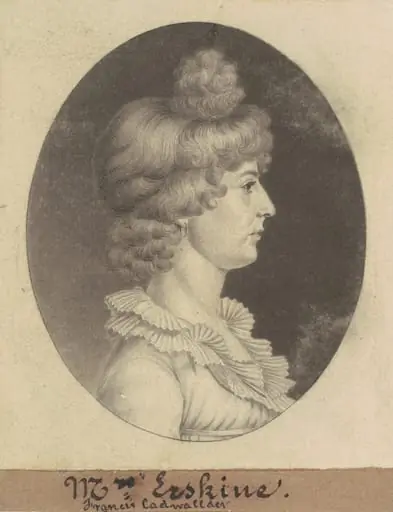
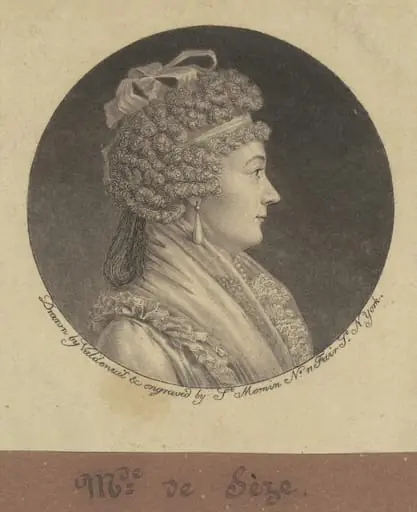
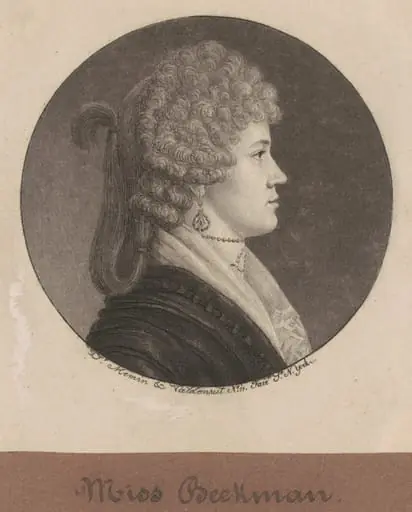
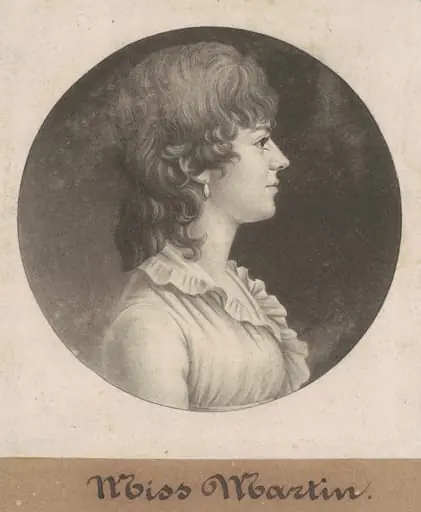
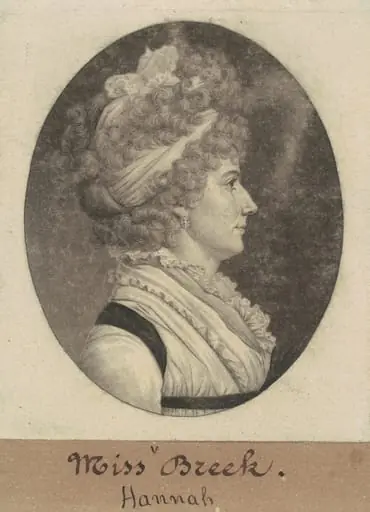
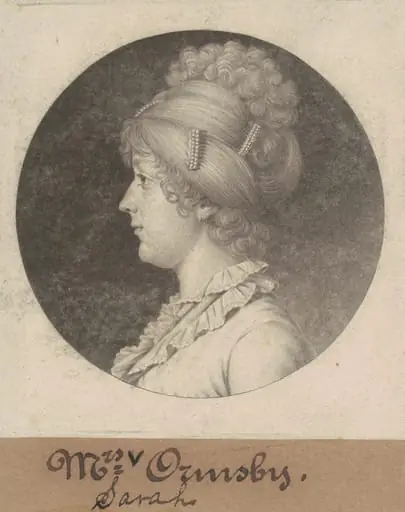
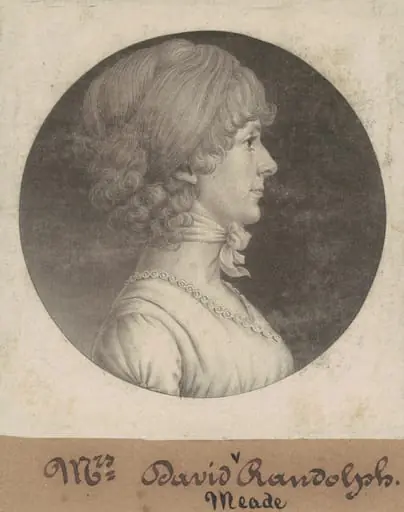
Temperance Hedge Lee is an ink print by the Romanticist artist Charles Balthazar Julien Févret de Saint-Mémin. It dates from 1799 and is held in the collection of the National Gallery of Art. Charles B.
About this work
The artist used cross-hatching—tiny parallel lines—to build up the dark areas, which makes the face glow against the paper.
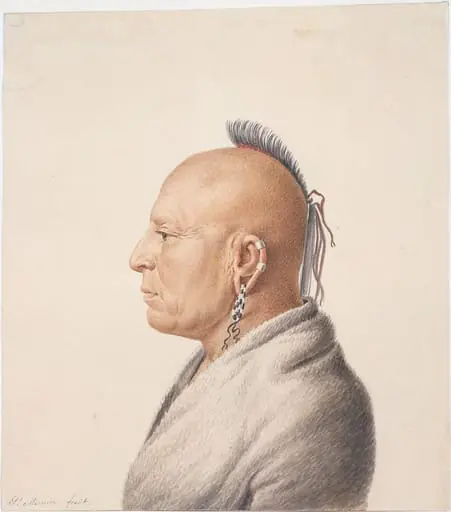
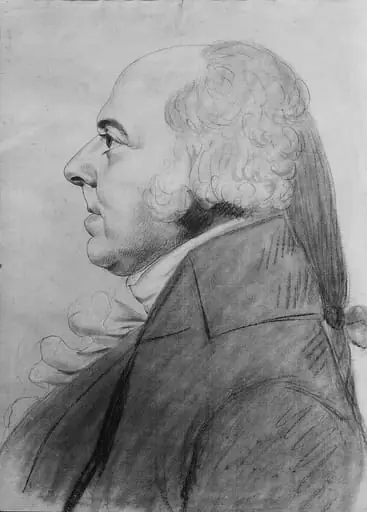
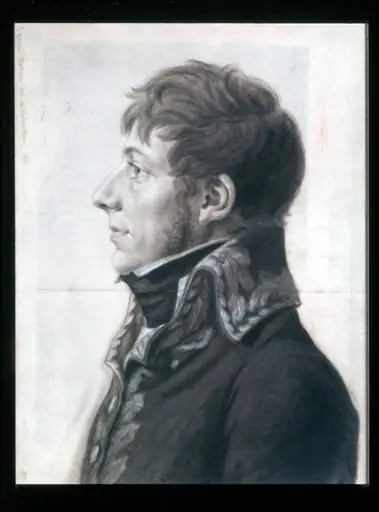
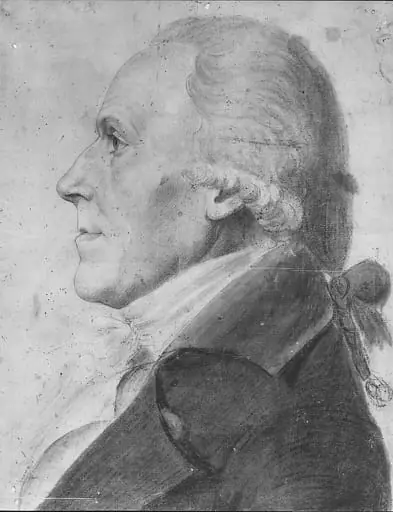
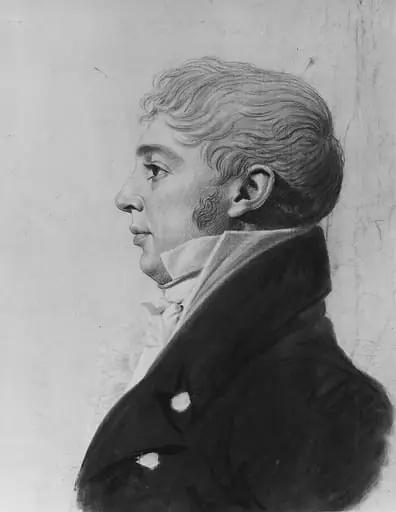
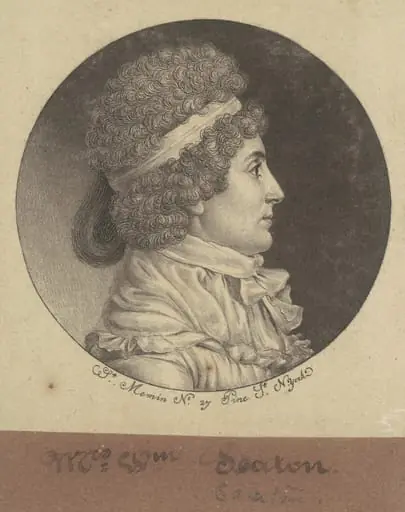
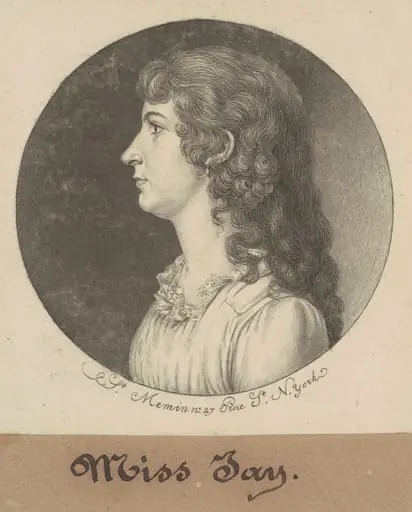
This small 1799 engraving shows a man’s face in profile, all clean lines and soft shadows. His coat looks stiff, like starched fabric under candlelight. The artist used cross-hatching—tiny parallel lines—to build up the dark areas, which makes the face glow against the paper.
Saint-Mémin worked in Washington after the American Revolution, making portraits of early leaders. He didn’t paint on canvas; he carved these images onto metal plates and inked them by hand.
Look up cross-hatching to see how simple lines can build whole worlds in black and white.
Overview
Charles B. J. Févret de Saint‑Mémin’s 1799 print, titled Temperance Hedge Lee, is a small portrait executed in mezzotint and engraving. The image measures roughly 5.5 cm on each side and is presented on wove paper mounted to a brown backing. It depicts a male sitter in strict profile, rendered entirely in black ink.
Subject & Meaning
The work portrays a gentleman whose features are shown in a side view, emphasizing the contour of his nose, chin, and the crisp line of his collar. The composition suggests a formal, perhaps civic, representation, typical of early American portraiture that sought to convey the sitter’s dignity and social standing.
Technique & Style
Saint‑Mémin combined mezzotint’s tonal richness with fine engraving. By incising a metal plate and applying cross‑hatching, he built subtle gradations of shadow that give the face a luminous quality against the paper. The stiff appearance of the coat is achieved through precise line work that mimics the sheen of starched fabric.
History & Provenance
After the American Revolution, the French‑born artist settled in Washington, D.C., where he produced a series of portrait prints of the new nation’s leaders. Unlike traditional oil paintings, his images were created by hand‑inking carved plates, allowing multiple copies to circulate among patrons and collectors.
Context
The print belongs to a period when printmaking served as a primary means of disseminating likenesses of political and social figures in the United States. Saint‑Mémin’s work reflects both European engraving traditions and the emerging American desire for visual documentation of its prominent citizens.
Artist & collection

Artist
Charles Balthazar Julien Févret de Saint-Mémin
Charles Balthazar Julien Févret de Saint-Mémin (French pronunciation: ; 1770–1852) was a French portrait painter and museum director.