Artwork
Thomas Bolling Robertson
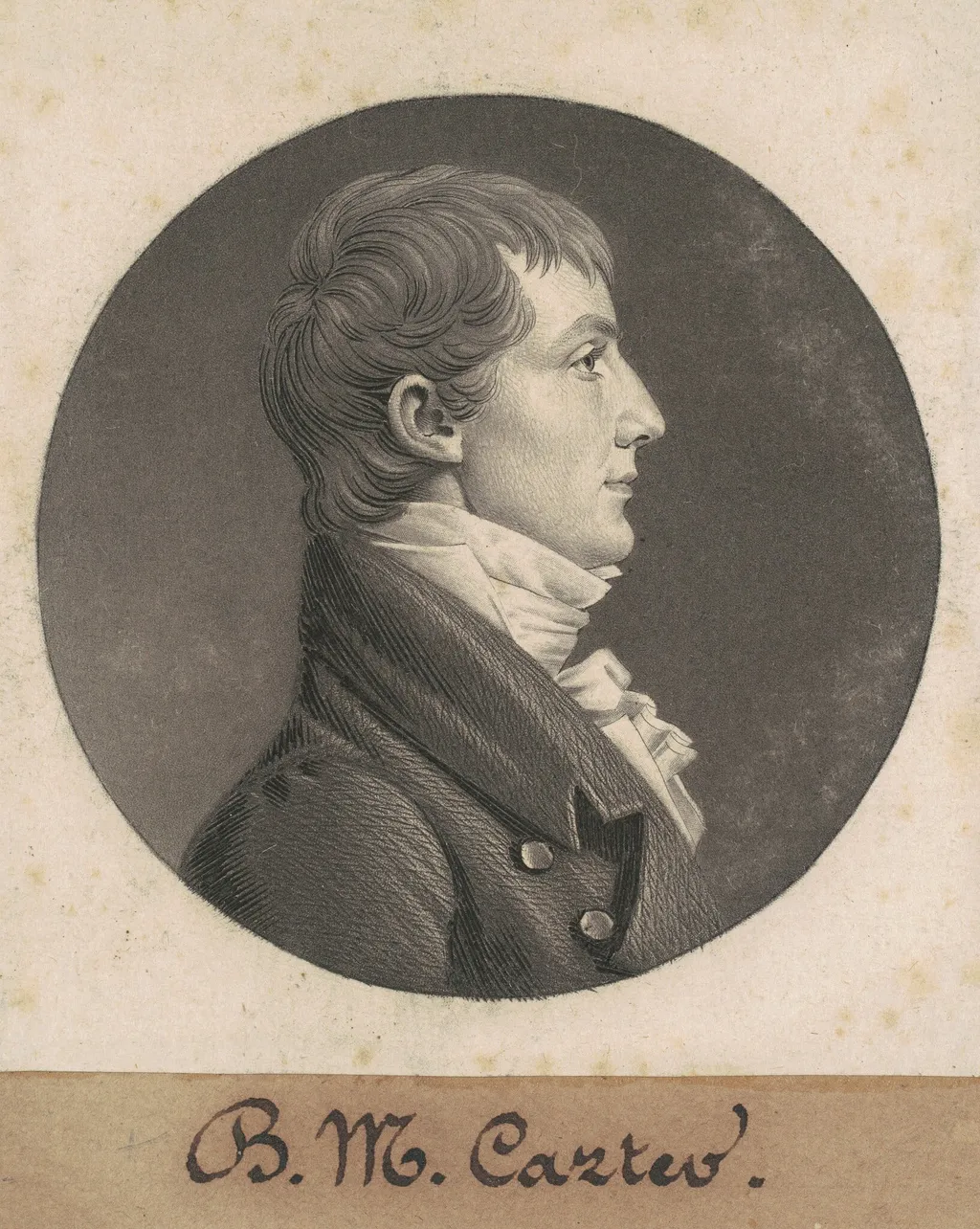
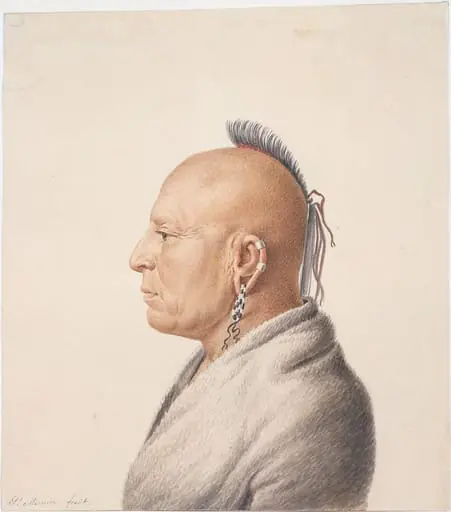
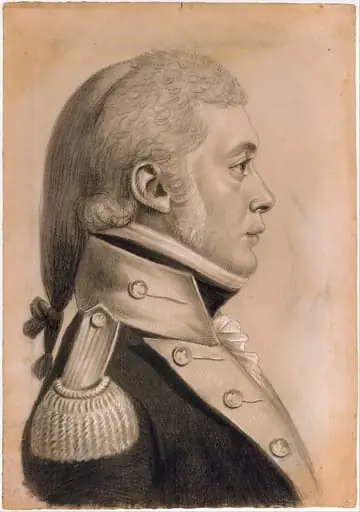
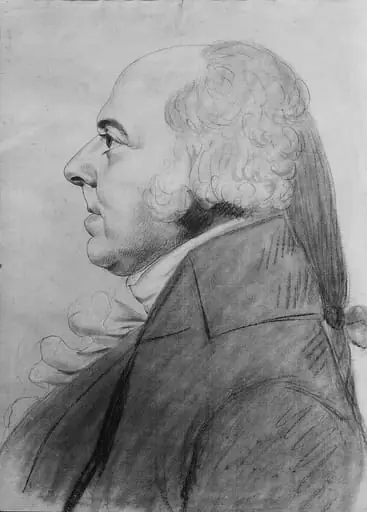
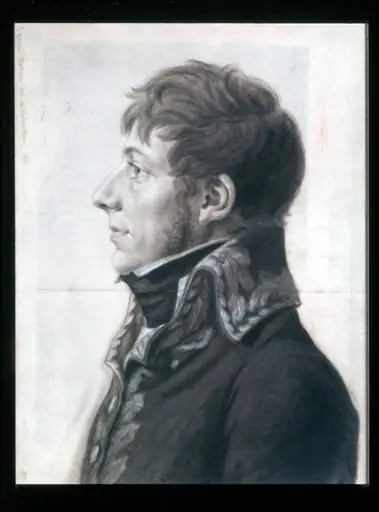
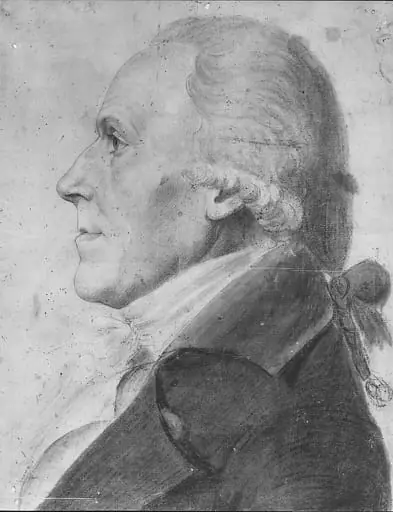
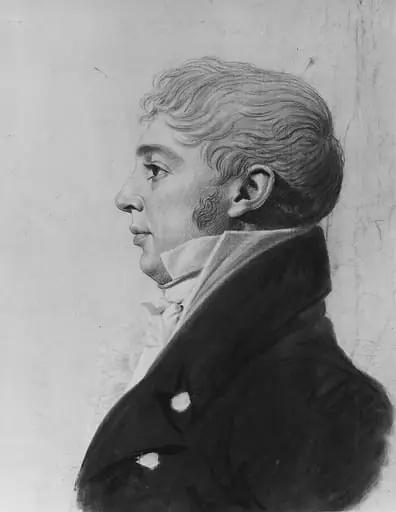
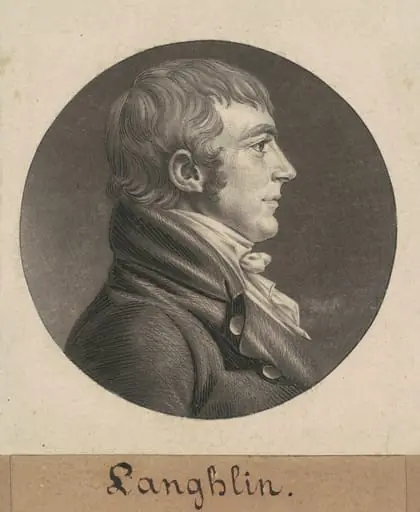
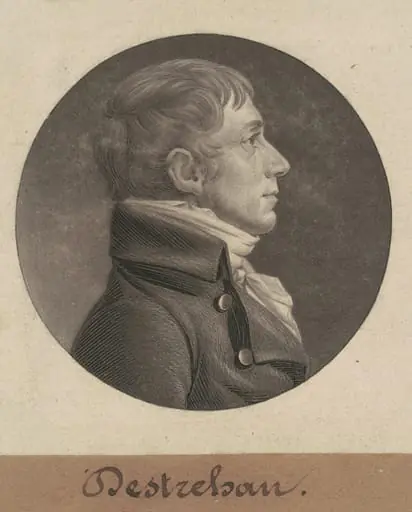
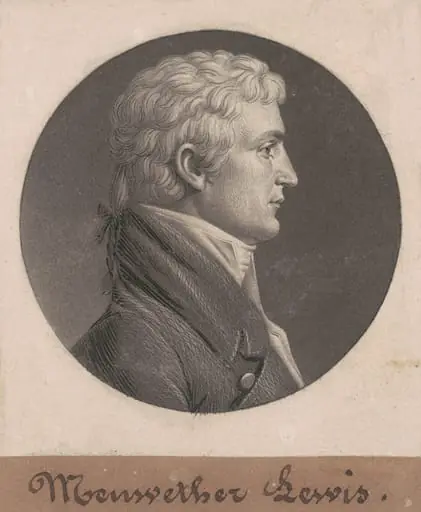
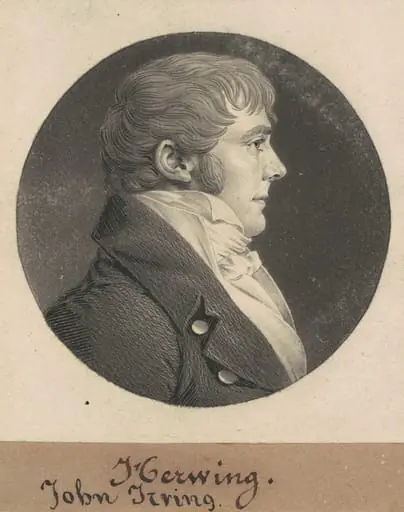
Thomas Bolling Robertson is an ink print by the Romanticist artist Charles Balthazar Julien Févret de Saint-Mémin. It dates from 1808 and is held in the collection of the National Gallery of Art.
About this work
Overview
The work is a small, hand‑colored print measuring roughly 2 5⁄8 inches across, depicting Thomas Bolling Robertson in formal attire. Executed in mezzotint and engraving on wove paper, it presents a frontal, highly detailed portrait that reflects the precision of early‑19th‑century printmaking.
Subject & Meaning
Thomas Bolling Robertson, a figure of early American society, is shown gazing directly at the viewer, his posture and dress conveying the dignity expected of a gentleman of his era. The portrait functions as a visual record, emphasizing his status and personal identity within the young republic.
Technique & Style
The image combines mezzotint’s soft tonal gradations with the crisp line work of engraving, allowing the artist to render subtle shading and fine details. Hand‑coloring adds modest hues to the otherwise monochrome surface, a common practice that enhanced realism while preserving the print’s delicate texture.
History & Provenance
Created around 1808 by Charles B. J. Févret de Saint‑Mémin, a French‑born artist active in the United States, the portrait reflects his expertise in portrait prints for American patrons. The piece remains a documented example of Saint‑Mémin’s work during his productive years in Washington, D.C.
Context
During the early 1800s, mezzotint and engraving were popular for reproducing portraits of notable individuals, offering a relatively affordable means of dissemination. Saint‑Mémin’s practice catered to a clientele eager to commemorate personal and civic achievements through portable, collectible images.
Artist & collection

Artist
Charles Balthazar Julien Févret de Saint-Mémin
Charles Balthazar Julien Févret de Saint-Mémin (French pronunciation: ; 1770–1852) was a French portrait painter and museum director.