Artwork
Laughlin
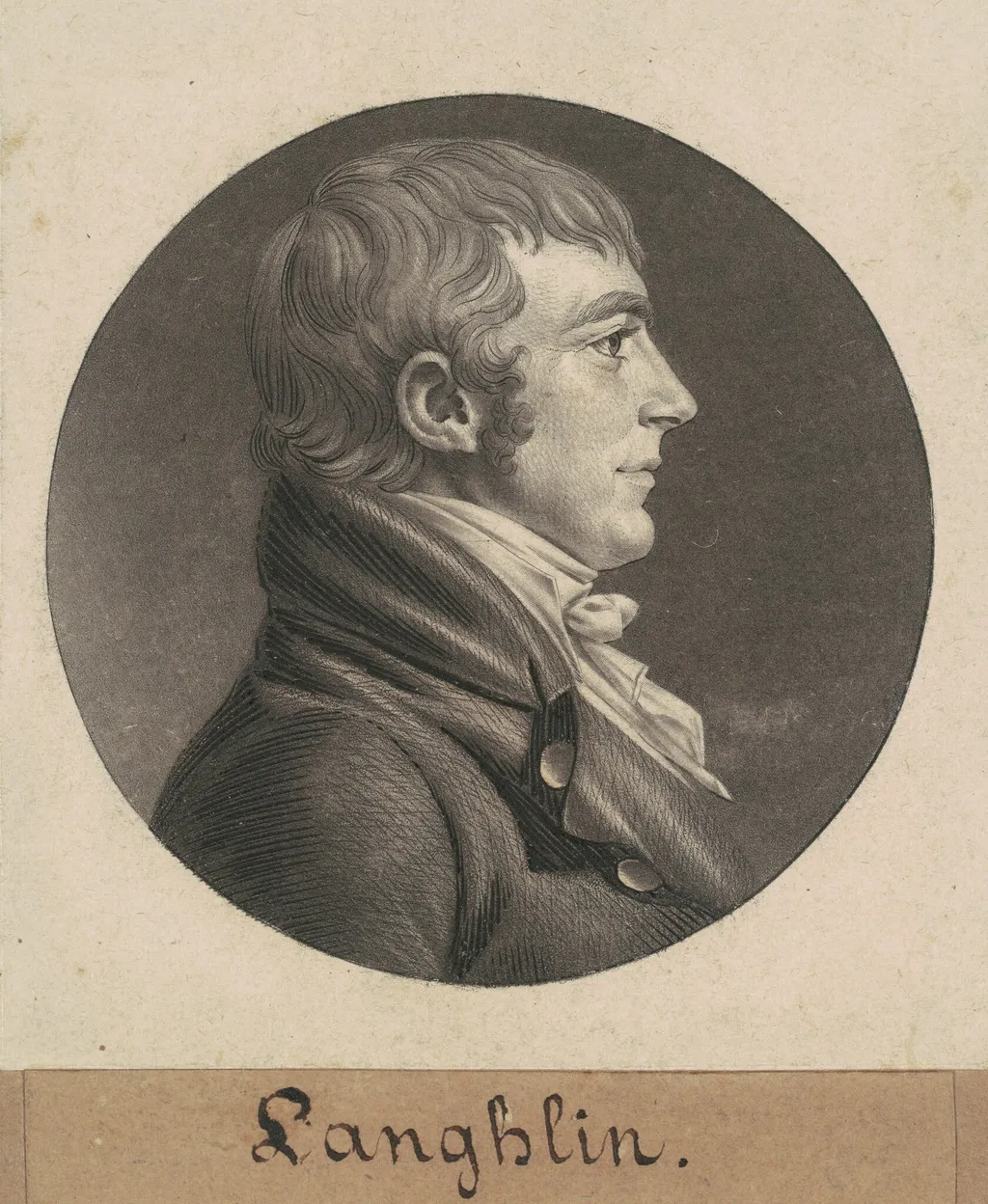
Laughlin is an ink print by the Romanticist artist Charles Balthazar Julien Févret de Saint-Mémin. It dates from 1806 and is held in the collection of the National Gallery of Art.
About this work
Overview
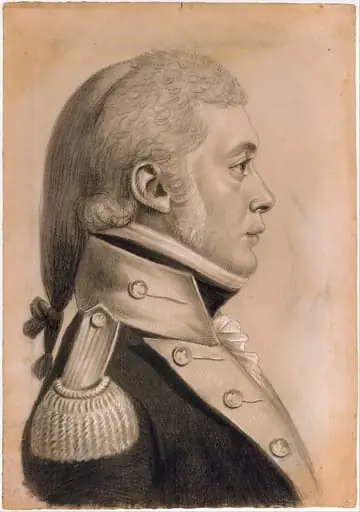
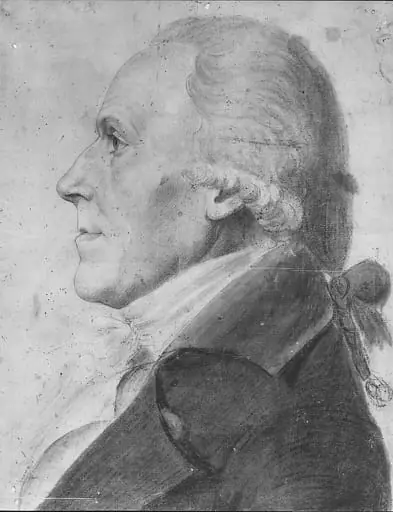
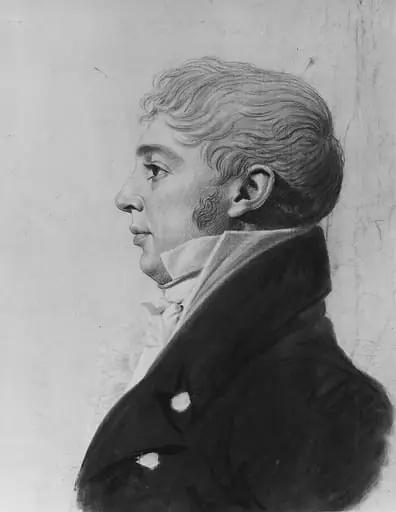
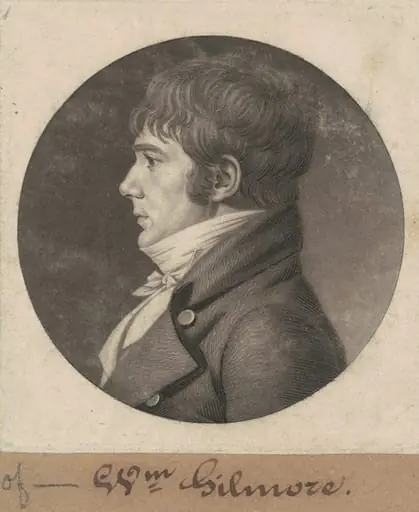
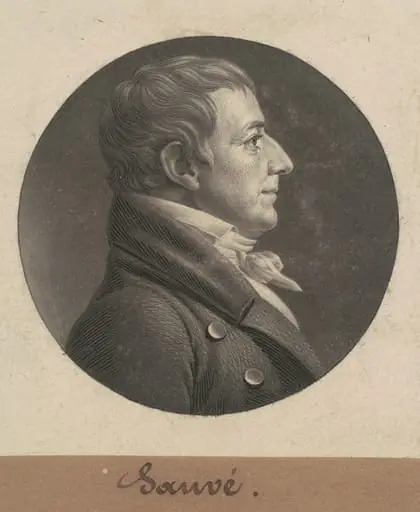
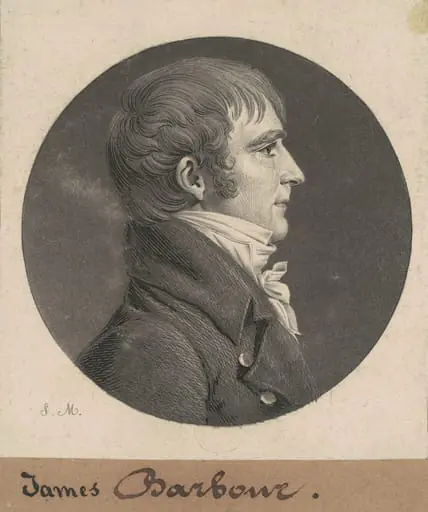
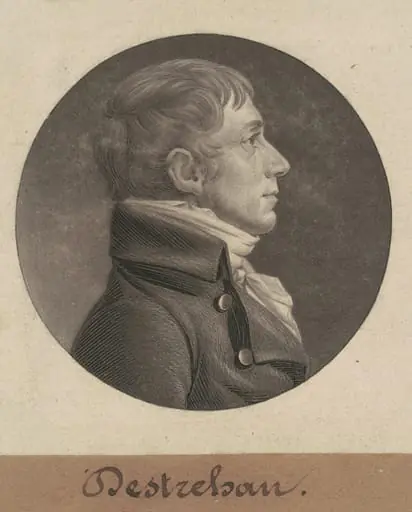
The image portrays a solitary figure dressed in a dark coat with a crisp white collar, his expression composed while his gaze meets the viewer directly.
Created in 1806, this black‑and‑white print combines mezzotint and engraving techniques on wove paper that has been mounted to a brown backing. The image portrays a solitary figure dressed in a dark coat with a crisp white collar, his expression composed while his gaze meets the viewer directly. The work belongs to the Corcoran Collection and exemplifies early nineteenth‑century portraiture in print form.
Subject & Meaning
The sitter is identified as Thomas Laughlin, presented in a formal pose that emphasizes his social standing. The calm demeanor and direct eye contact suggest confidence and authority, typical of portrait conventions that aimed to convey the subject’s character and status through restrained yet deliberate visual cues.
Technique & Style
Févret de Saint‑Mémin employed a hybrid of mezzotint and engraving, using fine cross‑hatching to build tonal variation. Dense clusters of tiny lines generate deep shadows, while more spaced strokes render smooth skin tones, creating a subtle contrast between the illuminated face and the surrounding darkness. This combination yields a nuanced three‑dimensional effect without reliance on color.
History & Provenance
The print was produced by Charles B. J. Févret de Saint‑Mémin, a French artist active in the United States during the early 1800s. After its creation, the work entered the Corcoran Collection, a significant repository of American art, where it remains catalogued as part of the institution’s historic print holdings.
Artist & collection

Artist
Charles Balthazar Julien Févret de Saint-Mémin
Charles Balthazar Julien Févret de Saint-Mémin (French pronunciation: ; 1770–1852) was a French portrait painter and museum director.