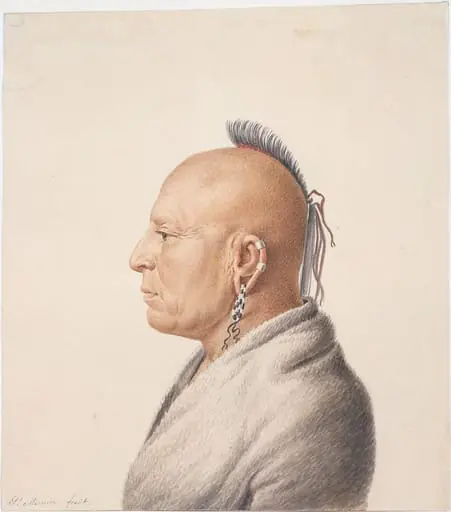
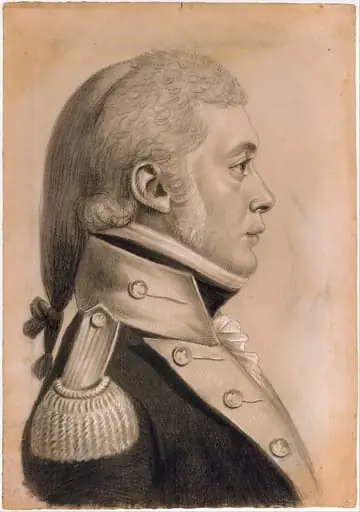
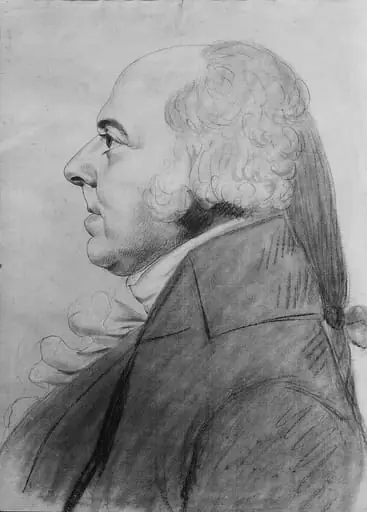
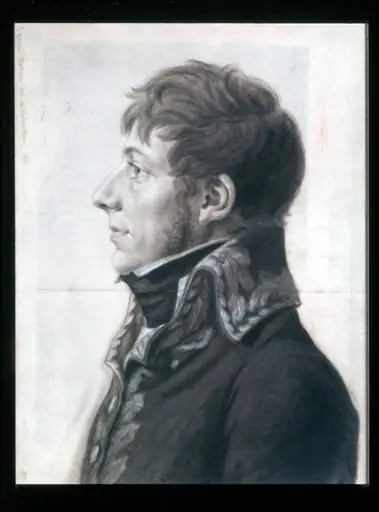
Artwork
Thomas Woods
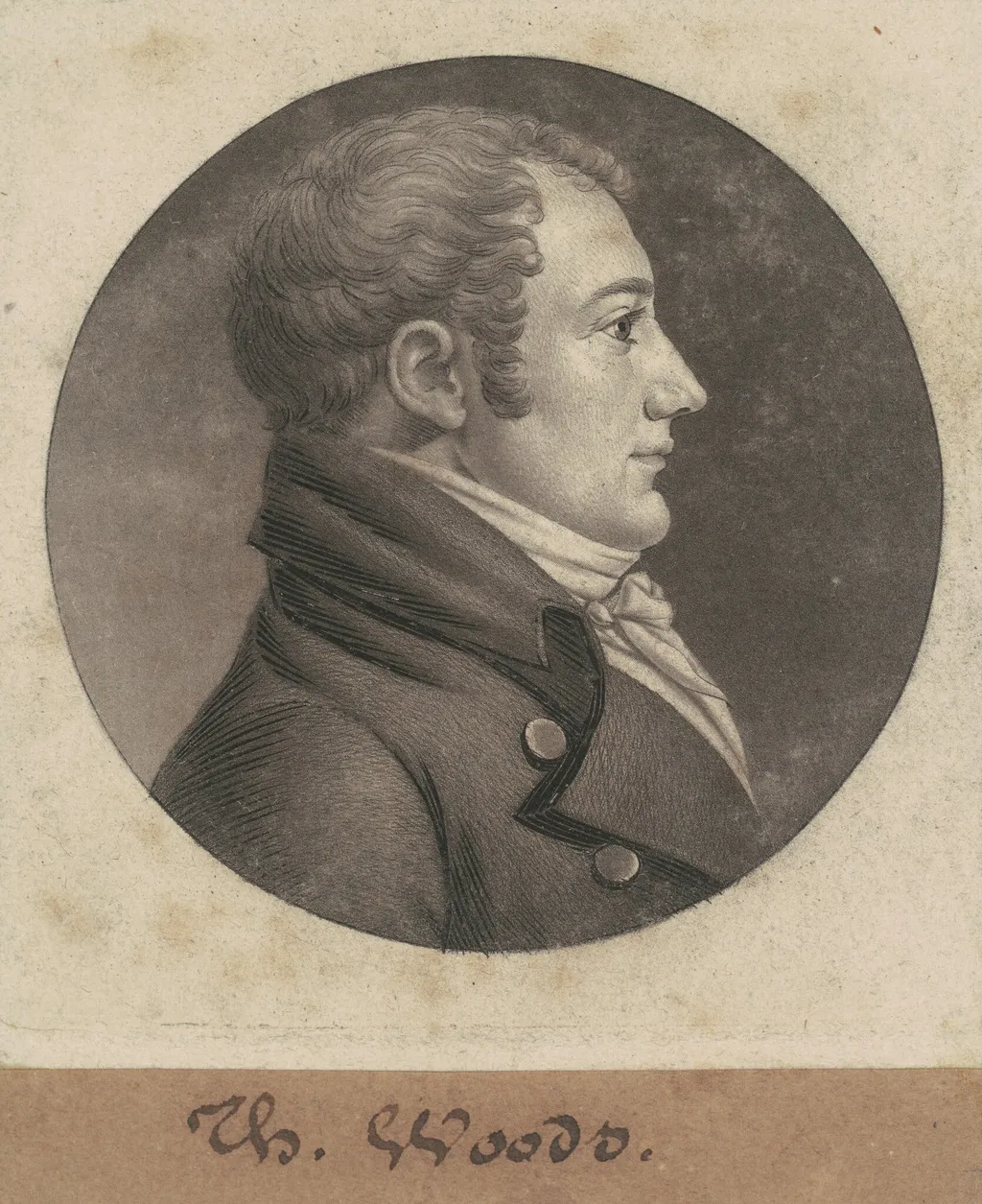
Thomas Woods is an ink print by the Romanticist artist Charles Balthazar Julien Févret de Saint-Mémin. It dates from 1803 and is held in the collection of the National Gallery of Art. Created in 1803 by Charles B.
About this work
Overview
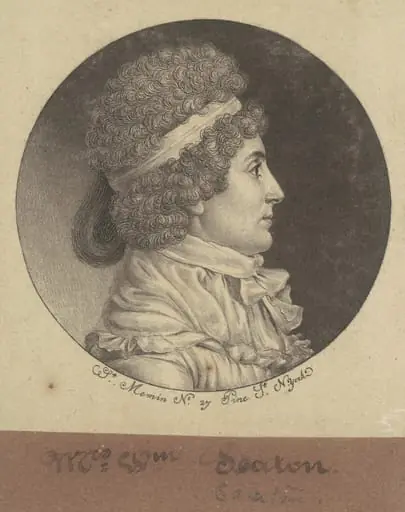
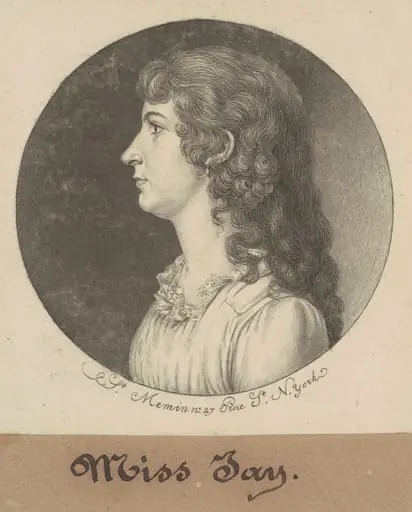
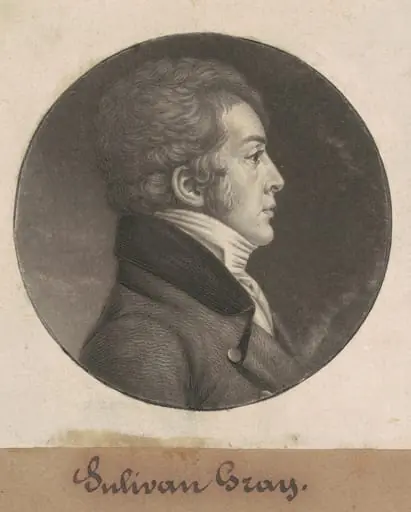
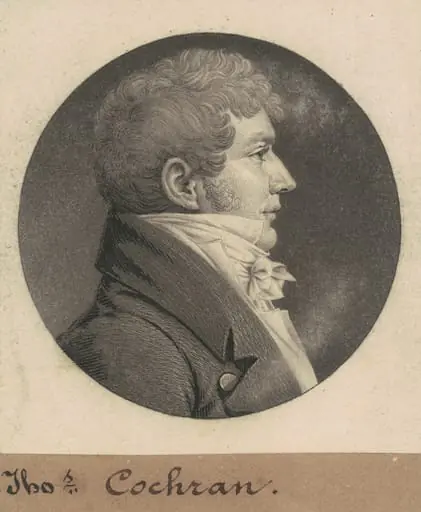
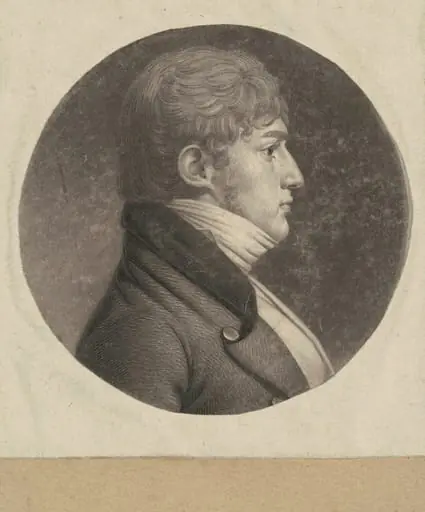
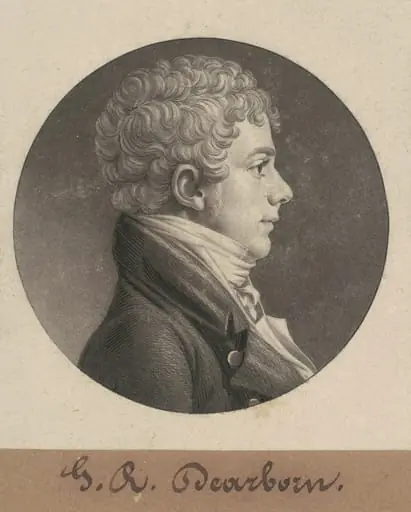
Created in 1803 by Charles B. J. Févret de Saint-Mémin, this small portrait depicts Thomas Woods using mezzotint and engraving techniques on wove paper. The image is mounted on a brown wove paper support, enhancing its tonal depth. Measuring just over five centimeters square, the work exemplifies the precision possible in intimate portrait prints of the early 19th century.
Subject & Meaning
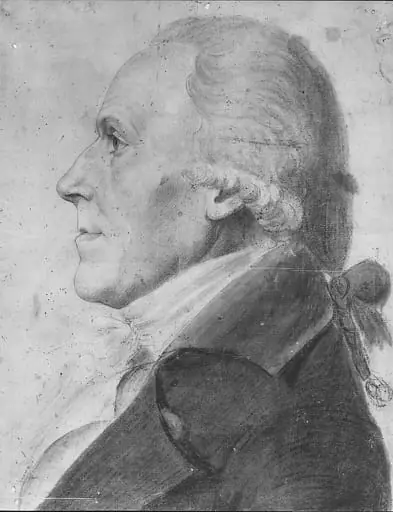
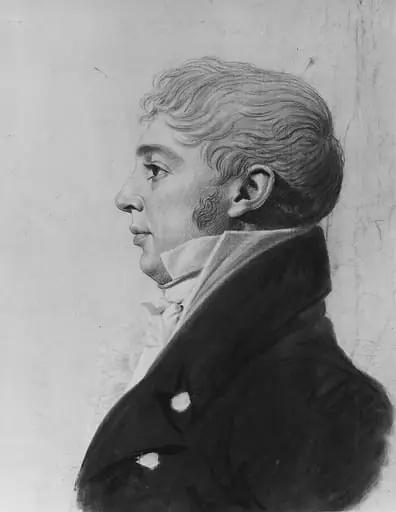
Thomas Woods, a figure of modest historical record, is portrayed with quiet composure. His short, curled hair and high-collared shirt suggest a formal, perhaps professional, demeanor. The calm expression and restrained posture convey dignity without grandeur, reflecting the era’s preference for understated individuality in portraiture rather than theatrical display.
Technique & Style
Févret de Saint-Mémin employed mezzotint to achieve subtle gradations of tone, complemented by fine engraving lines that define texture in the coat and collar. The small scale demands close viewing, revealing intricate details in fabric and facial features. The technique prioritizes tonal richness over bold contrast, characteristic of refined portrait prints of the period.
History & Provenance
The print was produced during Févret de Saint-Mémin’s time in the United States, where he made numerous portraits of prominent individuals. While Thomas Woods’s identity remains obscure, the work is part of a broader series documenting American society. Its preservation on original mounting suggests careful handling and early collector interest.
Context
In early 19th-century America, portrait prints served as accessible alternatives to painted likenesses. Mezzotint, though labor-intensive, allowed for nuanced reproduction of facial character. Févret de Saint-Mémin’s work contributed to a growing culture of personal representation, bridging European techniques with American subjects.
Legacy
This portrait exemplifies the technical mastery of mezzotint in American printmaking. Though Woods himself is not widely remembered, the work endures as a specimen of skilled craftsmanship and a record of everyday individuals captured in a moment of quiet dignity, reflecting the era’s evolving visual culture.
Artist & collection

Artist
Charles Balthazar Julien Févret de Saint-Mémin
Charles Balthazar Julien Févret de Saint-Mémin (French pronunciation: ; 1770–1852) was a French portrait painter and museum director.