Artwork
Unidentified Man
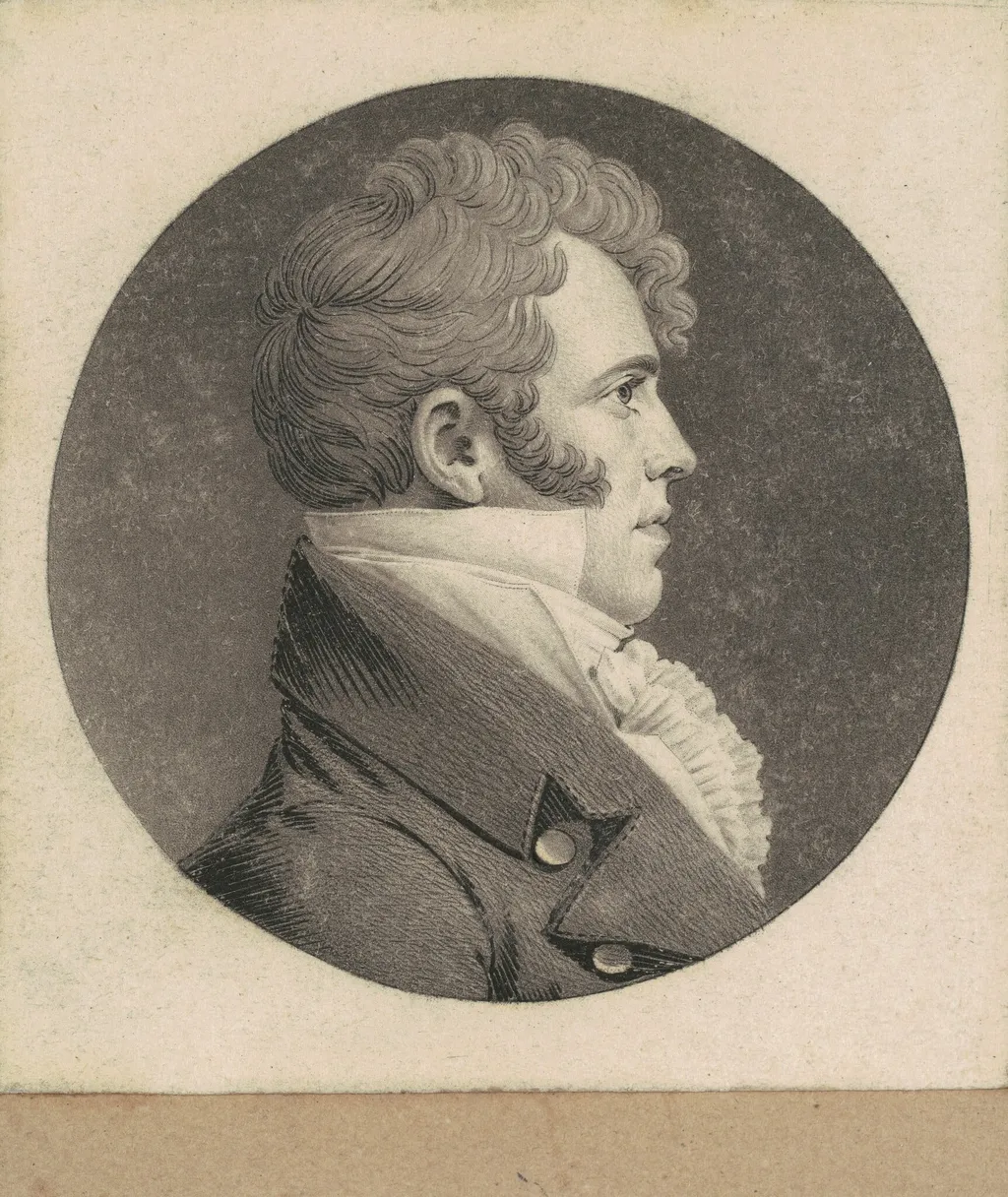
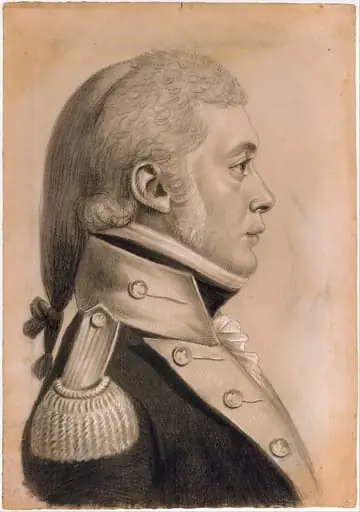
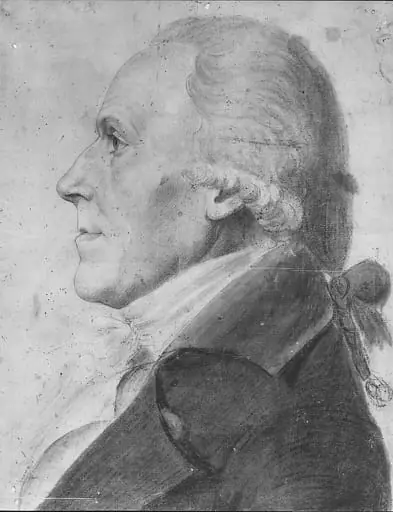
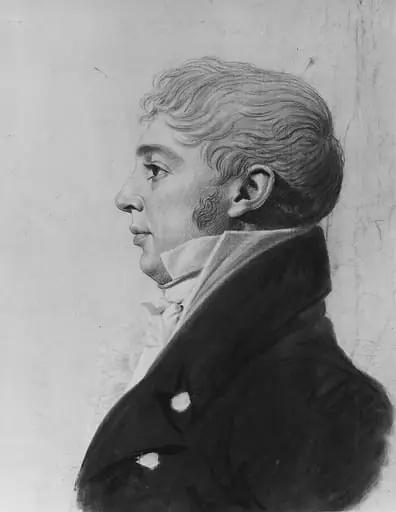
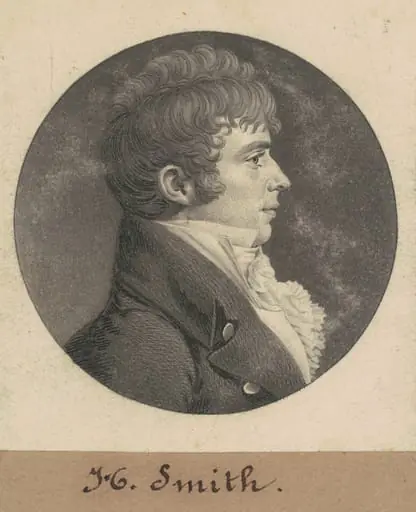
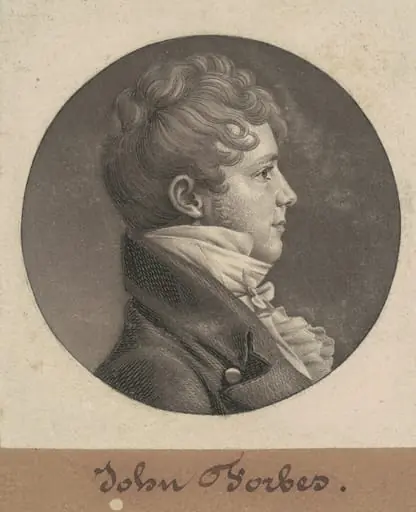
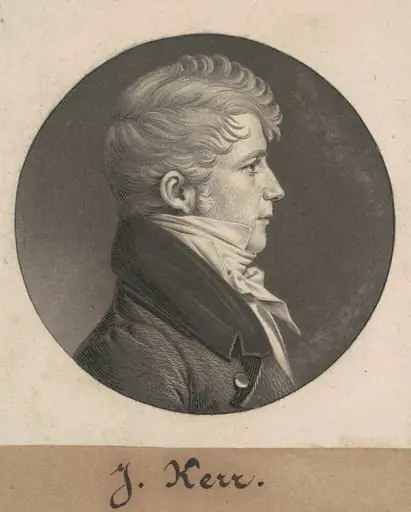
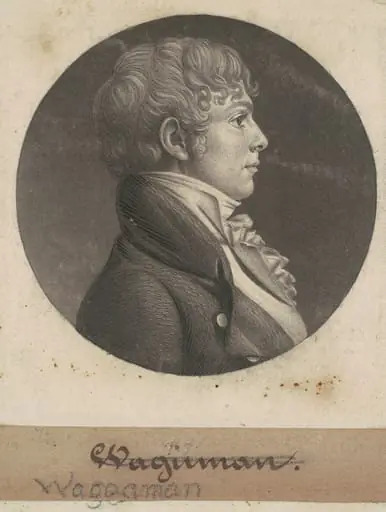
Unidentified Man is an ink print by the Romanticist artist Charles Balthazar Julien Févret de Saint-Mémin. It dates from 1808 and is held in the collection of the National Gallery of Art. Created circa 1800 by Charles B.
About this work
Overview
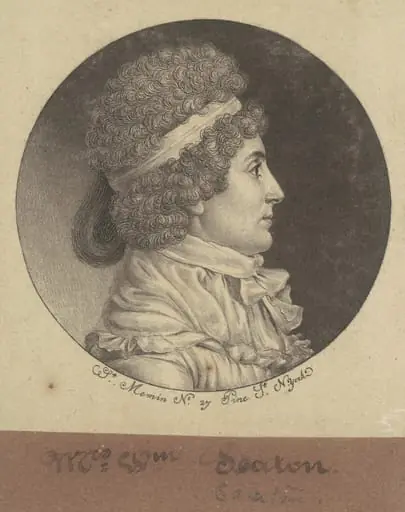
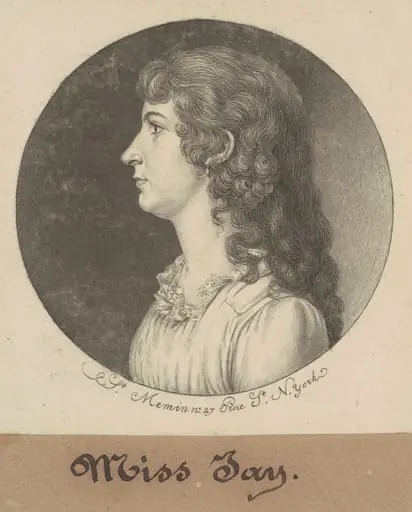
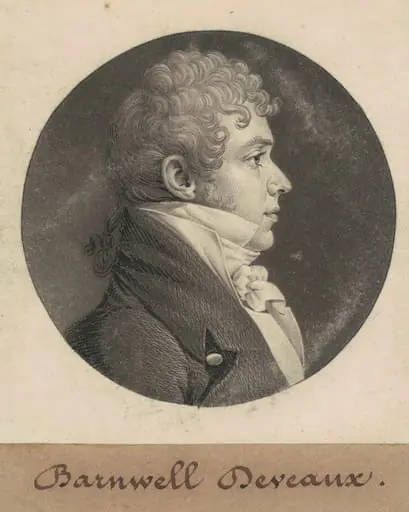
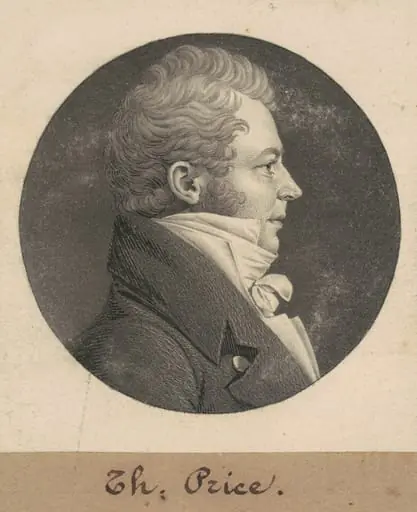
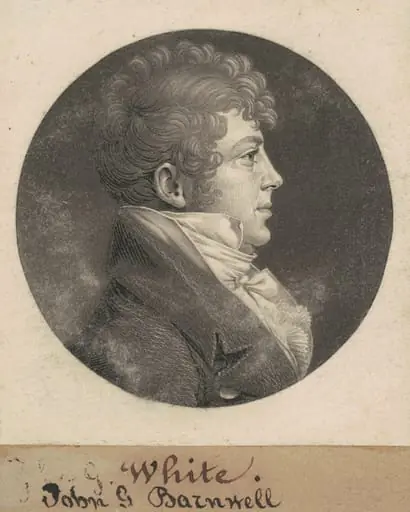
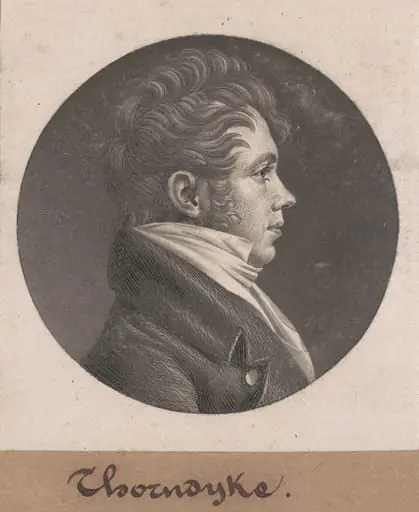
Created circa 1800 by Charles B. J. Févret de Saint‑Mémin, this mezzotint and engraving presents a solitary figure in a compact, circular format. Rendered entirely in black on wove paper that has been mounted to a brown‑toned backing, the print belongs to a series of similarly sized circular portraits, indicating the artist’s focused exploration of this particular shape.
Subject & Meaning
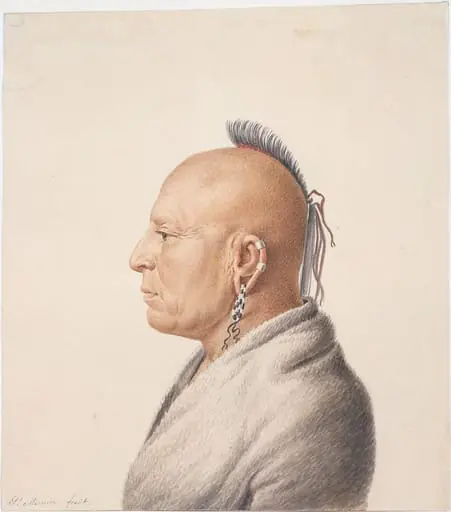
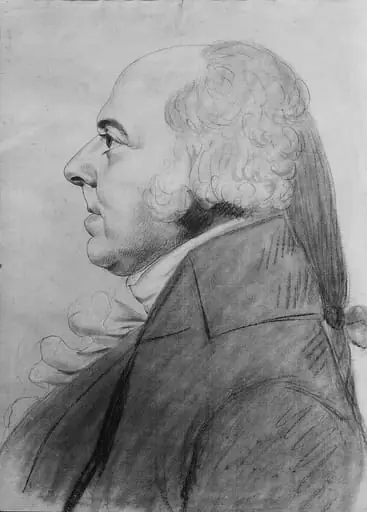
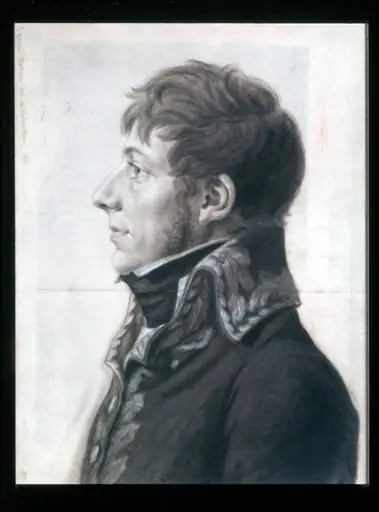
The image captures a man in profile, showing only his head and upper torso. He is dressed in a dark coat complemented by a light cravat, his facial features rendered with careful attention to detail. The straightforward, unadorned presentation suggests a focus on individual likeness rather than narrative context.
Technique & Style
Employing both mezzotint and engraving, the artist achieves a range of tonal values through fine incised lines and subtle gradations of black ink. The use of wove paper provides a smooth surface that enhances the crispness of the lines, while the mounting on brown wove paper adds a muted border that frames the circular image.
History & Provenance
The print is part of a known collection of small circular portraits produced by Saint‑Mémin in the early nineteenth century. Though the sitter remains unidentified, the work has been preserved within institutional holdings, reflecting the period’s interest in portable, affordable portraiture for personal or decorative use.
Artist & collection

Artist
Charles Balthazar Julien Févret de Saint-Mémin
Charles Balthazar Julien Févret de Saint-Mémin (French pronunciation: ; 1770–1852) was a French portrait painter and museum director.