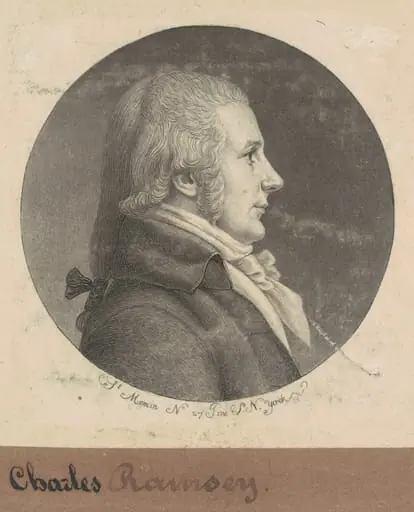
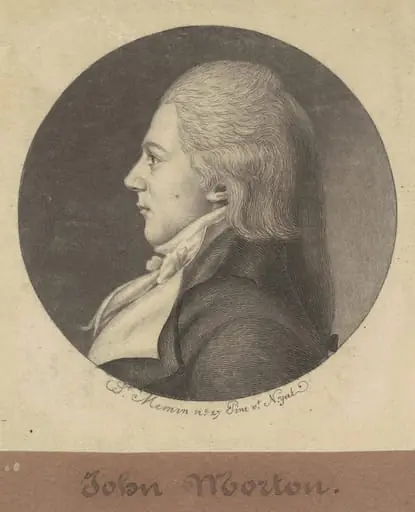
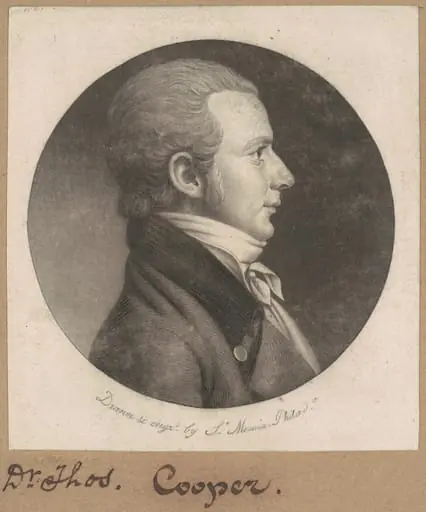
Artwork
Van Staphorst, Jr.
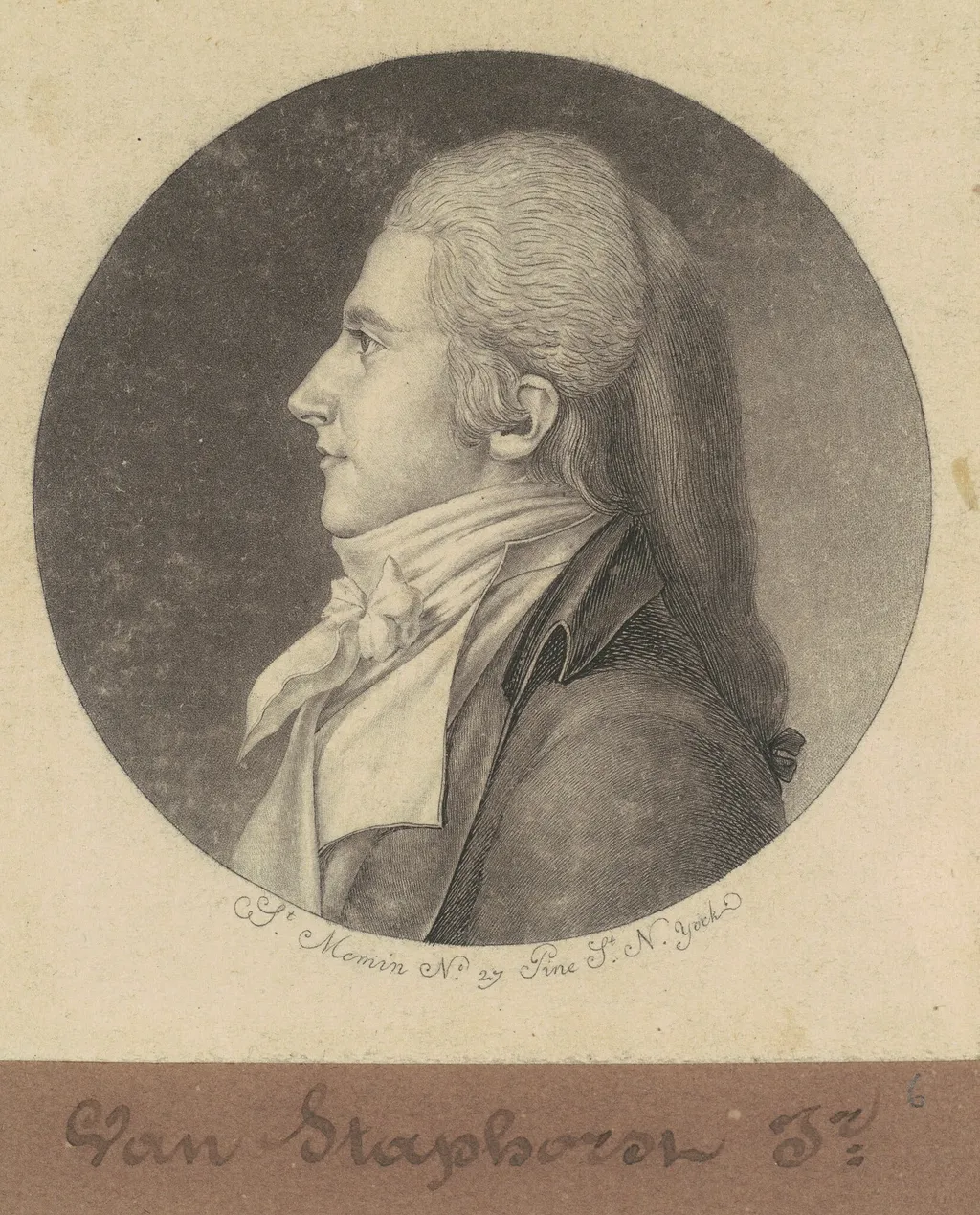
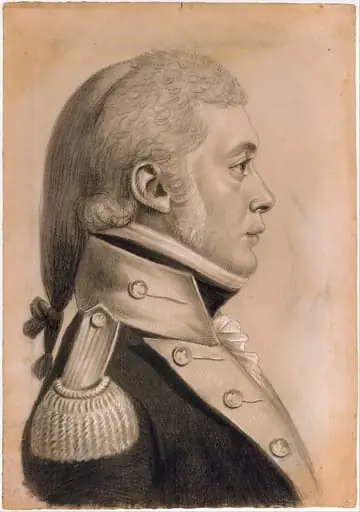
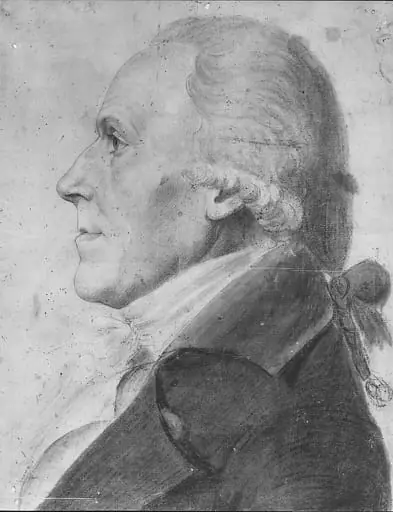
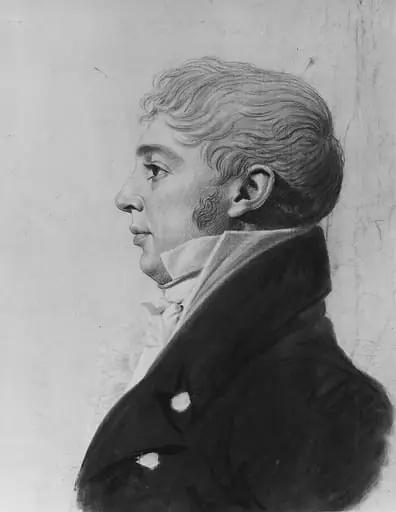
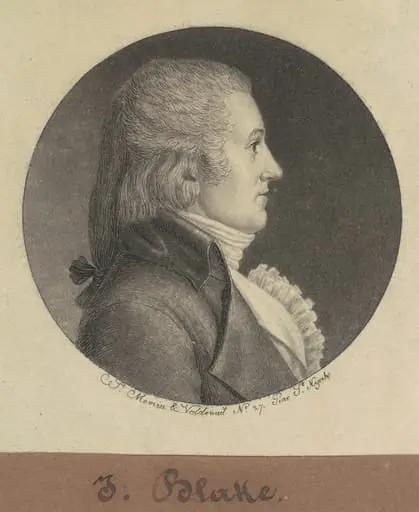
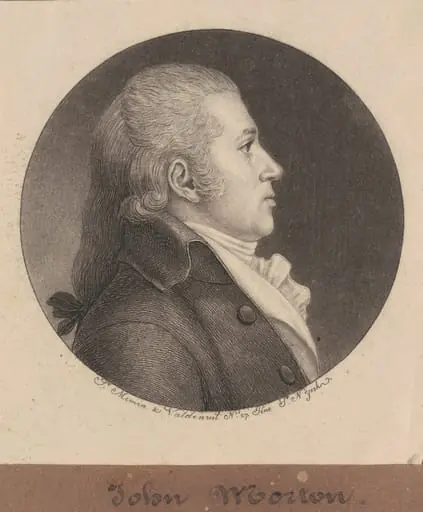
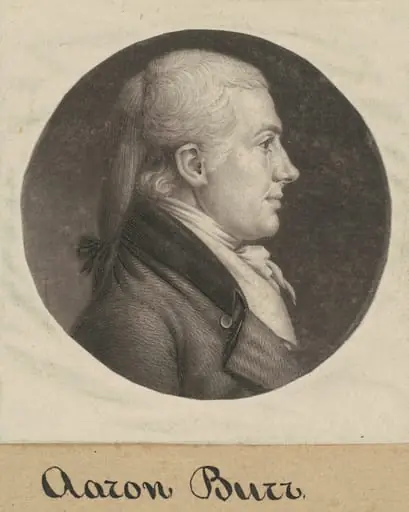
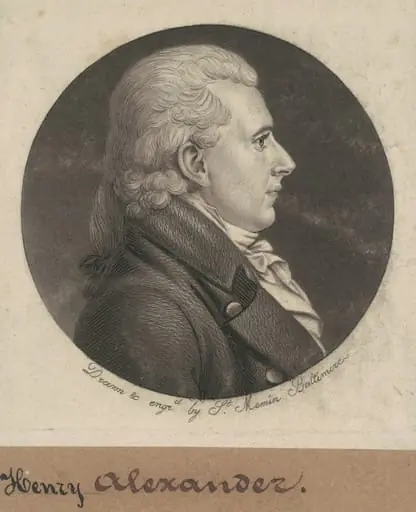
Van Staphorst, Jr. is an ink print by the Romanticist artist Charles Balthazar Julien Févret de Saint-Mémin. It dates from 1797 and is held in the collection of the National Gallery of Art. Created in 1797, this small black-and-white print depicts the upper torso of a man in profile.
About this work
Overview
Created in 1797, this small black-and-white print depicts the upper torso of a man in profile. Executed in mezzotint and engraving on wove paper, it is mounted on a slightly darker brown support. Measuring just over five centimeters square, the work is part of the Corcoran Collection, reflecting its origin as one of many portrait studies produced during the artist’s time in the United States.
Subject & Meaning
Rendered with restrained formality, his expression is composed and unadorned, suggesting a quiet dignity.
The subject is identified as Van Staphorst, Jr., a Dutch-American merchant active in the late 18th century. Rendered with restrained formality, his expression is composed and unadorned, suggesting a quiet dignity. The portrait functions less as a personal likeness and more as a record of social presence, typical of the era’s interest in documenting civic figures through precise, reproducible imagery.
Technique & Style
The artist employed mezzotint to achieve subtle tonal gradations, particularly in the rendering of the man’s coat and skin. Fine cross-hatching adds depth and texture, while engraving defines sharp contours such as the collar and jawline. The combination of techniques allows for both soft modeling and crisp detail, characteristic of Saint-Mémin’s method in capturing likeness with minimal means.
History & Provenance
The print was made during Charles B. J. Févret de Saint-Mémin’s residency in the United States, where he produced hundreds of portrait plates for prominent individuals. This work entered the Corcoran Collection in the 19th century and remained there until the collection’s dispersal. Its small scale suggests it was intended for private ownership or inclusion in a bound album of likenesses.
Context
In the 1790s, portrait prints like this served as affordable alternatives to painted likenesses, especially among the emerging merchant class. Saint-Mémin’s technique aligned with Enlightenment ideals of documentation and order. His work reflects a broader trend in American visual culture, where portraiture became a tool for establishing identity and status through reproducible images.
Legacy
Saint-Mémin’s portrait prints, including this one, remain significant for their technical precision and historical record. Though not widely exhibited today, they are studied as examples of early American graphic art and as artifacts of social documentation. Their survival in institutional collections underscores their role in preserving the visual presence of lesser-known figures from the period.
Artist & collection

Artist
Charles Balthazar Julien Févret de Saint-Mémin
Charles Balthazar Julien Févret de Saint-Mémin (French pronunciation: ; 1770–1852) was a French portrait painter and museum director.