Artwork
John Morton
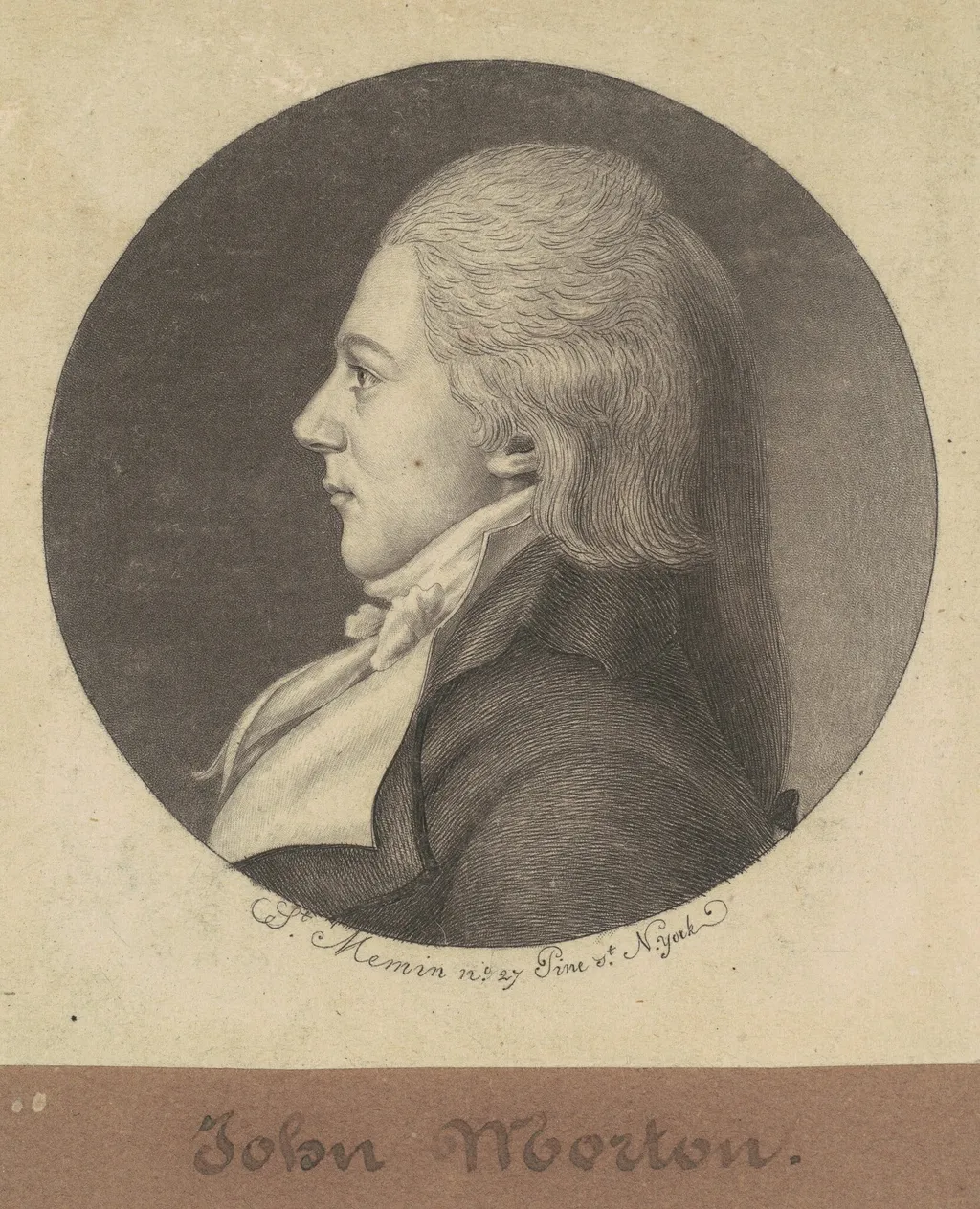
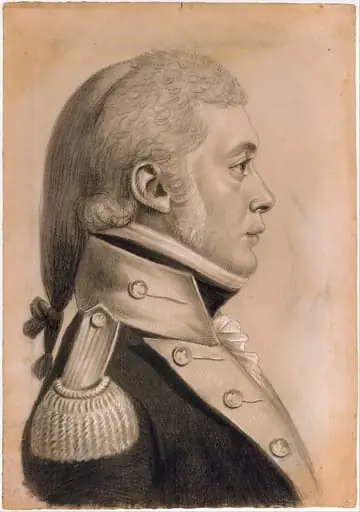
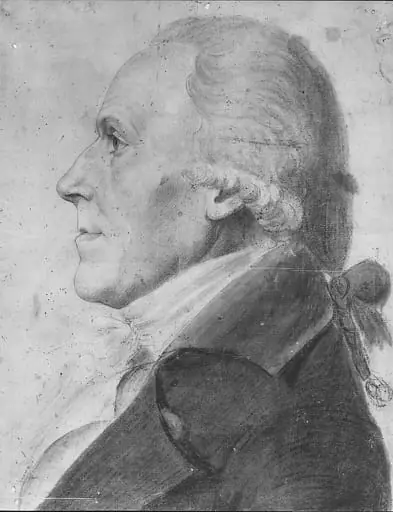
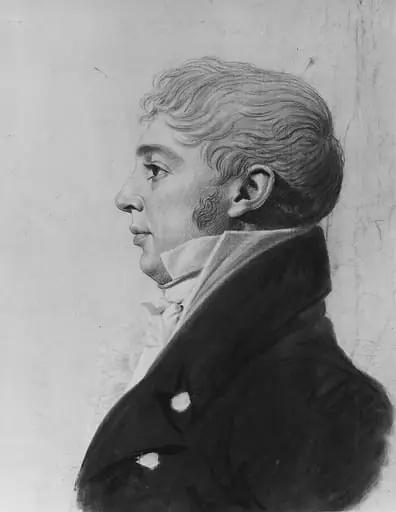
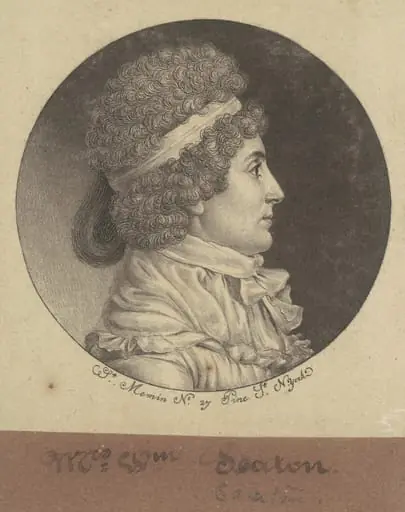
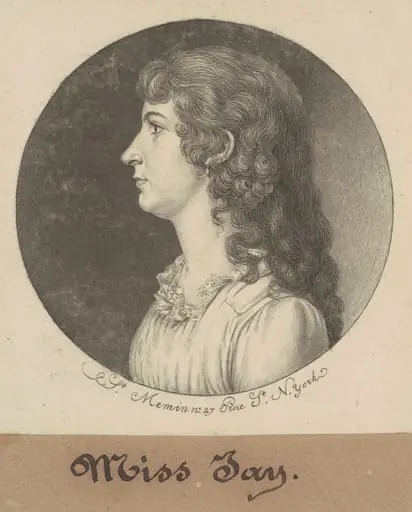
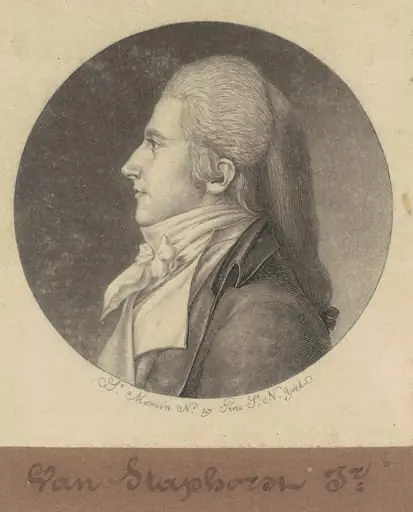
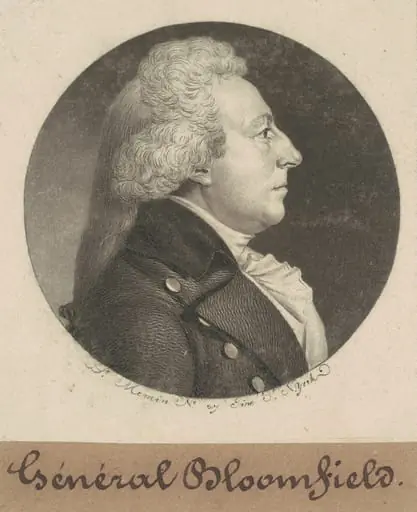
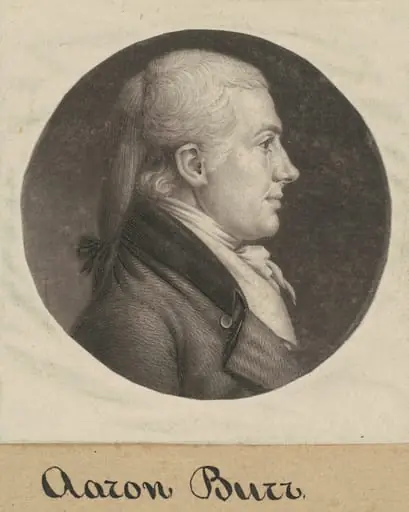
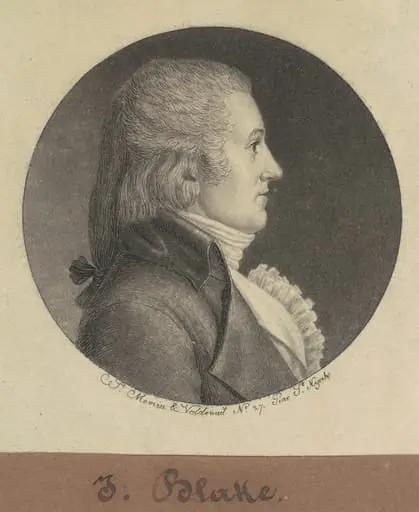
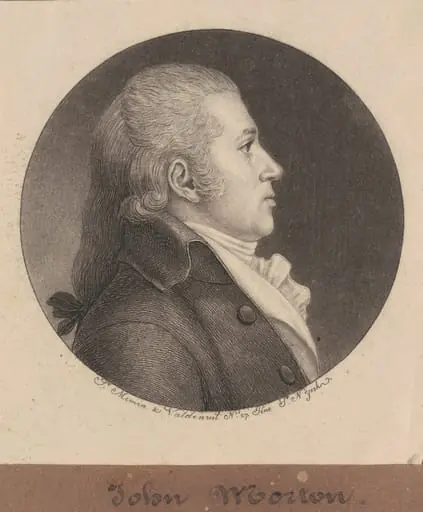
John Morton is an ink print by the Romanticist artist Charles Balthazar Julien Févret de Saint-Mémin. It dates from 1797 and is held in the collection of the National Gallery of Art.
About this work
Overview
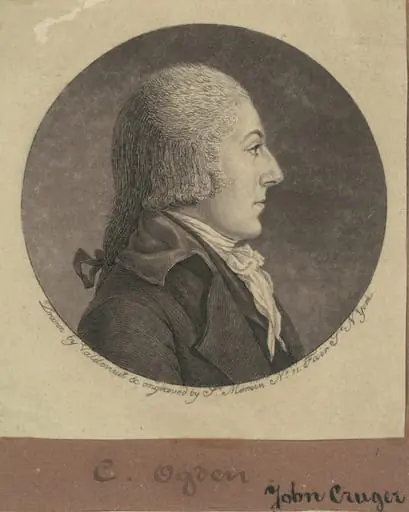
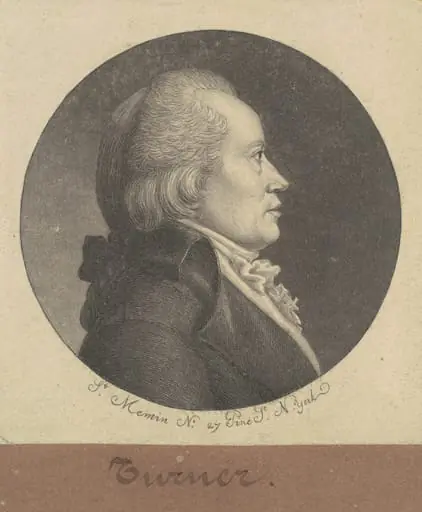
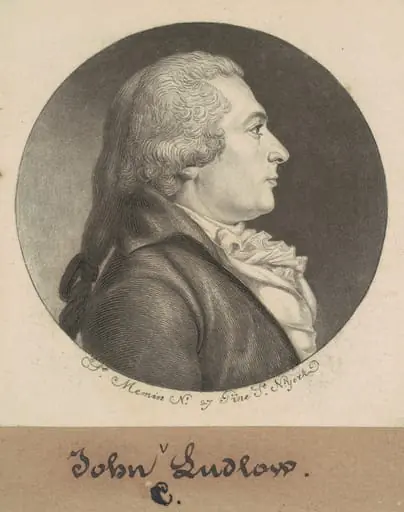
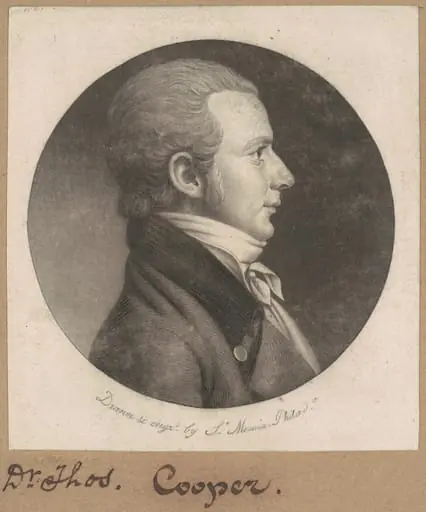
The work titled “John Morton” is a black‑and‑white print created by combining mezzotint and engraving techniques on wove paper, which has been affixed to a brown wove backing. It presents a single figure in profile, looking toward the right, rendered with fine detail against an unadorned background.
Subject & Meaning
The image depicts a man identified by the title as John Morton, shown in a classic profile pose that emphasizes the contours of his face and head. The straightforward composition suggests a focus on the individual’s likeness and status rather than narrative content.
Technique & Style
The artist employed both mezzotint—a method that produces rich tonal gradations—and line engraving, which involves incising lines into the plate. The interplay of these processes yields a nuanced range of shadows and crisp outlines, highlighting the printmaker’s command of tonal modeling within a monochrome medium.
History & Provenance
The print is catalogued as a work by Thomas Rodman, with a reference to Charles B. J. Févret de Saint‑Mémin, indicating possible collaboration or influence. It is mounted on brown wove paper, a common archival practice for preserving delicate prints.
Context
Printed in the era when mezzotint and engraving were prominent for portraiture, the piece reflects the 18th‑century demand for reproducible images of notable individuals. Its restrained background aligns with contemporary conventions that foreground the sitter’s features.
Artist & collection

Artist
Charles Balthazar Julien Févret de Saint-Mémin
Charles Balthazar Julien Févret de Saint-Mémin (French pronunciation: ; 1770–1852) was a French portrait painter and museum director.