Artwork
William Duane
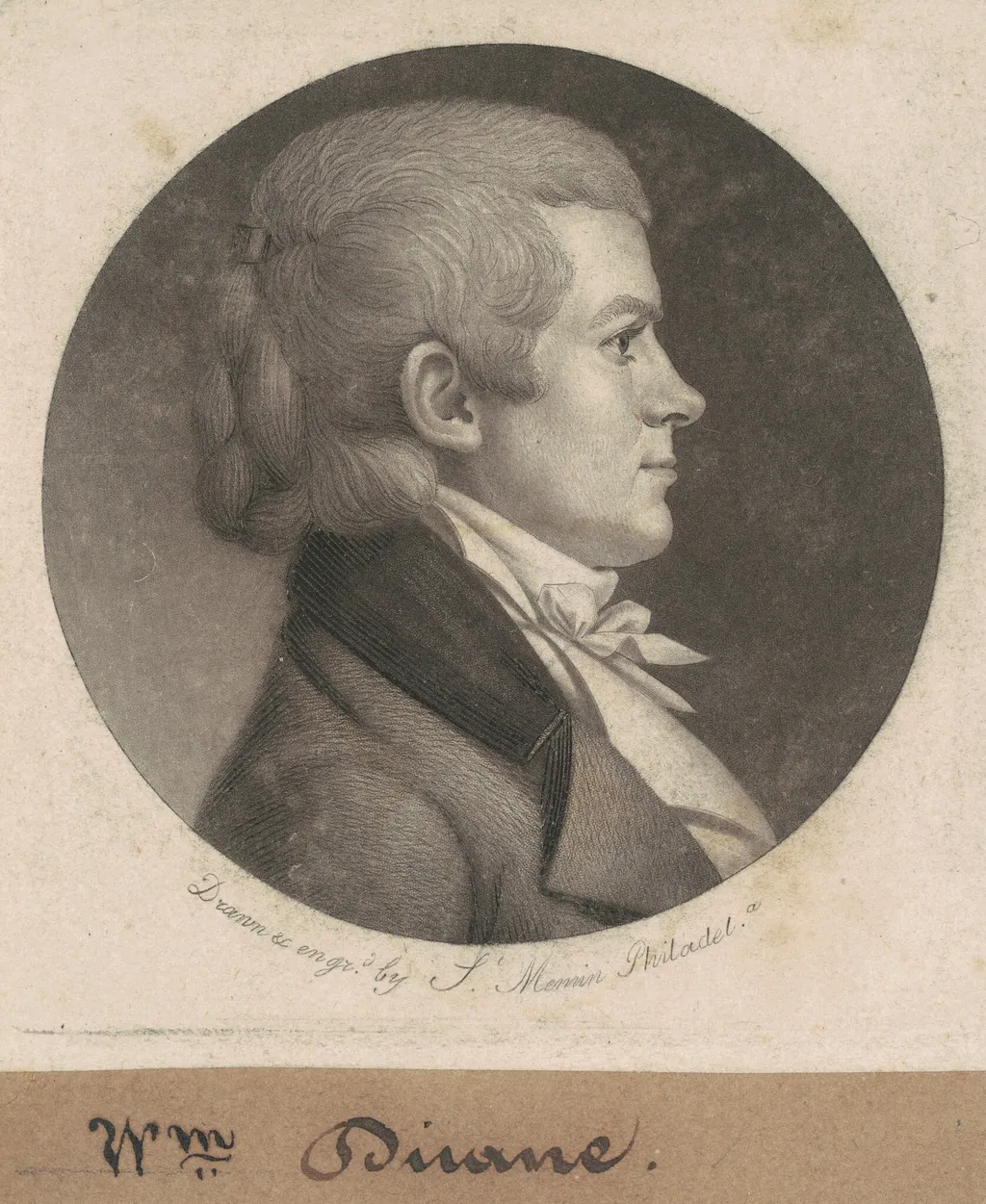
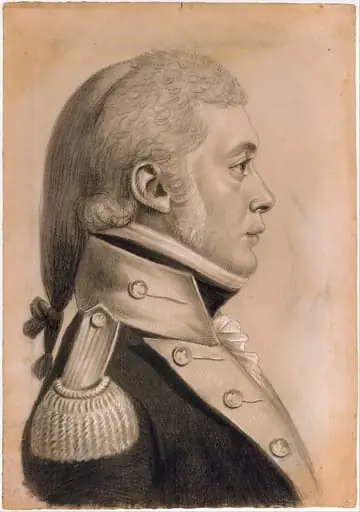
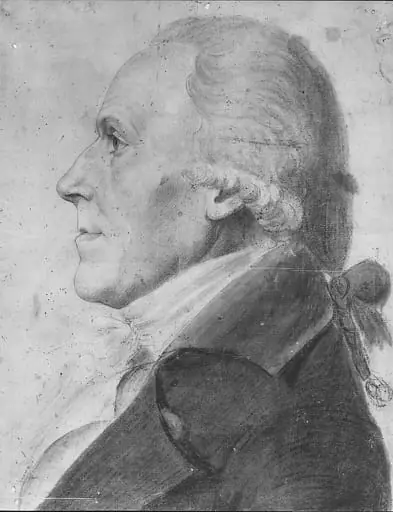
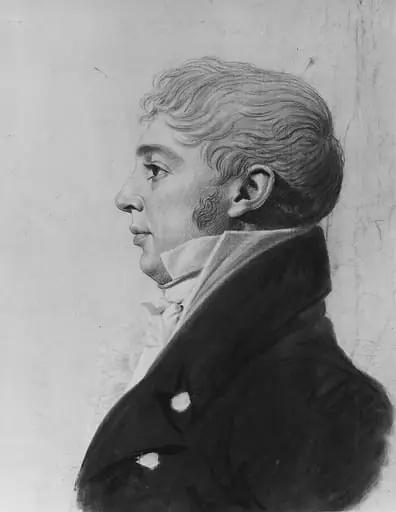
William Duane is an ink print by the Romanticist artist Charles Balthazar Julien Févret de Saint-Mémin. It dates from 1802 and is held in the collection of the National Gallery of Art. Created in 1802 by Charles B.
About this work
Overview
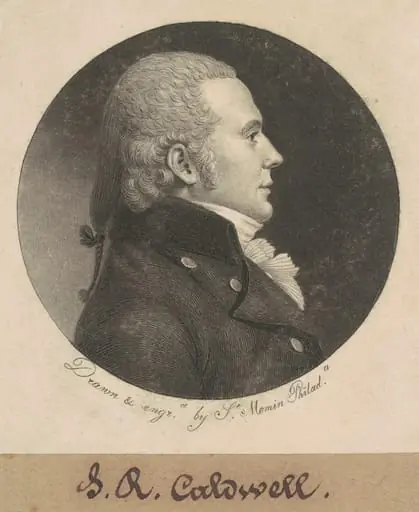
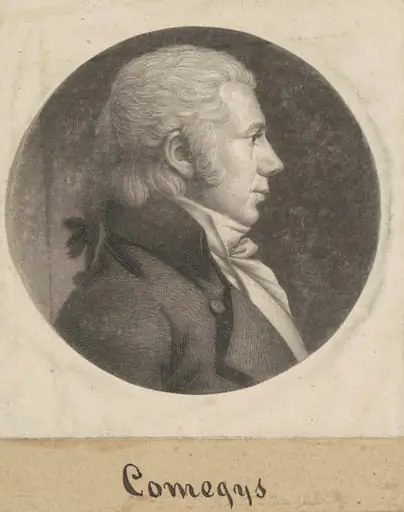
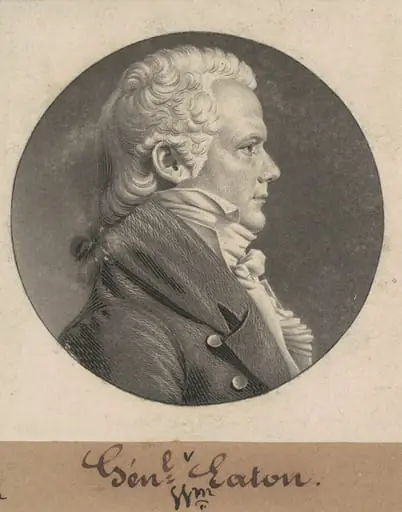
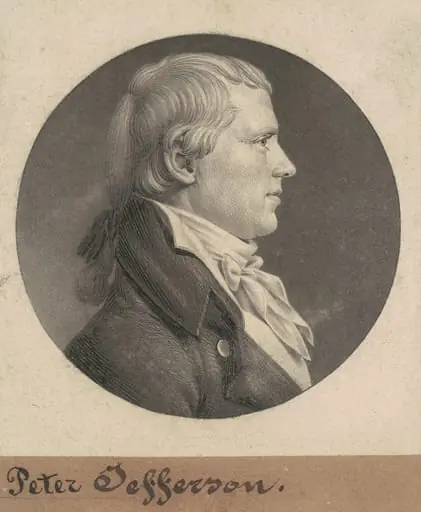
Created in 1802 by Charles B. J. Févret de Saint‑Mémin, this black‑ink mezzotint and engraving portrays journalist William Duane in profile. Executed on wove paper that is mounted to a brown‑toned backing, the work measures the head and shoulders, emphasizing a calm, composed demeanor. It belongs to the National Portrait Gallery’s collection of early‑American portraiture.
Subject & Meaning
The image captures Duane, a prominent early‑19th‑century American editor, in a restrained profile that conveys intellectual seriousness. The lack of background and focus on facial features suggest an intent to highlight his personal character and professional gravitas rather than narrative context.
Technique & Style
The piece combines mezzotint’s tonal richness with fine engraving lines, allowing subtle gradations of light and shadow across the subject’s hair and cheekbones. Executed on wove paper, the surface supports delicate detail, while the mounting on brown paper provides a muted frame that enhances the contrast of the black ink.
History & Provenance
Commissioned shortly after Duane’s arrival in the United States, the print entered the National Portrait Gallery’s holdings in the early 20th century through a donation from a private collector. Its documentation traces back to Saint‑Mémin’s studio records, confirming the 1802 date and original medium.
Context
Saint‑Mémin, a French émigré artist, was known for his portrait prints of American figures during the post‑Revolutionary period. This work aligns with his broader series of political and cultural leaders, reflecting the transatlantic exchange of artistic techniques and the emerging American public sphere.
Artist & collection

Artist
Charles Balthazar Julien Févret de Saint-Mémin
Charles Balthazar Julien Févret de Saint-Mémin (French pronunciation: ; 1770–1852) was a French portrait painter and museum director.