Artwork
William Turner
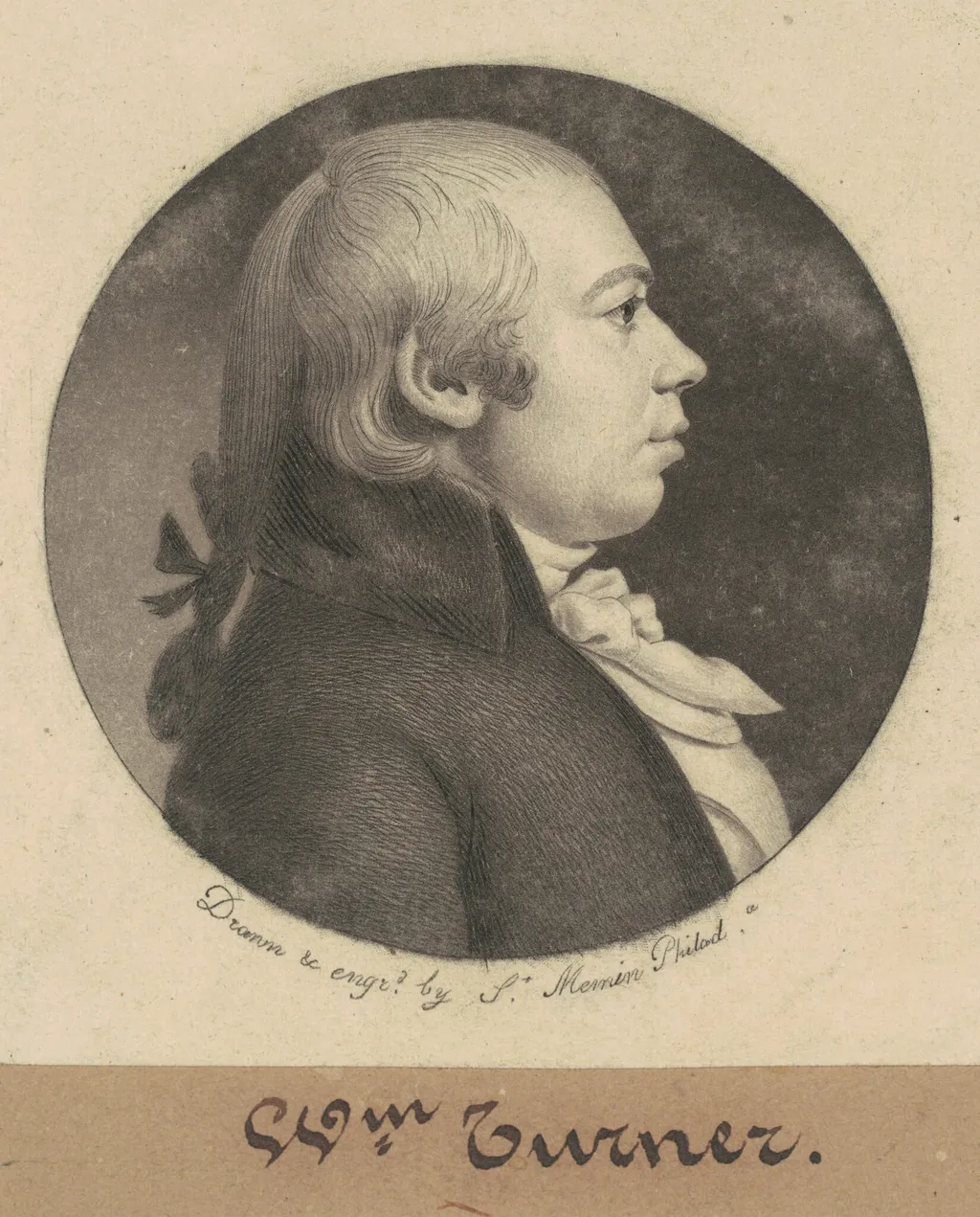
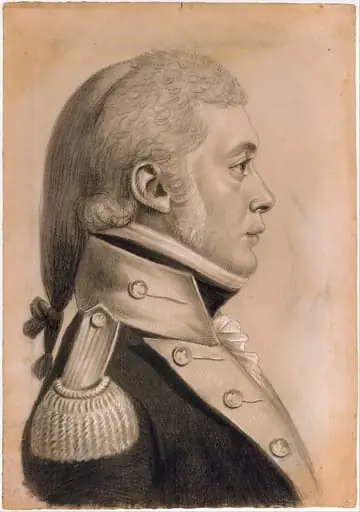
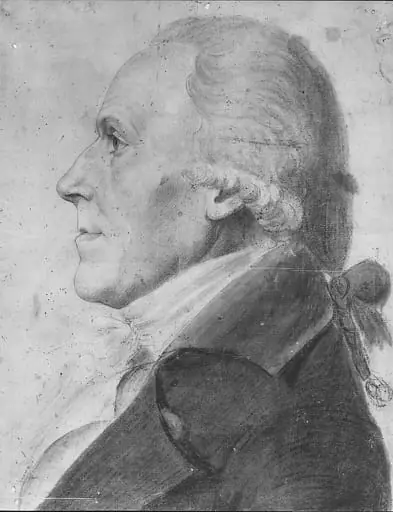
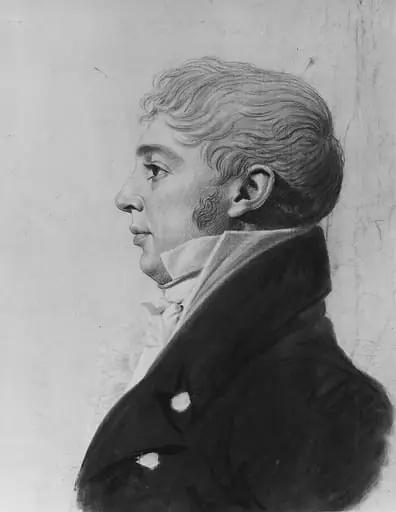
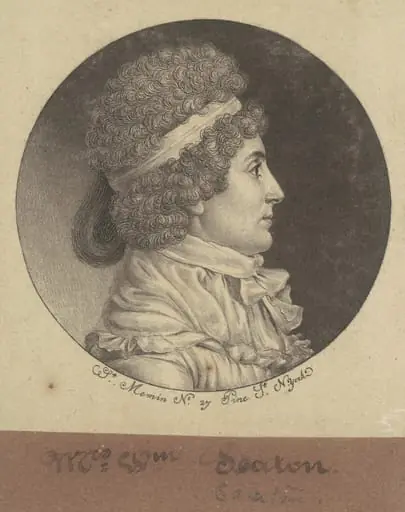
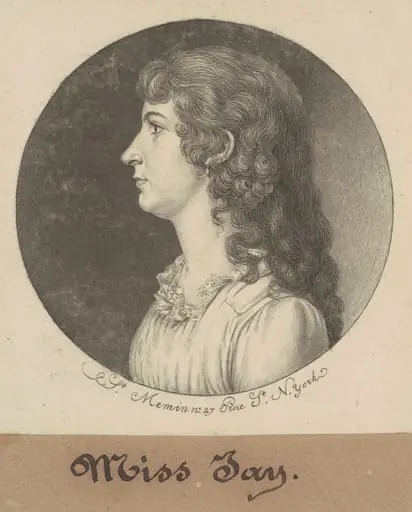
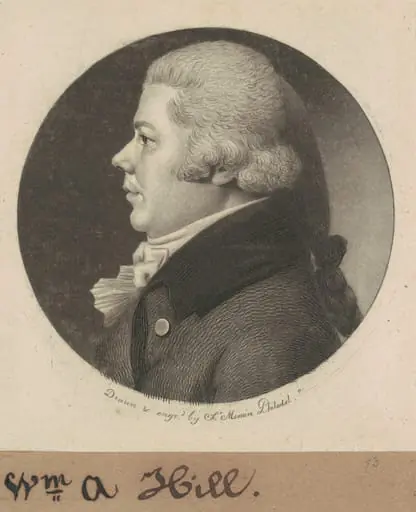
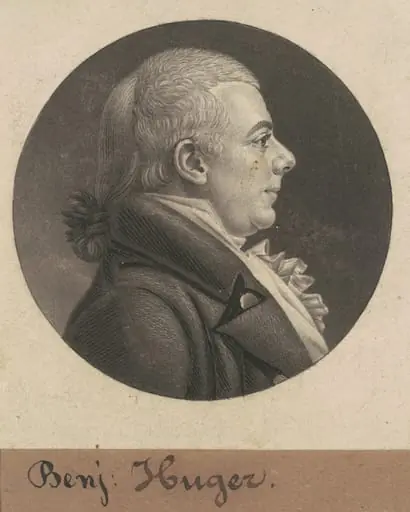
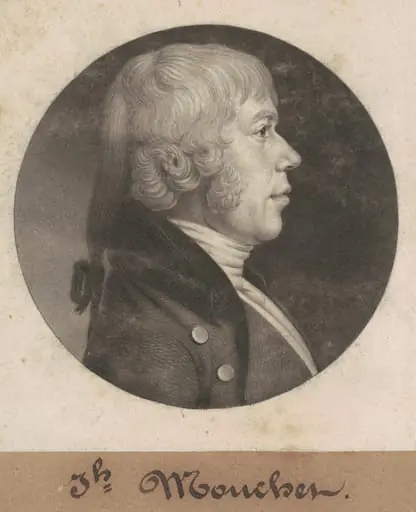
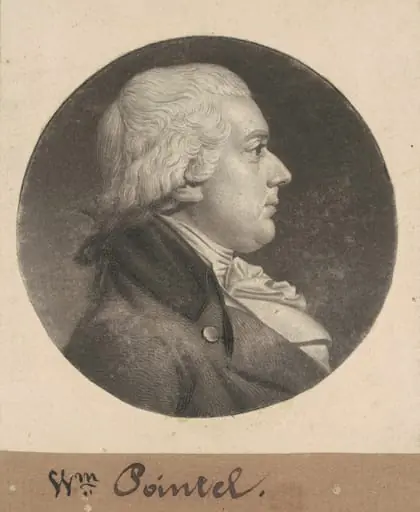
William Turner is an ink print by the Romanticist artist Charles Balthazar Julien Févret de Saint-Mémin. It dates from 1800 and is held in the collection of the National Gallery of Art. This 1800 print is a mezzotint and engraving by Charles B.
About this work
Overview
The work is held in the Smithsonian National Portrait Gallery, where it serves as a documented example of early American portraiture in print form.
This 1800 print is a mezzotint and engraving by Charles B. J. Févret de Saint-Mémin, depicting the American artist William Turner. Executed in black ink on wove paper and mounted to a brown wove support, it belongs to Saint-Mémin’s broader series of portrait prints. The work is held in the Smithsonian National Portrait Gallery, where it serves as a documented example of early American portraiture in print form.
Subject & Meaning
The portrait captures William Turner in quiet contemplation, his gaze directed to the left, away from the viewer. The absence of contextual elements focuses attention on his expression and presence. As a portrait of a lesser-known figure from the early republic, the image functions as a record of individual identity rather than a statement of status or achievement, reflecting the modest scope of its subject’s public recognition.
Technique & Style
Saint-Mémin employed mezzotint to achieve subtle tonal gradations, using a rocker to texture the plate with fine dots and dashes that hold ink and produce deep blacks. The surface is then smoothed selectively to create lighter areas, resulting in a luminous effect on Turner’s face without the use of color. The engraving adds crisp linear detail to the hair and clothing, contrasting with the soft, atmospheric modeling of the skin.
History & Provenance
The portrait is part of Saint-Mémin’s collection of over 150 portraits produced between 1796 and 1802, commissioned to document prominent Americans. It was likely made during his time in Philadelphia or Washington, D.C., where he worked with sitters from intellectual and artistic circles. The print entered the Smithsonian’s collection through institutional acquisitions of early American graphic materials.
Context
In the early 19th century, mezzotint was a favored medium for portraiture in the United States due to its ability to render fine detail and tonal depth without color. Saint-Mémin, a French émigré, brought European printmaking techniques to America, adapting them to document a new national elite. Turner’s portrait reflects this cultural moment, when visual records of individuals were becoming tools of historical preservation.
Legacy
Though William Turner himself is not widely remembered, this print endures as a representative example of Saint-Mémin’s systematic portrait project. It illustrates the technical skill required in mezzotint and the role of printmaking in shaping early American visual culture. The work remains a reference point for scholars studying the intersection of art, identity, and documentation in the young republic.
Artist & collection

Artist
Charles Balthazar Julien Févret de Saint-Mémin
Charles Balthazar Julien Févret de Saint-Mémin (French pronunciation: ; 1770–1852) was a French portrait painter and museum director.