Artwork
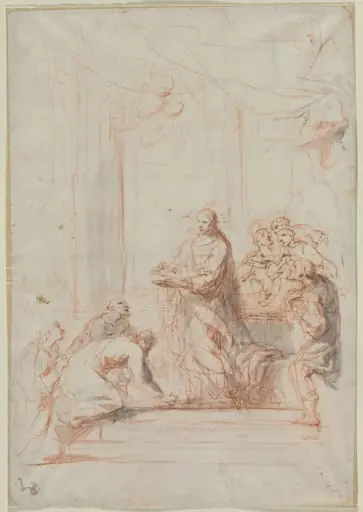
Adonias Imploring the Grace of Solomon or Jeroboam Kneeling before Rehoboam
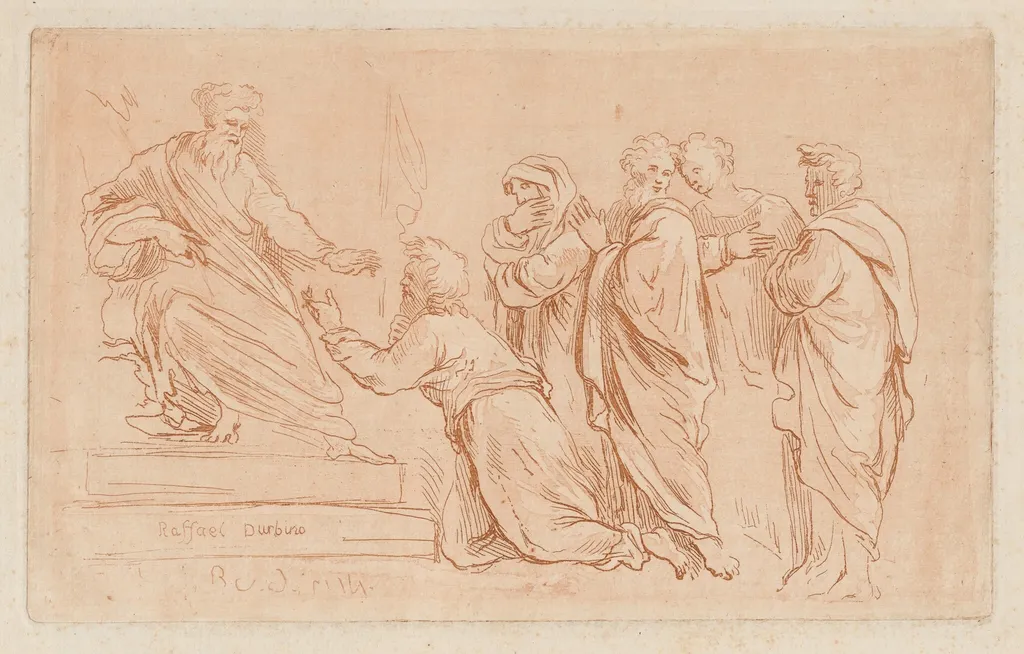
Adonias Imploring the Grace of Solomon or Jeroboam Kneeling before Rehoboam is an ink print by the Romanticist artist Charles-Paul-Jean-Baptiste de Bourgevin Vialart de Saint-Morys. It dates from 1782 and is held in the collection of the National Gallery of Art.
About this work
Overview
Adonias Imploring the Grace of Solomon or Jeroboam Kneeling before Rehoboam is an 18th-century etching and aquatint print on laid paper, executed in brown hues. Created circa 1782 by Charles-Paul-Jean-Baptiste de Bourgevin Vialart de Saint-Morys, the work is part of the collection at the National Gallery of Art in Washington.
Subject & Meaning
The print depicts a dramatic biblical scene featuring a kneeling figure, likely Adonias or Jeroboam, seeking mercy from a authoritative figure on a raised platform, possibly Solomon or Rehoboam. The composition conveys a moment of supplication and power dynamics.
Technique & Style
Characterized by loose, quick lines, the etching exhibits a sketchy, unfinished appearance. Printed in brown with subtle shading, the technique blends etching and aquatint. Notably, the artist signed the work under the pseudonym *Raffael Durbino*, a nod to Raphael in a lighthearted, fictitious attribution.
History & Provenance
Created around 1782 by French artist Charles-Paul-Jean-Baptiste de Bourgevin Vialart de Saint-Morys, the print is now held in the permanent collection of the National Gallery of Art in Washington, D.C.
Context
This etching reflects 18th-century European interest in biblical themes and the artistic techniques of the time, particularly the combination of etching and aquatint for expressive, nuanced prints.
Legacy
While not widely recognized as a seminal work, it contributes to the broader understanding of late 18th-century etching practices and the artistic playfulness of the era, as seen in its pseudonymous attribution.
Artist & collection
Artist
Charles-Paul-Jean-Baptiste de Bourgevin Vialart de Saint-Morys
Charles-Paul-Jean-Baptiste de Bourgevin Vialart de Saint-Morys (1743–1795) was an artist.

![Joseph and His Brother in Egypt [verso], by Italian 17th Century](https://artifactworldgallery.com/img/italian-17th-century--joseph-and-his-brother-in-egypt-verso--86cfb4fbb2662a76-w320.webp) Joseph and His Brother in Egypt [verso]
Joseph and His Brother in Egypt [verso]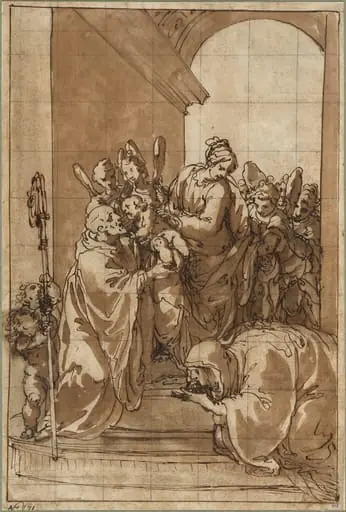 Madonna and Child with Angels, Saint Benedict, and Saint Scholastica
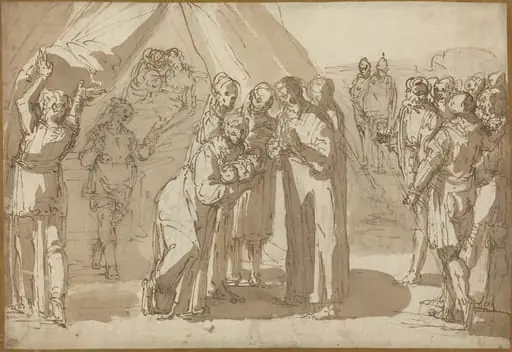 Birth Scene
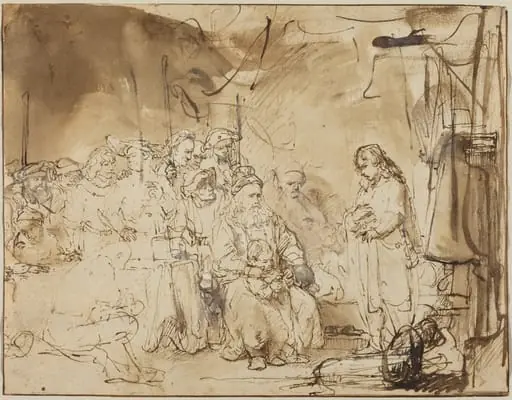 Joseph Recounting His Dreams
![The Adoration of the Magi [recto], by Donato Creti](https://artifactworldgallery.com/img/donato-creti--the-adoration-of-the-magi-recto--2cfd5d76b55e821e-w320.webp) The Adoration of the Magi [recto]
The Adoration of the Magi [recto]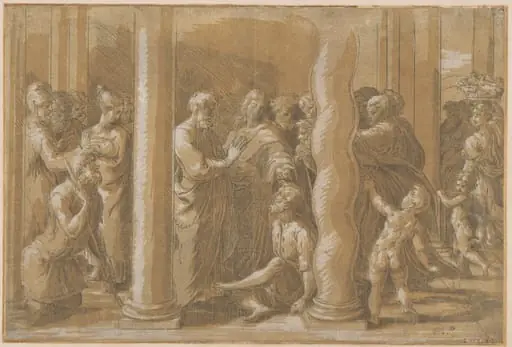 Saints Peter and John Healing the Lame Man at the Golden Gate
 Scenes from the Life of Saint Peter
 Saint Zenobius Resuscitating a Child
 Joseph Revealing Himself to His Brothers in Egypt
 Saint John Preaching
 Christ Administering the Host