Artwork
Parable of the Workers in the Vineyard
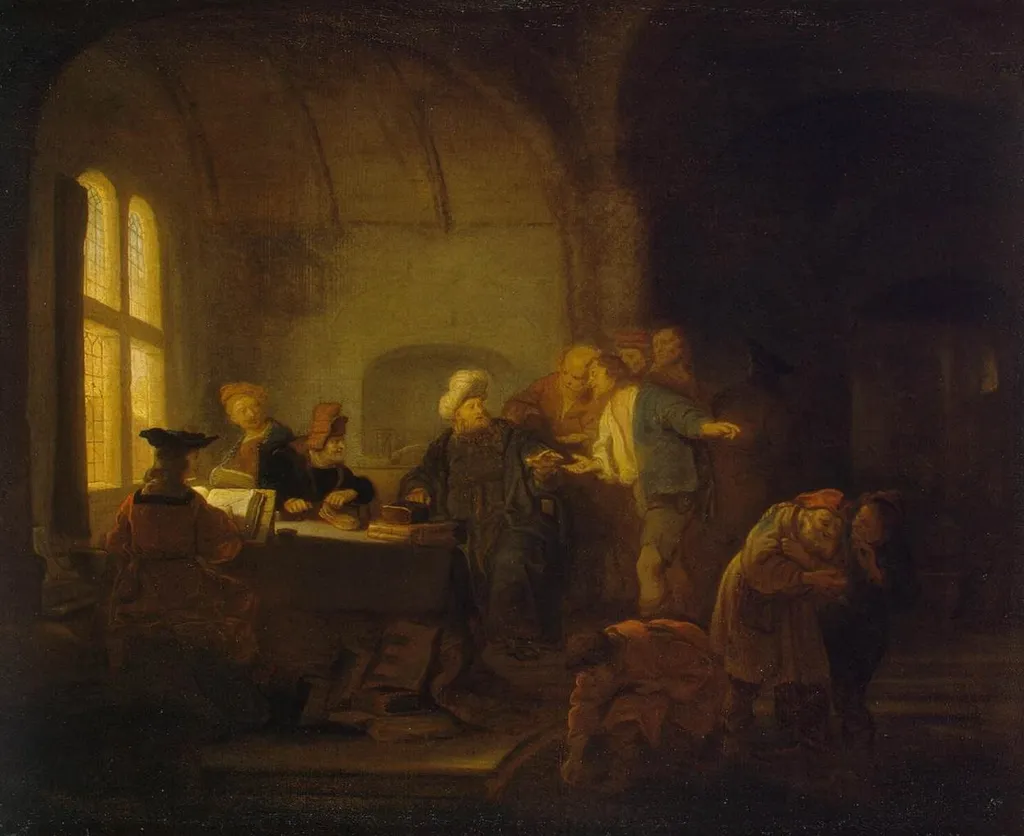
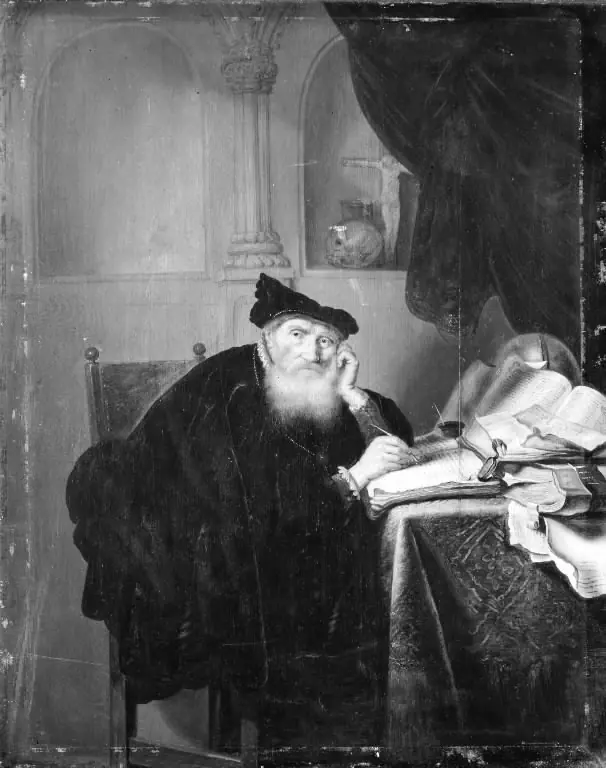
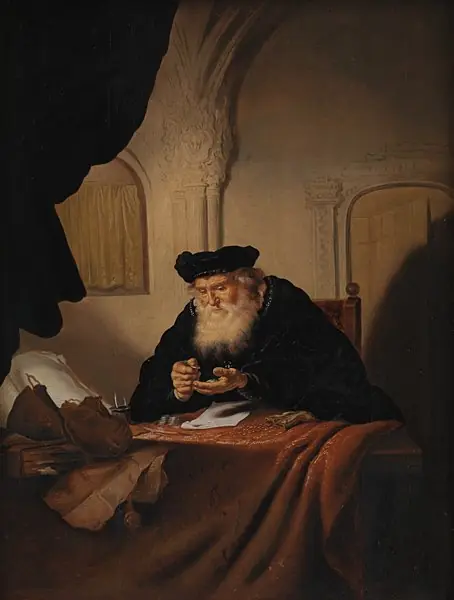
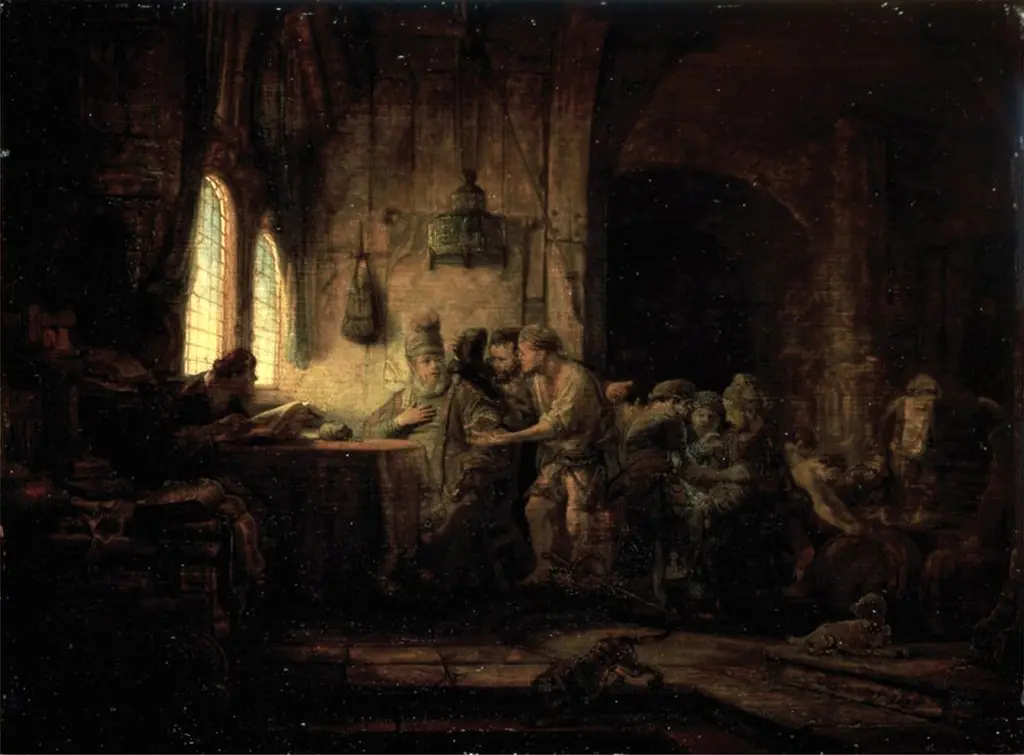
Parable of the Workers in the Vineyard is an oil painting by the Dutch Golden Age artist Salomon Koninck. It dates from 1640 and is held in the collection of the Hermitage Museum.
About this work
Overview
The painting’s quiet intensity and controlled lighting reflect the visual language of the Dutch Golden Age, blending spiritual narrative with everyday realism.
Painted in 1640 by Salomon Koninck, this oil-on-canvas work illustrates a biblical parable from the Gospel of Matthew. Koninck, a Dutch artist trained in Amsterdam and connected to Rembrandt’s circle, focused on intimate religious and genre scenes. The painting’s quiet intensity and controlled lighting reflect the visual language of the Dutch Golden Age, blending spiritual narrative with everyday realism.
Subject & Meaning
The scene depicts the moment when laborers hired at different hours of the day receive equal pay, a story illustrating divine grace beyond human notions of fairness. A central figure, possibly the landowner, gestures toward a small object—perhaps coins—while others react with surprise or contemplation. Those seated apart, one with head in hand, suggest disillusionment or quiet resignation, emphasizing the parable’s tension between justice and mercy.
Technique & Style
Koninck employs chiaroscuro to model forms and direct attention, using a single source of warm light from a stained-glass window to illuminate faces and hands. The rough stone walls and textured fabrics are rendered with subtle brushwork, enhancing the scene’s tactile realism. The composition avoids theatricality, favoring a restrained, almost documentary approach that grounds the sacred in the ordinary.
History & Provenance
The painting entered the collection of the State Hermitage Museum in St. Petersburg, where it remains today. Its journey to Russia is undocumented, but its presence there suggests acquisition during the 18th or early 19th century, possibly through European art markets or diplomatic exchanges. Koninck’s works were relatively modest in circulation compared to his contemporaries, making this piece a rare surviving example of his religious output.
Context
In 17th-century Holland, religious subjects were often rendered in domestic settings to align with Protestant sensibilities that discouraged overt ecclesiastical imagery. Koninck’s choice to depict a biblical parable in a humble interior reflects this cultural shift. His work resonates with contemporaries like Rembrandt, who similarly used light and psychological nuance to convey moral depth without grandeur.
Legacy
Though Koninck is less widely known today, this painting exemplifies the Dutch Golden Age’s capacity to infuse sacred texts with human intimacy. Its understated composition and emotional restraint influenced later genre painters who sought to convey spiritual themes through quiet, everyday moments. The work endures as a quiet testament to the power of subtlety in visual storytelling.
Artist & collection
Artist
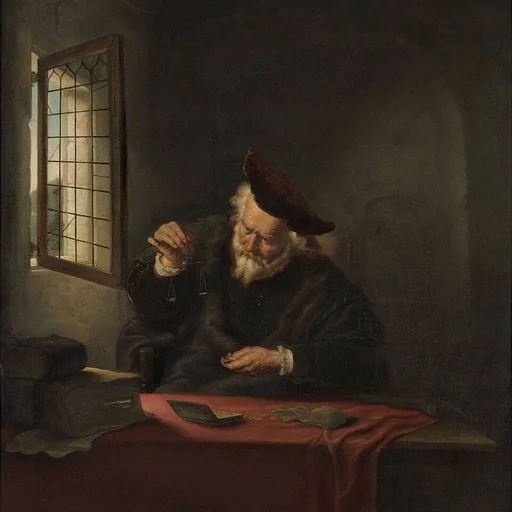
Salomon (de) Koninck (1609 – buried 8 August 1656) was a Dutch painter of genre scenes and portraits, and an engraver.

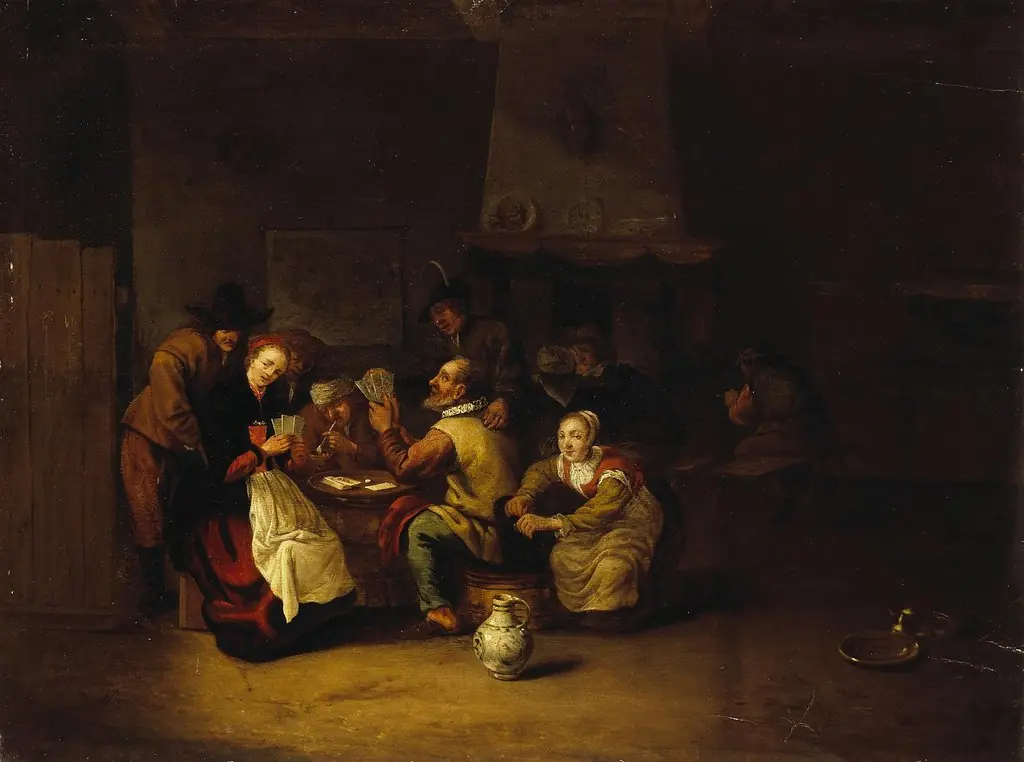 Card-Playing
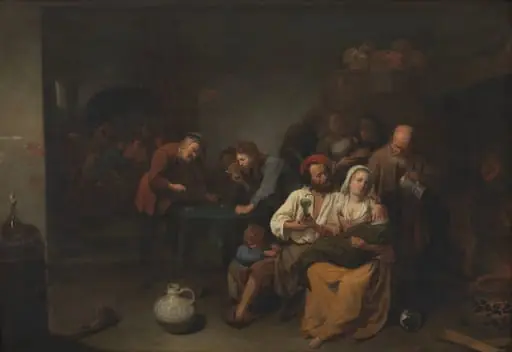 Inn Parlour with Guests
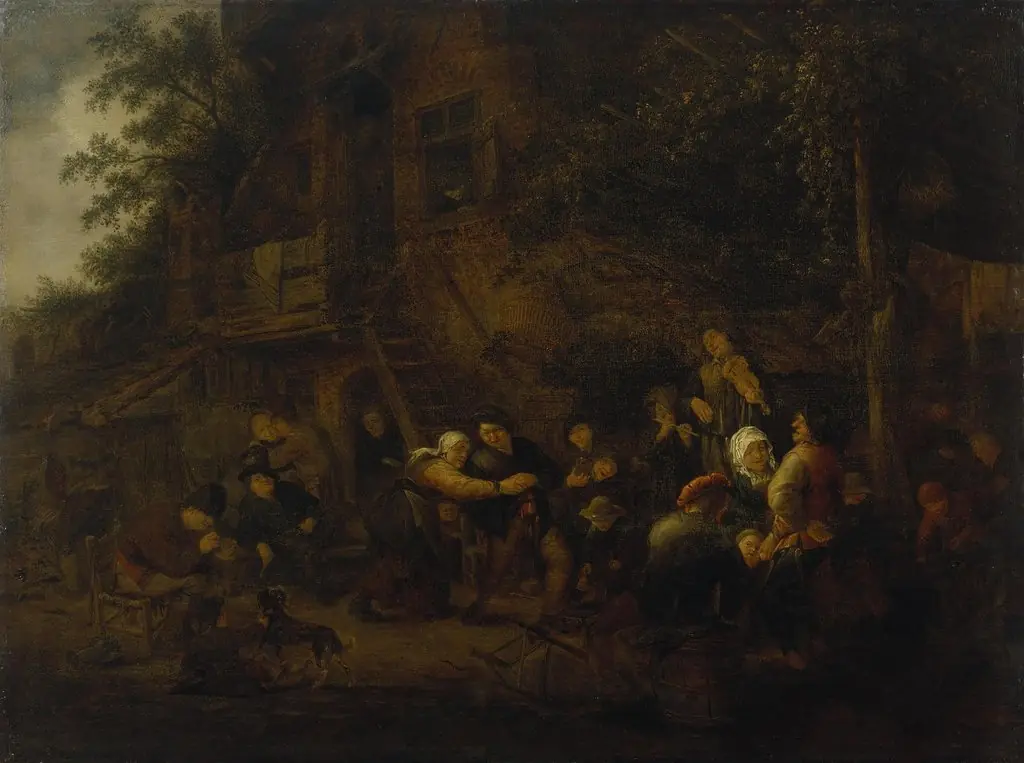 Rural Feast
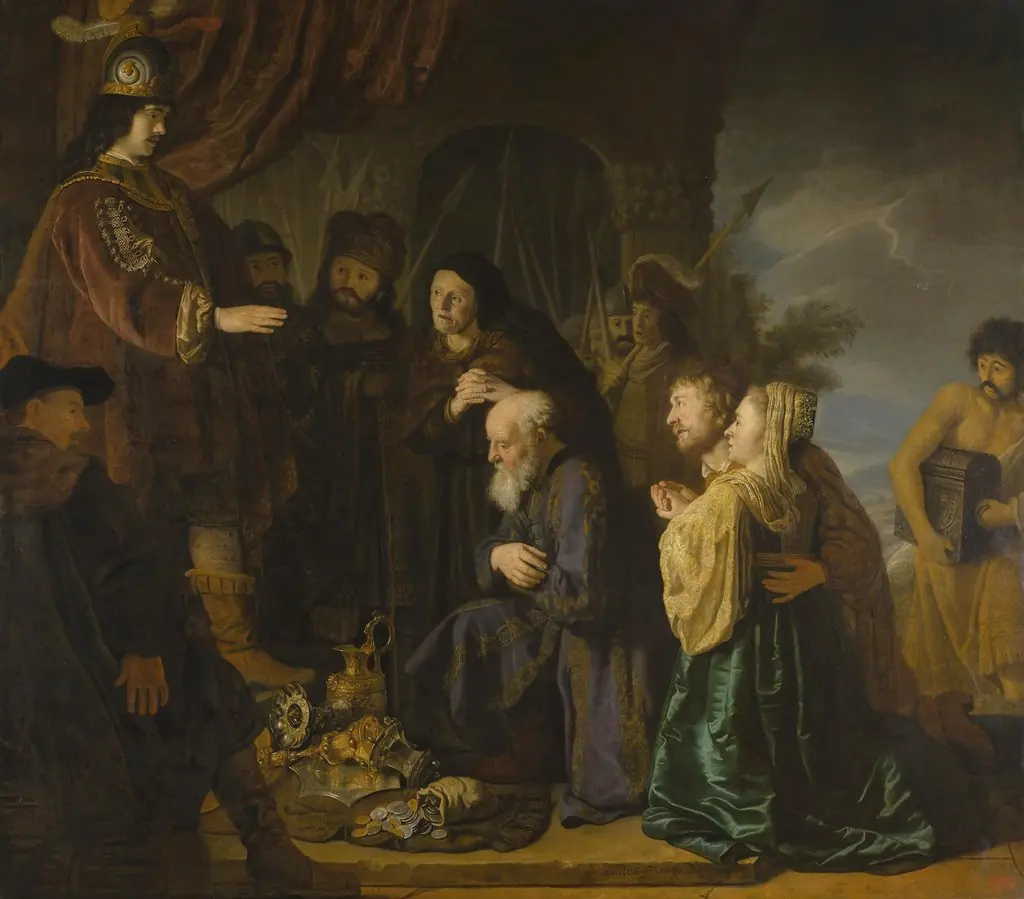 The Magnanimity of Scipio Africanus
 Street Singers
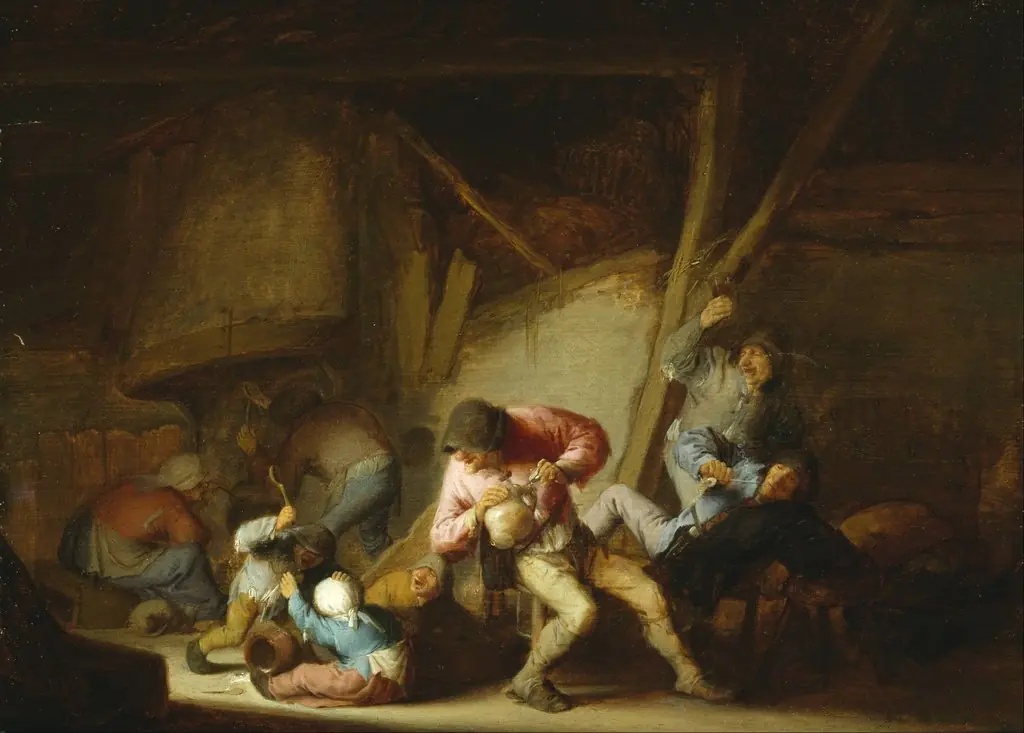 Interior with Drinking Figures and Crying Children
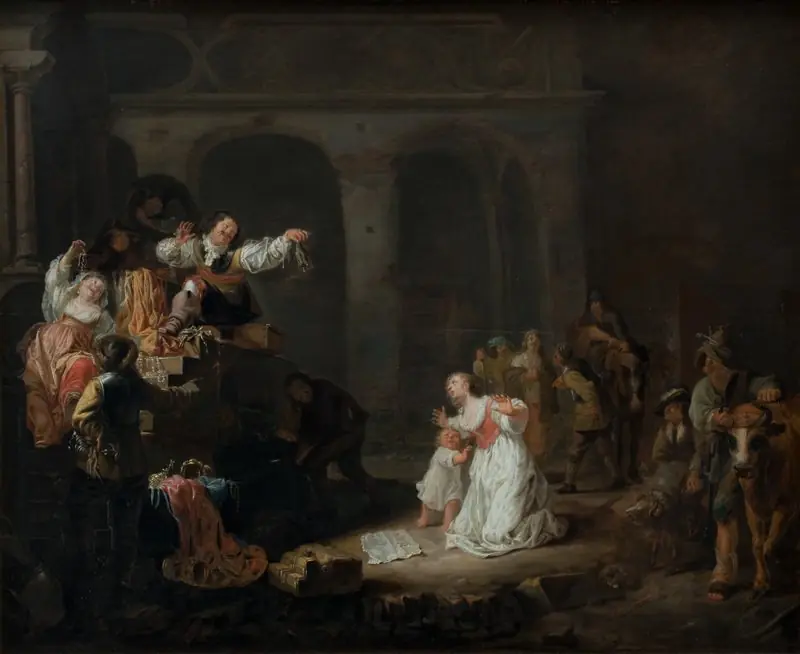 Plundering of a Manor House
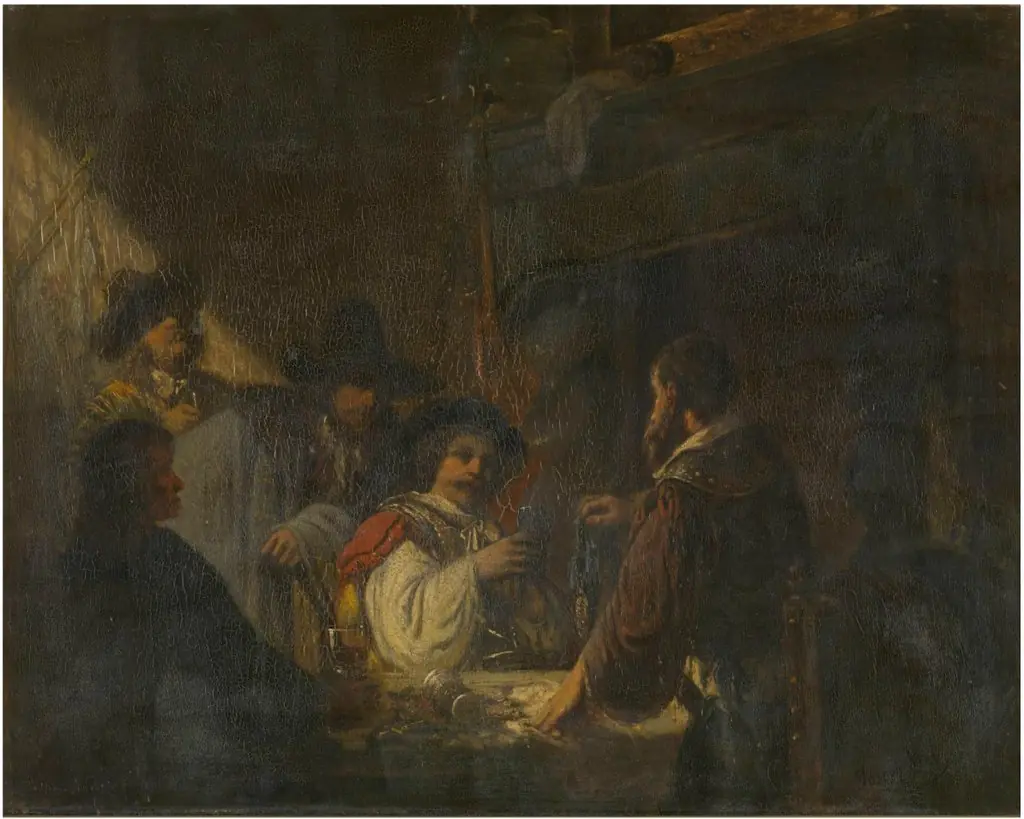 Scene from the life of Rembrand
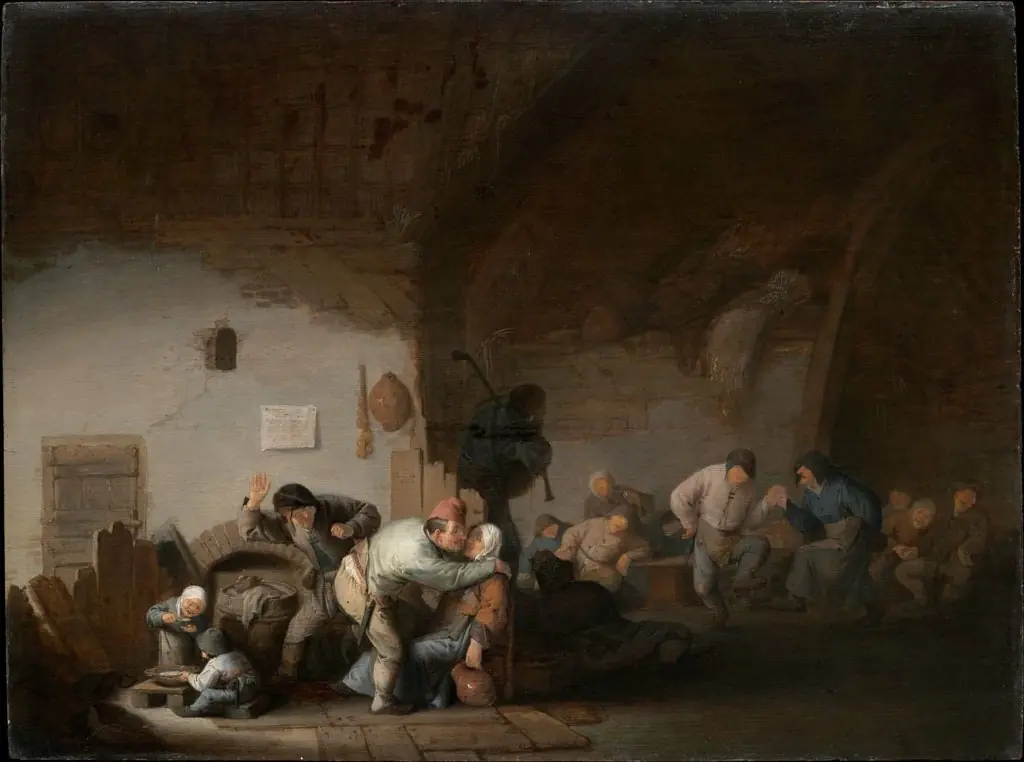 Peasants Merrymaking
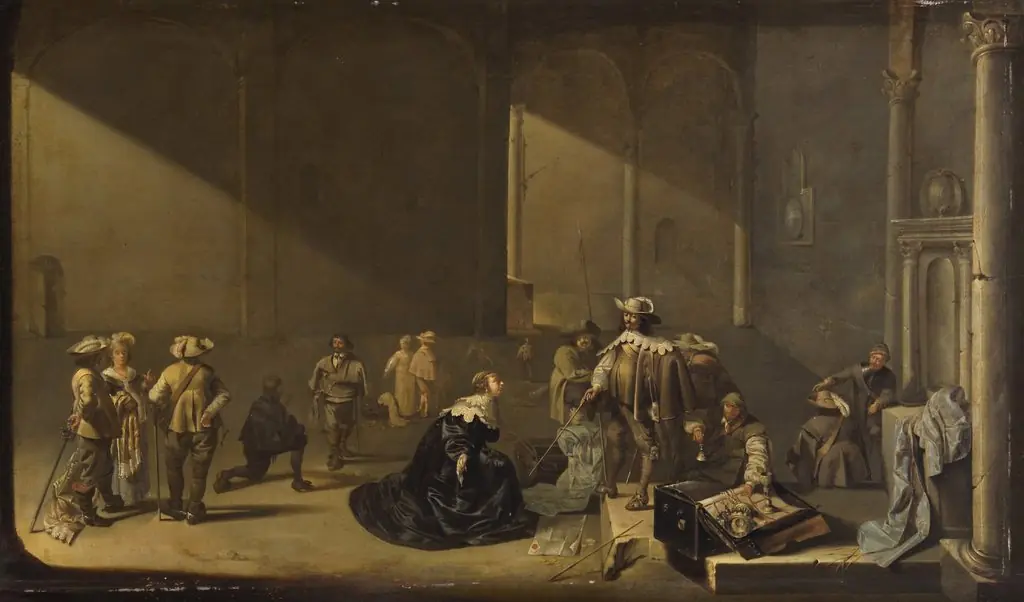 Interior with soldiers inspecting the booty and with a pleading woman
 Ristiäisjuhla
 Parable of the Laborers in the Vineyard