Artwork
Farm buildings in a landscape
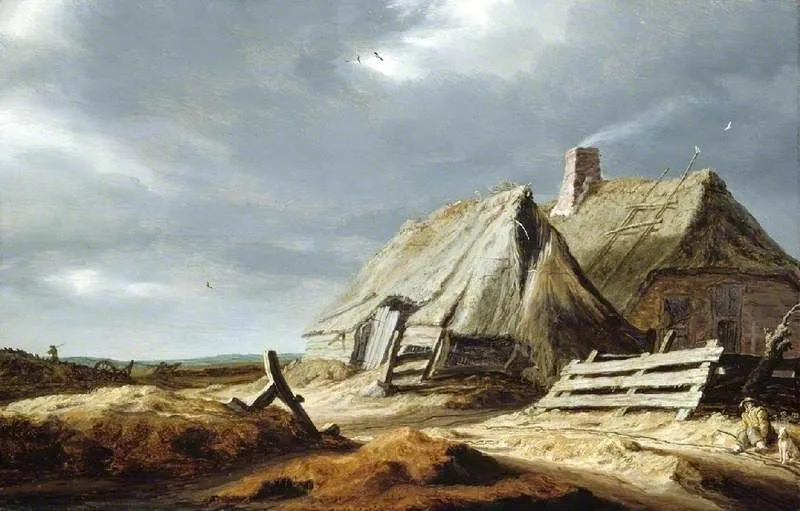
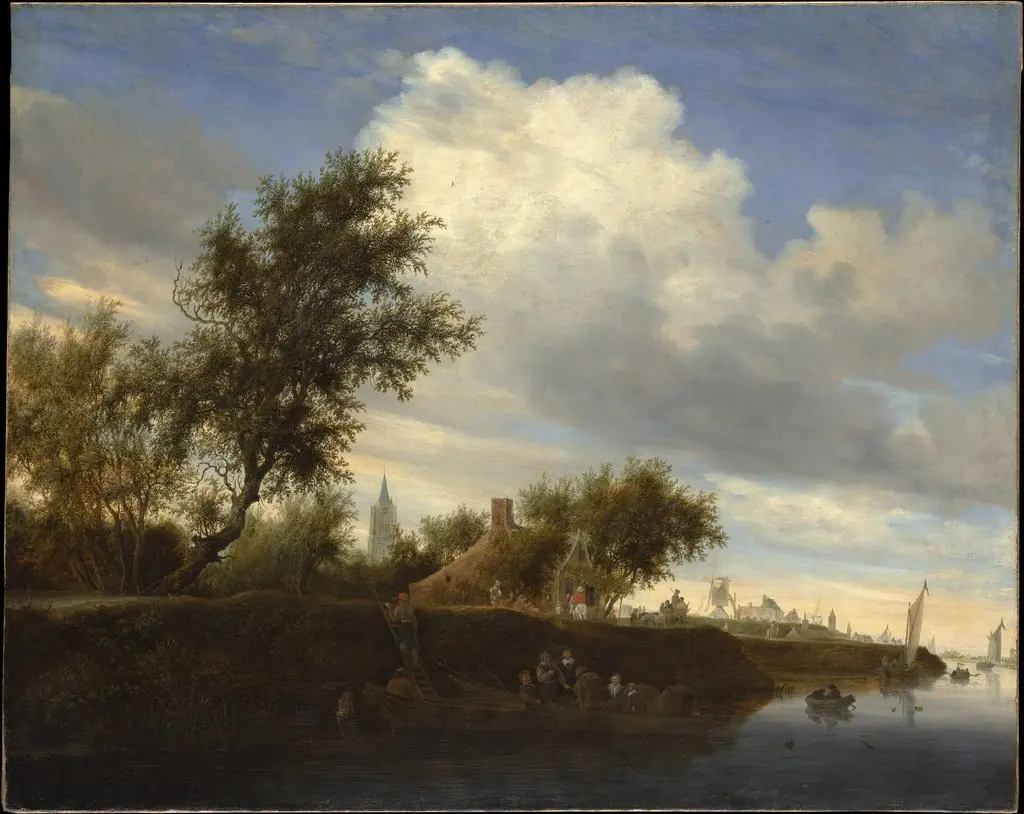
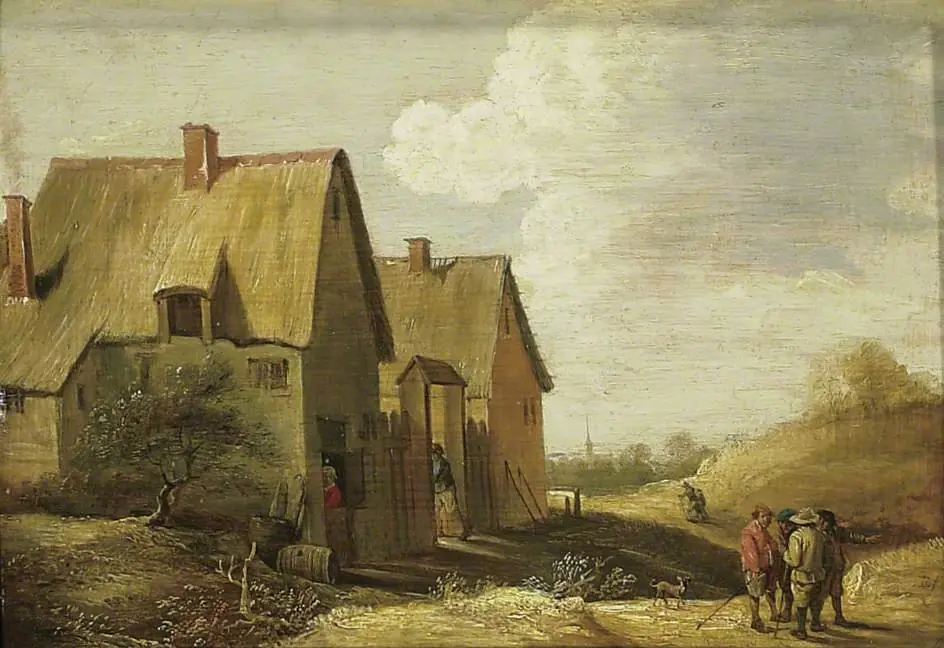
Farm buildings in a landscape is an oil painting by the Dutch Golden Age artist Salomon van Ruysdael. It dates from 1646 and is held in the collection of the Fitzwilliam Museum.
About this work
Overview
Painted around 1646, this oil on panel work by Salomon van Ruysdael presents a quiet rural scene characteristic of Dutch Golden Age landscape painting.
Painted around 1646, this oil on panel work by Salomon van Ruysdael presents a quiet rural scene characteristic of Dutch Golden Age landscape painting. It captures modest farm structures nestled within an expansive countryside, emphasizing harmony between human habitation and the natural environment. The piece is part of the Fitzwilliam Museum’s collection, where it contributes to the study of 17th-century Dutch regional life and artistic practice.
Subject & Meaning
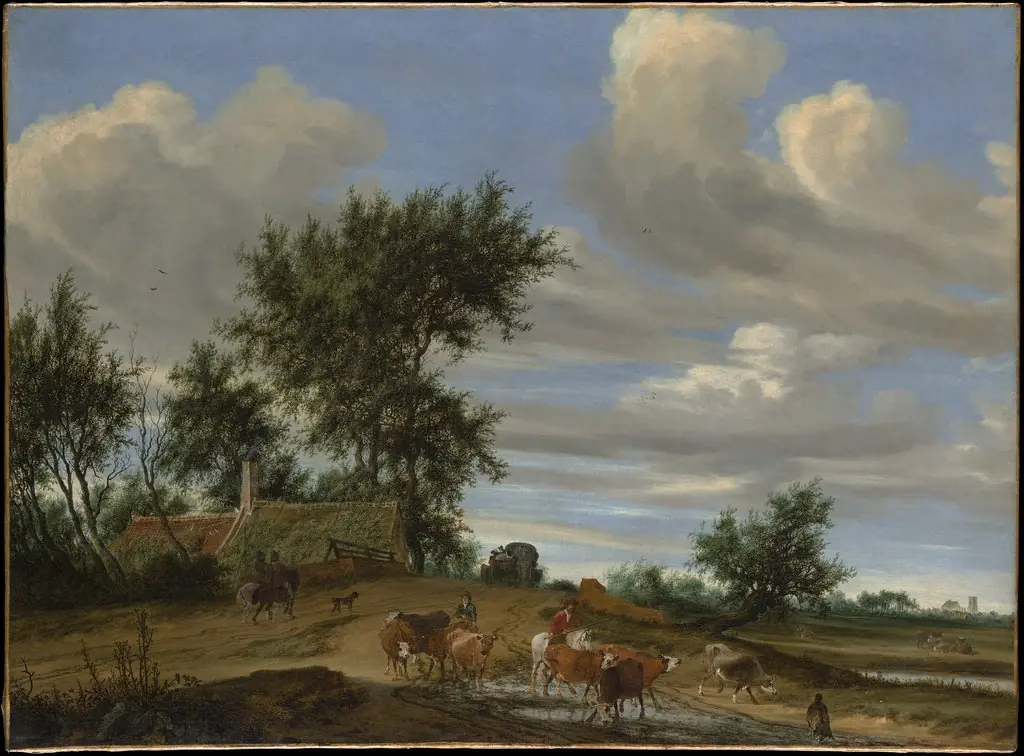
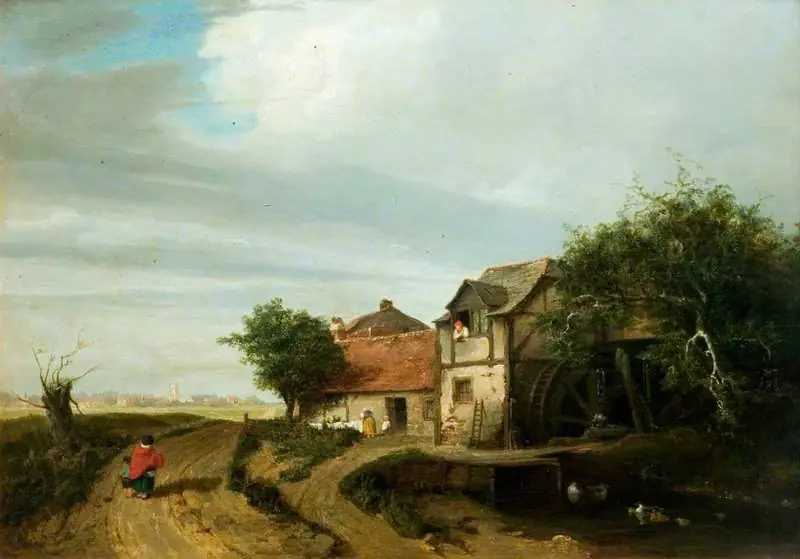
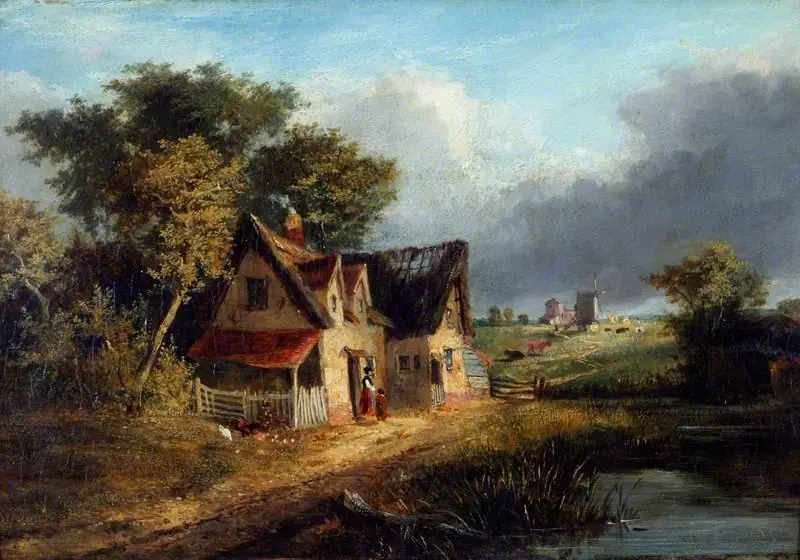
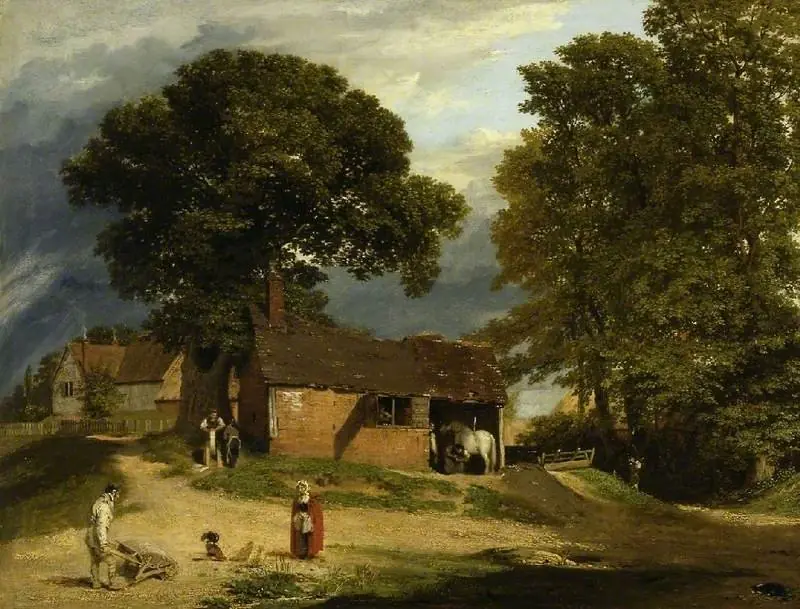
The painting centers on a simple wooden or stone cottage with a sloping roof and smoking chimney, surrounded by trees and open fields. No human figures are present, yet the smoke and structures suggest quiet, ongoing domestic life. The composition avoids drama, instead conveying a sense of stillness and continuity, reflecting the Dutch appreciation for ordinary, unidealized rural existence as worthy of artistic attention.
Technique & Style
Van Ruysdael employs chiaroscuro to model forms and create spatial depth, with soft transitions between light and shadow across the fields and building surfaces. Earthy browns, ochres, and muted greens dominate the palette, reinforcing the naturalism of the scene. Brushwork is restrained but deliberate, with careful attention to texture in the roof, foliage, and distant sky, where faint bird forms suggest atmospheric perspective.
History & Provenance
The painting has remained in institutional hands since at least the 19th century, entering the Fitzwilliam Museum’s collection through documented acquisitions. Its attribution to Salomon van Ruysdael is supported by stylistic comparisons with his other dated works and his known focus on rural subjects. No significant alterations or reworkings are recorded, preserving its original composition and tonal balance.
Context
Created during the height of Dutch landscape painting, the work reflects a cultural shift toward valuing everyday rural scenes over mythological or grand historical themes. Artists like van Ruysdael, alongside his nephew Jacob, helped define a distinctly Dutch visual language rooted in local topography and weather. This painting aligns with broader trends of observational realism and quiet contemplation in 17th-century Netherlandish art.
Legacy
Though less celebrated than his nephew’s dramatic vistas, Salomon van Ruysdael’s quiet compositions influenced the development of Dutch landscape traditions. His emphasis on subtle light, humble architecture, and unembellished nature laid groundwork for later generations of realist painters. This work remains a quiet testament to the artistic value placed on the ordinary in Dutch Golden Age culture.
Artist & collection
Artist
Salomon van Ruysdael (c. 1602, Naarden – buried 3 November 1670, Haarlem) was a Dutch Golden Age landscape painter. He was the uncle of Jacob van Ruisdael.