Artwork
Allegory of Fortune
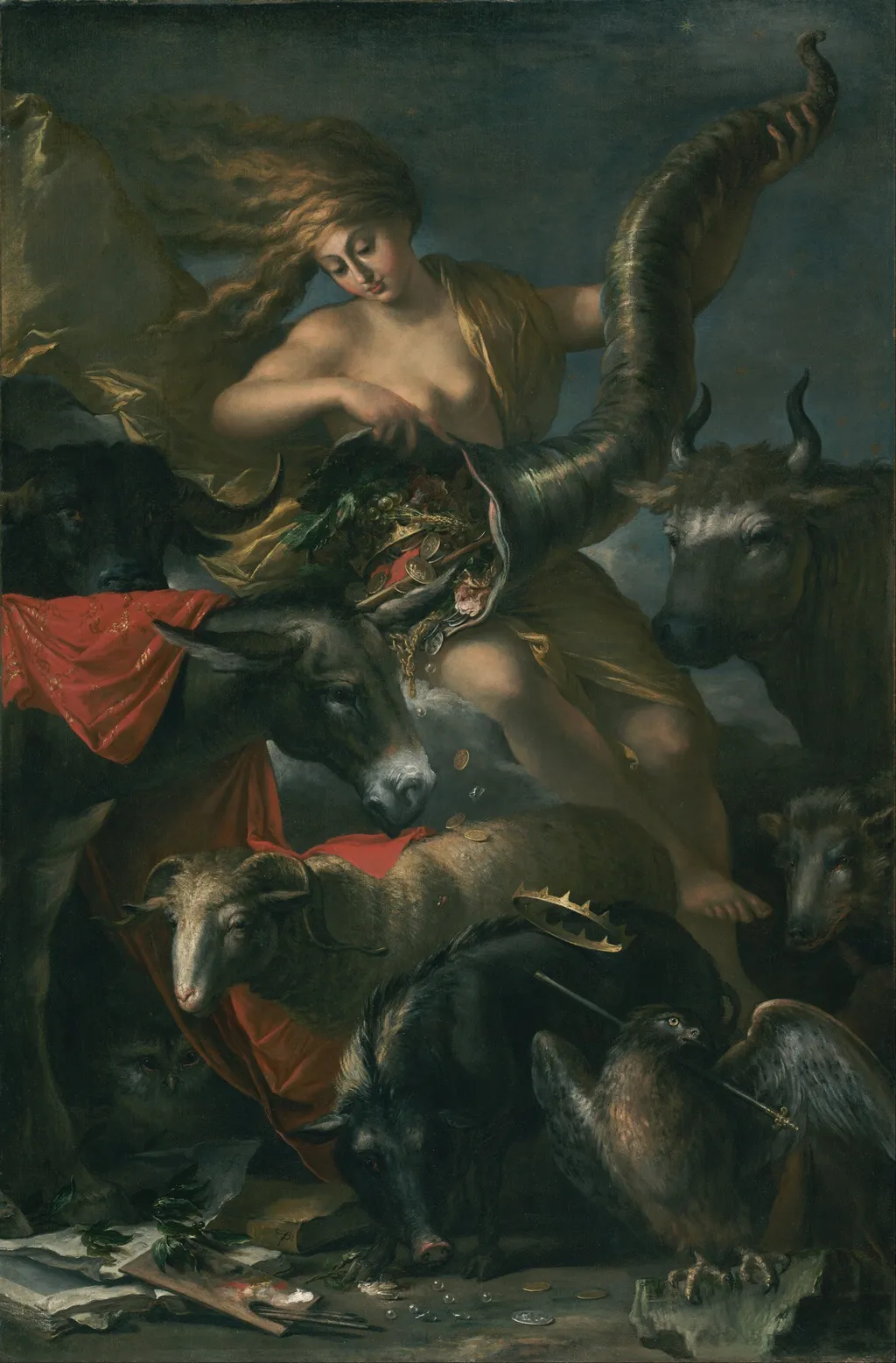
Allegory of Fortune is an oil painting by the Early Baroque Italian artist Salvator Rosa. It dates from 1658 and is held in the collection of the Getty Center. Created around 1658‑1659, this oil on canvas measures roughly 201 by 133 centimetres.
About this work
Overview
Created around 1658‑1659, this oil on canvas measures roughly 201 by 133 centimetres. It depicts the Roman deity Fortuna, embodying the capricious nature of luck. The work is attributed to the Italian Baroque painter Salvator Rosa, who is more widely recognised for his dramatic landscapes but also produced mythological and satirical subjects.
Subject & Meaning
The central figure is Fortuna, traditionally shown blindfolded to symbolize the indiscriminate distribution of fortune. Rosa’s rendition emphasizes the volatile character of fate, aligning with contemporary allegorical traditions that linked prosperity and misfortune to moral and social commentary.
Technique & Style
Executed in oil, the composition employs strong contrasts of light and shadow, a hallmark of chiaroscuro that heightens the dramatic tension. Rosa’s brushwork combines vigorous, almost turbulent strokes with finer detailing in the figure’s drapery, reflecting the Baroque interest in movement and emotional intensity.
History & Provenance
When first displayed publicly, the painting provoked significant controversy, threatening Rosa with legal and ecclesiastical sanctions. The canvas bears the artist’s initials but lacks a date. After changing hands over centuries, it entered the collection of the J. Paul Getty Museum in Los Angeles in 1978, where it remains on view.
Own this work as a print
Artist & collection
Artist
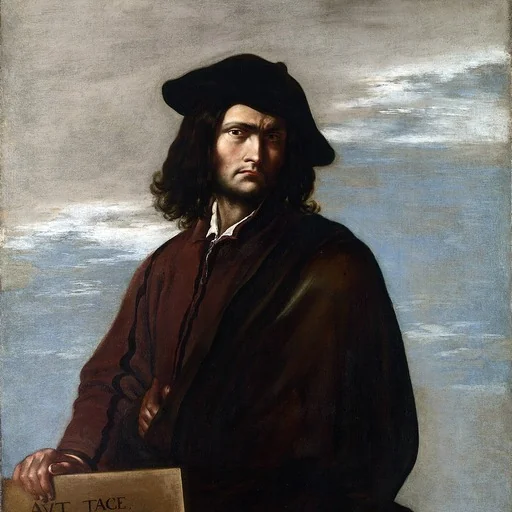
Salvator Rosa (1615 – 15 March 1673) is best known today as an Italian Baroque painter, whose romanticised landscapes and history paintings, often set in dark and untamed nature, exerted considerable influence from the 17th century into…

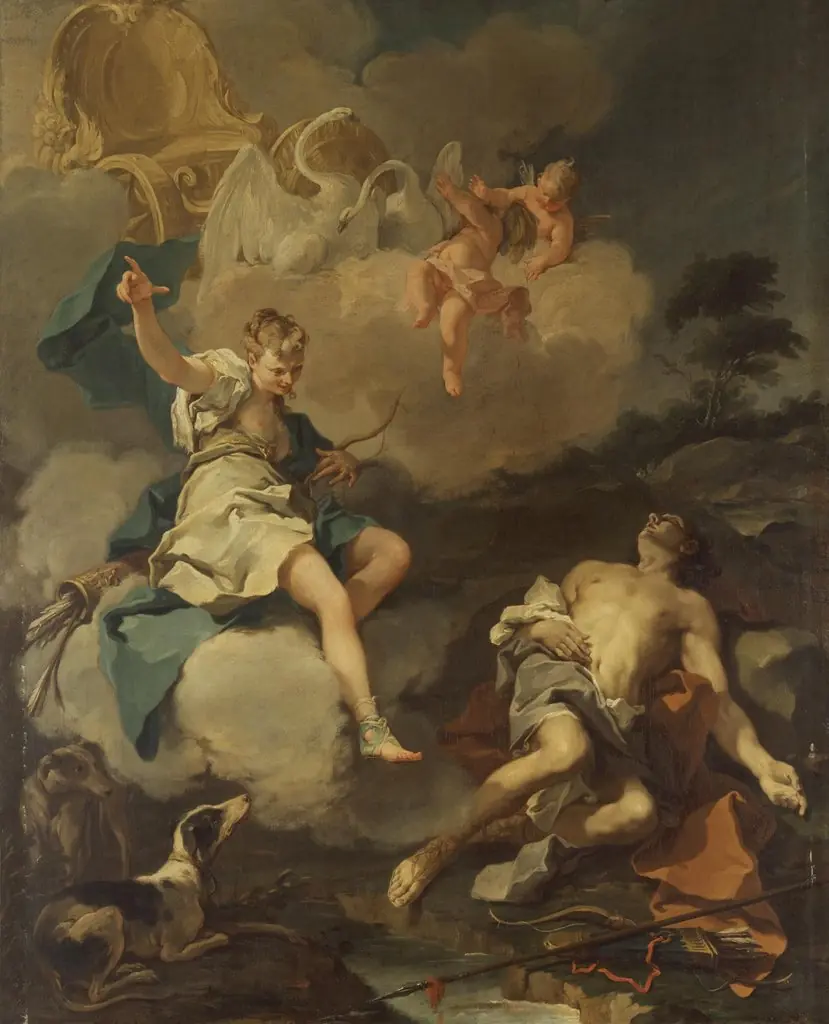 Diana and Endymion
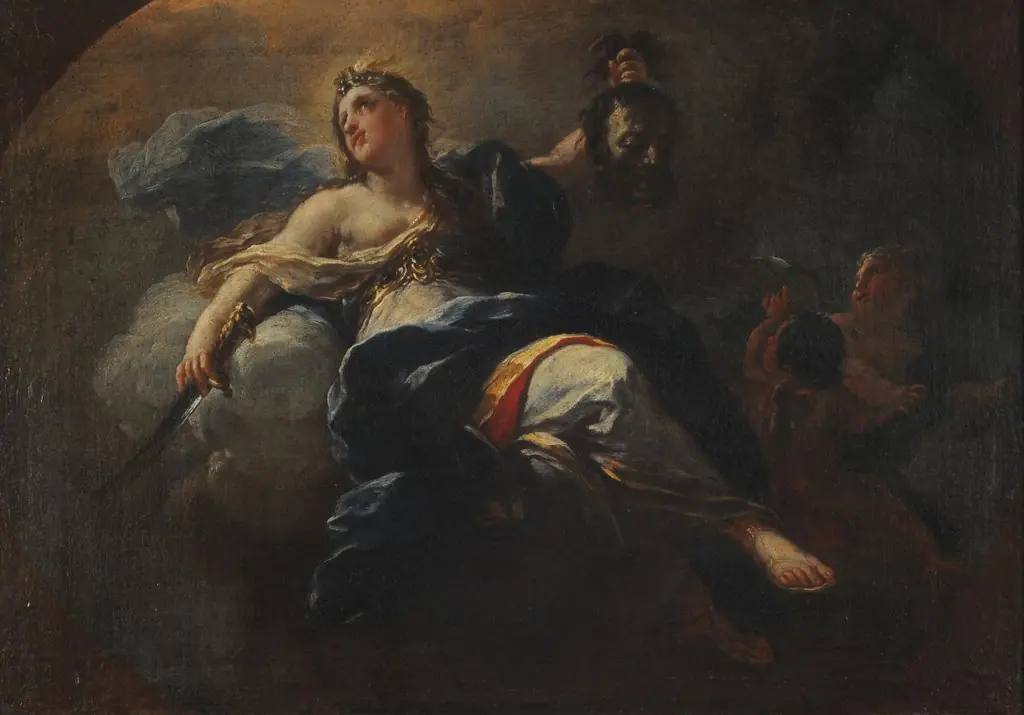 Apoteosis de Judith (Tit. Ant.: Judith llevando -en triunfo- la cabeza de Holofernes)
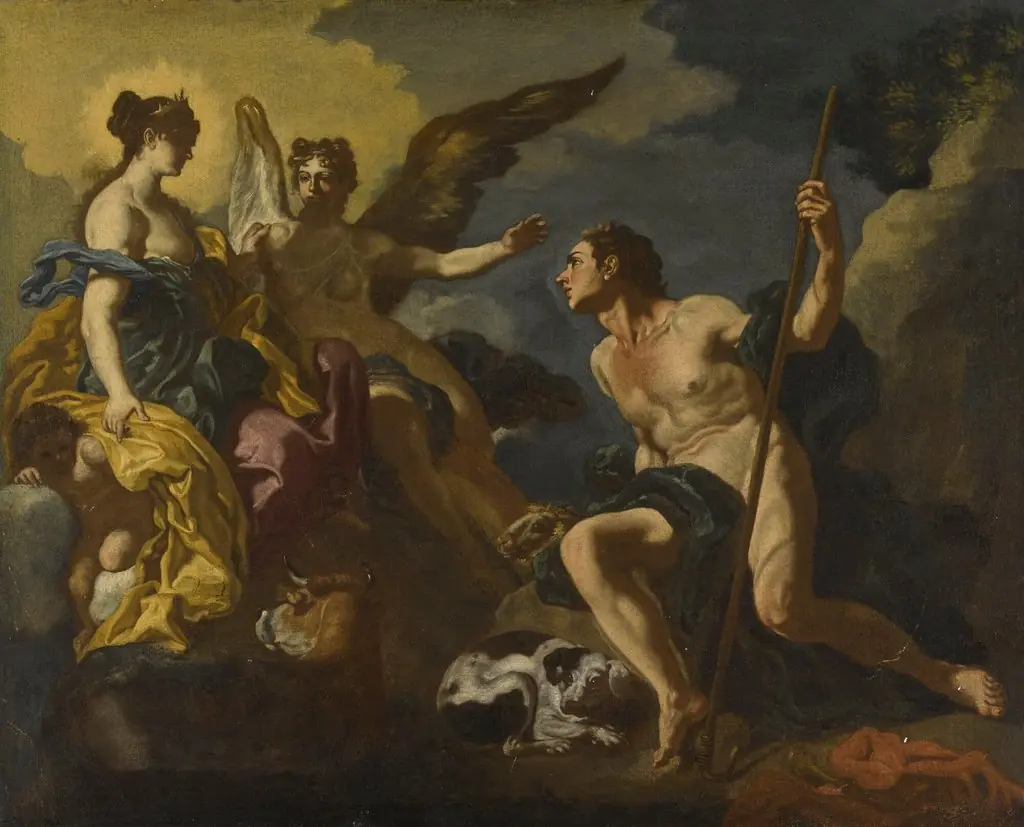 Juno, Io and Argus
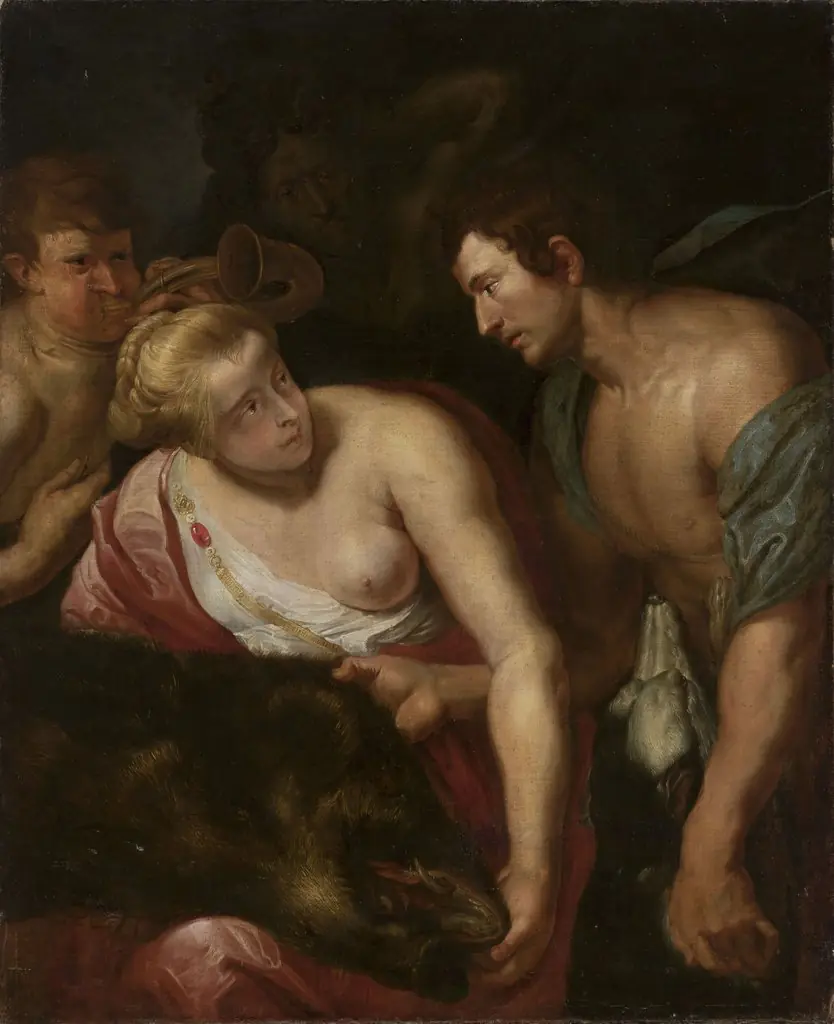 Meleager and Atalanta
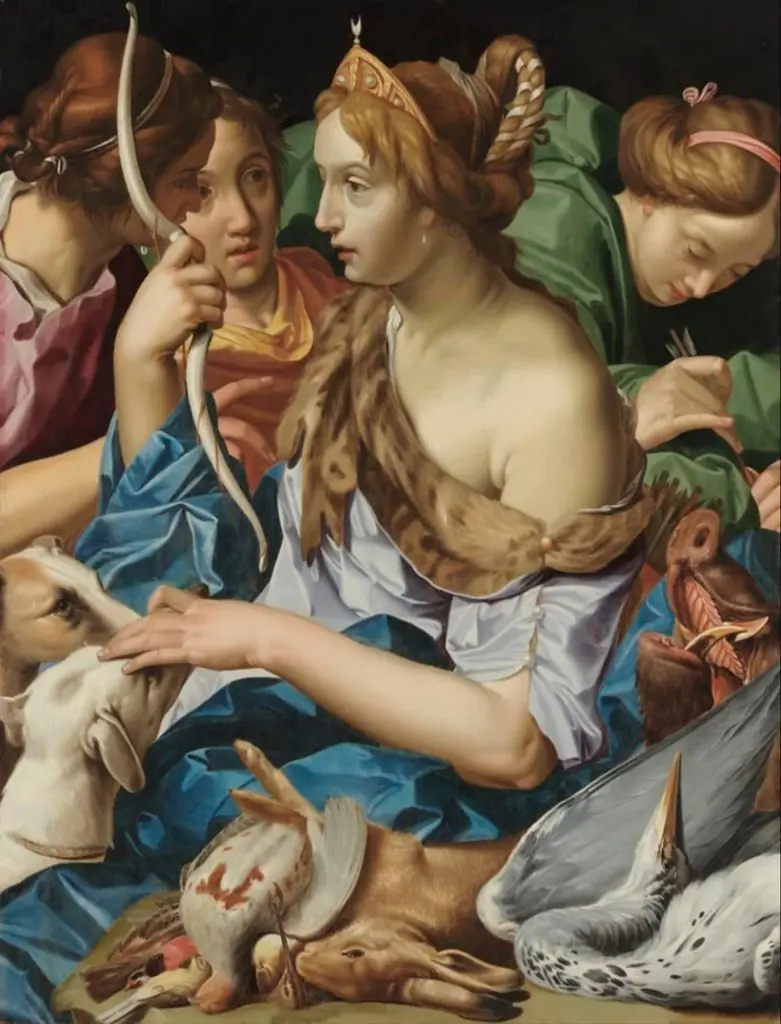 Diana and her Companions, Diana after the Chase
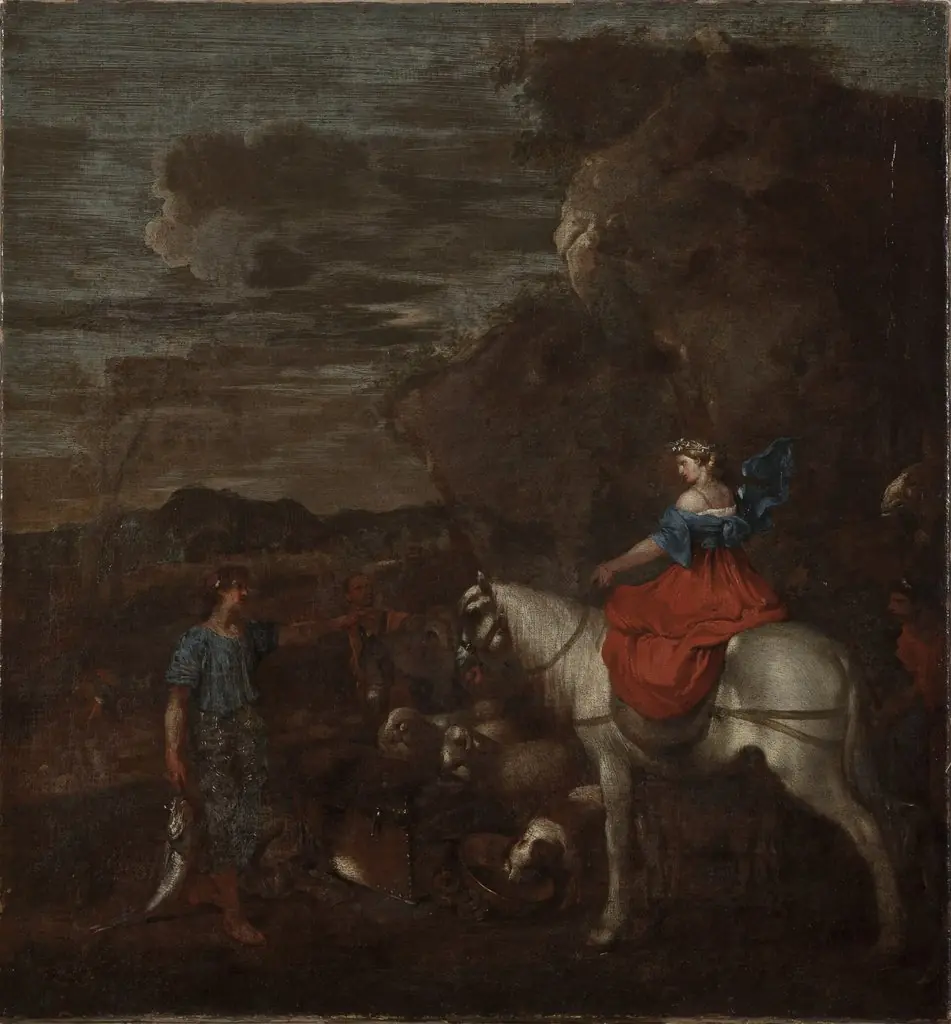 Mountainous Landscape with a Woman Riding
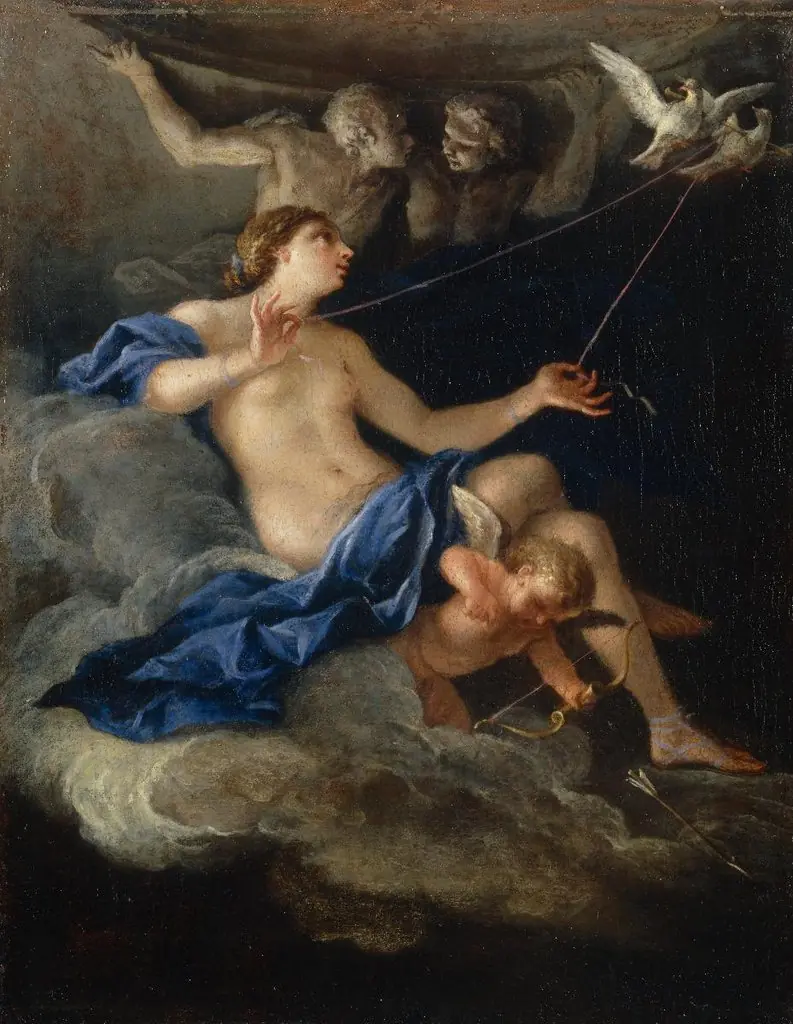 Venere e Amore nel segno dei Gemelli
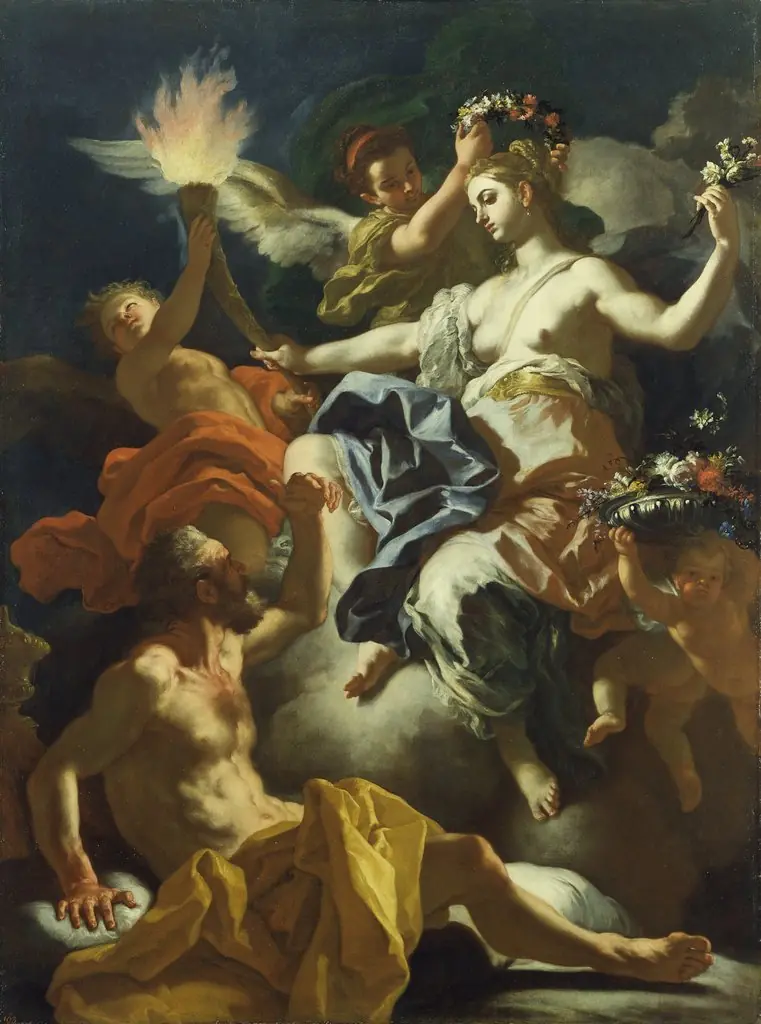 Aurora Taking Leave of Tithonus
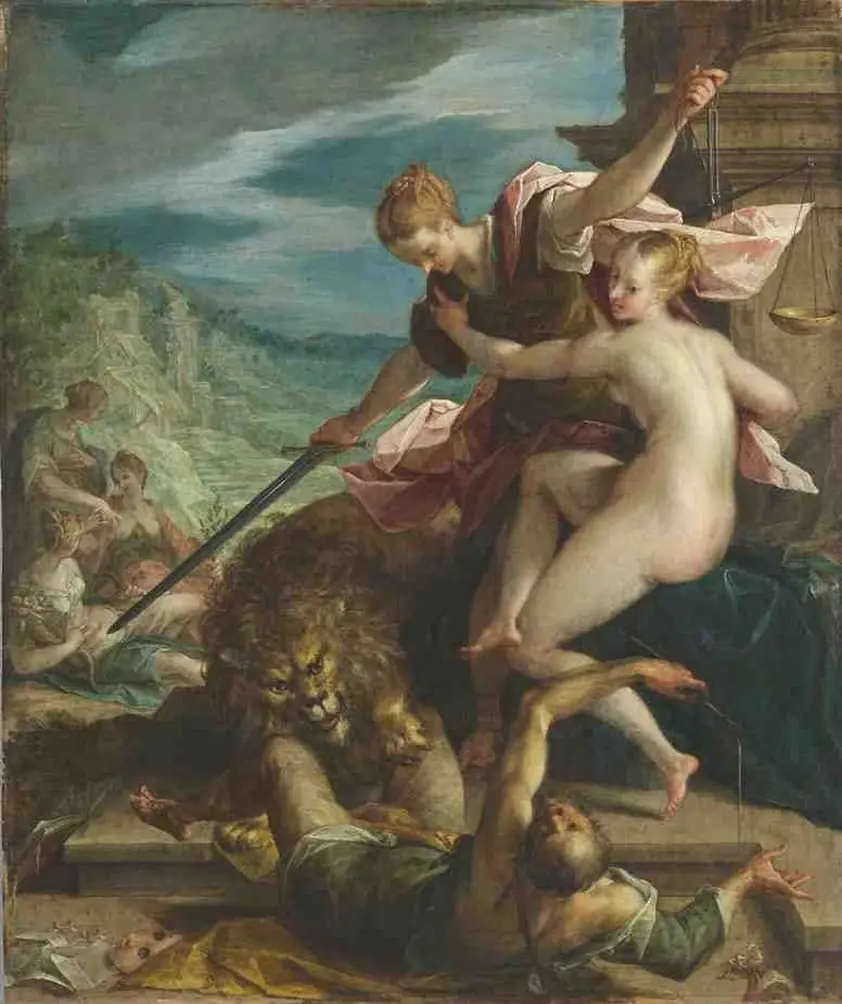 The Triumph of Truth
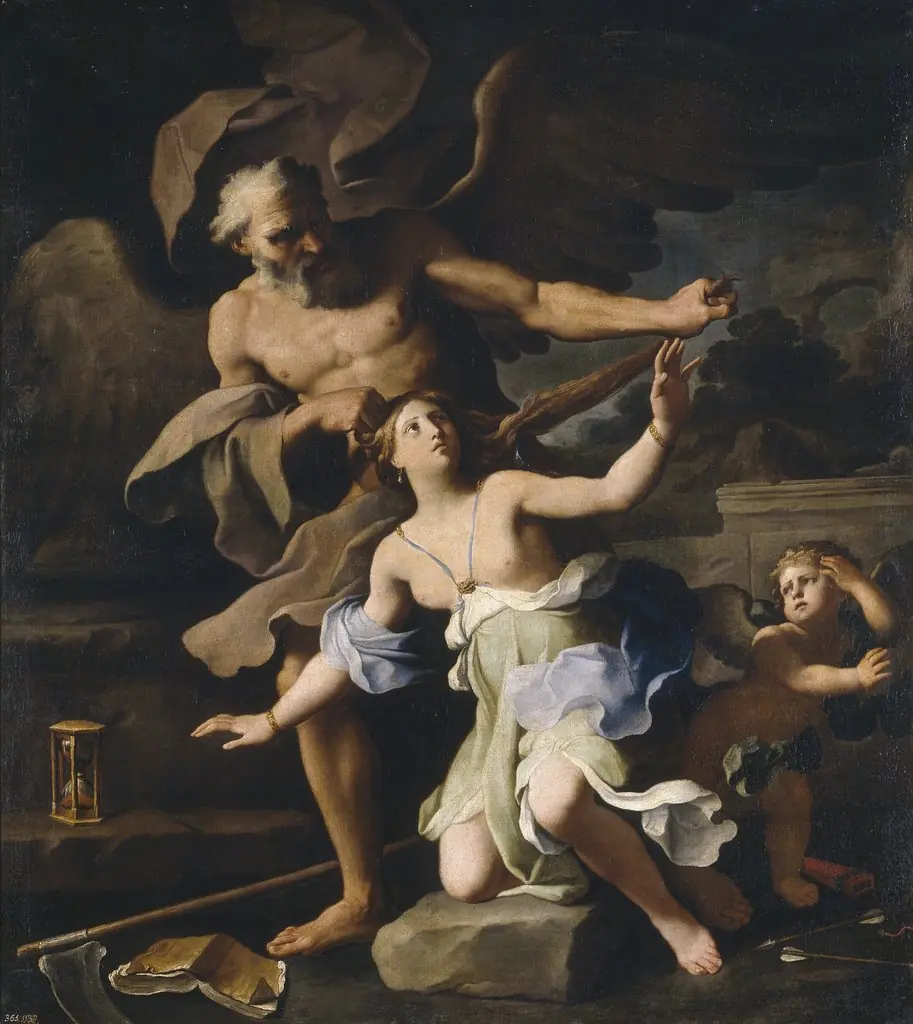 El Tiempo destruyendo la Hermosura
 Judith and the Head of Holofernes
 Deucalion and Pyrrha