Artwork
Mountainous Landscape with a Woman Riding
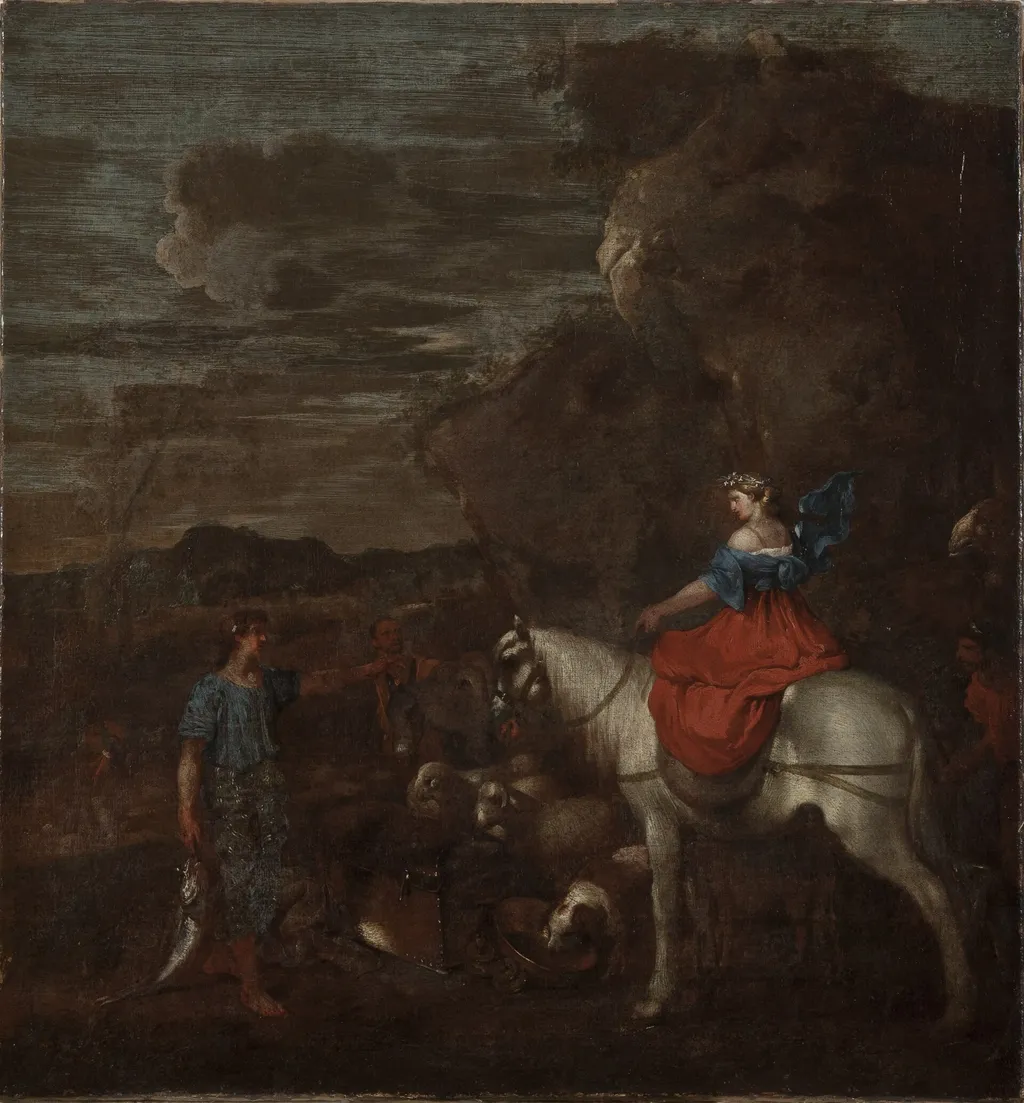
Mountainous Landscape with a Woman Riding is an oil painting by Unknown. It is held in the collection of the Nationalmuseum. This oil painting presents a solitary equestrian figure in a rugged mountain setting, accompanied by a standing male figure.
About this work
Overview
This oil painting presents a solitary equestrian figure in a rugged mountain setting, accompanied by a standing male figure. The composition centers on the interaction between the woman on horseback and the man below, framed by dramatic natural elements. The scene balances stillness and motion, with the horse facing forward while the woman turns her gaze toward the figure on the ground.
Subject & Meaning
The woman, adorned with a floral crown and vibrant clothing, appears symbolic—perhaps representing nature, sovereignty, or mythic presence. The man, armed and stationary, may signify guardianship, authority, or a narrative counterpart. Their mutual gaze suggests an unspoken exchange, though the exact story remains ambiguous, leaving interpretation open to cultural or allegorical readings.
Technique & Style
The artist employs chiaroscuro to model forms against the rocky terrain and shifting sky, enhancing volume and spatial depth. Contrasts between the woman’s red dress and the muted landscape draw attention to her figure. Brushwork is deliberate but not overly detailed, favoring atmospheric cohesion over precise realism, aligning with traditions that prioritize mood over narrative clarity.
History & Provenance
The painting’s origin and early ownership are undocumented in available records. No known exhibition history or collector lineage has been established. Its style suggests a late 18th- or early 19th-century European origin, though no definitive artist attribution has been confirmed. It remains an unattributed work within private or institutional collections.
Context
The composition echoes Romantic-era landscape traditions, where nature and solitary figures convey emotional or philosophical weight. While not tied to a specific school, its use of dramatic lighting and isolated human presence aligns with contemporaneous works that sought to evoke awe or introspection through natural settings, distinct from classical or academic conventions.
Legacy
As an unattributed work, its influence on later artists is untraceable. It survives as a quiet example of regional Romantic painting, valued for its atmospheric composition and enigmatic narrative. Its preservation offers insight into lesser-known artistic responses to nature and human presence during a period when landscape painting was evolving beyond mere topography.
Artist & collection

 Domestic Scene
 Giacomo and Cardinal Marco, investing Andrea, Abbot of San Zeno, with his Benefice
 The Nymph of Fontainebleau
 Portrait of a Woman
 Madonna and Child with Saints in the Enclosed Garden
 Venus and Minerva
 Family Group of Four on Sofa
 Wall painting from Room H of the Villa of P. Fannius Synistor at Boscoreale
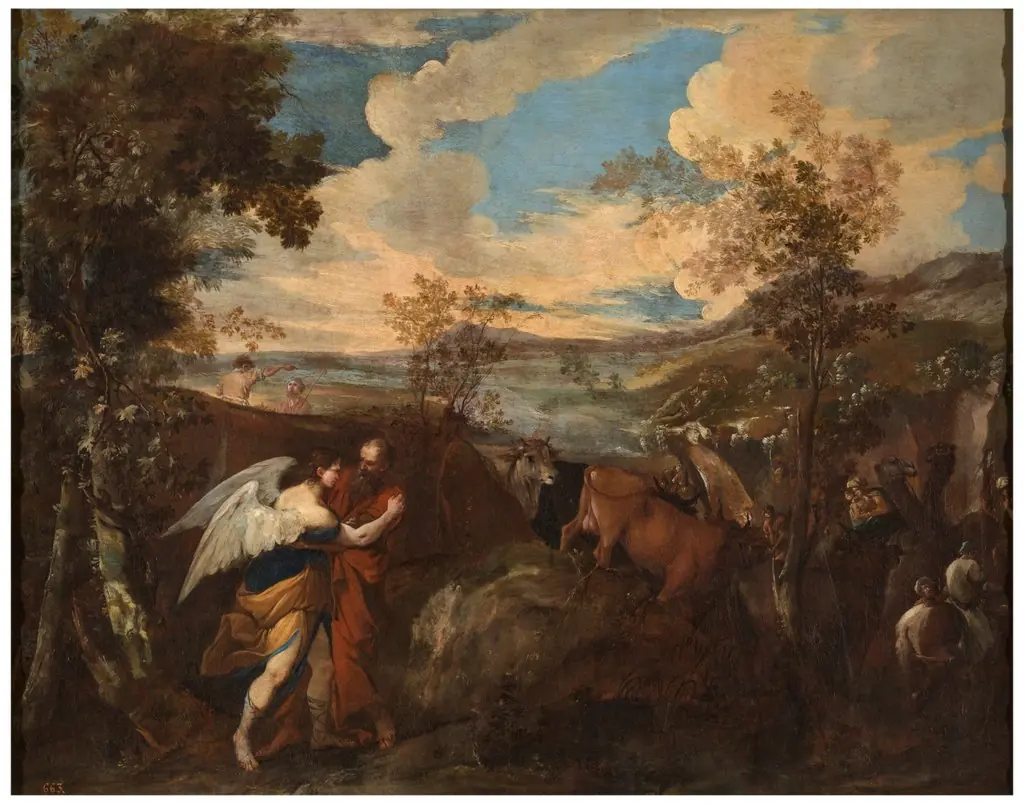 Lucha de Jacob con el ángel
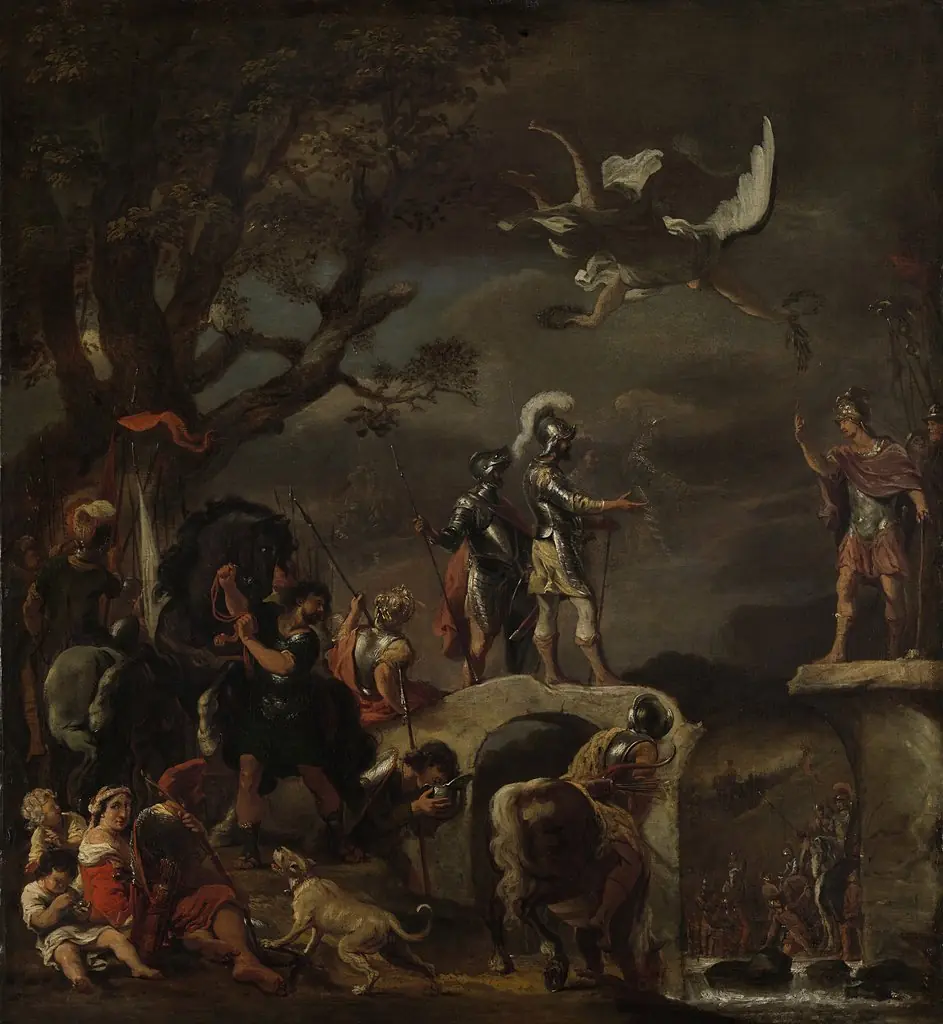 The peace negotiation between Claudius Civilis and Quintus Petillius Cerealis on the demolished bridge
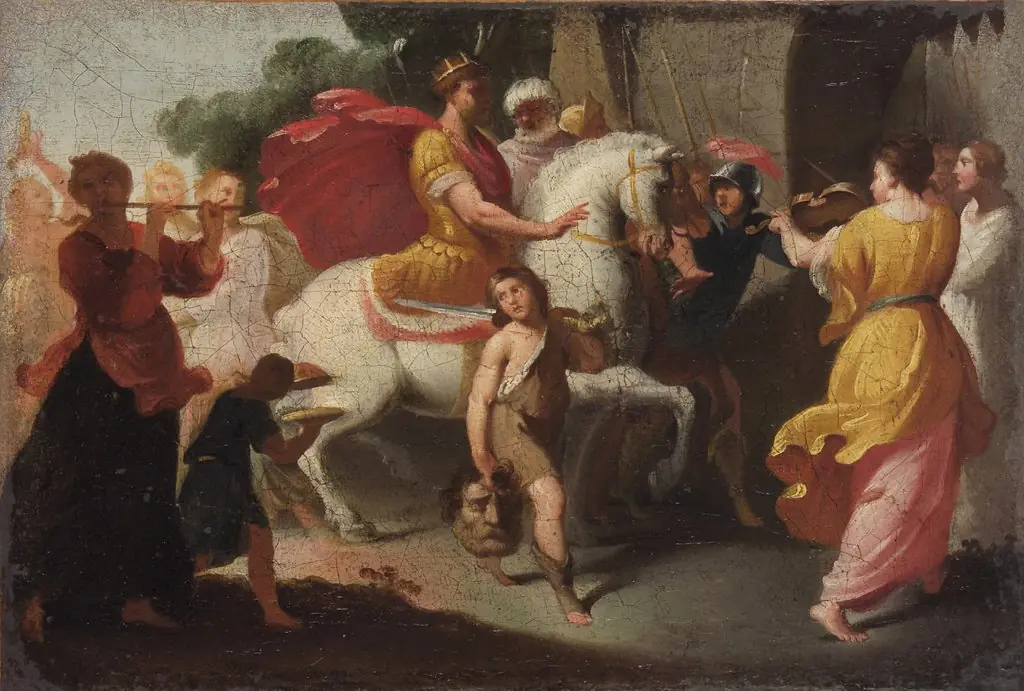 Triumph of David after defeating Goliath
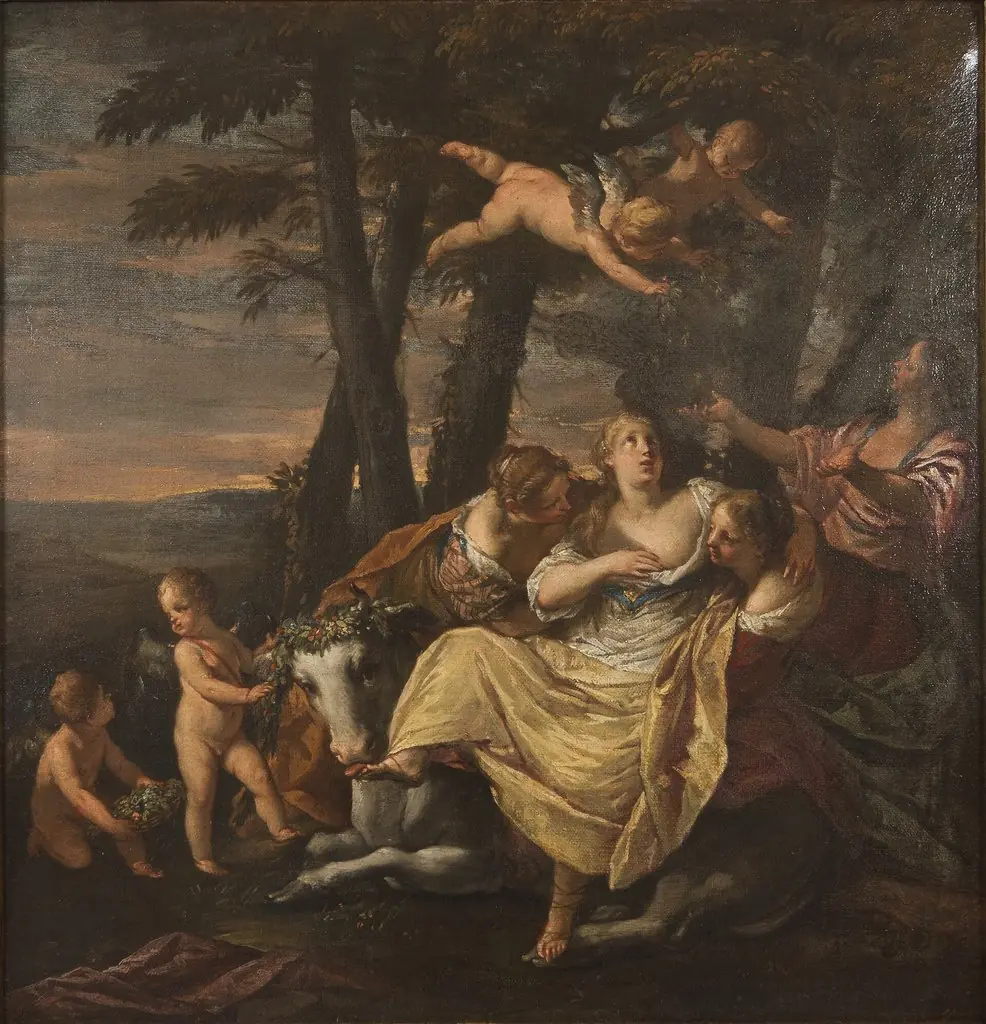 The Rape of Europa
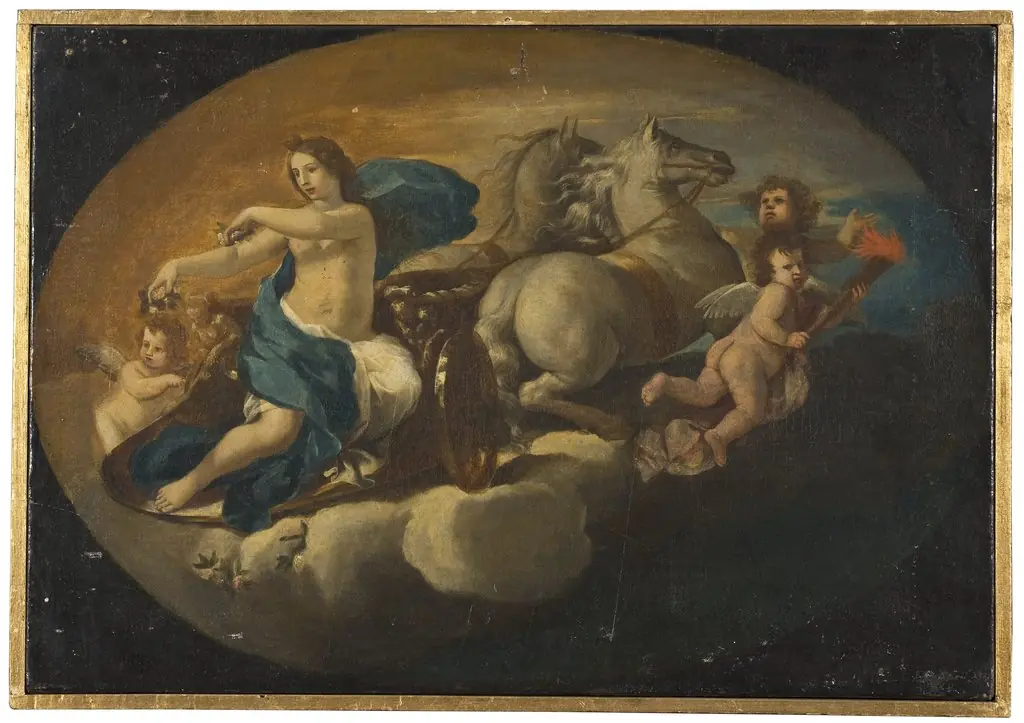 The Chariot of Aurora
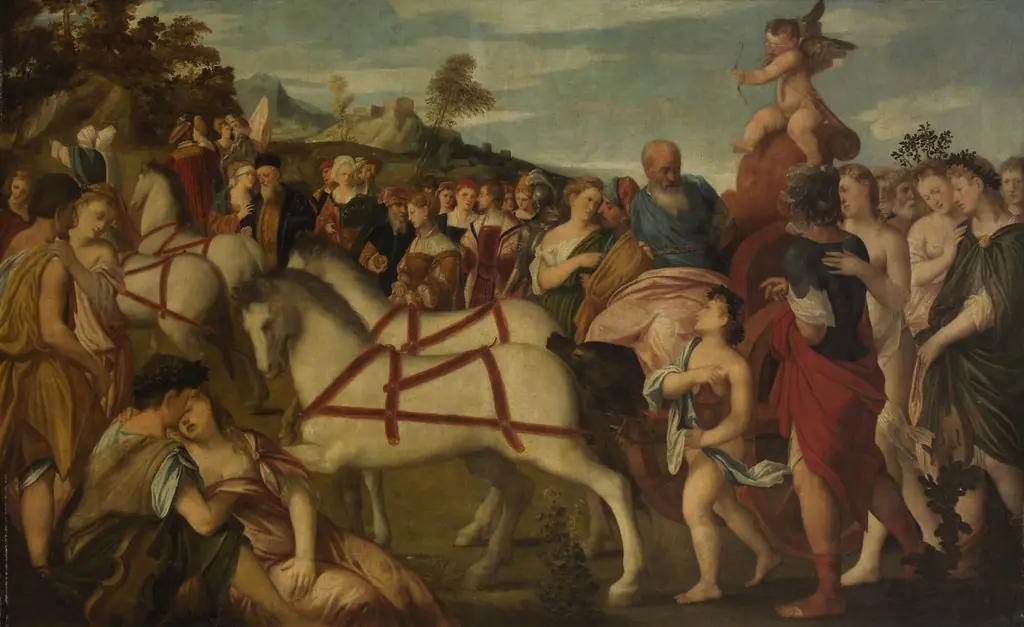 Triumph der Liebe
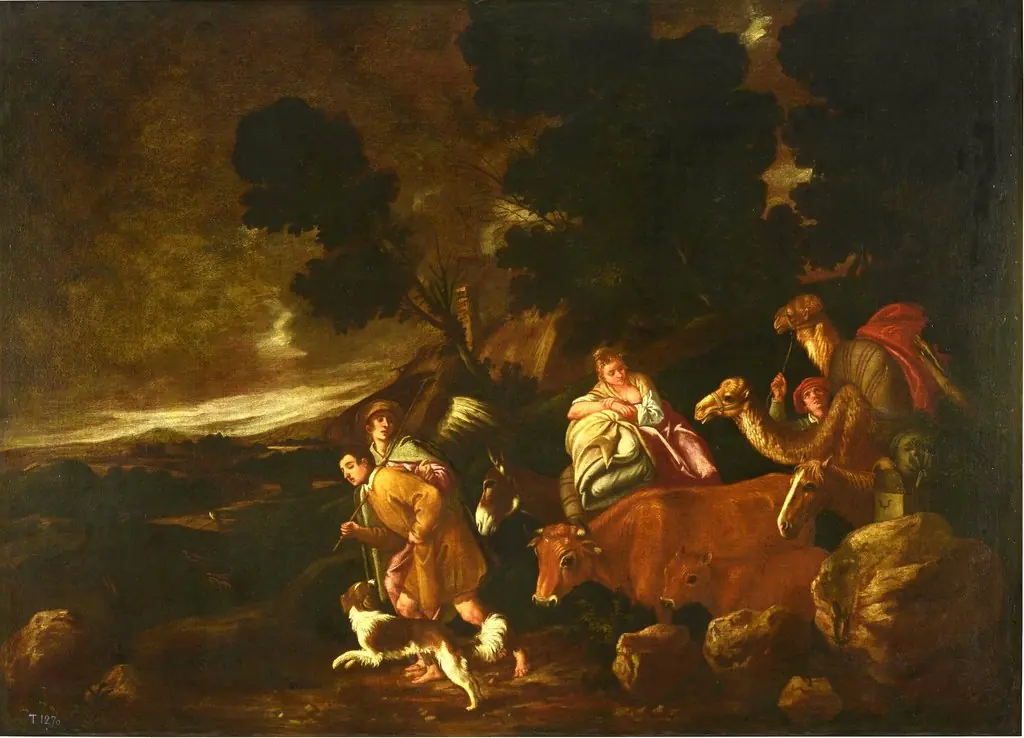 Viaje de Tobías y Sara
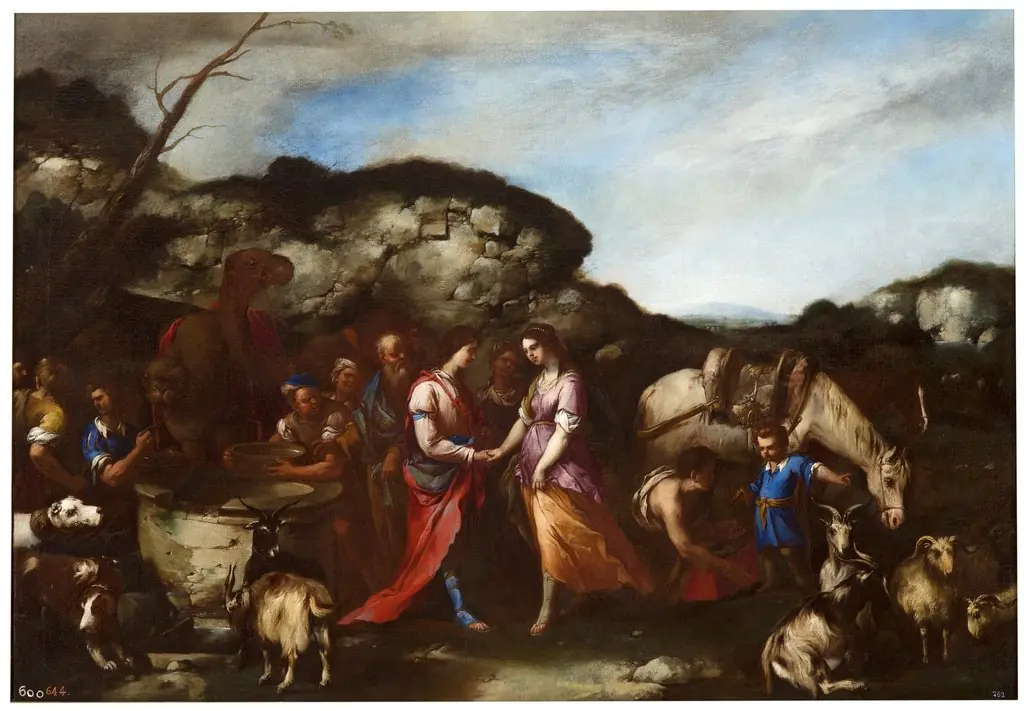 Jacob y Raquel en el pozo
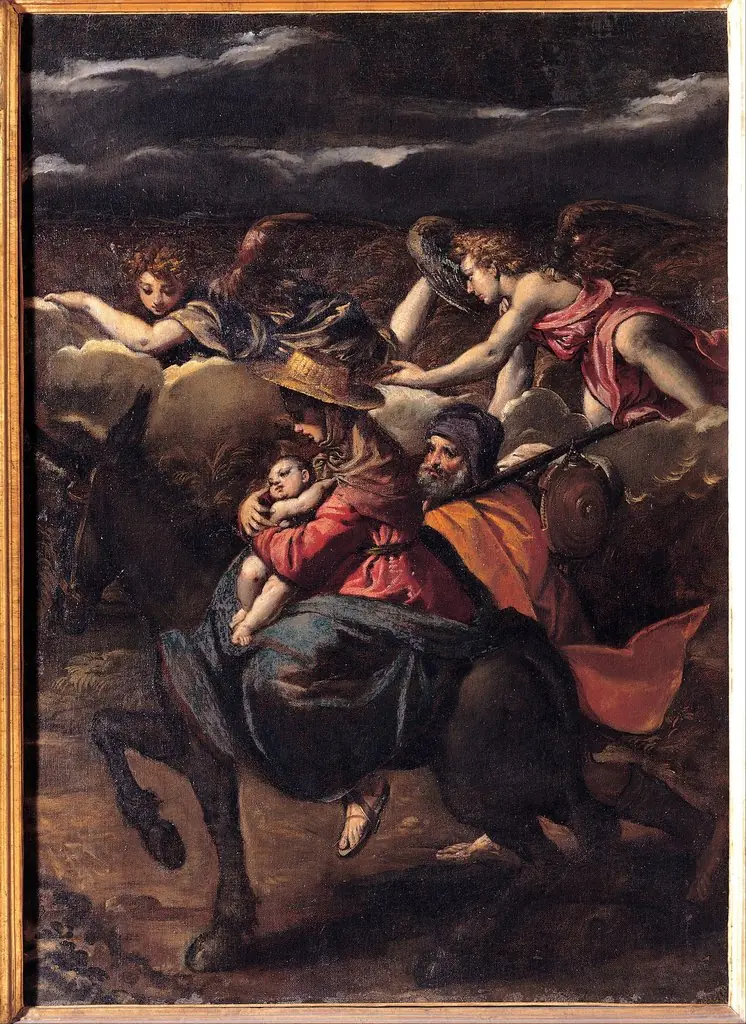 Flight into Egypt
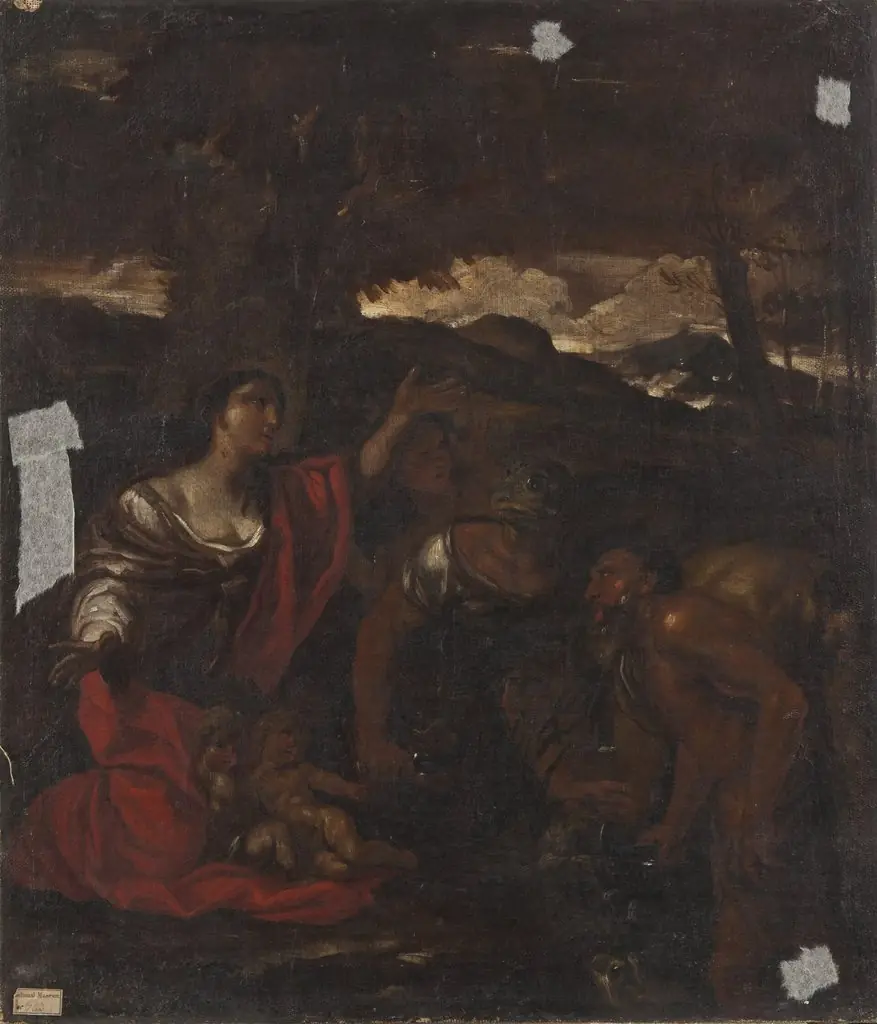 Landskap med figurer
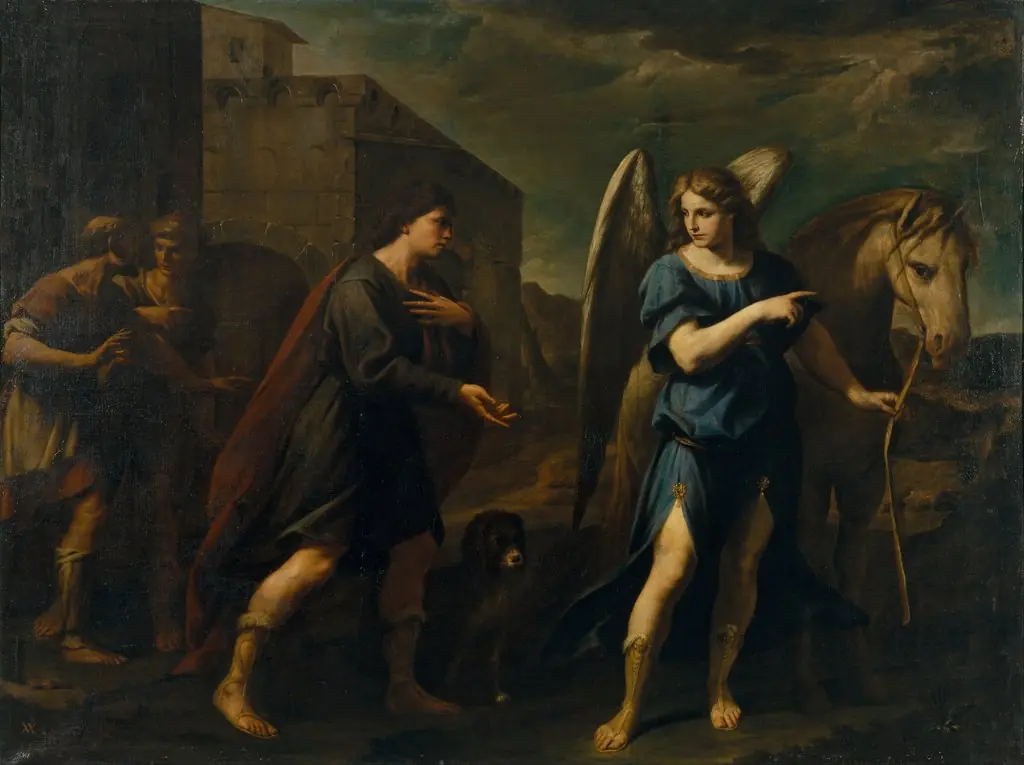 Tobias Meets the Archangel Raphael
 Tobias und der Erzengel Raphael auf Wanderschaft